
Drinks
Wine grapes and styles, and what actually changes in the bottle
Wine varies by grape, place, and handling, and most of the confusion comes from mixing those three up. Each profile separates what the grape brings, what the region requires, and what winemaking decides.
All wine guides
1 page
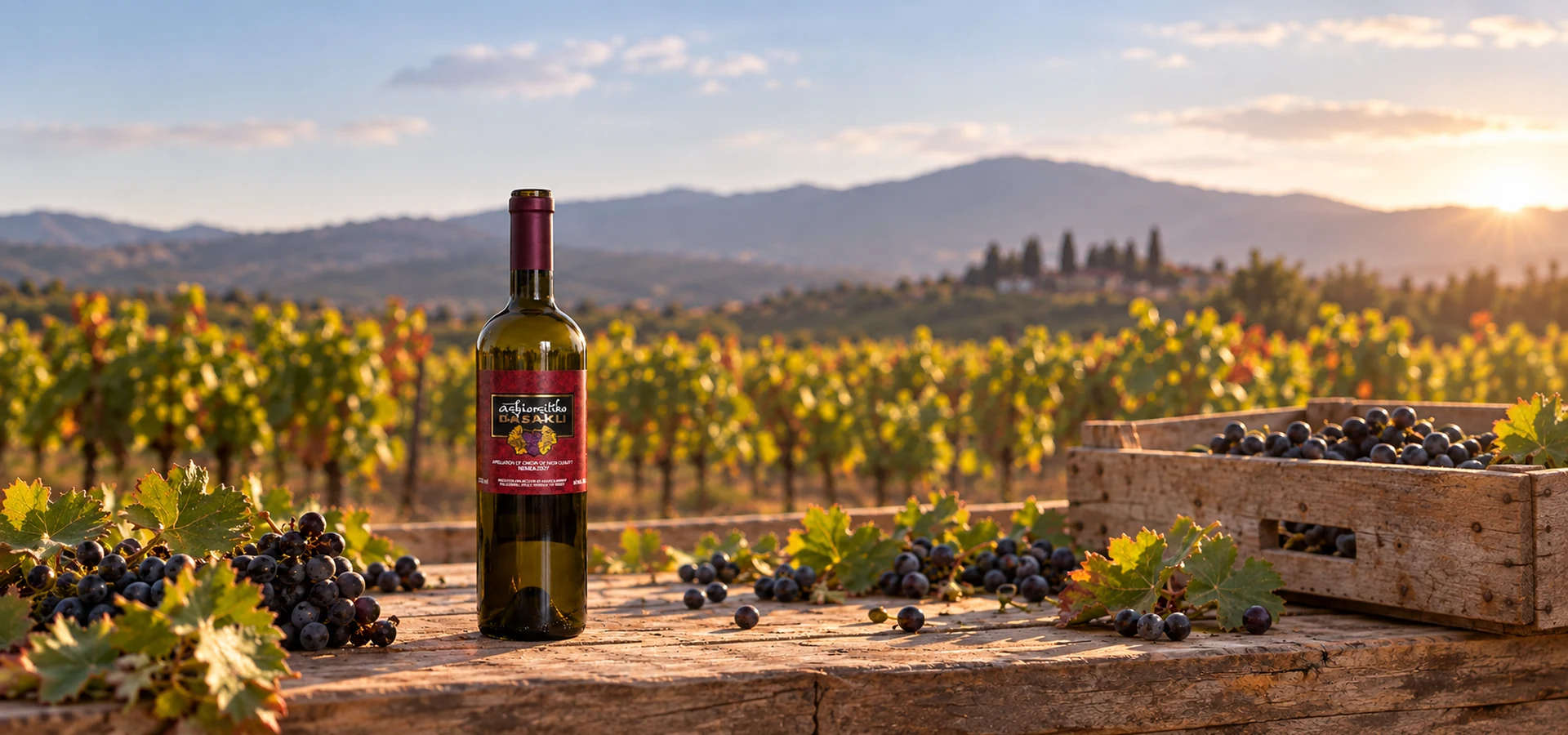
Grape, place, and handling are three separate questions
Most confusion about wine comes from mixing up three things that vary independently. The grape sets the raw material: its natural acidity, its sugar accumulation, its tannin, and its aromatic compounds. The place sets the growing conditions and, where a protected designation applies, the rules the producer must work within. Handling is everything the winemaker decides afterwards: whether to ferment cool or warm, whether to run malolactic conversion, whether to age in oak and how new that oak is, and how long to leave the wine on its lees.
The same grape from the same place makes very different wine under different handling, and that is not a flaw in the system. It is why a varietal name on a label tells you less than people assume.
What a region rule actually controls
A protected designation is not a quality mark. It is a set of rules about geography, permitted grapes, yield, and often method, enforced by a named authority. It constrains what may be made and sold under that name. It does not promise that any given bottle is good, and the profiles here say which is which.
More in Drinks
How it is made, how to serve it, and how long it keeps.