
Learn
Tasting method, vocabulary, and the faults worth recognising
Tasting is a method, not a talent. Here is how to set up a tasting, what to assess in what order, how to describe what you find, and how to recognise the common faults.
Where this comes up
Guides in other sections that go into tasting.
-
 Spirits
01
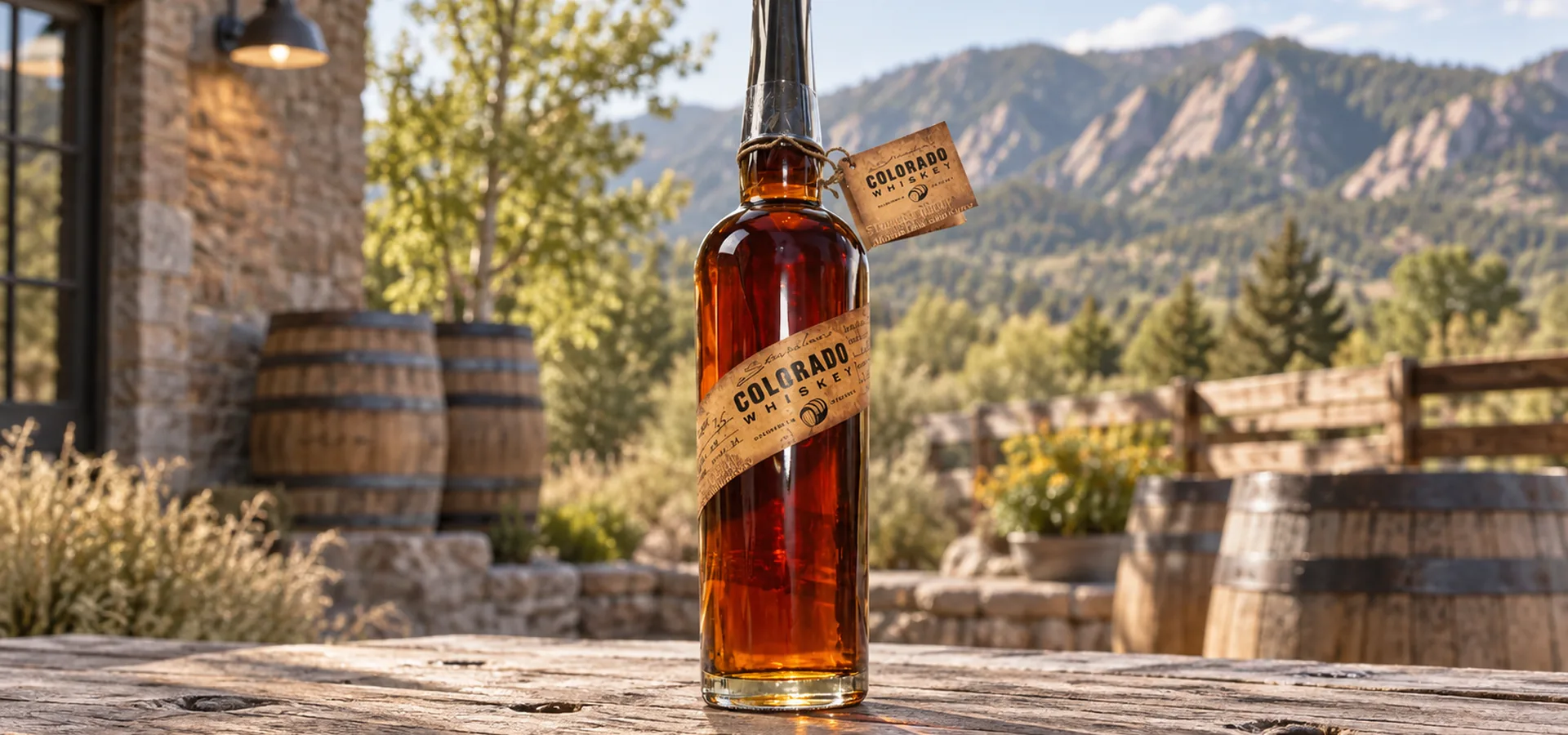
What is American single malt whisky, and what does it guarantee?
-
 Spirits
02
How is Australian whisky defined, and by which law?
-
 Spirits
03
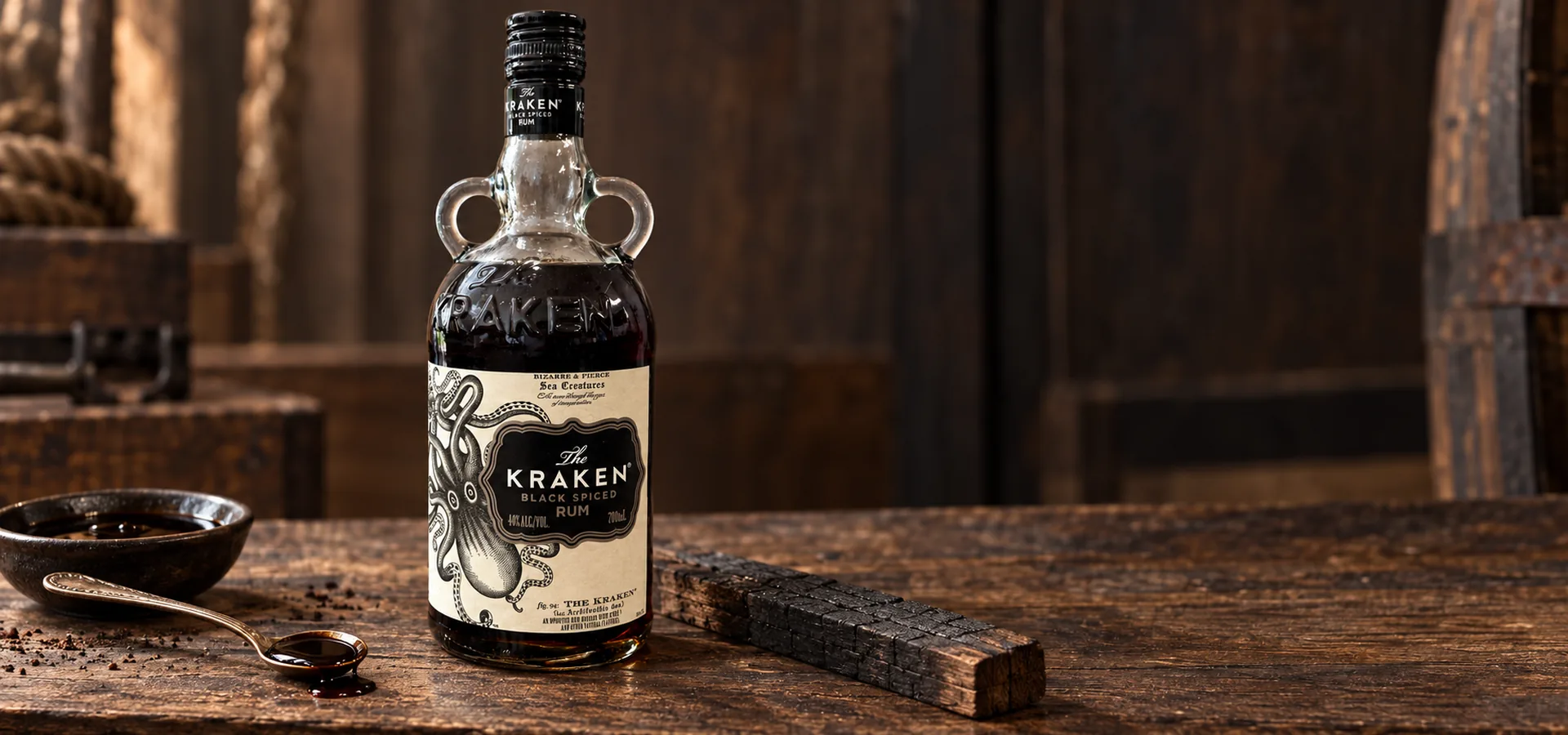
What is black rum, and does the colour mean anything?
-
 Spirits
04
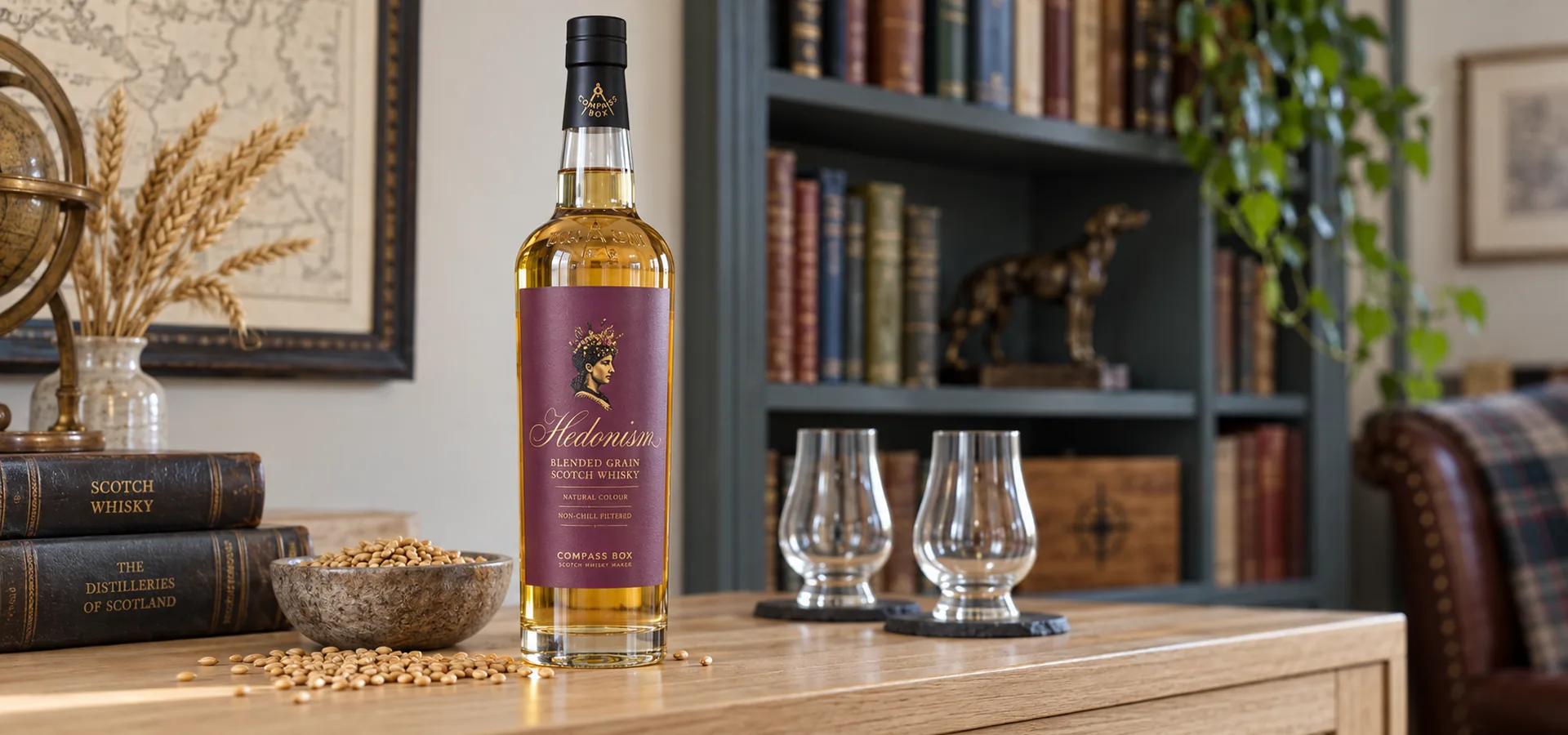
Blended grain Scotch: is the grain the cheap part of a blend?
-
 Spirits
05
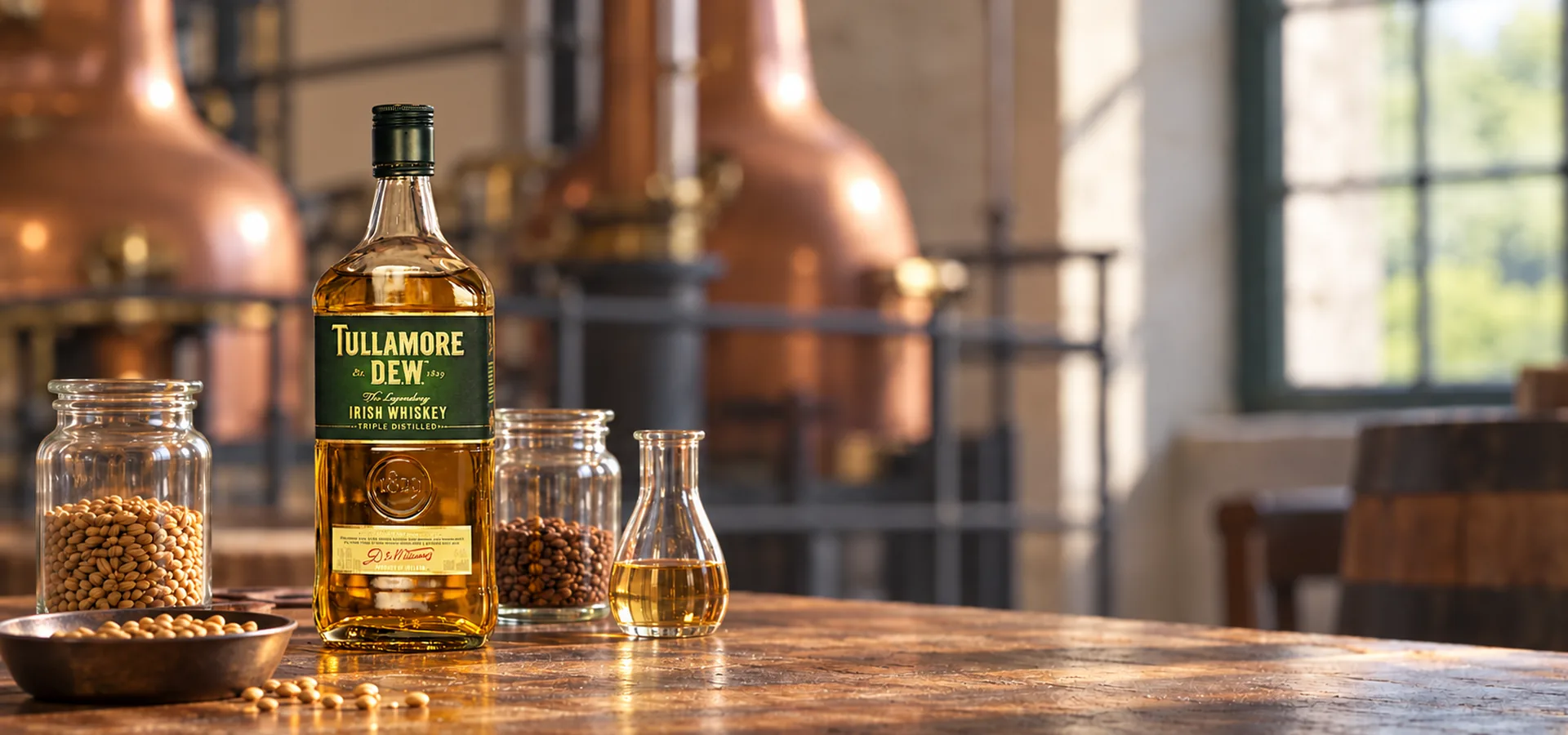
Blended Irish whiskey: which word counts the distilleries?
-
 Spirits
06
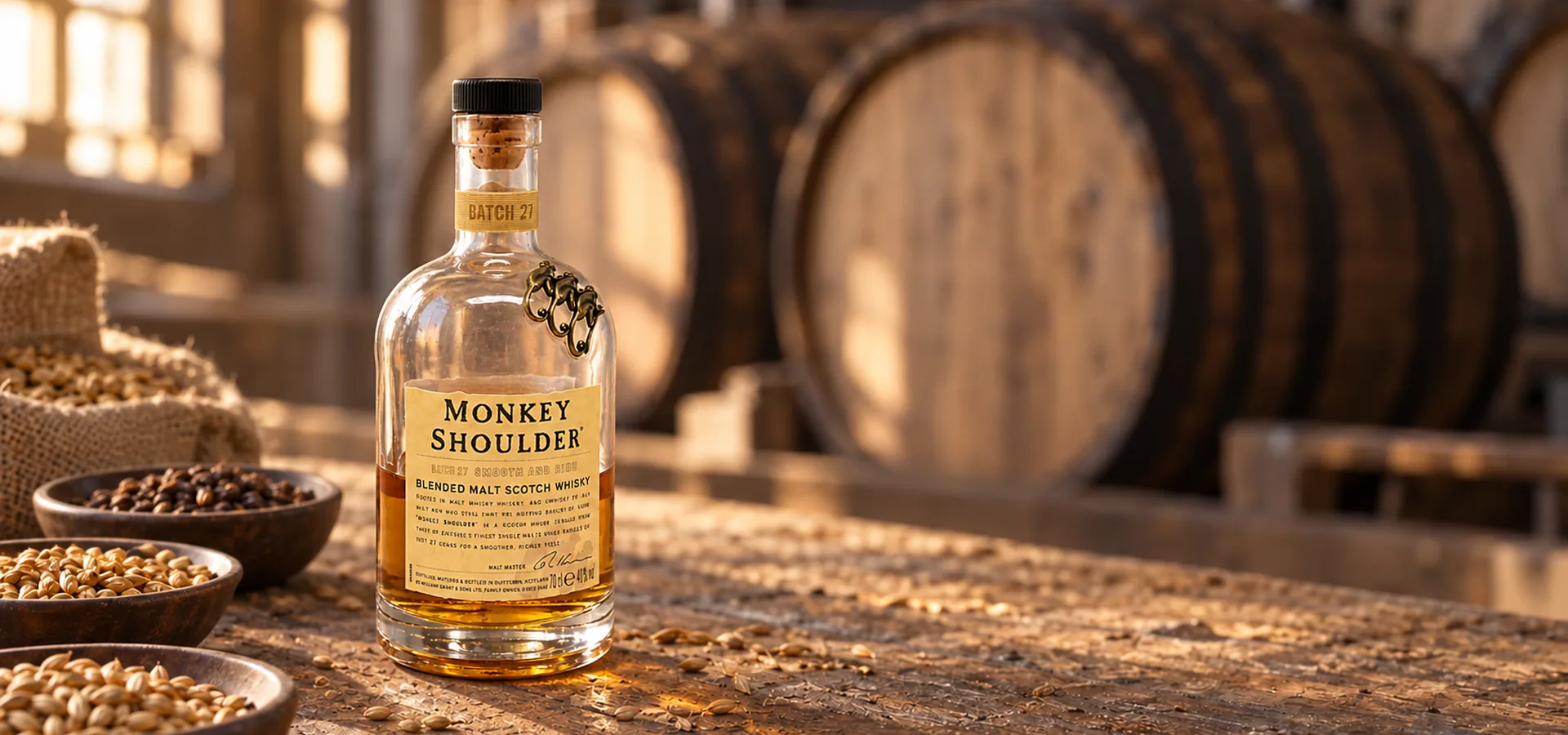
Blended malt Scotch: what is in it, and when was it blended?
All tasting guides
1 page
Why tasting is a method rather than a talent
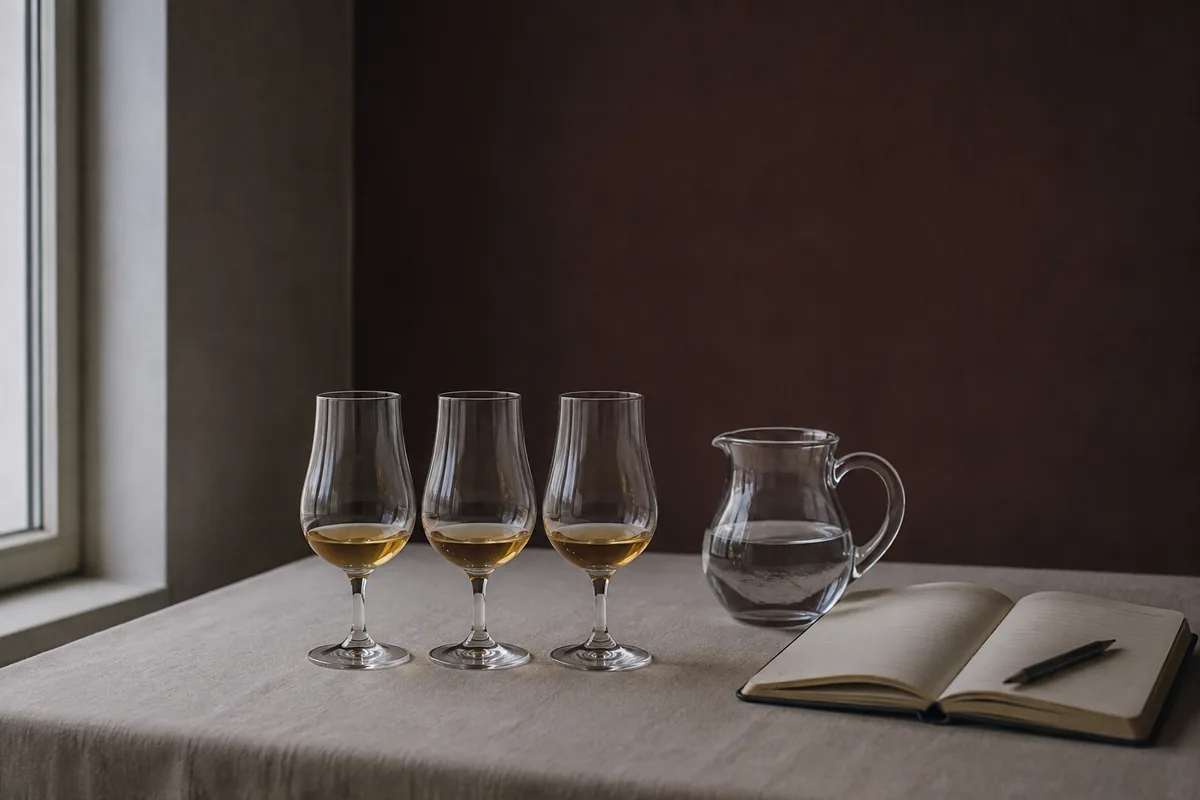
Most of what separates a useful tasting note from a vague one is procedure, not a gift. The order exists to hold everything except the drink steady, so that two glasses can be compared at all.
Three things move if you let them: the strength, the glass and the room. Water cannot be taken back out once it goes in, a glass carrying a smell of its own puts that smell in every note, and the first opinion spoken aloud is the one a group converges on.
What the glass actually does
Exactly one international standard describes a tasting glass, and it was written for wine rather than for spirits, specifying a cup whose opening is narrower than its widest part in order to concentrate the aroma.
The same standard's recommendations name three ordinary mistakes: most commercial detergents are perfumed, a drying towel carries the odour of the washing product into a clean glass, and a hand on the bowl warms the drink. The full method sets out where each of those comes from.
Why strength changes what you can smell
A strong drink does not smell like a concentrated version of a weaker one. In simulations of water and ethanol mixtures, an aroma compound sat where it could leave the liquid up to about 45 percent ethanol and was driven down into the body of the drink at 59 percent and above.
That is why adding water can open a spirit up rather than simply weakening it. A sensory panel comparing two rums found that the ones diluted with water kept profiles close to the originals, while the ones thinned without lowering the strength scored lower on nearly every attribute.
Faults are the vocabulary worth learning first
Naming what is wrong with a drink is more useful than naming what is right with it, because faults have causes you can point at and preferences do not.
Cork taint, oxidation, and the flat, cardboard note of a beer that has met light are each a specific reaction with a specific origin. Learning three of them changes how you read every drink after that.
What a tasting note cannot settle
A note records what one person found on one day in one room. It is evidence about a bottle, not a measurement of it, and two careful tasters can disagree without either being careless.
Colour is the least reliable thing in front of you. Colouring is permitted across many categories, so a shade reports a producer's decision at least as often as it reports the barrel's work.
More in Learn
How it is made, how to serve it, and how long it keeps.