
Drinks
Liqueurs: what is in them, how sweet they run, and where they belong
A liqueur is a spirit with sugar and flavour added, which means sweetness and strength both matter when you build a drink around one. Each entry gives the sugar and alcohol range, the flavour source, and the drinks that liqueur was built for.
Where to start
The guides that answer the question most people arrive with.
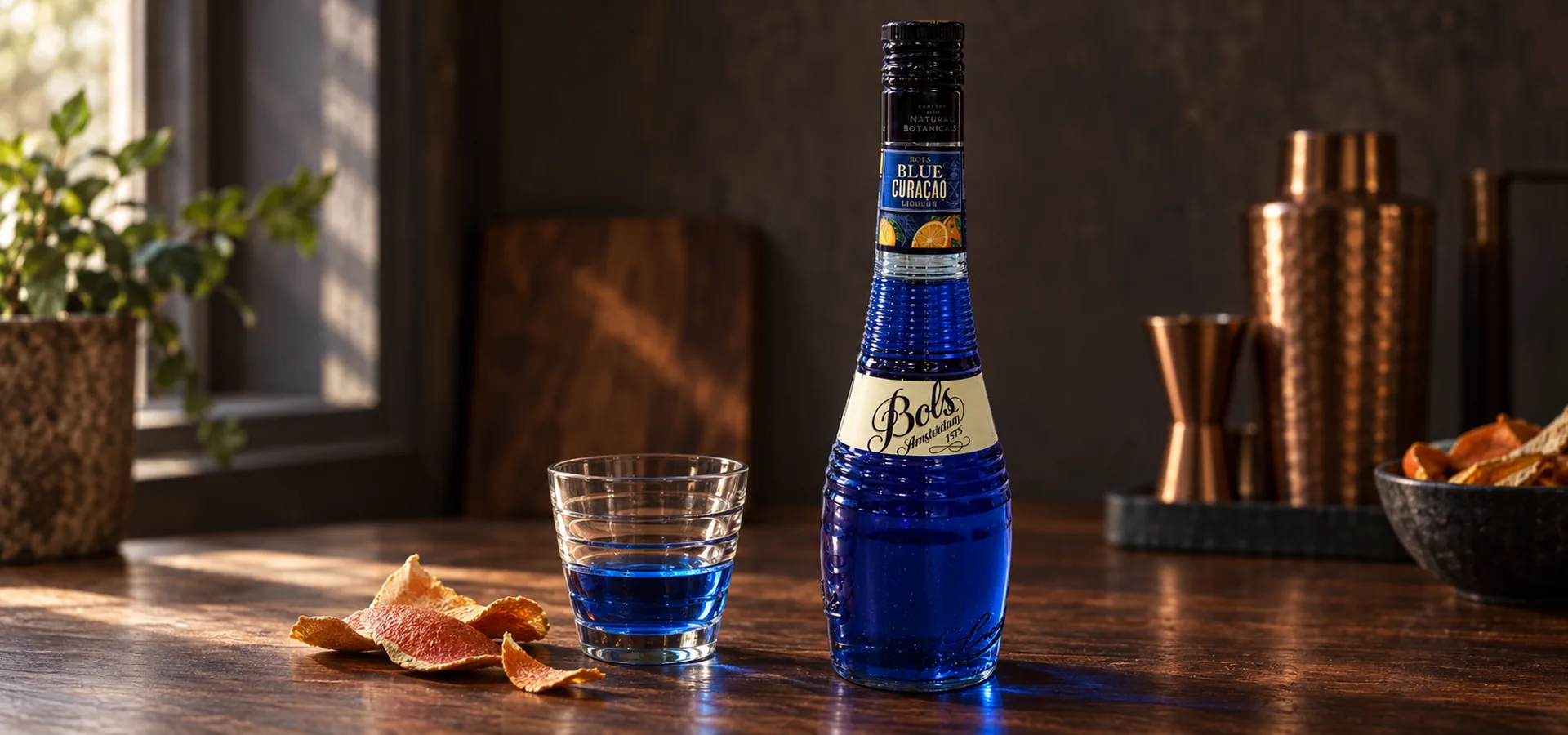
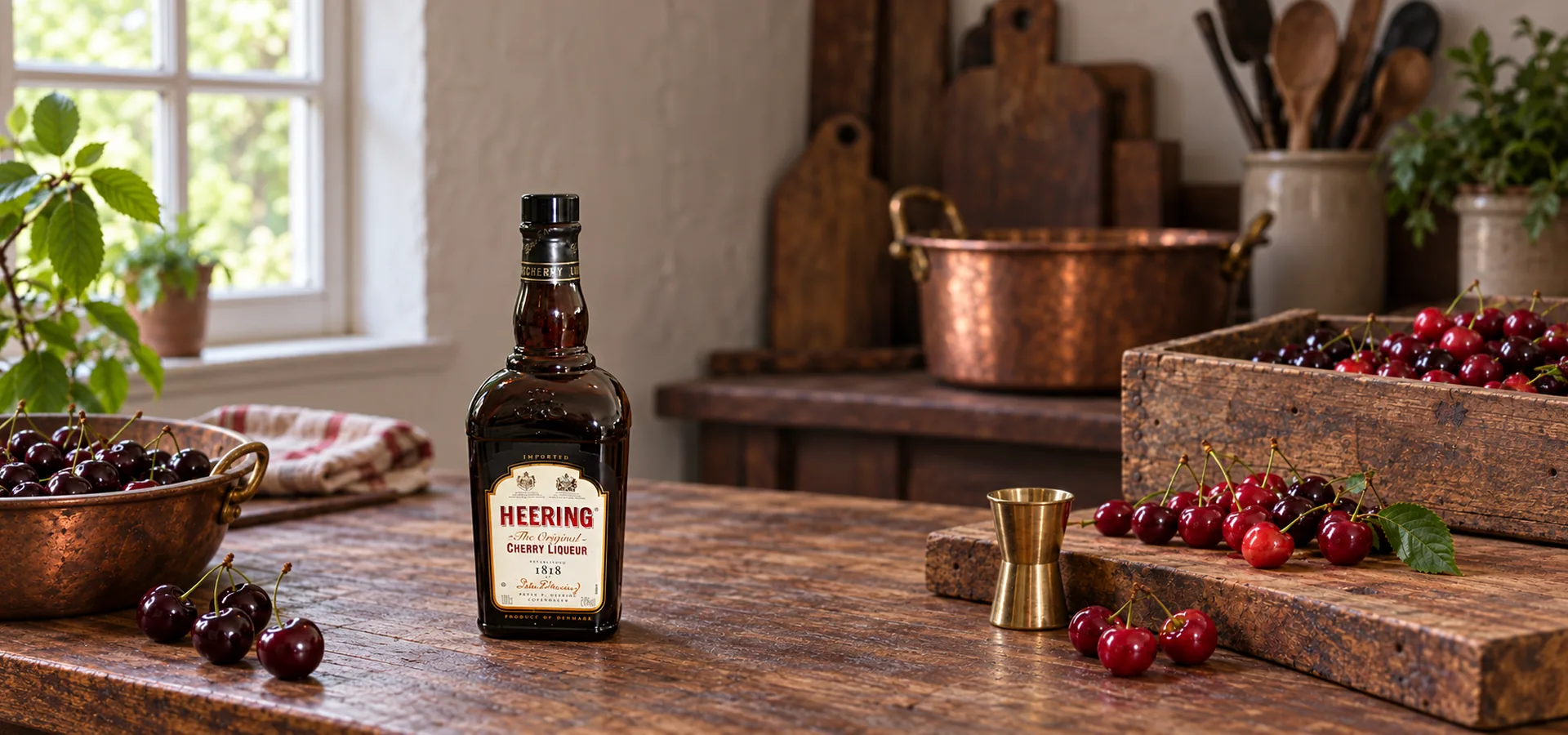
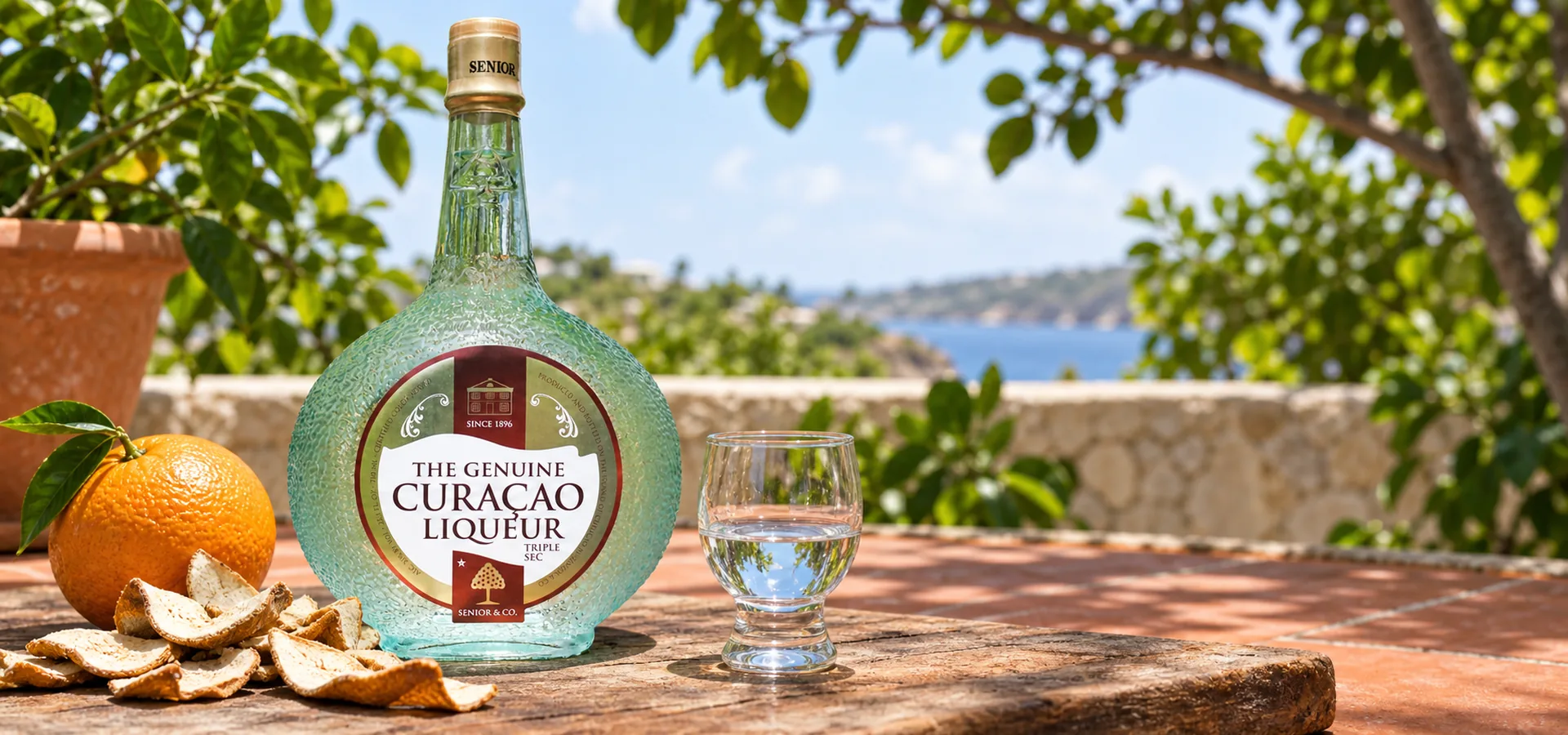
Two numbers decide how a liqueur behaves
A liqueur is a spirit with sugar and flavour added, which means it arrives at a drink carrying two variables at once: how strong it is and how sweet it is. Almost every mistake with liqueurs comes from tracking one and forgetting the other.
Sugar content is the one people miss. Two orange liqueurs at the same strength can differ by a factor of three in sugar, and swapping one for the other changes the balance of a drink far more than the strength difference suggests. A recipe built around a drier, higher strength orange liqueur will taste flabby if you pour a sweeter one into it at the same measure, and the fix is to cut the sweetener elsewhere in the build rather than to reduce the liqueur.
Flavour source matters more than flavour name
Liqueurs get their character from maceration, distillation of botanicals, infusion, or added extract, and those routes do not taste the same. A macerated fruit liqueur keeps weight and colour; a distilled one is lighter and cleaner and usually paler. Where the production route is known, the profile says which one it is, because it predicts how the liqueur will behave when you dilute it.
More in Drinks
How it is made, how to serve it, and how long it keeps.