
Liqueurs
Blue Curaçao: What Does the Name Actually Tell You?
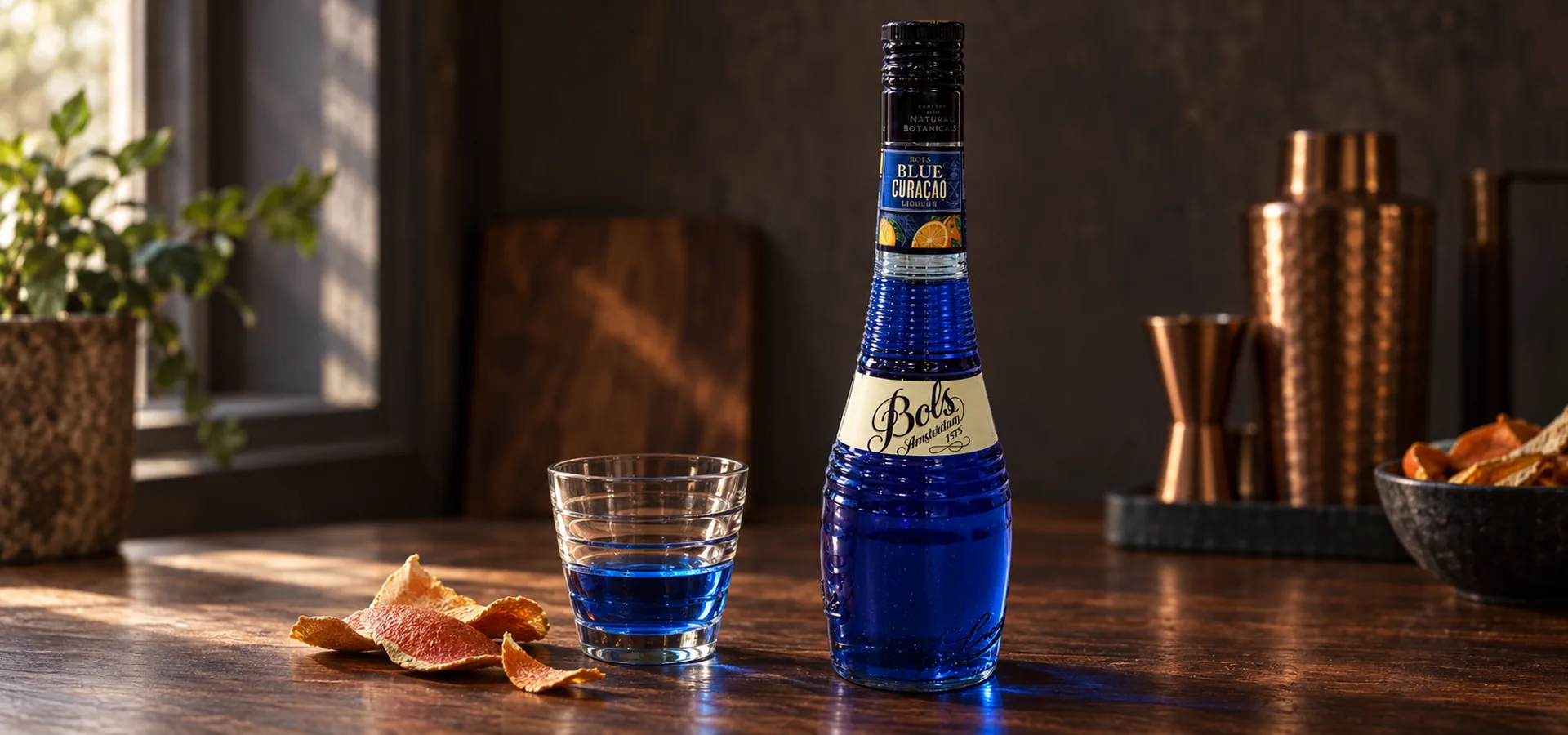
Blue curaçao is a sweetened orange-flavoured liqueur with added blue colour. The colour is the least useful clue to strength or quality, so read the ABV, ingredients, origin, and producer description before choosing or substituting a bottle.
At a glance
- Legal category
- TTB lists curaçao as an orange-flavoured liqueur or cordial in the United States. European Union category 33 applies the general liqueur rules, including a 15% minimum ABV and generally at least 100 g/L of sweetening.
- Typical strength
- 21 to 31 percent ABV
What is blue curaçao, and what does the name guarantee?
An orange-flavoured liqueur with added blue colouring is sold as blue curaçao.
Its flavour comes from citrus materials and other botanicals, while the blue is a separate finishing choice.
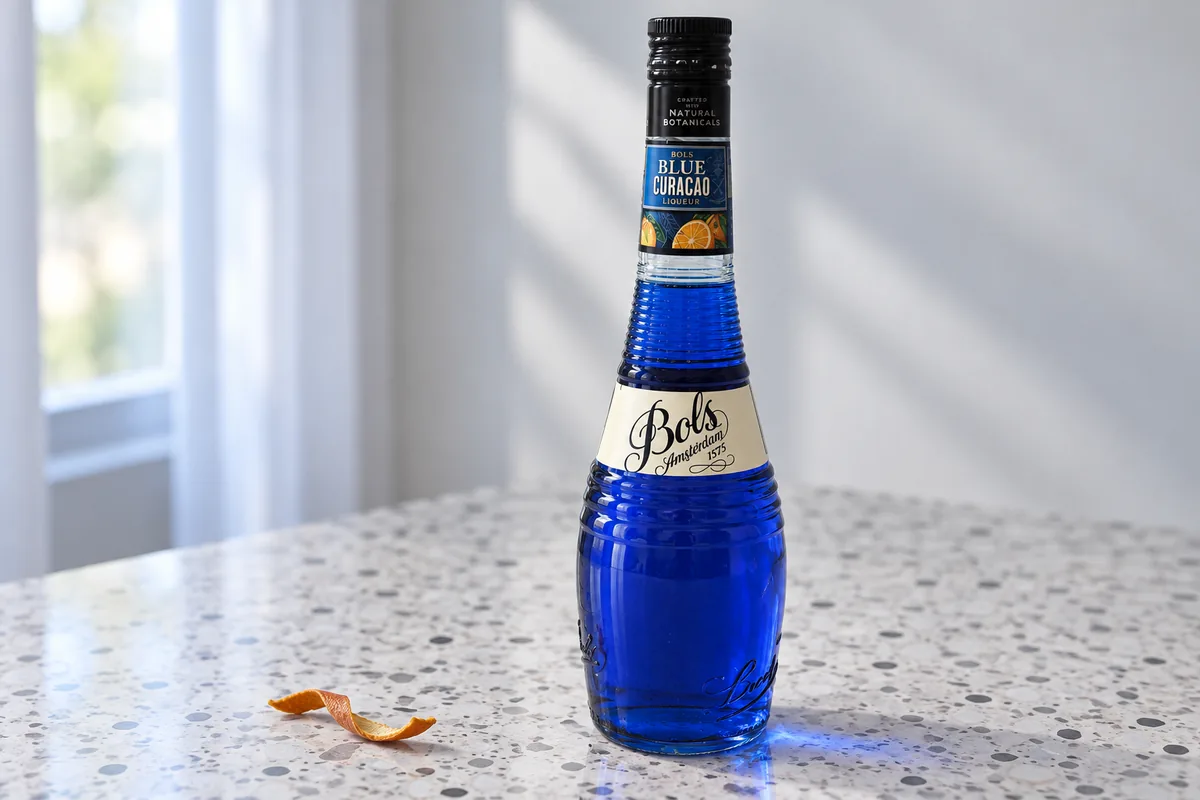
That definition is narrower than many labels and cocktail menus make it seem. The word blue describes appearance, and curaçao identifies an orange-liqueur type without promising one producer, one island origin, one orange variety, one base spirit, or one strength.
- Category
- Orange-flavoured liqueur
- Colour
- Added blue colouring
- Check on the bottle
- ABV, ingredients, origin, sweetening, colourant
United States and European rules reach the category from different directions. The US Alcohol and Tobacco Tax and Trade Bureau, or TTB, lists curaçao as an orange-flavoured liqueur or cordial and defines the larger liqueur class through distilled spirits, flavouring materials, and at least 2.5% sugar by weight.
European Union category 33 defines liqueur as a sweetened spirit drink built from agricultural alcohol, distillate, spirit drink, or a combination with flavouring or food materials. It generally requires at least 100 grams of sweetening per litre and at least 15% ABV, but those are category floors rather than a blue curaçao recipe.
The most reliable first reading is therefore simple. Expect orange flavour, sweetness, alcohol, and blue colour, then treat the actual label as the authority for ingredients, origin, ABV, allergens, and any more specific production claim.
Why is blue curaçao blue if it tastes like orange?
The finished orange liqueur starts clear or pale before a producer adds the colour used for the blue version.
Senior describes certified colouring as the step that turns its clear curaçao base into coloured products, while other producers disclose their own colour systems on the bottle.
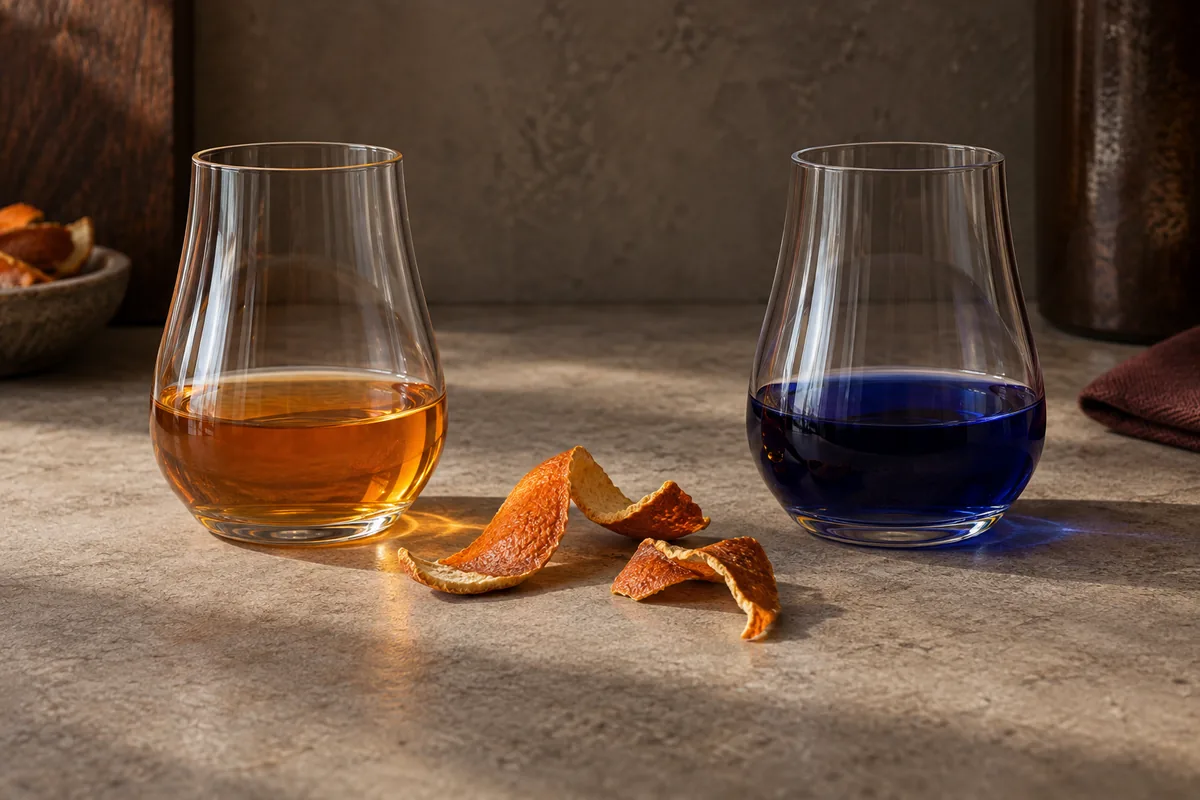
The colour does not create a blue-fruit flavour. A bottle may smell of fresh zest, bitter peel, candied orange, mandarin, floral botanicals, or spice, and none of those details can be read from how dark or luminous the liquid looks.
Blue also behaves like colour when it meets another ingredient. Pale or clear liquids preserve it most clearly, yellow and green ingredients can shift it toward turquoise or green, and red or brown ingredients can produce violet or muddier tones.
This makes blue curaçao useful when appearance is part of a measured drink, but it also makes visual guessing unreliable. A bright glass can contain a modest amount of liqueur plus several other alcoholic ingredients, while an equally blue glass may use an alcohol-free syrup.
Colour intensity cannot tell you ABV, sugar concentration, orange source, or product quality. Check the ingredient statement if a particular colourant matters for dietary, allergy, or personal reasons.
Does blue curaçao have to come from Curaçao?
The island of Curaçao gives the liqueur its historical centre, and its tourism authority connects the tradition with dried peel from the bitter laraha orange.
Laraha peel matters to the island-made Curaçao tradition, but the wider market contains blue curaçao made elsewhere from other orange materials.
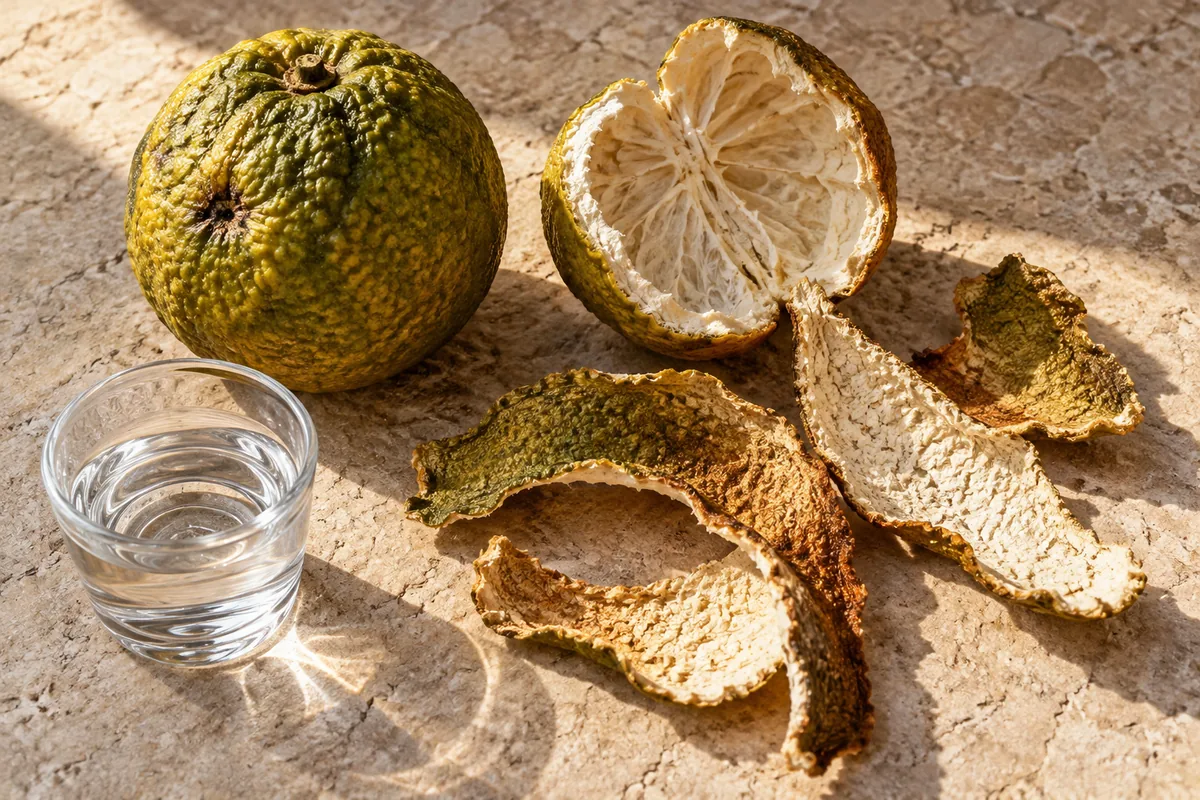
The useful part of the laraha story is the peel. The fruit is described as bitter and fibrous, but drying the peel preserves an aromatic citrus material that can be infused or distilled into alcohol.
Senior states that its blue curaçao is produced and bottled on Curaçao with laraha peel, and it lists the finished liqueur at 31% ABV. Those are verifiable facts about that producer's bottle rather than proof that every product using the category name follows the same route.
Giffard provides a clear counterexample to a universal island-origin claim. Its producer page lists its 25% blue curaçao as a French product made from bitter and sweet oranges.
Origin check. If island origin or laraha peel matters to you, look for a specific producer statement rather than assuming the category name proves it.
Origin, fruit material, and production place can each matter, but they answer different questions. A bottle made on Curaçao may make a documented island claim, a bottle made elsewhere can still be sold as blue curaçao in its market, and the label should state enough for you to tell which one you have.
How do producers make blue curaçao?
A producer first has to capture orange aroma in alcohol.
A producer may macerate or infuse peel, redistill alcohol with botanicals, blend prepared flavouring, or combine those methods before adding water, sugar, and colour.
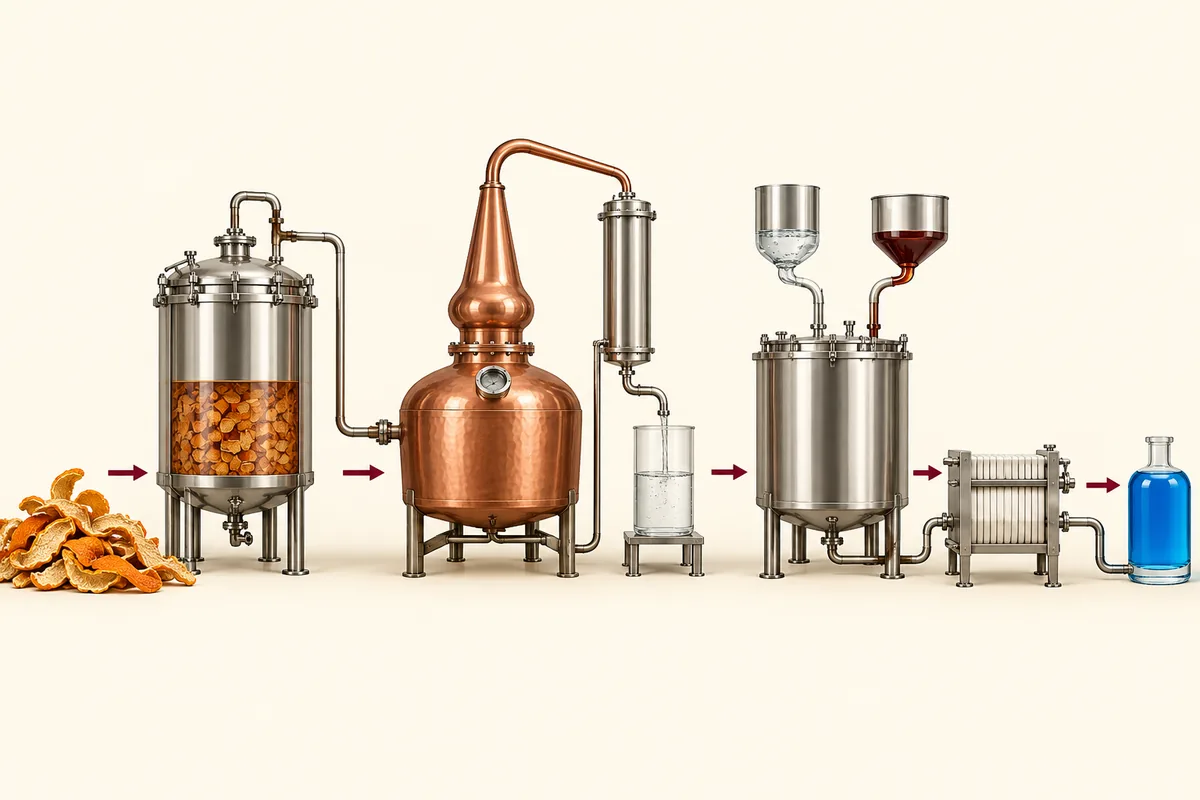
TTB's liqueur description makes room for several commercial routes. It includes mixing or redistilling spirits with fruit, flowers, plants, juice, natural flavouring materials, or extracts produced through infusion, percolation, or maceration.
- Build orange aroma. Peel, distillate, infusion, extract, or a combination supplies the citrus core.
- Set sweetness and strength. Alcohol, water, and sugar determine ABV, body, heat, and the way aroma is released.
- Add and stabilize colour. The producer adds the chosen colour, filters as needed, and protects the finished liquid through packaging.
Senior publishes a more specific sequence for its own liqueur. It dries laraha peel, combines the peel with spices in a professional distillation process, then adds water and sugar, filters the liquid, and adds certified colour for the blue version.
That account explains one real method, but it should not be copied across the category. A product built mainly from a peel distillate can show a different kind of aroma and bitterness from one assembled with prepared flavouring, even when both liquids share a similar hue.
Sugar and proofing water also change texture and sensory balance. More sugar can broaden the middle of the palate and soften bitter peel, while a different alcoholic strength changes warmth, aroma lift, and the amount of ethanol added by a measured pour.
Commercial distillation uses controlled equipment, ventilation, fire protection, and legal authorization. A category explanation does not make uncontrolled home distillation lawful or safe.
How strong and sweet is blue curaçao?
Bottle strength is not fixed across blue curaçao. European Union liqueur rules provide a 15% ABV floor for products sold under that regulated category, while the US liqueur definition focuses on composition and does not turn the word curaçao into one proof.
- Bols
- 21% ABV
- Giffard
- 25% ABV
- Senior
- 31% ABV
Current producer pages show why one remembered number is inadequate: Bols 21% ABV, Giffard 25% ABV, and Senior 31% ABV. These are three documented examples, not the bottom and top of every blue curaçao sold worldwide.
Sweetness varies too. European category 33 generally requires at least 100 grams of sweetening per litre for liqueur, and TTB's broader US liqueur or cordial class requires at least 2.5% sugar by weight, but neither threshold tells you how far above the floor a particular bottle sits.
The combination of ABV and sugar changes use. A lower-proof, sweeter bottle can add more body for the same alcohol contribution, while a higher-proof bottle can make orange aroma and alcoholic warmth more prominent at an equal measure.
For a concrete comparison, 30 millilitres of a 21% bottle contains 6.3 millilitres of pure ethanol. The same 30 millilitres from a 31% bottle contains 9.3 millilitres, before any base spirit, wine, or other liqueur in the drink is counted.
NIAAA defines one US standard drink as about 14 grams, or 0.6 US fluid ounces, of pure alcohol and illustrates that roughly 2 to 3 fluid ounces of liqueur around 24% ABV can contain that amount. Customary pours and mixed drinks do not automatically equal one standard drink, and a calculation cannot tell you whether you are unimpaired or able to drive.
Measure the liqueur and use the printed ABV. The blue colour remains visible after dilution, so appearance can make a lightly coloured pour look more substantial or a strong multi-ingredient drink look deceptively simple.
What does blue curaçao taste like?
Orange peel is the shared direction, usually combining sweet citrus with some bitter-peel structure. Beyond that centre, the balance can move toward fresh zest, candied orange, mandarin, floral notes, warm spice, neutral sweetness, or a firmer alcoholic finish.
Giffard describes its 25% product through bitter and sweet oranges, candied orange, floral aroma, and a round citrus-led palate. Bols describes its 21% expression through fresh, tangy orange, a hint of mandarin, and a botanical infusion.
Those descriptions show real variation, but they support only the bottles named. Without retained tasting evidence, it would be false to turn them into a score, ranking, or universal claim that all blue curaçao tastes the same.
If you are evaluating a bottle, pour a small measured sample into a clean glass and smell before chilling or mixing.
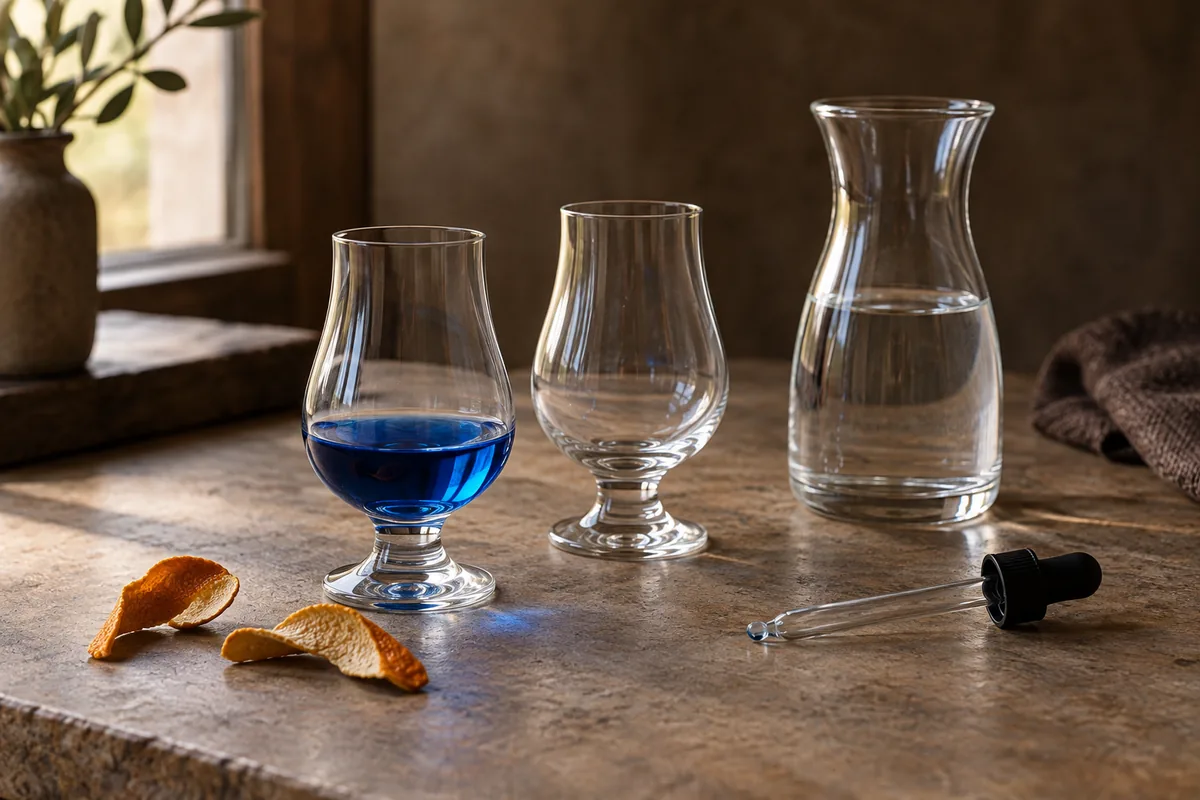
- Smell before chilling. Look for recognizable peel aroma before cold suppresses the quieter details.
- Compare sweet and bitter peel. Note whether sugar supports the orange or covers its sharper edge.
- Add water sparingly. A few drops can expose aroma and reduce the distraction of alcohol without turning the sample into a mixed drink.
- Judge the finish for your use. Decide whether it stays citrus-led or becomes mostly sugary, hot, or flat.
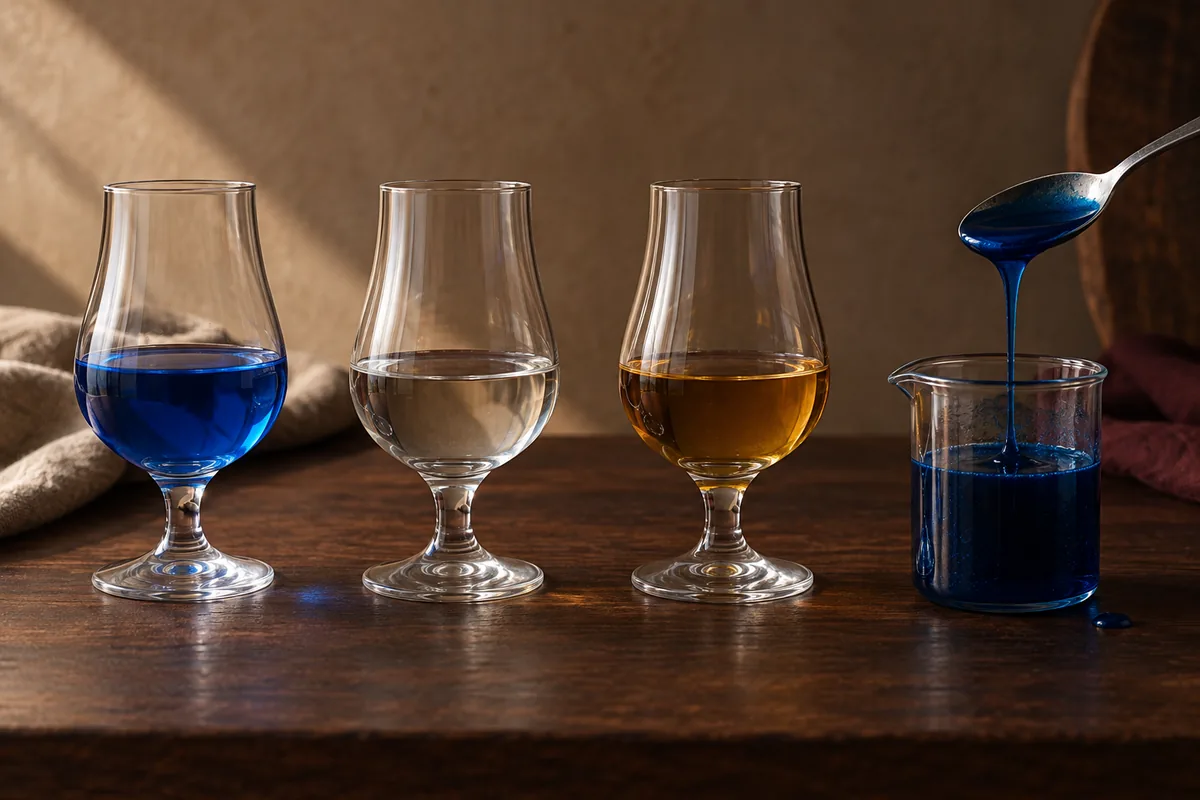
Unexpected solvent-like harshness, a stale flat aroma, or sweetness that erases the orange may make the bottle unsuitable for your intended use. This is a functional decision rather than a universal defect standard because formulas differ, and the producer's ingredient and sensory description remains useful when a bottle is new to you.
How does blue curaçao compare with its closest alternatives?
The closest alternatives to blue curaçao can all carry orange flavour, but they do not promise the same alcohol, sweetness, base spirit, or colour.
TTB even lists both curaçao and triple sec as orange-flavoured liqueur or cordial types, which shows why the names alone cannot settle every recipe difference.
| Product | What it generally contributes | What to verify |
|---|---|---|
| Blue curaçao | Orange flavour, sweetness, alcohol, and strong blue colour | ABV, origin, orange source, colourant, sweetness |
| Triple sec | Orange flavour and alcohol, usually with little or no added visual colour | ABV, sweetness, intensity, production method |
| Dry curaçao | Orange flavour that may be deeper, spicier, drier, or influenced by a darker spirit base | Base spirit, sugar, ABV, colour, producer style |
| Blue curaçao syrup | Blue colour, orange-style flavour, sugar, and water without liqueur alcohol | Ingredient list, sweetness, colourant, dilution effect |
Triple sec is often the nearest functional alcoholic substitute because it can provide orange aroma, sweetness, and alcohol. It will not preserve the blue colour, and its sugar level or intensity may differ enough to require a smaller first measure and a separate adjustment to sweetness.
Dry curaçao needs an even more careful bottle check. Some examples use a darker or characterful spirit base and present deeper peel or spice, so replacing blue curaçao with one can change aroma, colour, body, and finish together.
Blue curaçao syrup belongs to a different practical category. Monin's current syrup page lists cane sugar, water, natural flavours, citric acid, stevia sweetener, and FD&C Blue 1, with no alcoholic ingredient, and identifies the product as a syrup.
A syrup swap removes the liqueur's alcohol and may add more sugar and water. If a measured recipe calls for the liqueur, decide separately how to replace orange flavour, blue colour, sweetness, alcohol, and volume rather than assuming one equal pour preserves the result.
Brand formulas overlap enough to defeat easy slogans such as triple sec is always dry or curaçao is always rich. The actual label and producer specification outrank a tidy naming rule.
What changes when you use blue curaçao?
One measured pour contributes orange flavour, sweetness, alcohol, and colour at the same time. Treating blue curaçao as food colouring ignores three of the four variables that determine how a drink tastes and how much alcohol it contains.
Begin with a measured specification rather than a free pour. If the result is too sweet, reducing the liqueur also reduces orange aroma, alcohol, and colour, so a better correction may combine a smaller reduction with more acid, a drier orange component, or a change in the other sweet ingredients.
If the orange note feels thin, adding more blue curaçao may make the drink sweeter and darker before it becomes more aromatic. A more intense orange liqueur or fresh peel aroma can solve a different problem, but each change should be assessed against the complete measured drink.
A clear base preserves the blue most directly, while yellow mixers can shift it toward green and milk or cream can mute it toward grey.
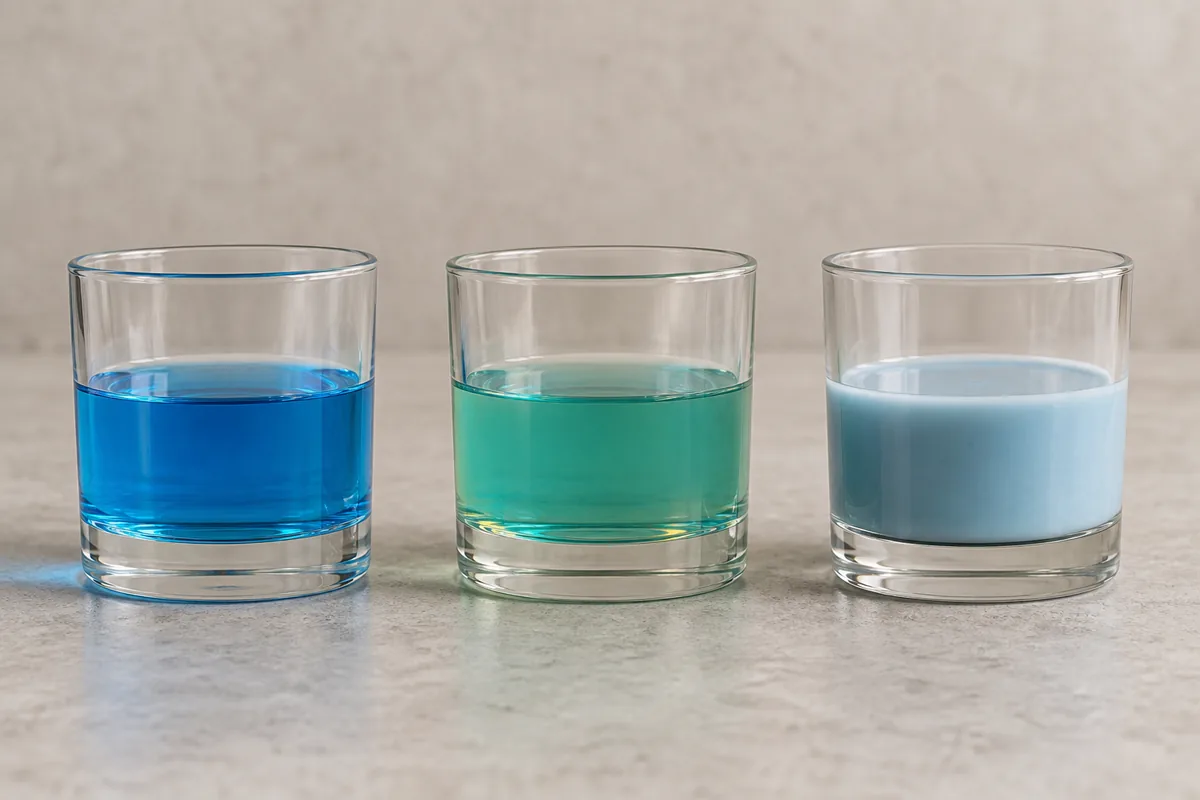
That colour change is ordinary mixing and does not by itself show that the liqueur has spoiled.
- Acid and bubbles. Lemon, lime, dry sparkling water, or a dry sparkling wine can sharpen orange aroma and keep a sweet finish from feeling heavy.
- Bitter and herbal notes. Unsweetened tea, coffee, cocoa, gentler herbs, and restrained spice can give candied orange a drier frame.
- Fruit and coconut. Pineapple, passion fruit, lime, coconut, and vanilla can extend tropical or confectionery aromas, although sweet ingredients need deliberate restraint.
- Salt and fat. Fresh cheese, salted nuts, and coconut desserts can soften bitter peel and alcoholic warmth while keeping orange recognizable.
Food pairing should follow the bottle's flavour rather than its colour. A fresh, tangy style can work beside citrus desserts, lightly salted cheese, or grilled fruit, while a candied style may need dark chocolate, coffee, toasted nuts, or a tart fruit element to avoid a flat sweet-on-sweet result.
Deep blue colour can stain pale icing, cream, cloth, grout, and porous work surfaces. Measure over a washable surface, wipe spills promptly, and test a small amount when the final shade matters.
A complete cocktail should supply exact ingredient measures, yield, technique, ice, glassware, dilution, garnish, and strength context. A loose instruction to add a splash gives you no reliable way to balance sweetness or count the alcohol.
How should you store and choose blue curaçao?
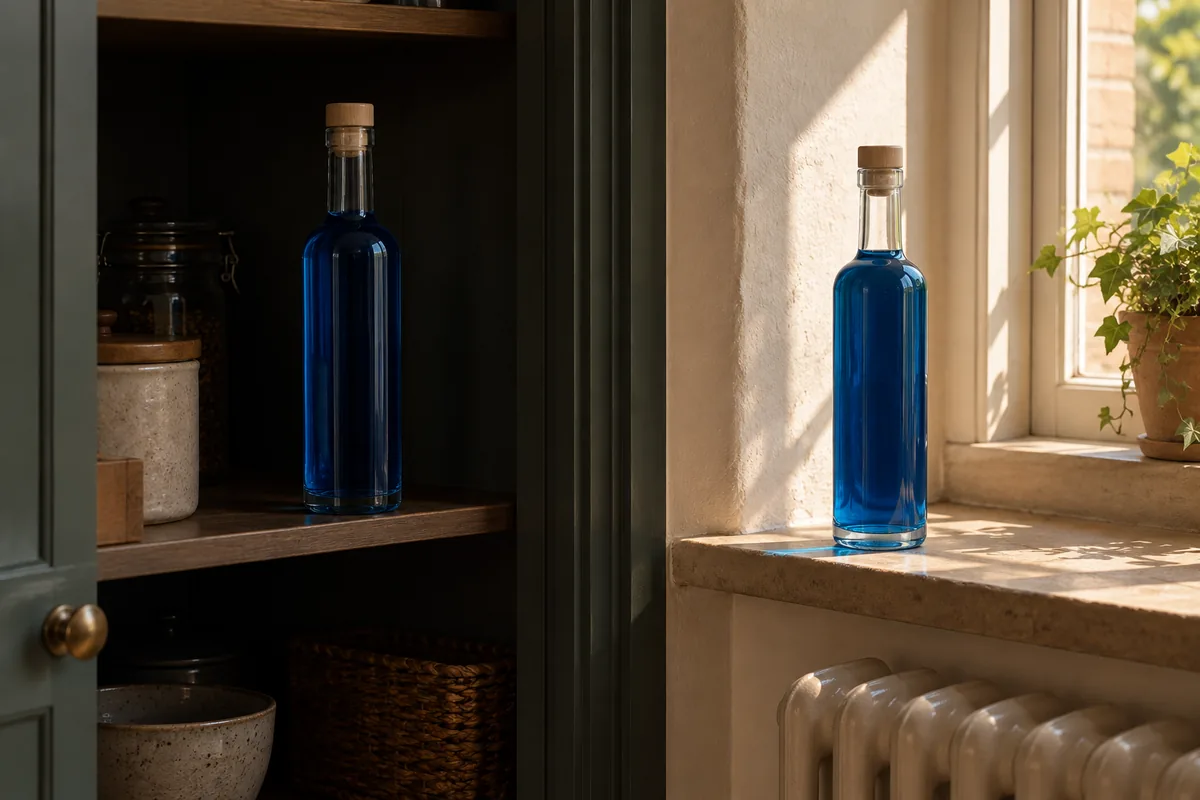
Keep blue curaçao upright, tightly closed, cool, dry, and away from direct light unless the producer gives different instructions.
Giffard publishes that guidance for its own bottle, and the same conditions reduce avoidable light, heat, evaporation, and closure exposure for many shelf-stable liqueurs.
- Follow formula-specific directions. Cream, fruit pulp, or other unusual ingredients may require storage that differs from a plain orange liqueur.
- Compare changes in context. Faded colour or flatter citrus aroma may show declining quality, so check clarity, smell, closure condition, and producer guidance together.
- Investigate abnormal pressure or odour. New gas, leakage, unexplained haze, a damaged closure, or an off smell needs attention before service.
- Read before you buy. Check ABV, origin, orange material, base-spirit information, colourant, allergens, and storage directions on the bottle.
Sediment or haze can be normal in some minimally filtered products, which is why the bottle's original condition and producer information matter. No single open-bottle expiry fits every formula because alcohol strength, sugar, fruit material, colour system, headspace, closure, light, and temperature all affect how long its intended aroma and appearance remain useful.
For a replacement or first purchase, decide what the liqueur must do. A colour-led drink may prioritize a stable blue with a clean orange profile, while a flavour-led drink may need stronger peel character and a food use may need less sweetness or a specific ingredient disclosure.
Buying rule. Choose the bottle for its job first and its exact shade second. The blue is obvious, while the differences that affect taste, alcohol, and storage usually sit in small print.
That order produces the clearest decision: confirm orange character, fit sweetness and strength to the use, verify any island or laraha claim you care about, and only then choose the shade that works with the other ingredients.
Sources
-
Regulation (EU) 2019/787
Published 17 April 2019. Accessed 12 September 2026.
-
TTB Beverage Alcohol Manual, Chapter 4
Published 1 April 2007. Accessed 13 September 2026.
-
NIAAA, What Is a Standard Drink?
Accessed 13 September 2026.
-
Bols Blue Curaçao
Accessed 12 September 2026.
-
Giffard Blue Curaçao Liqueur
Accessed 12 September 2026.
-
Monin Blue Curaçao Syrup
Accessed 12 September 2026.
More in Liqueurs
-
 Almond liqueur
01
What is almond liqueur, and does it always contain almonds?
-
 Amaretto
02
What is amaretto, and what gives it an almond-like flavour?
-
 Apple liqueur
03
What is apple liqueur, and how does it differ from apple brandy?
-
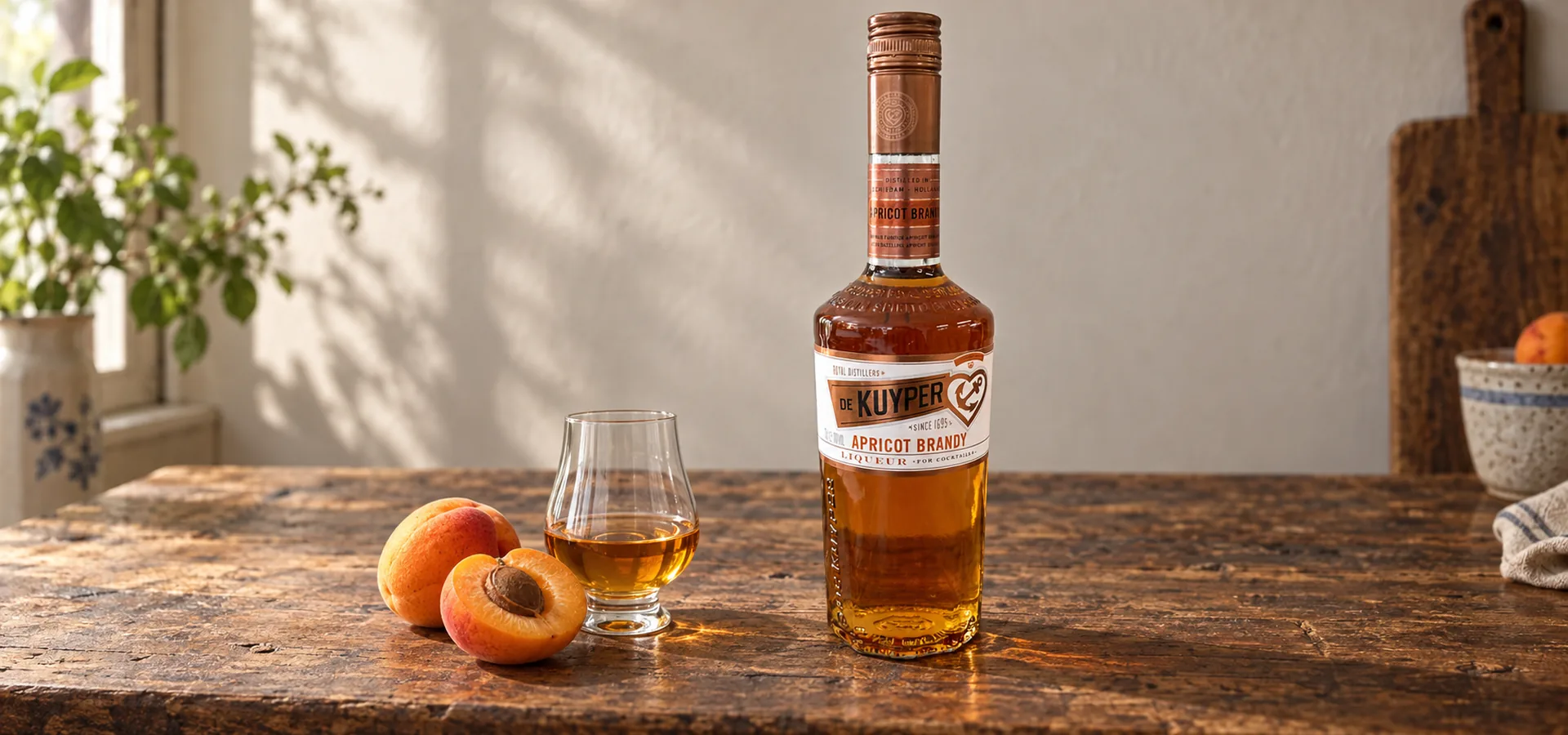 Apricot liqueur
04
What is apricot liqueur, and when does apricot brandy mean something else?
-
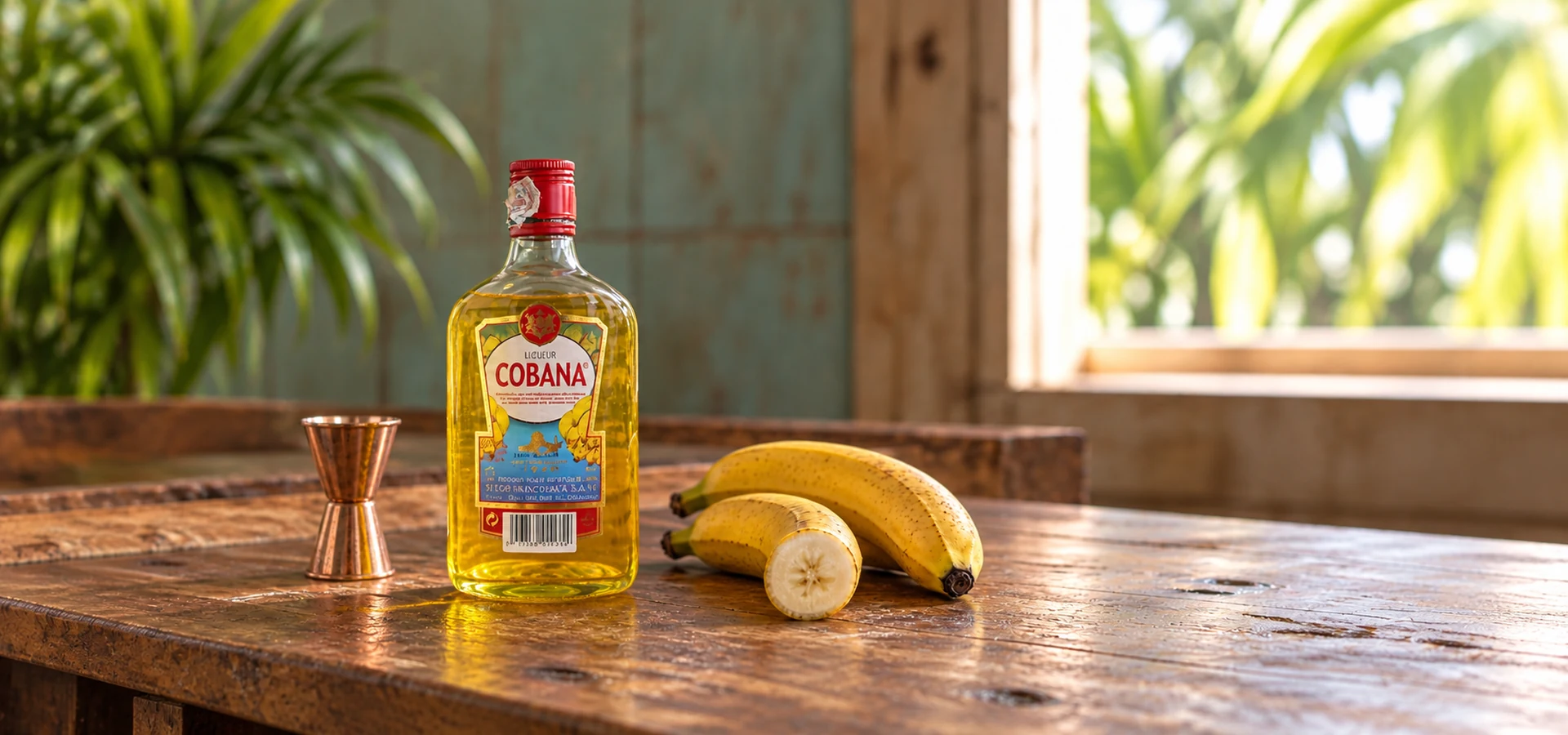 Banana liqueur
05
What is banana liqueur, and how do fresh and ripe styles differ?
-
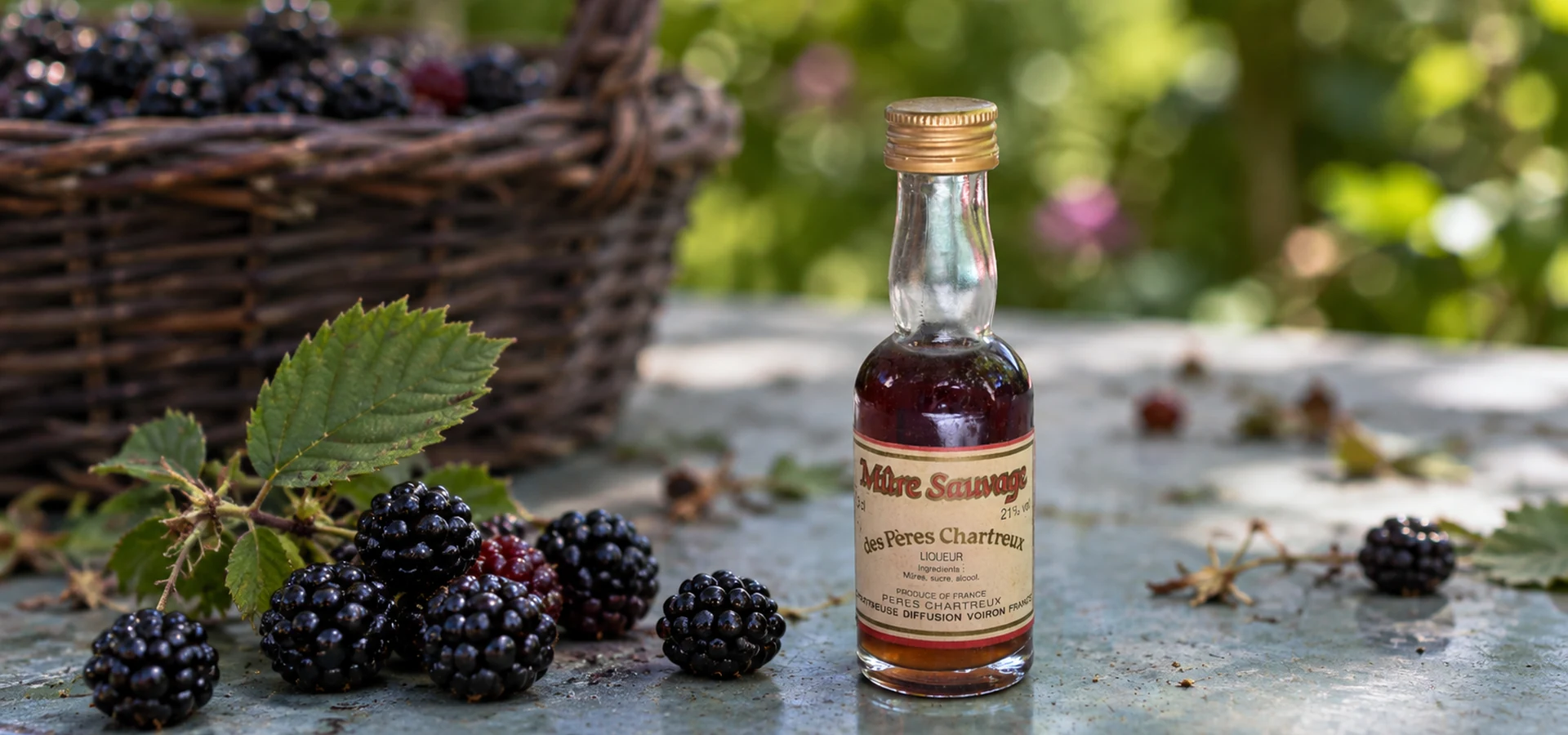 Blackberry liqueur
06
What is blackberry liqueur, and is it the same as crème de mûre?