
Liqueurs
What is apple liqueur, and how does it differ from apple brandy?
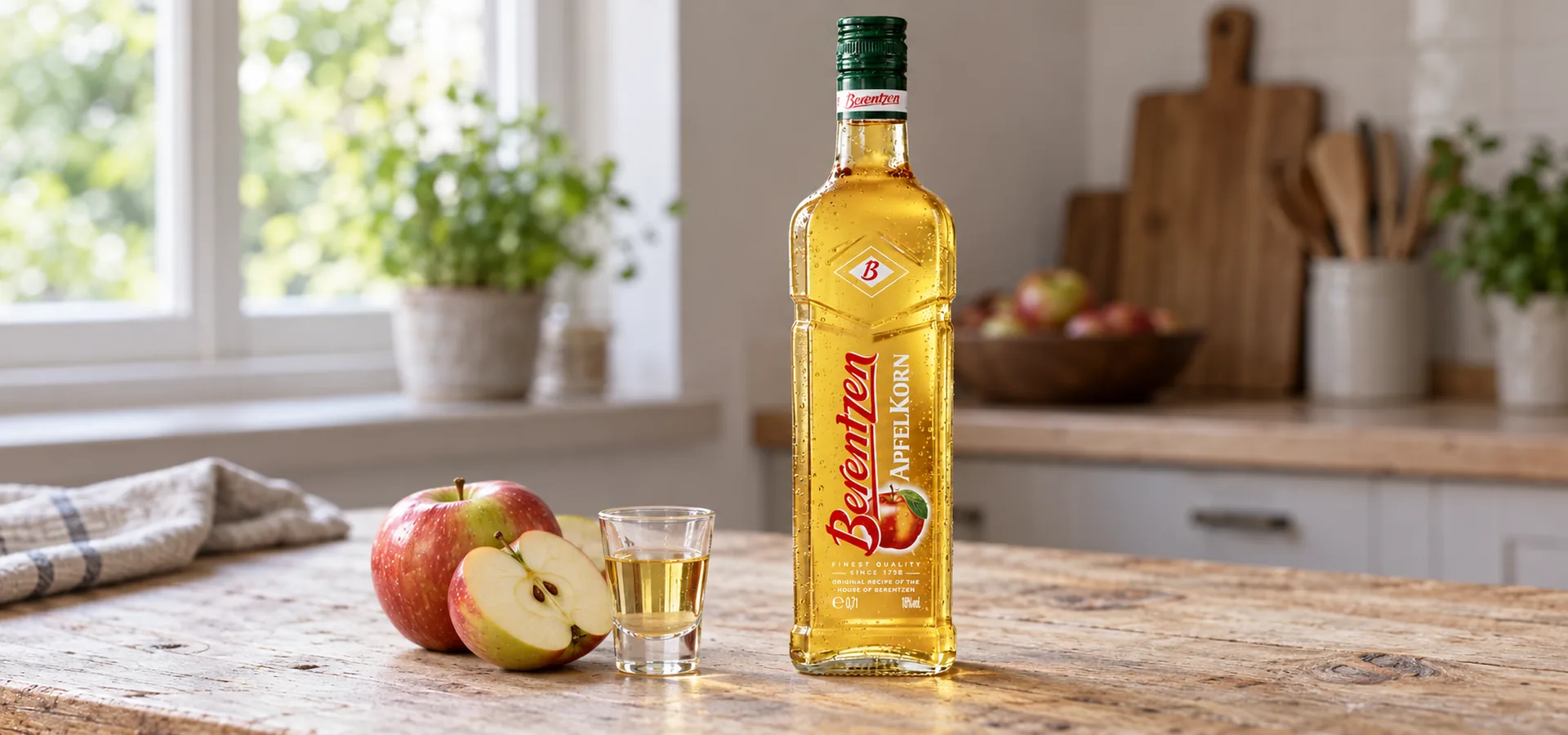
Apple liqueur is a sweetened alcoholic liqueur built around an apple flavour. It can taste crisp and green, ripe and cooked, or candy-like, so the front label alone does not tell you whether it will behave like apple juice, cider, or apple brandy.
At a glance
- Legal category
- In the European Union, a liqueur is a regulated spirit-drink category with at least 15% ABV and minimum sugar requirements. Apple names and bottle descriptions need to be read alongside the relevant market's label.
- Typical strength
- 15 to 25 percent ABV
What is apple liqueur?
Apple liqueur is a sweetened alcoholic drink whose main flavour cue is apple. It may be made with apple material, infusions, extracts, flavourings, or a blend, and its job is usually to bring concentrated fruit aroma and sweetness rather than the dry structure of an apple spirit.
The European Union's liqueur category begins at 15% ABV and includes sweetening plus flavouring materials or agricultural ingredients. That legal boundary is useful, but it does not tell you whether a particular bottle tastes tart, baked, green, spiced, or intensely sweet.
- Category floor
- 15% ABV in the EU general liqueur category.
- Producer example
- Giffard's Manzana Verde is listed at 18% ABV.
- First tasting question
- Does the bottle suggest fresh, cooked, or confectionery apple?
Apple is unusually broad as a flavour word.
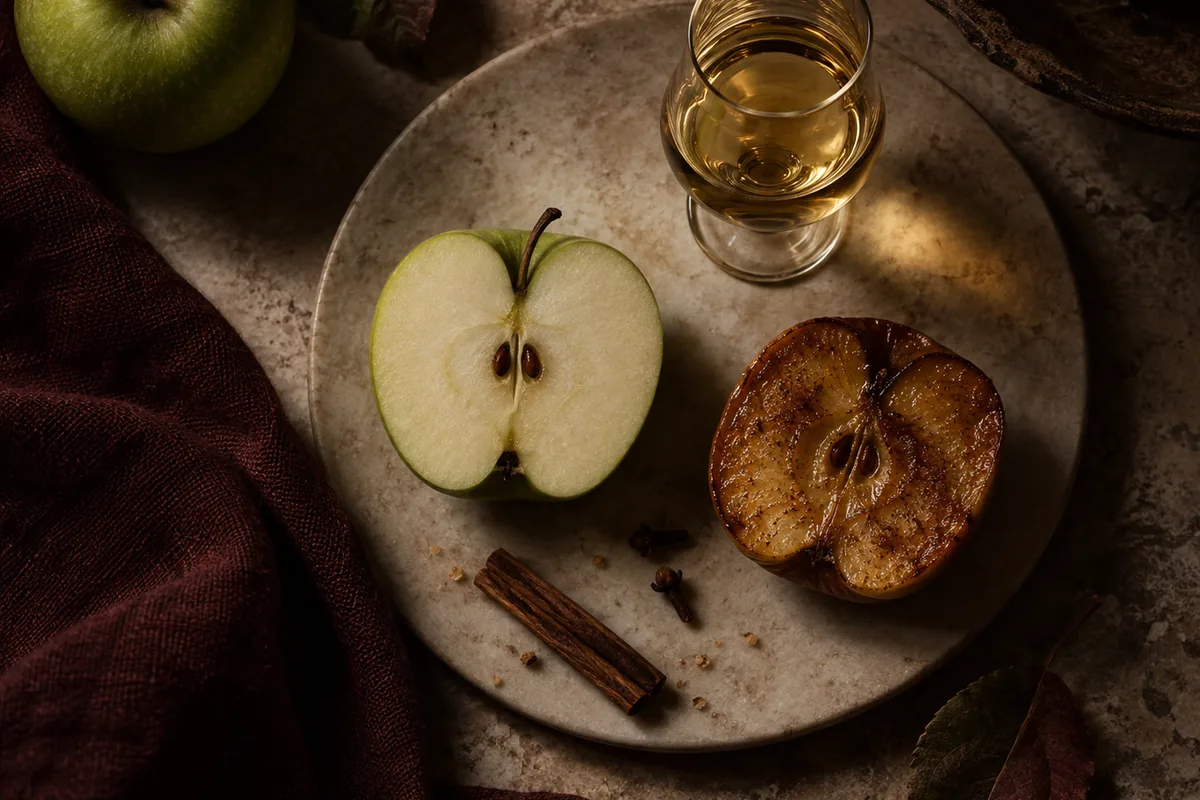
A bright green-apple liqueur can bring acidity-like freshness to the nose even when the drink itself is sweet, while a golden apple liqueur may suggest baked fruit, caramel, or warm spice.
Apple liqueur, cider, and apple brandy
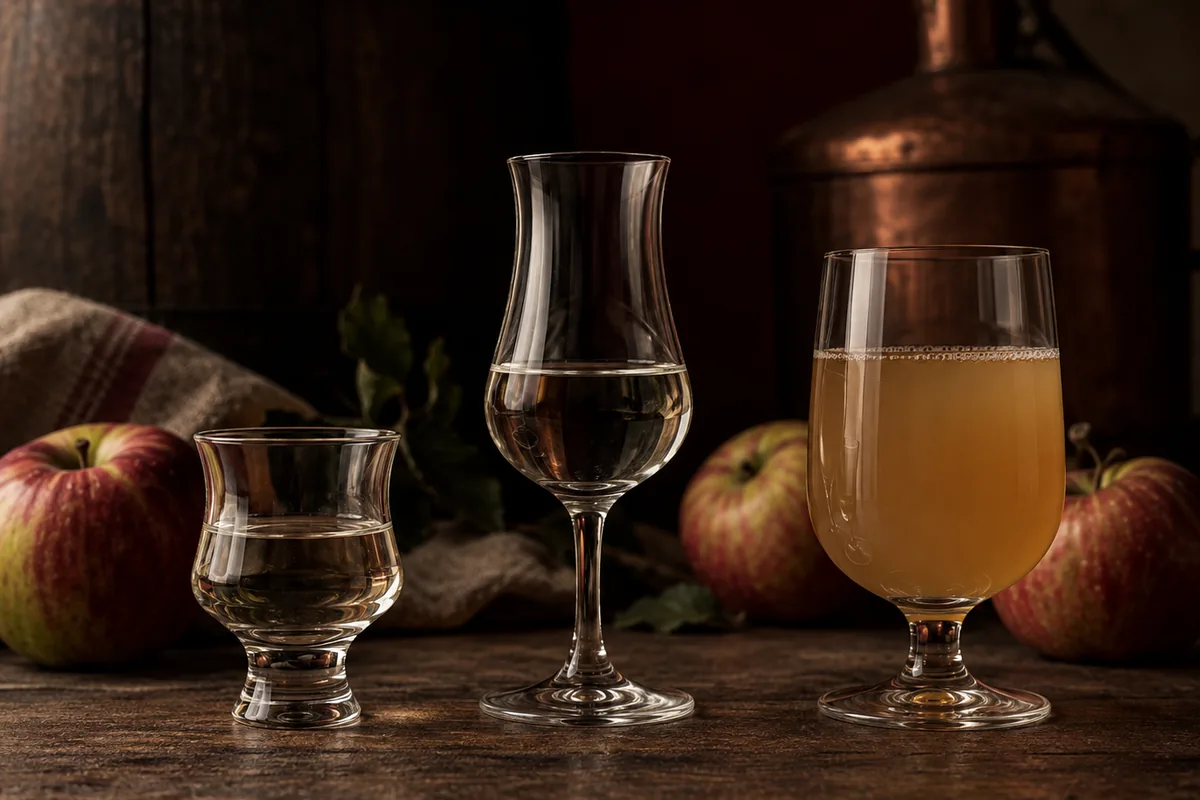
Apple cider is a fermented apple drink, while apple brandy is a distilled apple spirit with its own category and regional names. Apple liqueur is normally sweeter and is designed around a finished apple flavour rather than fermentation character or a dry distilled base.
| Drink | Main structure | What it contributes |
|---|---|---|
| Apple liqueur | Sweetened, flavoured alcoholic drink | Concentrated apple aroma and sweetness |
| Apple cider | Fermented apple beverage | Fruit, fermentation, and often carbonation |
| Apple brandy | Distilled apple spirit | Drier spirit structure and apple distillate character |
That distinction matters when a recipe calls for one of them.
Swapping cider for liqueur can remove alcohol and add dilution; swapping brandy for liqueur can add substantial sugar and change the balance. Use the bottle's ABV and flavour description before treating an apple name as a substitute.
Colour is not reliable evidence either. Green can signal a tart flavour idea, but it does not prove a particular apple variety or production method.
A clear or golden bottle may still be bright, ripe, or cooked-fruit driven.
What does apple liqueur taste like?
Start with the apple direction, then notice what supports it.
Giffard describes Manzana Verde as green apple with an acidic, fresh profile at 18% ABV; that is a useful producer example of a crisp style, not a promise for every green bottle.
A cooked-apple style can feel rounder and more dessert-like, especially when caramel, vanilla, or spice-like notes appear. A fresh style is often better beside lemon, soda, or a dry spirit because the contrast keeps its sweetness from reading as flat.
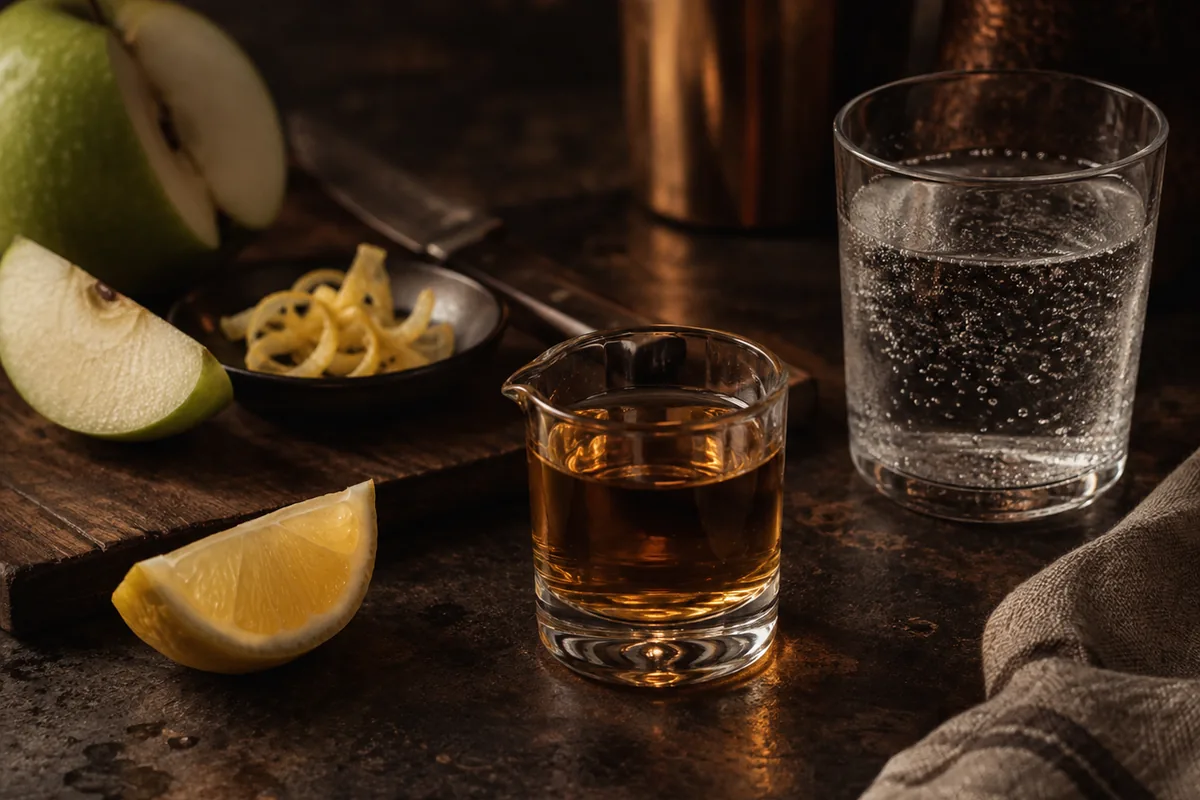
Use apple liqueur as a sweet fruit modifier, not as a neutral replacement for juice or cider. Start with a small measured pour and taste before adding syrup or another rich ingredient.
Its sweetness may fill the middle of a drink that otherwise tastes sharp or lean. When the base is already sweet, a dry, bitter, acidic, or sparkling companion is usually more helpful than another syrup-like component.
Choosing and storing apple liqueur
Choose a bottle by the role it must play.
For a bright long drink, look for fresh or tart apple language and check the ABV; for a dessert or coffee preparation, a baked-apple or caramel direction may fit better.
- Read the back label: it may identify the flavour direction, ABV, and serving suggestions.
- Check the category: do not confuse a liqueur with cider or an apple spirit.
- Protect the aroma: keep a sealed bottle upright, cool, and away from direct light unless the producer specifies otherwise.
Producer storage advice is bottle-specific. Giffard advises cool, dry storage away from light for its Manzana Verde, which is sensible guidance for that product rather than a universal freshness date for all apple liqueurs.
From green apple to baked apple
Apple aroma is a moving mixture rather than a single compound. Research on apple fruit describes aldehydes as more prominent early in ripening, while alcohols and esters become more important as fruit matures; cultivar, harvest, and storage also change the volatile profile.
A liqueur producer can emphasize different parts of that range. Crisp peel, cut grass, and tart fruit suggest a green direction, while ripe esters can read as juicy, floral, pear-like, or candy-like.
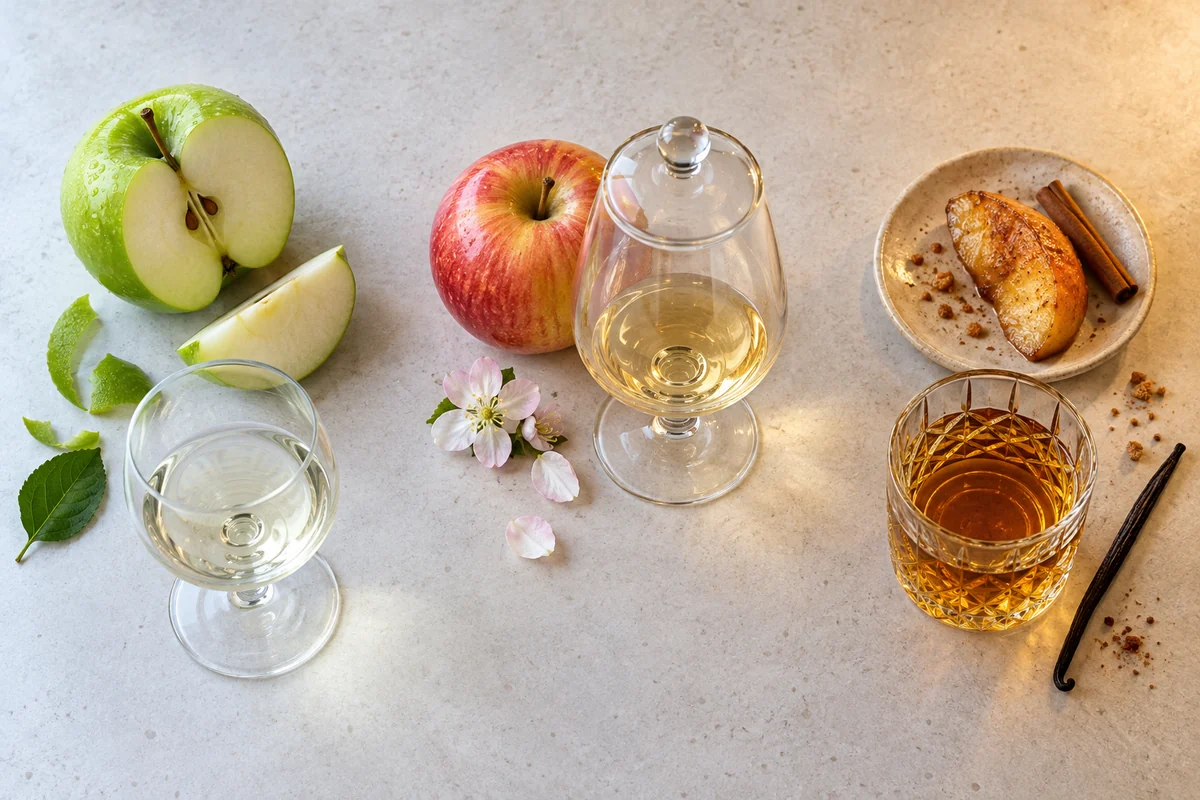
Cooking adds browned sugar, softened fruit, and spice associations.
A baked-apple bottle may feel sweeter even without a measured sugar figure because vanilla, caramel, and warm spice reinforce dessert expectations.
Artificial versus natural is too crude a judgment. A focused green-apple note can be useful, while a fruit-derived liqueur can still taste jammy after concentration, sweetening, and blending.
The practical divide is how the aroma behaves after dilution.
Green styles often depend on a narrow, high-impact peel or tart-fruit signal, while ripe styles spread across floral, pear-like, honeyed, and soft fruit notes.
Aldehydes can contribute cut-peel and grassy impressions, while esters become more important as apples ripen and can suggest juicy or perfumed fruit. The balance changes with cultivar and storage, which is why a variety name is meaningful only when the producer actually identifies one.
Cooked-apple character introduces another layer. Heat softens fresh-fruit cues and encourages associations with compote, caramel, pastry, and spice, so a baked style can seem sweeter than a crisp style even when no comparative sugar figure is available.
Use those cues to predict the bottle's role, then verify by tasting. A green profile should stay recognizable with soda or citrus; a baked profile should keep some apple definition beside brown spirits, tea, coffee, or pastry.
How do producers put apple flavour into a liqueur?
There is no single required route.
A producer can work with juice, fruit, peels, distillates, macerates, extracts, flavouring preparations, or combinations, then blend the result with alcohol, water, and sugar.
The base matters because neutral spirit leaves room for a clean fruit signal, while brandy or another characterful base can add warmth, oak, or dried-fruit depth.
Filtration and colour adjustment may alter appearance without proving which apples were used.
- Fresh-fruit route: emphasizes peel, flesh, acidity-like brightness, and orchard aroma.
- Cooked-fruit route: emphasizes baked apple, caramel, spice, or compote-like depth.
- Focused flavour method: concentrates a narrow green, candy, or ripe-ester signal for clarity in mixing.
- Blended route: combines materials to keep aroma stable after dilution.
None of those flavour directions proves how an individual bottle was made. Use the current producer description or bottle label when juice, fruit origin, distillate, colour, or flavouring method affects your decision.
Extraction and blending also change persistence. A peel-led aroma may arrive quickly and fade after dilution, while a cooked-fruit or brandy-backed profile can remain through a longer finish.
That difference matters in service: a short cold drink may preserve a bright top note, whereas a warm dessert or coffee needs apple character that survives heat, sweetness, and a larger volume.
Balance by apple style
| Apple direction | Useful partner | Likely failure |
|---|---|---|
| Tart green | Dry spirit, soda, lemon, mint | Adding acid before checking whether the liqueur already reads sour |
| Ripe orchard fruit | Brandy, sparkling wine, gentle spice | Burying its softer aroma under heavy syrup |
| Baked or caramelized | Tea, coffee, bitter herbs, salt | Stacking cream, caramel, and another sweet modifier |
| Candy-like | Citrus peel, carbonation, a restrained measure | Using colour as proof of real-fruit intensity |
In pastry or sauce, apple liqueur contributes alcohol as well as sweetness. Cooking changes alcohol retention unpredictably, so an alcohol-free recipe should use a suitable nonalcoholic ingredient rather than relying on heat.
A useful pre-mixing taste
Pour a small measured sample into a clean glass and smell it first at room temperature.
Look for peel, fresh flesh, blossom, ripe ester, cooked fruit, caramel, spice, and any harsh solvent-like note.
Then taste enough to judge sugar, acidity, alcohol warmth, and finish.
Add a little water or let an ice-chilled sample warm, because dilution may open fruit aroma while cold can hide delicate notes.
Taste after dilution as well as before it. The result tells you whether extra citrus will sharpen a green style or restore definition to a soft baked style.
Use a clean glass and compare at the temperature in which the liqueur will be served. Residual detergent, citrus oil, coffee, or spice in the glass can disguise the exact apple note you are trying to judge.
Use the step-by-step tasting method to separate aroma, texture, dilution, and finish while keeping the first sample small.
Write down three observations: the apple direction, the perceived sweetness, and what remains after dilution. Those notes make the next adjustment specific, such as less syrup for a baked style or less citrus for a sharply green one.
Label and storage checks
- Class or type: apple liqueur, apple brandy, cider, and flavoured spirit are different starting points.
- Actual ABV: the EU 15% floor is a boundary, not a prediction for every bottle.
- Named variety: Granny Smith or another cultivar matters only when the producer makes that claim.
- Storage: close the bottle, keep it upright, and protect it from heat and light unless the producer directs otherwise.
Changes in colour, aroma, clarity, or closure condition can justify checking product advice before serving an old bottle. A calendar estimate alone cannot establish a universal discard date.
Fresh green aroma may fade before the bottle becomes obviously dark, while a cooked style can hide gradual oxidation behind caramel and spice. A side-by-side memory is unreliable, so use the producer's stated profile and any dated tasting note you made after opening.
Unexpected pressure, leakage, a damaged closure, or an off odour is different from ordinary aroma loss. Stop serving and follow product guidance when any of those changes appears.
Sweet fruit flavour does not reduce impairment. Measure the pour, and never use taste, food, coffee, or elapsed time alone to decide that someone is safe to drive.
Replacing apple juice, syrup, cider, or brandy
Each swap changes more than apple aroma. Juice adds water and acidity, syrup adds concentrated sugar, cider adds fermentation and sometimes carbonation, and brandy adds a drier distilled structure.
| Replacement | What drops | What rises | First adjustment |
|---|---|---|---|
| Juice for liqueur | Alcohol and concentrated aroma | Water and fresh acidity | Reduce other dilution |
| Syrup for liqueur | Alcohol and spirit structure | Sugar and viscosity | Begin below the liqueur measure |
| Cider for liqueur | Concentration | Volume and possible carbonation | Rebuild the whole drink format |
| Brandy for liqueur | Sweetness and body | Dryness and alcohol | Add sweetness separately only if needed |
There is no honest universal ratio. Start with the intended function, compare ABV and sweetness, then adjust in a small trial rather than changing a finished batch.
For a juice or syrup swap, separate the variables: restore apple aroma first, then sweetness, then dilution. For cider, preserve carbonation and volume; for brandy, preserve the dry spirit structure before deciding whether any added sugar is needed.
Judge the trial at serving temperature. A replacement that seems balanced warm can become sharp when chilled, and a sparkling version can make sweetness feel lighter without actually removing sugar or alcohol.
Food pairings that reveal the apple style
Fresh green styles echo tart apple, celery, herbs, young cheese, pork, and lightly spiced pastry.
Ripe orchard styles connect more easily with pear, caramelized onion, mature cheese, brandy, and gentle baking spice.
A baked style can support vanilla, brown butter, oats, nuts, and coffee, but an already sweet dessert needs salt, acidity, or bitterness. The liqueur should make the apple clearer, not replace every other flavour with candy.
When alcohol must be avoided, choose juice, reduced cider, apple syrup, or another suitable nonalcoholic ingredient and rebalance from there. Do not rely on serving size or cooking as proof that no alcohol remains.
Common questions
- Is apple liqueur the same as apple brandy?
- No. Apple liqueur is sweetened and flavour-led, while apple brandy is a distilled apple spirit. They change sweetness, strength, and dilution differently in a recipe.
- Is green apple liqueur sour?
- It can suggest tart green apple, but actual sweetness and acidity vary. Read the bottle and taste it before adjusting a drink.
Sources
-
Biochemistry of Apple Aroma: A Review
Published 14 December 2016. Accessed 12 September 2026.
-
Giffard Manzana Verde
Accessed 12 September 2026.
-
Regulation (EU) 2019/787
Accessed 12 September 2026.
More in Liqueurs
-
 Almond liqueur
01
What is almond liqueur, and does it always contain almonds?
-
 Amaretto
02
What is amaretto, and what gives it an almond-like flavour?
-
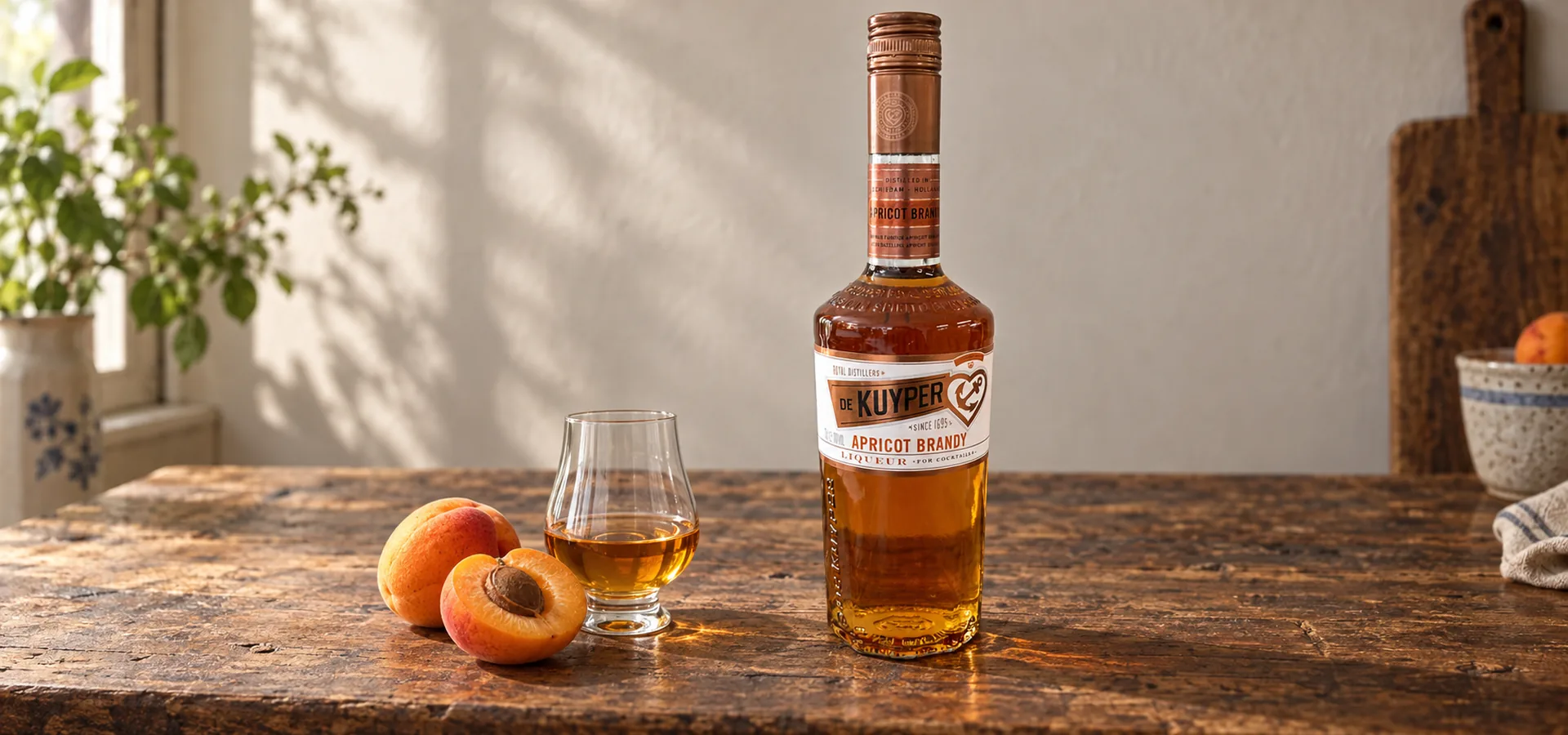 Apricot liqueur
03
What is apricot liqueur, and when does apricot brandy mean something else?
-
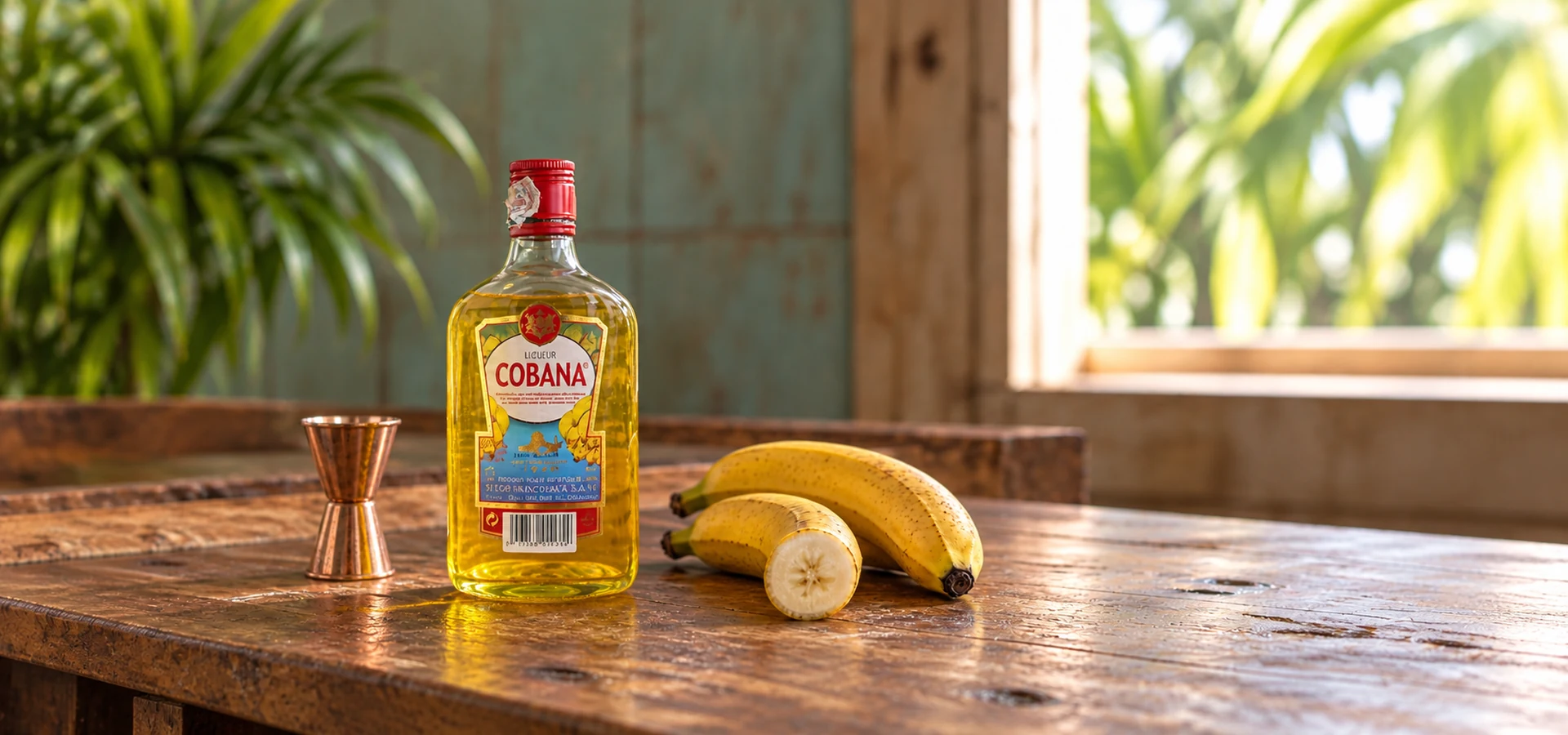 Banana liqueur
04
What is banana liqueur, and how do fresh and ripe styles differ?
-
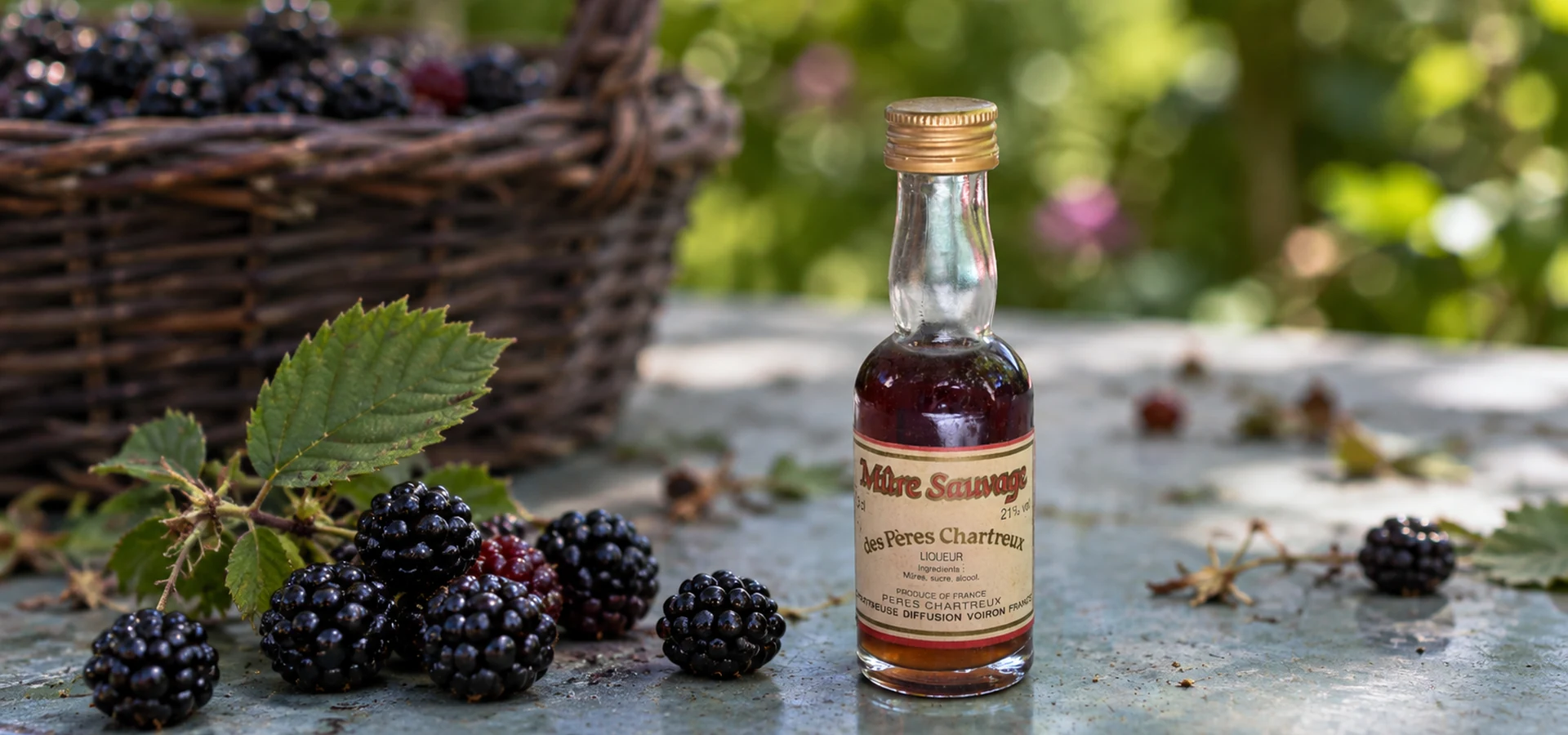 Blackberry liqueur
05
What is blackberry liqueur, and is it the same as crème de mûre?
-
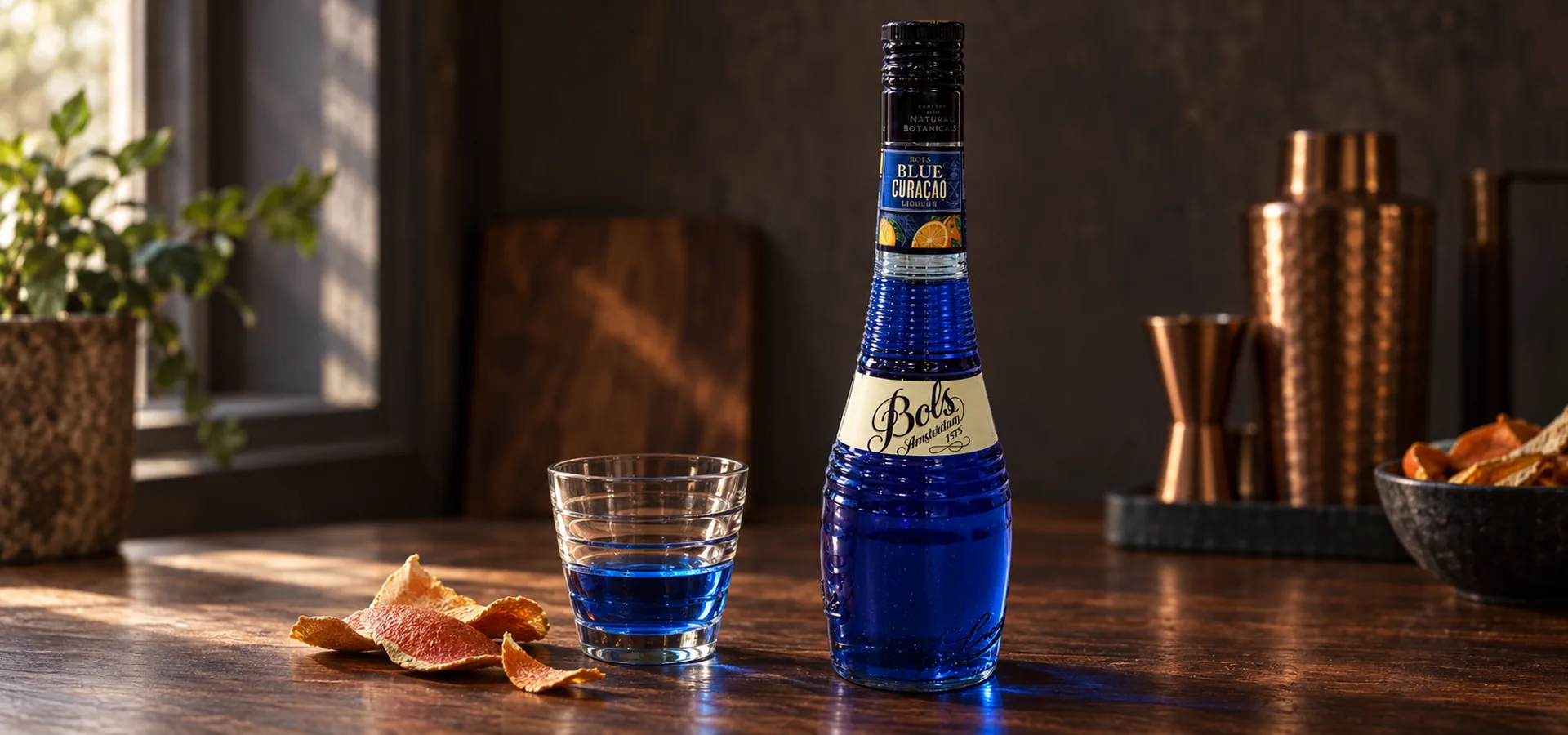 Blue curaçao
06
Blue Curaçao: What Does the Name Actually Tell You?