
Liqueurs
What is amaretto, and what gives it an almond-like flavour?
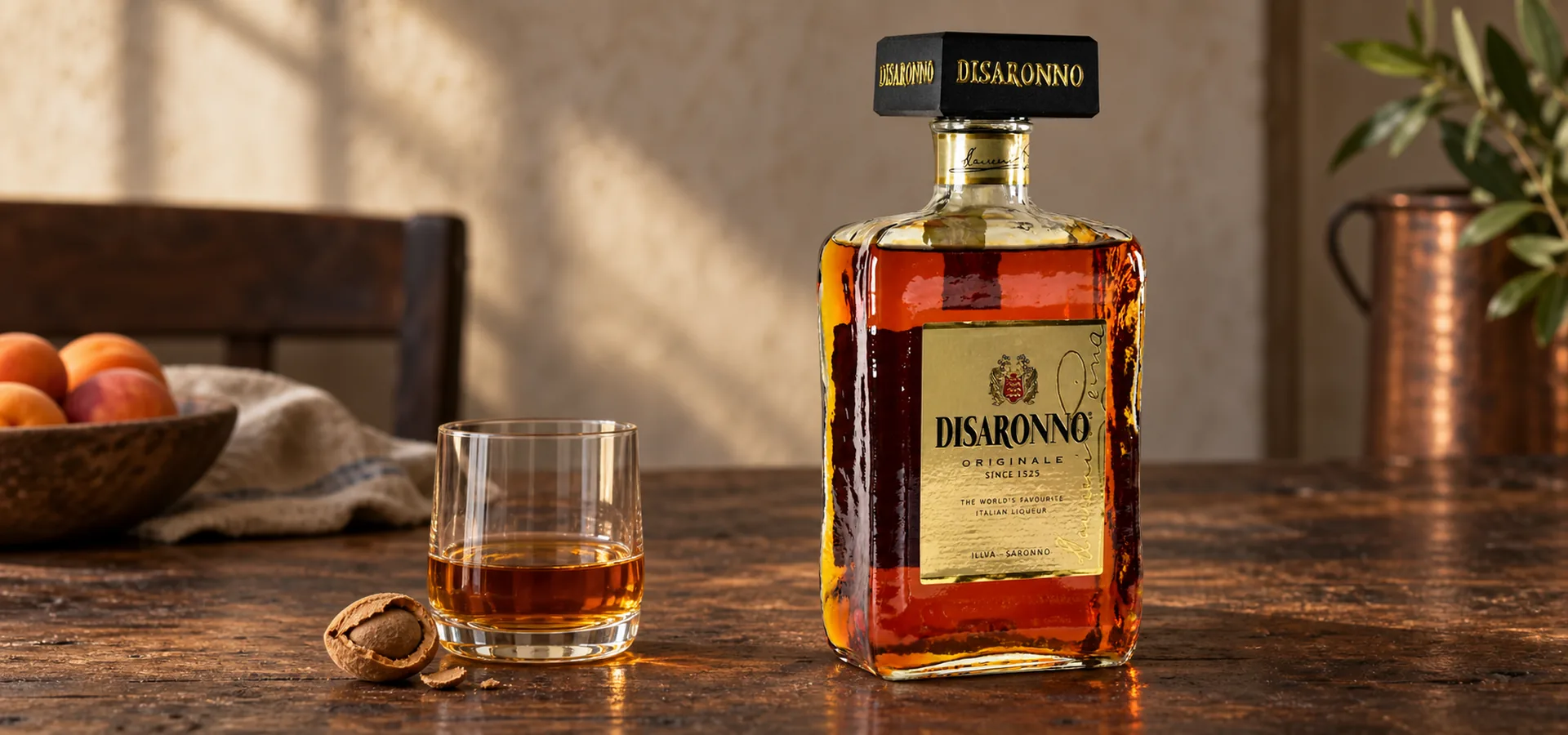
Amaretto is a sweet almond-flavoured liqueur, often built around almonds, stone kernels, or both. Its characteristic is the balance of confectionery sweetness and a restrained bitter-kernel note, not a single mandatory recipe.
At a glance
- Legal category
- In the European Union, amaretto products sold as liqueurs sit within the regulated liqueur category, which has a 15% ABV minimum and sugar requirements; product names and label rules vary by market.
- Typical strength
- 15 to 30 percent ABV
What is amaretto?
Amaretto is a sweet liqueur with an almond-like flavour and a gentle bitter finish. The Italian name points to that bitter-sweet character, but it does not require one universal ingredient formula or one fixed level of sweetness.
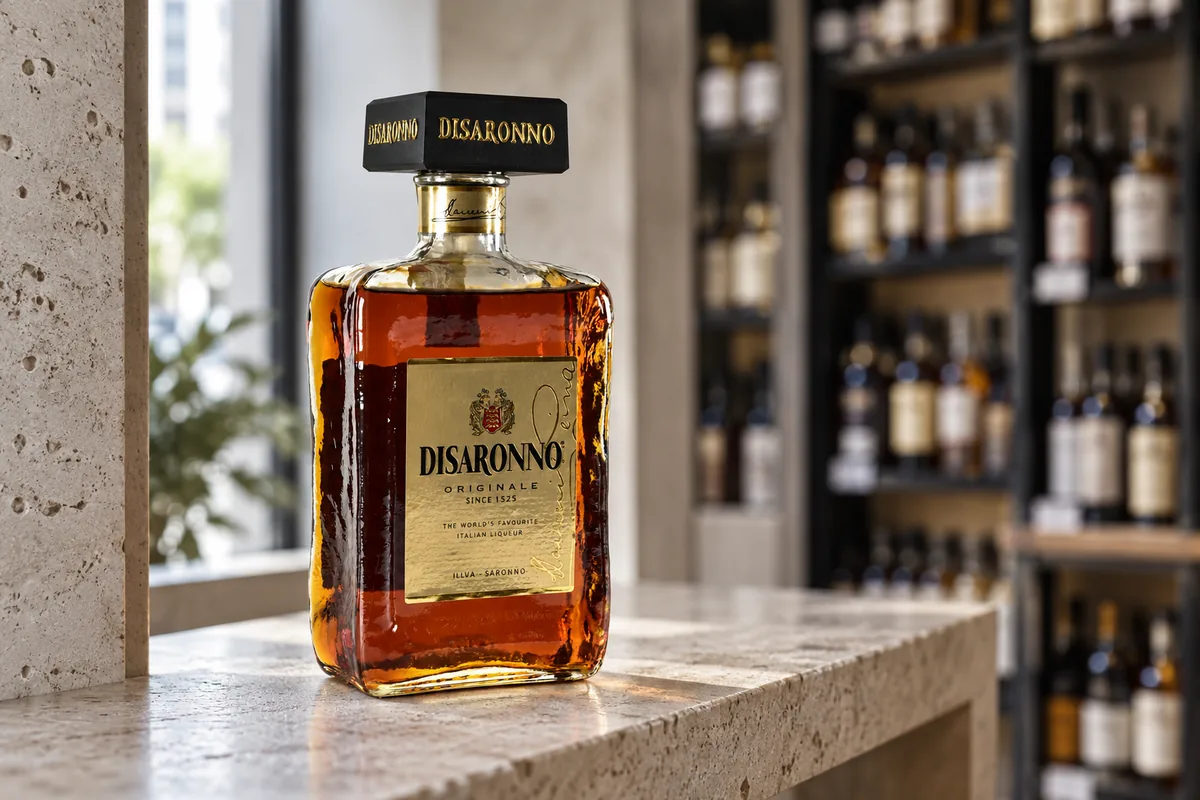
Many people expect almonds because the aroma resembles marzipan and toasted nuts. In practice, a producer may use almonds, apricot kernels, other stone kernels, flavouring materials, or a combination of those routes.
- Flavour cue
- Sweet almond, marzipan, stone fruit, and a light bitter edge.
- EU liqueur floor
- 15% ABV for the general regulated category.
- Producer examples
- Giffard lists 25% ABV; Casoni lists 28% ABV for its own amaretto.
That is why an amaretto can taste familiar while still behaving differently in a glass.
A round, nutty version may make coffee or cream taste fuller; a brighter kernel-led version can remain distinct beside citrus or a dry spirit.
Why does amaretto taste like almond when kernels may be involved?
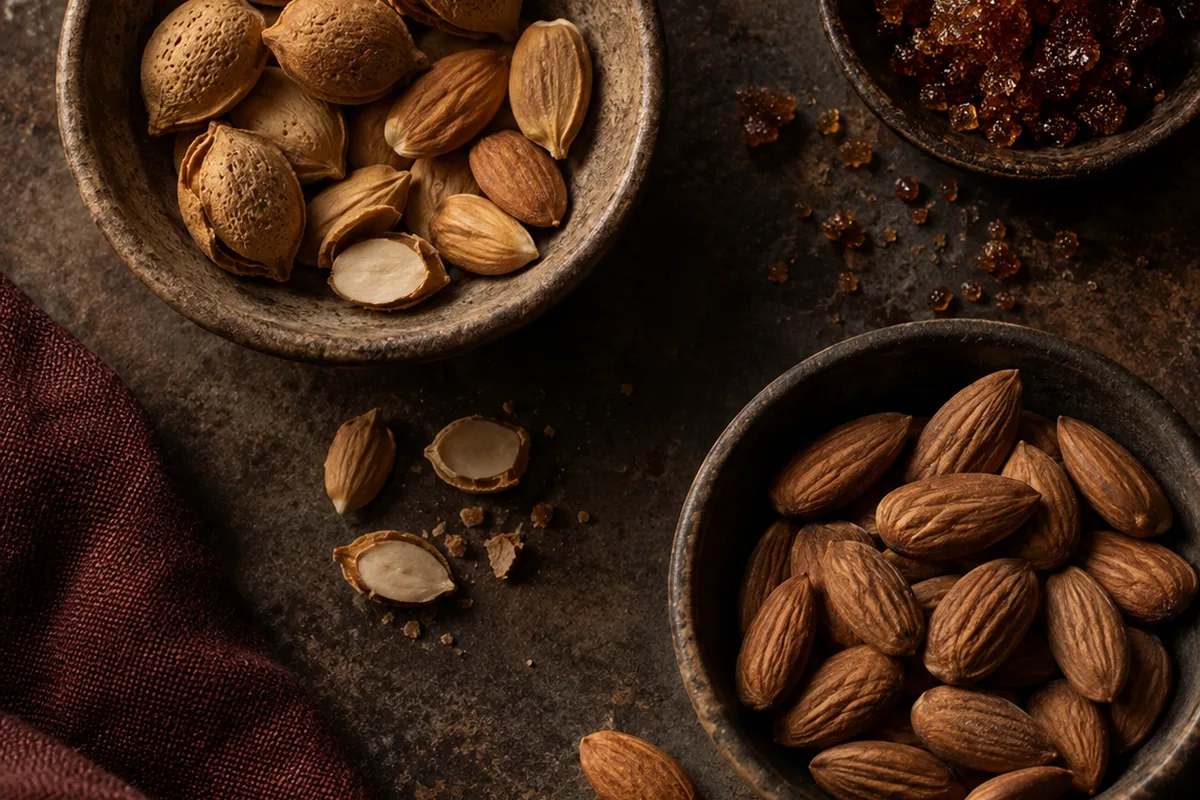
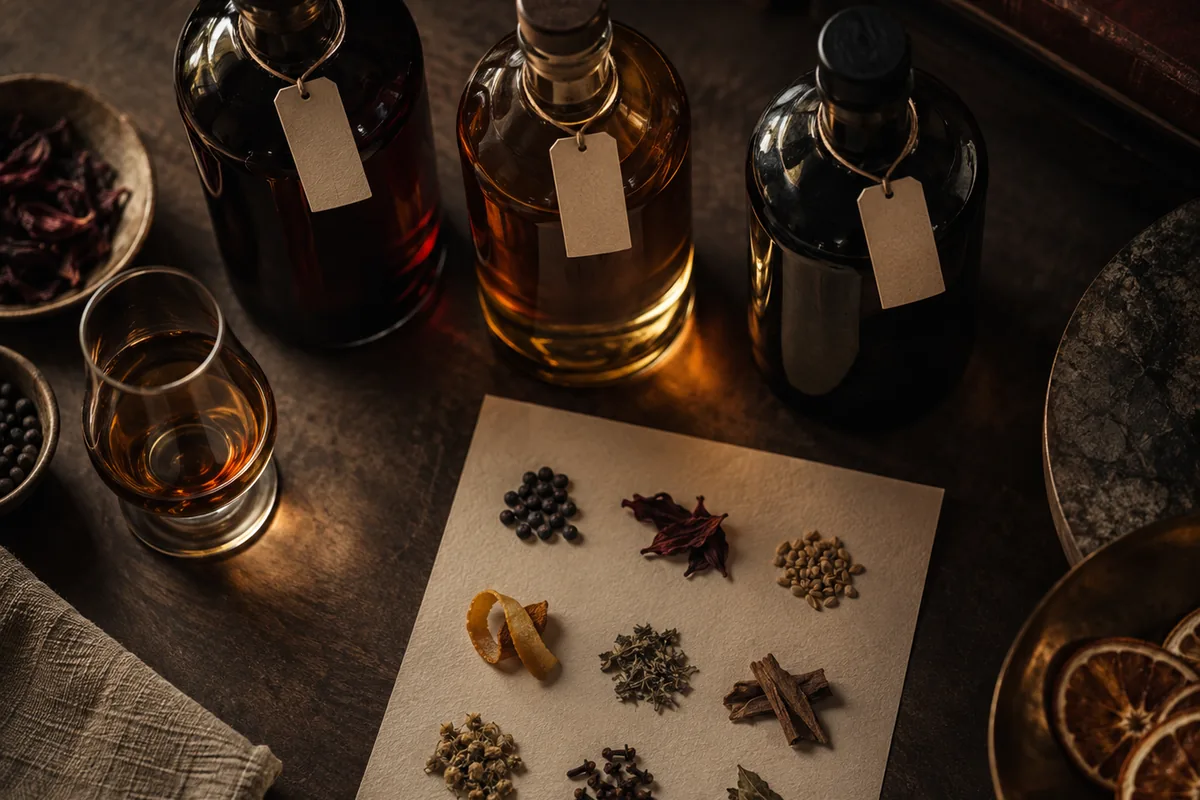
Almond and stone-kernel aromas overlap because both can suggest marzipan, cherry stone, and a faint bitter-almond note. The result is an aromatic family rather than a promise that a bottle contains only one named nut.
A producer's process determines which part of that family comes forward. Casoni describes cold hydroalcoholic extraction for its own product, while Giffard describes almonds alongside other stones; those descriptions are evidence for those bottles, not a rule for every label called amaretto.
| What you notice | Possible direction | Useful next check |
|---|---|---|
| Soft marzipan and toasted sweetness | Round almond-led impression | Ingredient and allergen information |
| Cherry-stone aroma and a light bitter finish | Stone-kernel character | Producer description for that bottle |
| Very focused perfume | Flavouring-led construction may be possible | Class, ABV, and local label details |
Do not turn that flavour logic into an allergy conclusion.
A menu, a cocktail name, or the word amaretto cannot settle what a particular bottle contains, so use the package information supplied for your market and ask the producer if a material question remains open.
The distinction also explains why amaretto is not simply a generic nut syrup with alcohol. Its base, extraction or blending method, strength, and sweetness all shape how quickly the aroma appears and whether the finish feels rich or bitter.
Smell can suggest marzipan without identifying the raw material.
Toast, vanilla, cherry-stone character, caramel, and alcohol warmth may all reinforce the same almond-like impression, so ingredient decisions still begin with current product information.
Dilution provides a second clue about style. A rounded bottle may become softer and more confectionery with water, while a kernel-edged bottle can reveal a drier, slightly bitter finish that was hidden by sweetness.
How sweet and strong is amaretto?
The general EU liqueur category starts at 15% ABV, but the number on a real amaretto bottle can sit well above that floor. Giffard's amaretto is listed at 25% ABV and Casoni's at 28%, which shows why a category minimum is not a serving estimate.
Sweetness is usually the more immediate mixing issue. Amaretto can supply sugar, body, and a long almond aroma in a small measure, so adding it to sweet vermouth, cream liqueur, syrup, or dessert sauce without adjustment can make the result heavy.
Taste the actual bottle before copying a generic substitution. When amaretto replaces a syrup or another liqueur, adjust the sweet element gradually and keep an acidic or dry counterweight available.
For coffee, cocoa, or baked fruit, the liqueur can reinforce flavours already present.
Alongside lemon, orange, or a dry spirit, its bitter edge and dilution often keep the sweetness from dominating.
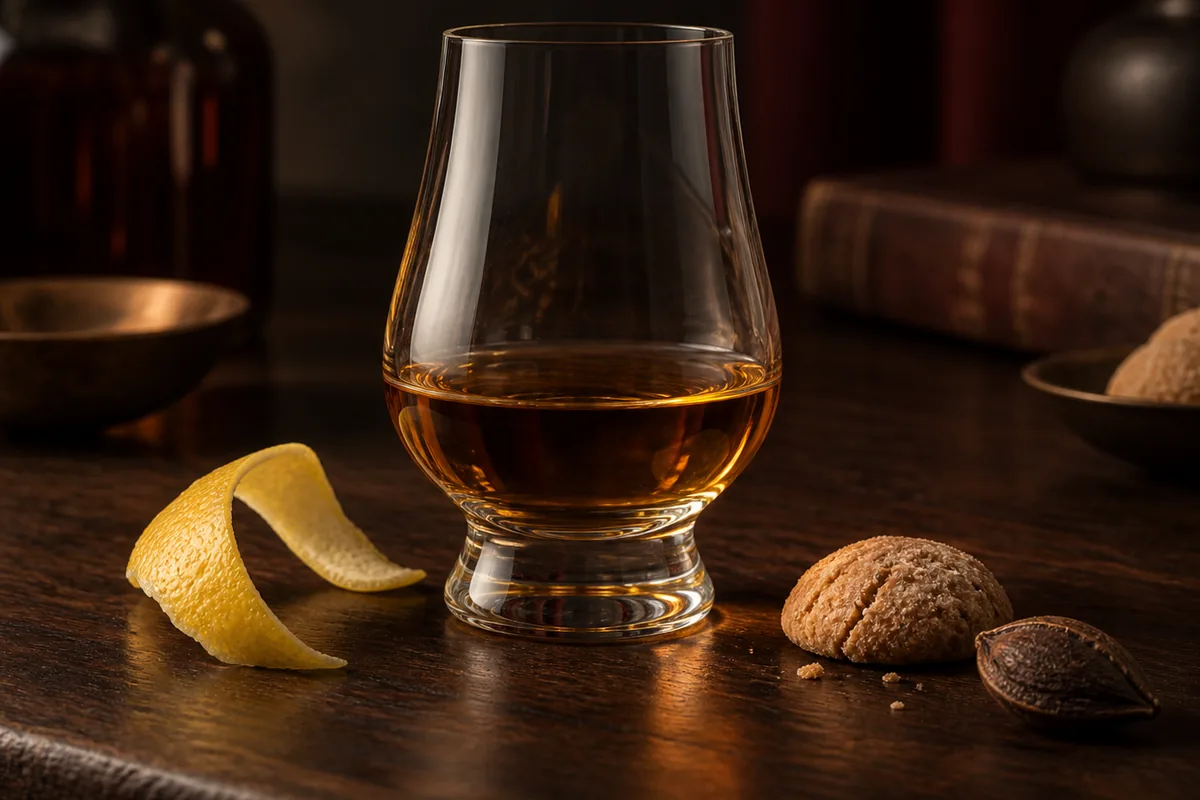
There is no universal best serve. A lightly chilled small pour emphasizes viscosity and dessert-like aroma, while a measured pour over ice or in a mixed drink changes sweetness perception as water and temperature open the aroma.
To compare two bottles, use equal small measures in identical glasses and add the same amount of water to each. This simple side-by-side check separates differences in aroma concentration, bitter finish, and perceived sugar more clearly than tasting them in different drinks.
Temperature and dilution do different things. Cold can mute aroma and alcohol warmth, while water can expose cherry-stone, vanilla, spice, or roasted notes even as it reduces sweetness intensity.
In coffee or cocoa, bitterness already provides contrast, so a smaller amaretto measure may be enough.
In cream or ice cream, fat and cold can soften the aroma, which may call for a more defined bottle rather than a larger free-pour.
How should you choose and use an amaretto?
Choose by the job you want it to do.
A creamy, rounded bottle suits a dessert or coffee where the almond note should fill gaps; a sharper version is more useful when citrus, spice, or a drier base needs a distinct aromatic accent.
- For coffee or chocolate: look for a broad, sweet almond impression and begin with a small measured pour.
- For citrus-led drinks: look for enough bitter-kernel definition to stay identifiable after dilution.
- For an ingredient decision: verify the actual label rather than relying on the flavour name.
Amaretto is a specific member of the broader almond liqueur family, but the two labels are not interchangeable evidence about ingredients or taste. A generic almond liqueur may be roasted, creamy, or floral without having the classic amaretto-style bitter finish.
Store a sealed bottle upright in a cool, dark place unless the producer states otherwise. That is sensible flavour protection, not a promise about a particular bottle's shelf life or ingredient stability.
How is amaretto made commercially?
Commercial production starts with an alcoholic base and a defined flavour direction.
Producers may extract aromatic material in alcohol, blend prepared flavouring materials, redistil part of a flavour base, or combine methods before sweetening and proof adjustment.
The TTB manual allows liqueurs and cordials to be made by mixing or redistilling spirits with fruits, plants, juices, natural flavouring materials, or extracts.
That breadth explains why the word amaretto cannot reveal one manufacturing sequence.
- Select the aromatic route. Almonds, stone kernels, approved extracts, or a combination establish the main aroma.
- Capture and refine the flavour. Controlled extraction and filtration determine how much roasted, floral, cherry-stone, or bitter character remains.
- Build the finished balance. Alcohol, water, and sweetening are blended to the producer's specification and applicable rules.
- Verify the release. Strength, stability, formula compliance, and market-specific labeling are checked before bottling.
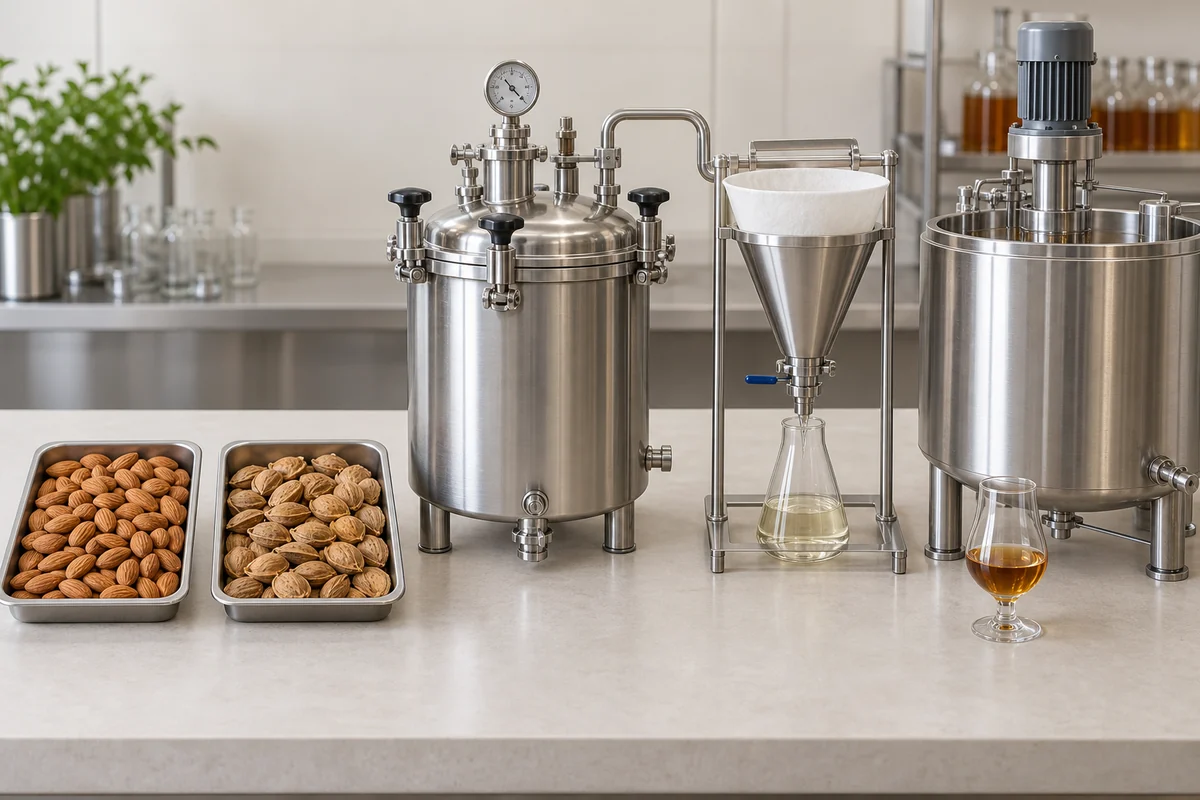
Extraction time and temperature change which compounds dissolve and how forcefully bitterness appears.
Filtration can brighten appearance and texture, while sugar changes viscosity and the length of the aroma.
Commercial processing does not make raw stone kernels suitable for casual home infusion. The FDA notes that amygdalin in bitter almonds and stone-fruit seeds can release cyanide, so do not soak or consume unidentified kernels in an attempt to reproduce a commercial flavour.
Amaretto, almond liqueur, and orgeat are different ingredients
Amaretto sits within the wider almond-like liqueur family, but the terms do different work. Amaretto signals the familiar bittersweet marzipan direction, while almond liqueur can cover bottles that are more directly nutty, toasted, floral, or creamy.
| Ingredient | Alcohol | Texture | Main change in a swap |
|---|---|---|---|
| Amaretto | Yes | Sweet and fluid | Adds alcohol plus marzipan-like aroma |
| Almond liqueur | Yes | Varies by bottle | May be more roasted, creamy, or less bitter |
| Orgeat or almond syrup | No | Often concentrated and viscous | Removes alcohol and may add more sugar |
| Almond extract | Not a pourable substitute | Extremely concentrated | Can overwhelm a recipe in tiny amounts |
A one-for-one swap therefore solves only aroma resemblance. It can still change total alcohol, dilution, sugar, body, and the length of the bitter finish.
Flavours that balance amaretto
Amaretto pairs naturally with coffee, cocoa, vanilla, cherry, apricot, pear, and baking spice because those foods share roasted, fruit-stone, or confectionery cues. The pairing becomes clearer when one element supplies dryness, acidity, bitterness, salt, or restrained dilution.
- Dry contrast
- Whisky, brandy, or another unsweetened base can carry the liqueur without duplicating its sugar.
- Acid contrast
- Lemon or tart fruit sharpens the boundary around marzipan-like sweetness.
- Bitter contrast
- Coffee, cocoa, or a bitter aperitif can shorten a heavy finish.
Cream, sweet coffee, syrup, and a large amaretto measure may all pull in the same direction, leaving the result thick and indistinct.
In food, remember that no-cook desserts retain alcohol and heating does not guarantee a fixed amount disappears.
Reading the label before buying or serving
Start with the actual ABV and producer description, then read ingredient and allergen information available in your market. The front name gives a flavour direction, but it cannot verify that a bottle contains almonds or suits a person avoiding them.
A nut-free claim, an allergen statement, and the absence of the word almond are different pieces of information. When exposure matters, use the current package for the country where the bottle was sold and contact the manufacturer if the statement is unclear.
Also check whether the bottle is a clear amaretto or a cream-style product. Cream changes texture, storage needs, possible allergens, and the way citrus behaves, even when both bottles share an almond-like flavour.
- For a neat pour: look for enough bitterness or aromatic lift to remain distinct when lightly chilled.
- For mixed drinks: compare sweetness before deciding how much syrup or another liqueur the rest of the drink needs.
- For desserts: check whether the profile is roasted and broad or bright and kernel-led.
- For ingredient restrictions: rely on current packaging and producer confirmation, not a menu description.
Measure servings because sweetness can make strength less obvious.
Neither flavour, coffee, cold temperature, nor a full meal supplies evidence that someone is unimpaired or safe to drive.
Storage and signs of change
Keep the bottle upright with the closure tight, away from heat and direct light. A cool cupboard protects aroma and colour better than a sunny bar shelf, although the producer's instructions take priority.
Amaretto does not share one guaranteed after-opening life because sugar, strength, flavour materials, packaging, and storage conditions differ. Check for a damaged closure, unexpected haze, an aroma that has become flat or stale, or a change the producer identifies as abnormal.
Crystals or sediment are not automatically dangerous, and a dark amber colour can hide gradual change. If the appearance or smell is surprising, pause and consult the bottle maker instead of guessing from a generic calendar.
Oxidation usually shows first as lost top notes, a flatter marzipan aroma, or a duller finish rather than a dramatic colour shift. Compare the bottle with its producer description, and discard it when the closure is damaged, the odour is abnormal, or the maker advises against service.
Common mistakes that flatten amaretto
- Adding it after all other sweeteners. Its sugar and body should be counted from the start.
- Free-pouring. A small excess can cover quieter base-spirit and fruit aromas.
- Assuming cold fixes balance. Chilling can hide sweetness temporarily, then the heavy finish returns as the drink warms.
- Using the name as an allergen answer. Only current product information can settle a bottle-specific ingredient question.
The best correction is to decide whether amaretto is supplying sweetness, almond-like aroma, bitter-kernel definition, or several of those at once. Measure it and taste at the final dilution so the liqueur remains identifiable without making every drink or dessert taste the same.
Common questions
- Is amaretto made from almonds?
- Some products use almonds, while others use apricot kernels, other stone kernels, flavouring materials, or combinations. Check the exact product information for an ingredient decision.
- Is amaretto strong?
- Amaretto is a liqueur, not a neutral spirit. The EU liqueur category starts at 15% ABV, while individual products can be higher; read the bottle for its actual ABV.
Sources
-
Casoni Amaretto
Accessed 12 September 2026.
-
Disaronno Originale
Accessed 12 September 2026.
-
FDA Natural Toxins in Food
Published 26 September 2024. Accessed 12 September 2026.
-
Giffard Amaretto
Accessed 12 September 2026.
-
Regulation (EU) 2019/787
Accessed 12 September 2026.
-
TTB Beverage Alcohol Manual, Chapter 4
Published 1 April 2007. Accessed 13 September 2026.
More in Liqueurs
-
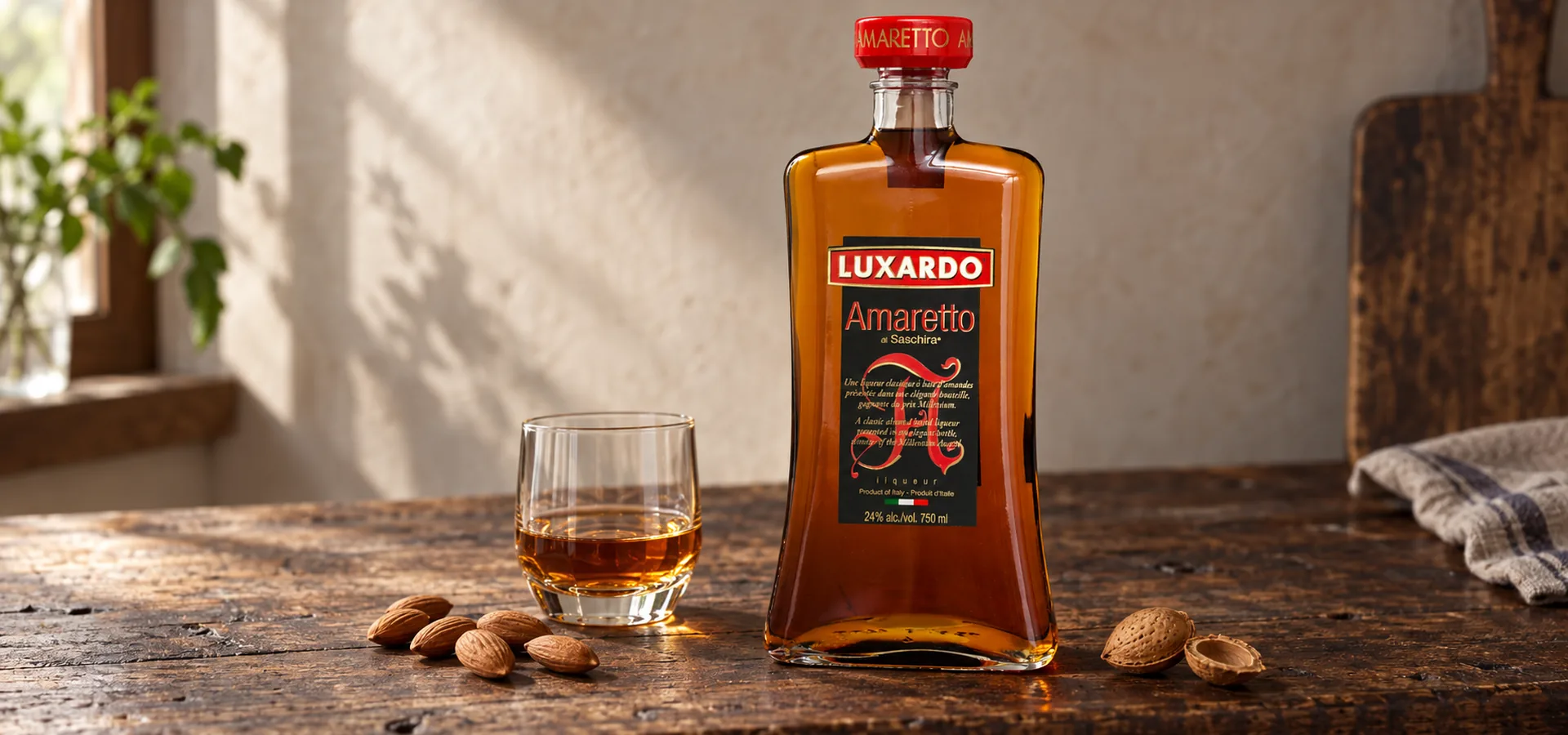 Almond liqueur
01
What is almond liqueur, and does it always contain almonds?
-
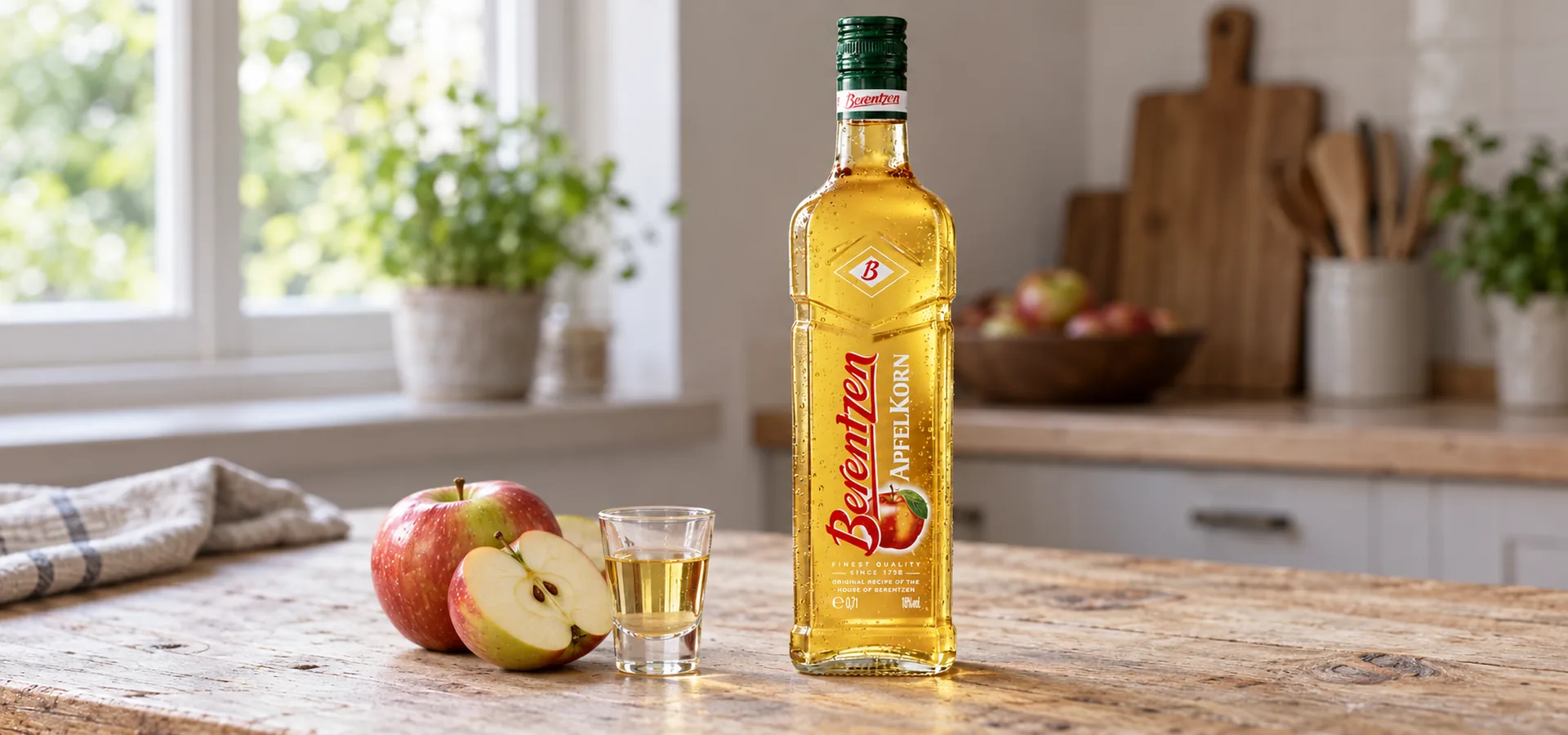 Apple liqueur
02
What is apple liqueur, and how does it differ from apple brandy?
-
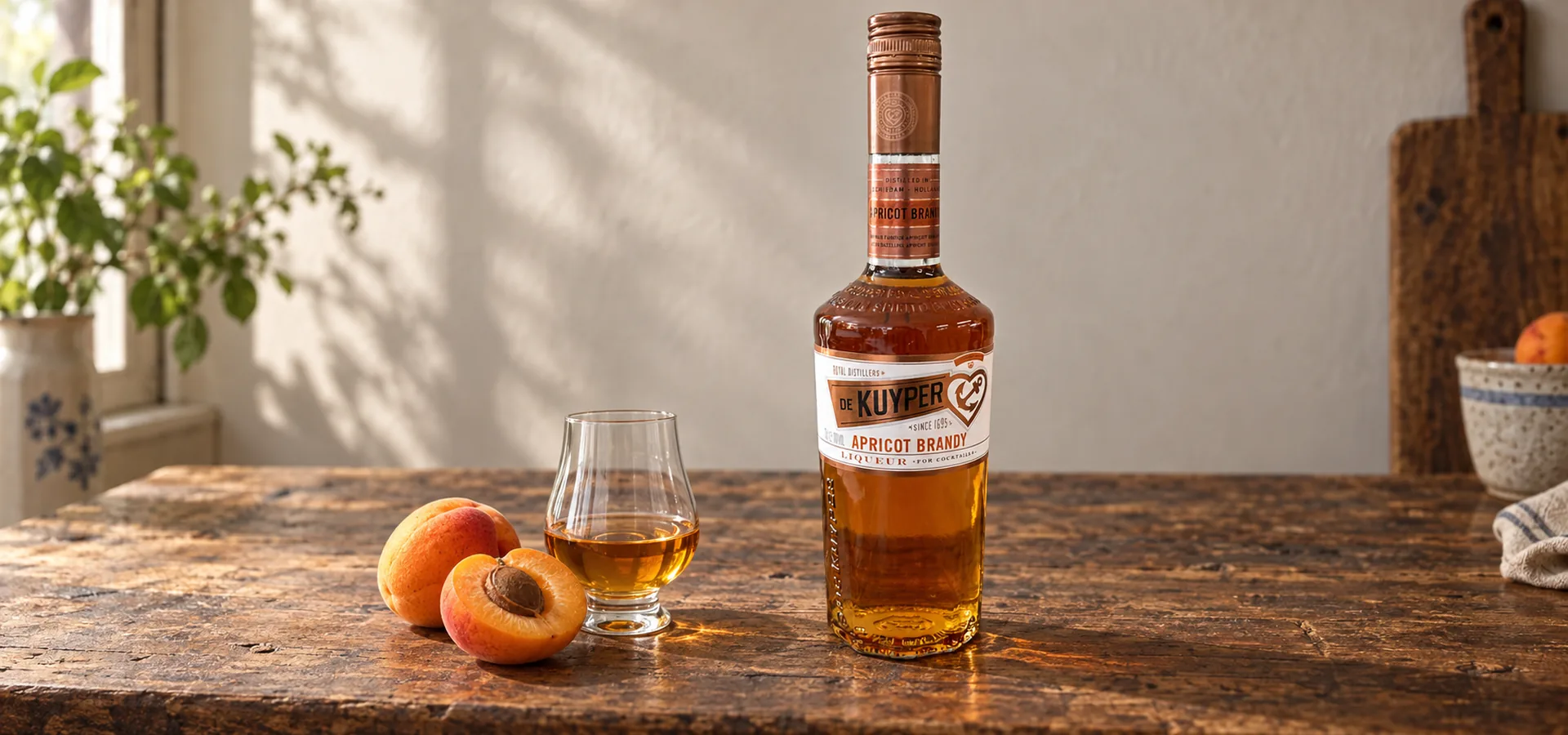 Apricot liqueur
03
What is apricot liqueur, and when does apricot brandy mean something else?
-
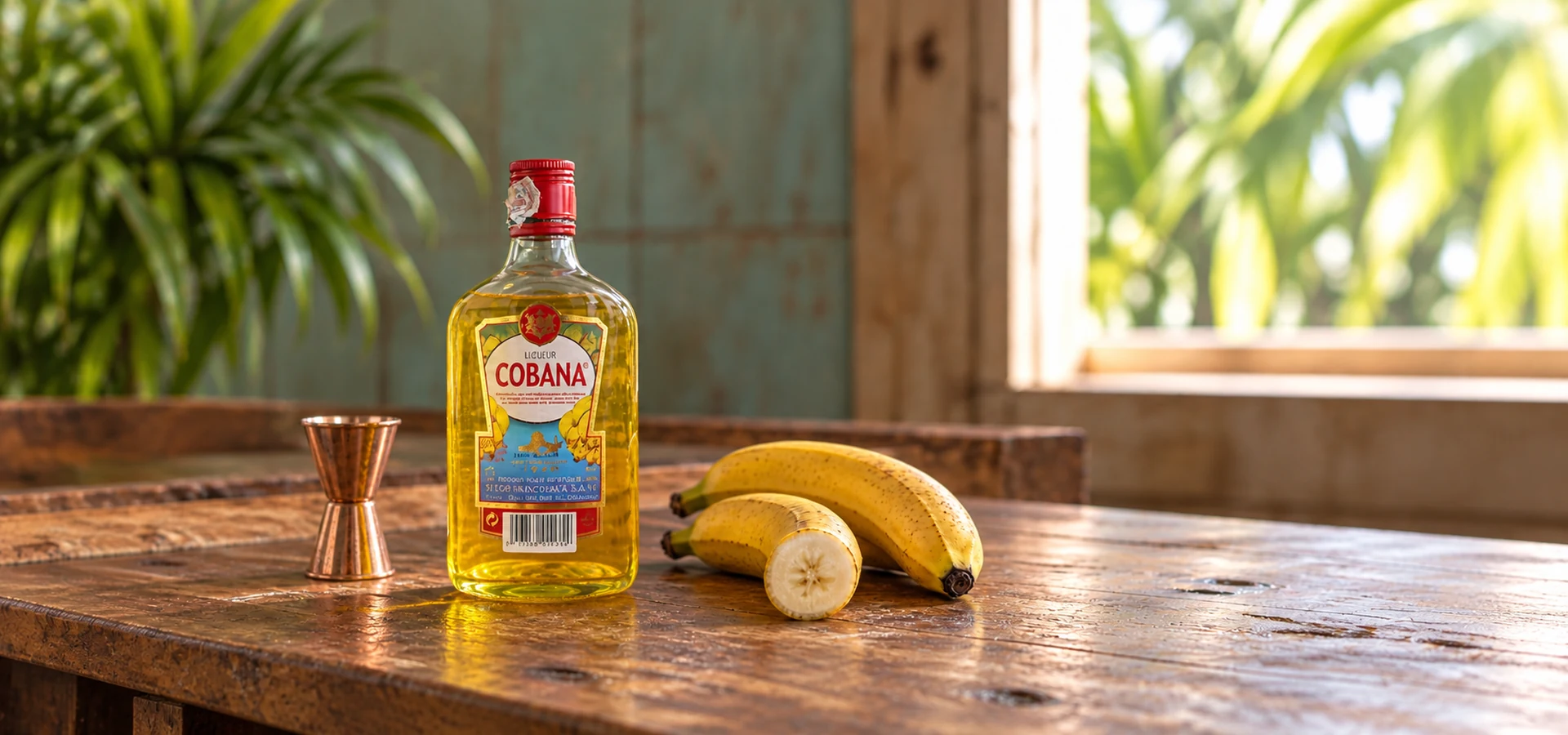 Banana liqueur
04
What is banana liqueur, and how do fresh and ripe styles differ?
-
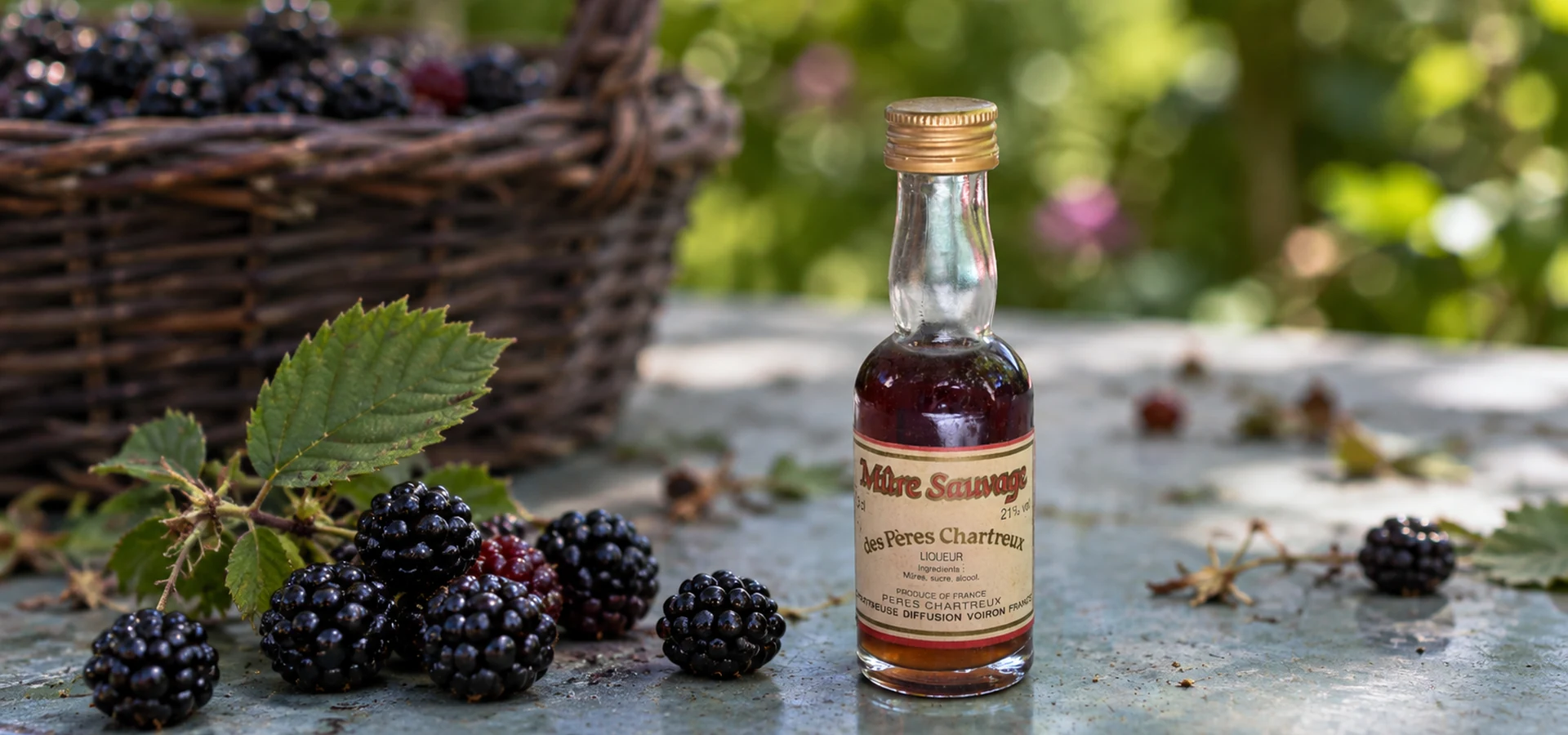 Blackberry liqueur
05
What is blackberry liqueur, and is it the same as crème de mûre?
-
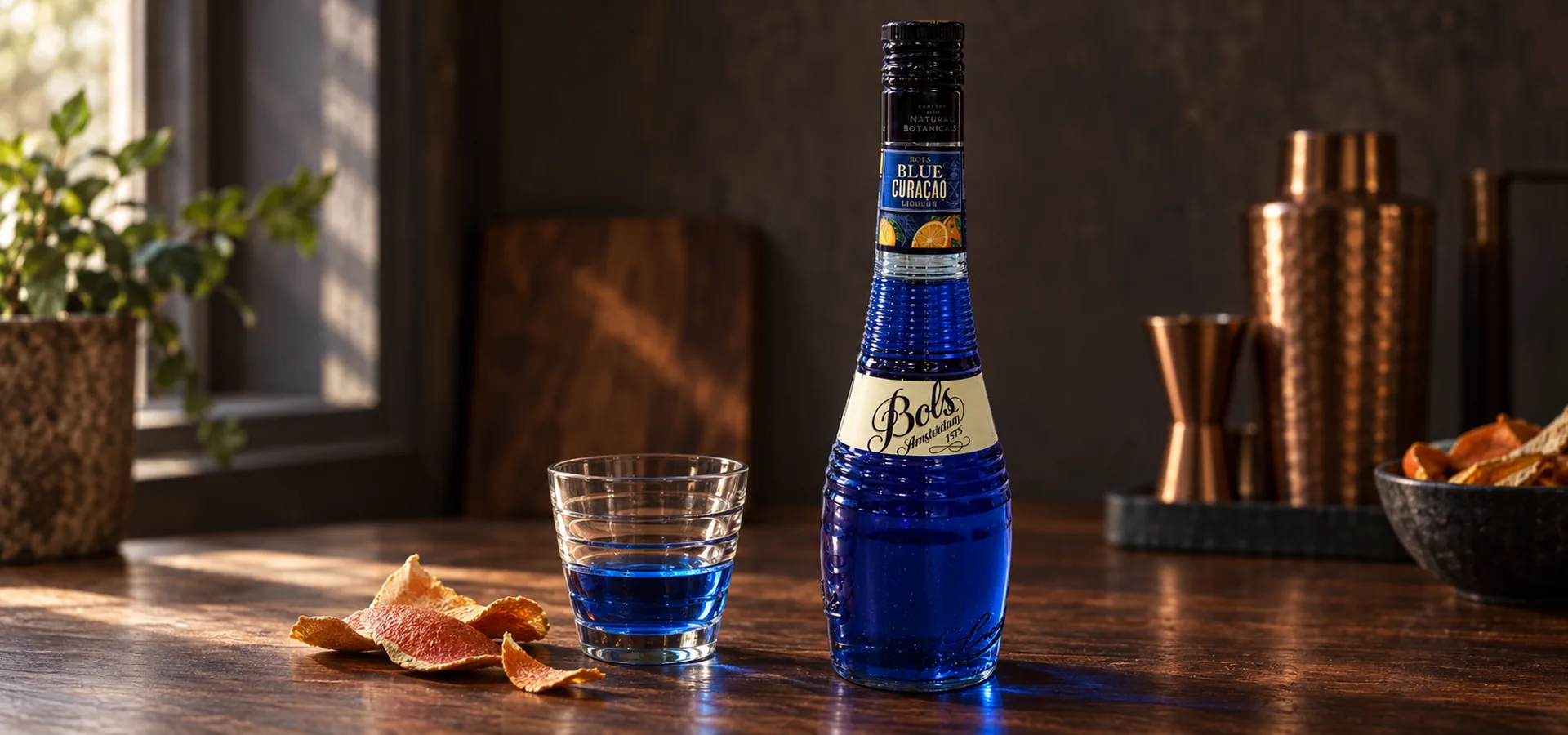 Blue curaçao
06
Blue Curaçao: What Does the Name Actually Tell You?