
Liqueurs
What is blackberry liqueur, and is it the same as crème de mûre?
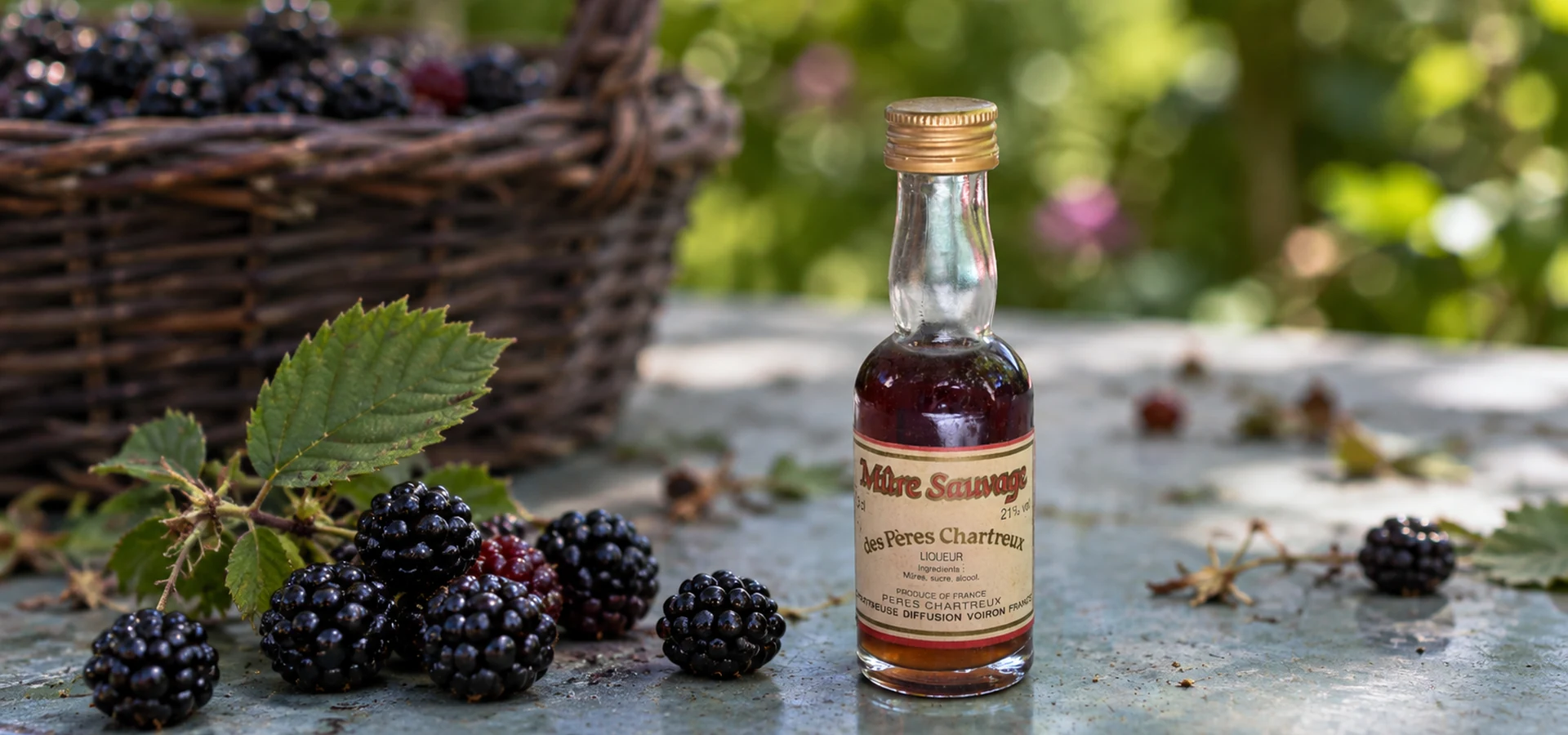
Blackberry liqueur is a sweetened alcoholic drink with blackberry as its leading flavour. Crème de mûre is the French name commonly used for a blackberry fruit liqueur, with crème referring to a higher-sugar category in regulated European use rather than to dairy.
At a glance
- Legal category
- In the European Union, liqueur has a 15% ABV minimum. Crème de followed by a fruit name has a higher sugar threshold, and that named fruit must provide the predominant flavour.
- Typical strength
- 15 to 25 percent ABV
What does blackberry liqueur mean on a bottle?
Blackberry liqueur is a sweetened alcoholic drink built around blackberry aroma and taste. It can feel fresh and tart, soft and ripe, or dark and jam-like depending on fruit material, extraction, sugar, alcohol, and blending.
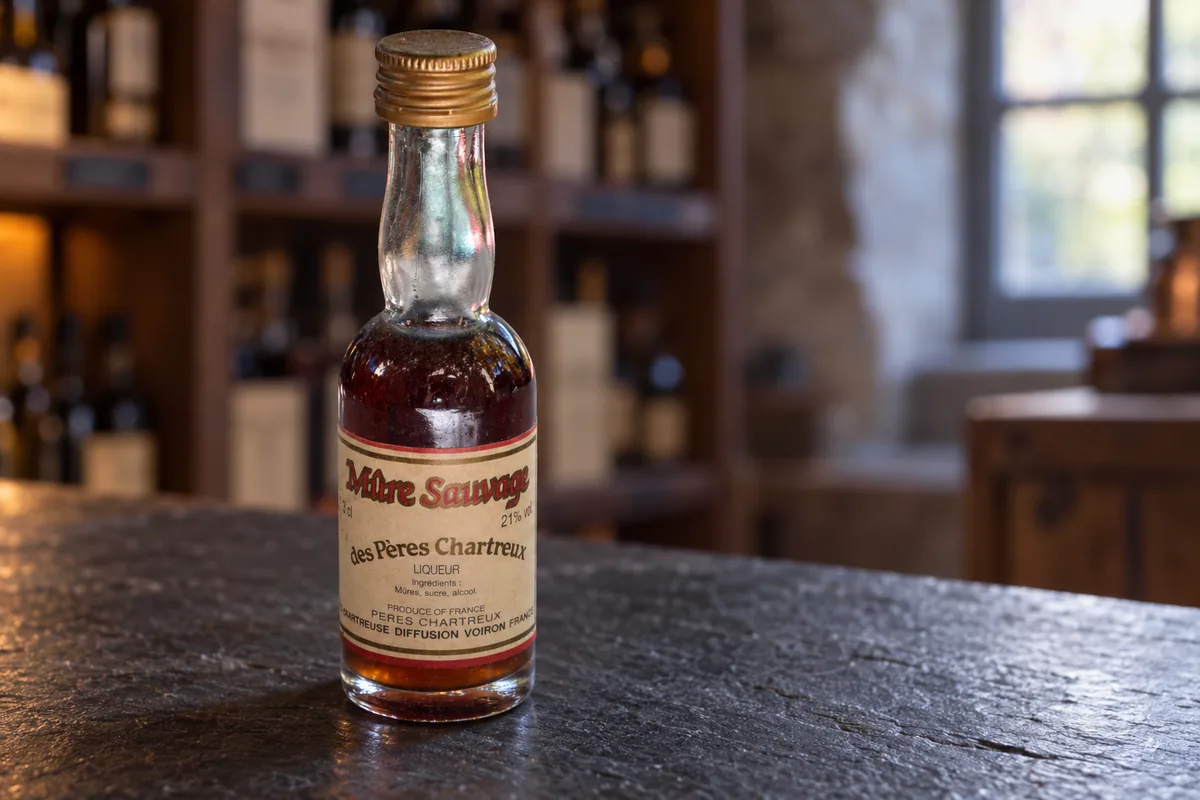
The fruit name gives a flavour direction, not one universal recipe. This matters because the class, ABV, ingredients, and producer description can change whether two bottles work in the same way.
In the European Union, liqueur starts at 15% ABV and normally has a minimum sugar requirement. The number on the bottle remains the dependable strength for that product.
Giffard lists its Crème de Mûre at 16% ABV and describes concentrated blackberry juice, fresh berry, jam, and seed bitterness. Those details describe one bottle rather than the category.
Is crème de mûre the same as blackberry liqueur?
Yes. Mûre is French for blackberry, and crème de mûre is a blackberry liqueur name; crème does not mean the bottle contains dairy.
Under EU rules, crème de followed by a fruit or named raw material has at least 250 grams of sweetening per litre, expressed as invert sugar.
The named fruit must provide the predominant flavour.
- 15% ABV
- EU minimum for liqueur and crème de categories.
- 250 g/L
- EU sweetening floor for crème de followed by a named fruit or raw material.
- 16% ABV
- One current producer example, not a category average.
A blackberry cream liqueur is separate and may contain dairy or another creamy base. Its allergen and storage requirements can differ from clear crème de mûre.
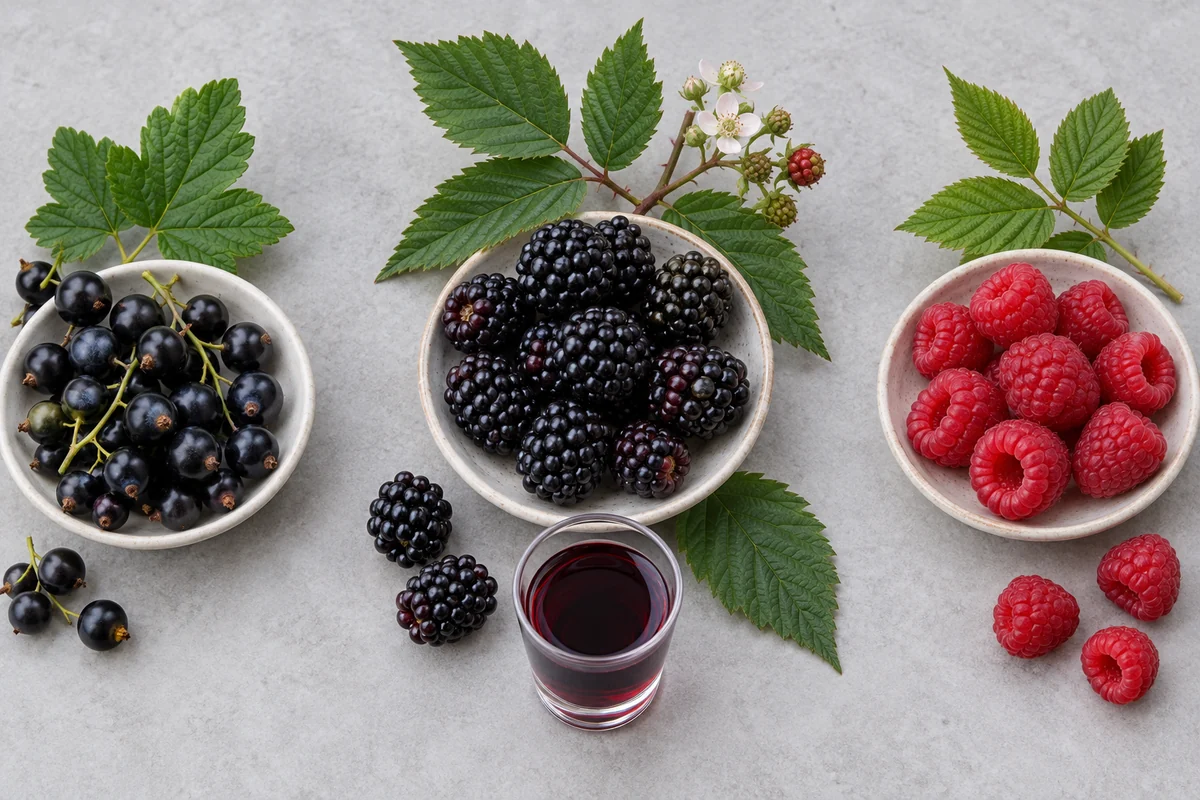
Blackberry compared with cassis, raspberry, and sloe gin
| Family | Common direction | Main substitution risk |
|---|---|---|
| Blackberry or mûre | Ripe bramble fruit, jam, seed bitterness | Often softer than cassis |
| Blackcurrant or cassis | Sharper dark fruit, leafy intensity | Can dominate aroma and acidity |
| Raspberry | Brighter red berry and floral lift | Less dark-fruited depth |
| Sloe gin | Tart plum-like fruit and gin botanicals | Different base, dryness, and juniper |
Colour cannot settle identity because dark berry liquids can look similar and producers may adjust colour. Use the named fruit, product class, and sensory profile together.
In a recipe, cassis can make blackberry sharper and louder; raspberry can make it lighter; sloe gin introduces a different spirit base.
If you substitute one of them, reduce the first measure and rebalance sugar and acid.
Blackberry's useful signature is the combination of ripe bramble fruit with enough acidity or seed dryness to keep the finish defined. Cassis often emphasizes sharper blackcurrant intensity, while raspberry moves toward brighter floral red fruit.
Sloe gin is the structural outlier because it brings a gin base and a plum-like sloe fruit profile.
Even when the colour looks close, juniper, higher spirit character, and different sweetness can move the whole drink.
For a substitution, compare after dilution rather than neat. Water and citrus can expose leafy blackcurrant, raspberry perfume, or gin botanicals that were less obvious in the original small sample.
From fresh berry to jammy blackberry
Fresh blackberry combines sweetness with acidity, green bramble cues, floral notes, and slight seed bitterness.
Ripeness increases softness, while heating or concentration can move the impression toward compote and preserve.
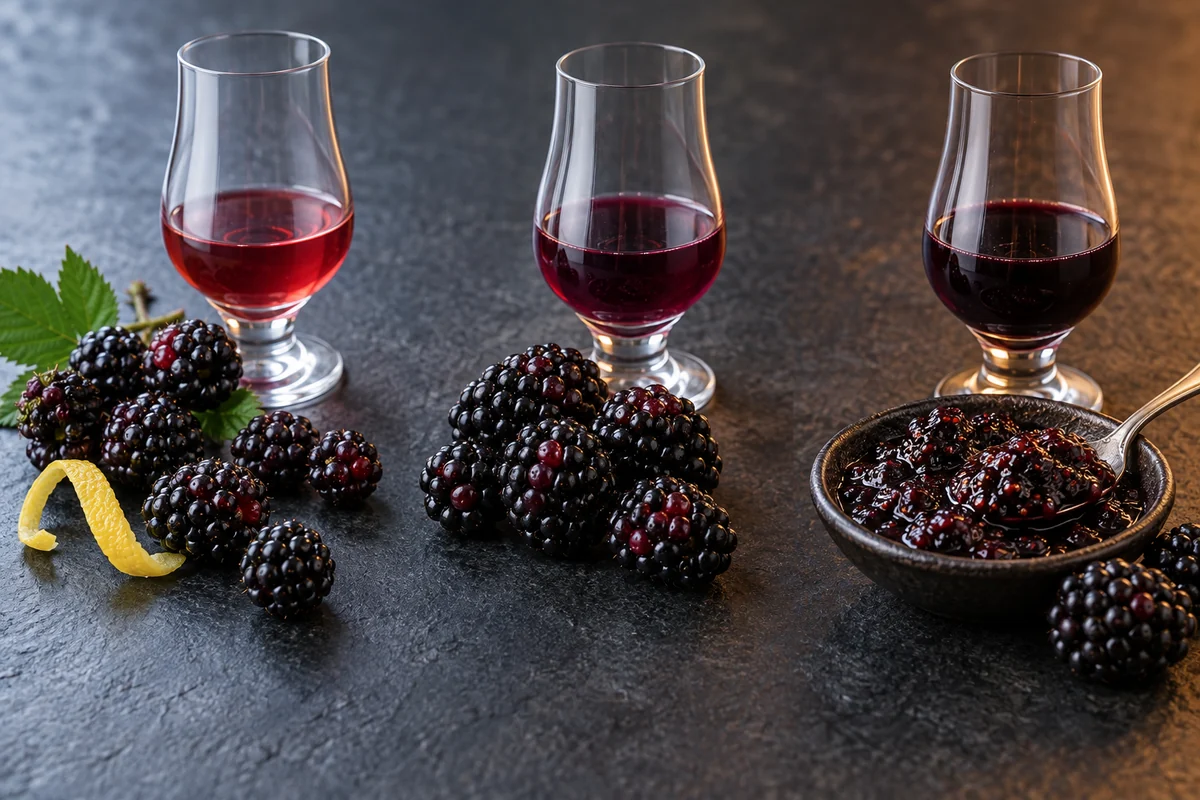
Research finds no single volatile that defines blackberry for every cultivar. Growing environment and cultivar change the aroma impact of multiple compounds, so recognizable blackberry character can follow more than one sensory pattern.
That complexity matters because a realistic blackberry note does not have to smell like one candy flavour. Floral, citrus-like, green, earthy, and jam notes can sit around the core berry aroma in different proportions.
Heat and concentration shift the balance toward cooked fruit and preserve, while skins and seeds can add dryness that counters sugar. A jammy profile is useful when it still finishes as blackberry rather than generic dark syrup.
Judge acidity by taste rather than colour. A deep purple liqueur may be soft and sweet, while a brighter ruby sample may finish tart and dry despite appearing lighter.
- Fresh: bright berry, leaf, acidity-like lift, clean finish.
- Ripe: softer fruit, fuller body, less obvious tartness.
- Jammy: cooked fruit, preserve, dark sugar, long sweet finish.
- Seed-led: slight dry bitterness that keeps dark fruit from feeling flat.
How do producers build blackberry flavour?
Commercial production may use berries, juice or concentrate, maceration, infusion, extracts, or prepared flavouring materials.
Filtration and blending with alcohol, water, and sweetening create the finished colour, texture, and strength.
Fruit skins and seeds contribute more than colour.
Contact time, temperature, and alcohol strength influence aroma, pigment, tannic dryness, and seed bitterness.
- Choose the fruit expression. Fresh berry, concentrate, or a blend sets the direction.
- Extract under control. The process manages aroma, pigment, and bitterness.
- Separate solids. Filtration controls clarity and texture.
- Blend and verify. Sugar, water, alcohol, stability, and labeling are checked.
Commercial extraction and filtration do not provide a safe formula for a homemade fruit infusion. Fresh fruit, water activity, sanitation, strength, and storage all affect microbial stability, so use a tested preservation method rather than copying a product description.
Seed contact is another controlled variable. A slight bitter edge can sharpen the finish, but excessive crushing or contact can create rough woody notes that sweetness cannot fully hide.
Balancing blackberry liqueur
A fresh style works beside dry spirit, lemon, sparkling wine, soda, herbs, or tea. A jammy style benefits from firmer acidity, bitterness, or a smaller measure.
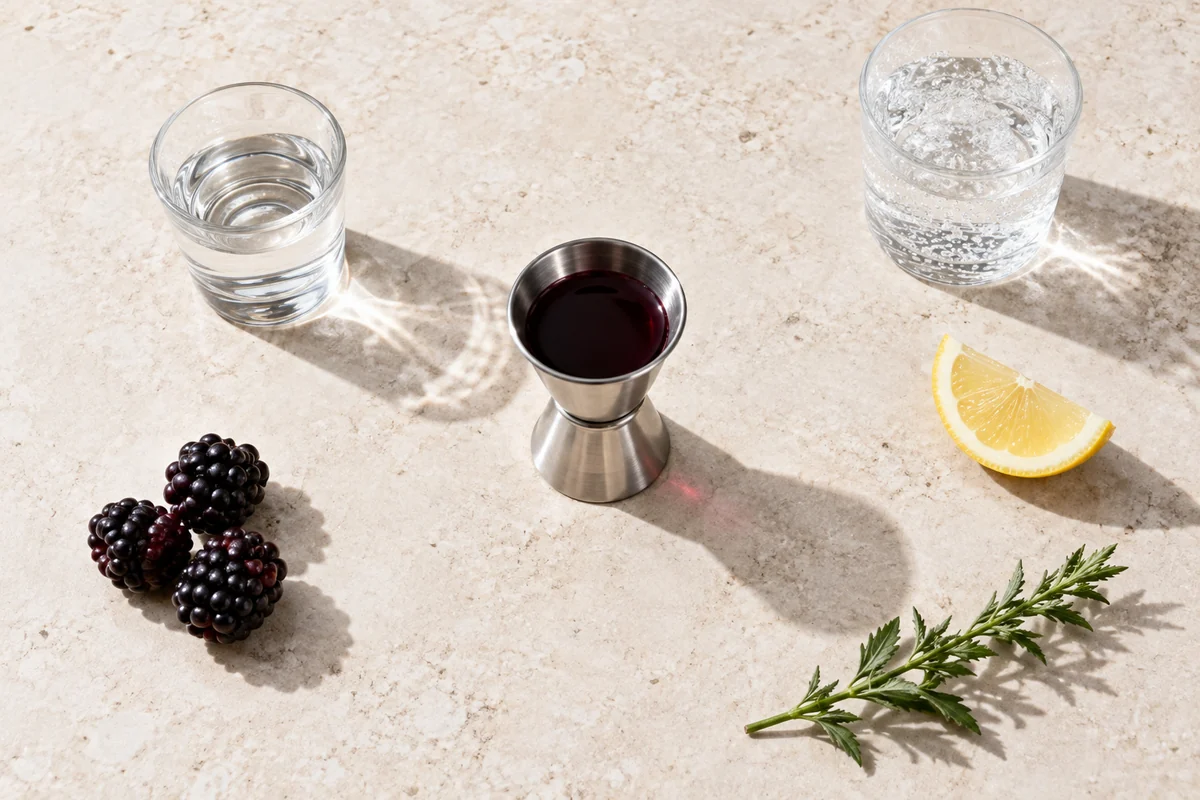
Blackberry also pairs with apple, pear, stone fruit, chocolate, vanilla, tea, herbs, and many dry spirits. Keep the liqueur as a measured modifier so the berry remains distinct instead of turning every combination into sweet dark fruit.
In sparkling service, carbonation lifts aroma and can make sweetness feel lighter, although it does not remove sugar or alcohol.
In a short spirit-forward drink, the same bottle may need a smaller measure and a firmer bitter or acidic edge.
Choose by flavour role and measured strength. You should read the ABV and measure the serving because dark colour and sweet aroma can make alcohol feel less obvious.
Tasting and choosing a blackberry liqueur
The documented tasting method transfers well: use a clean small glass at room temperature and keep the first sample small. Smell for fresh fruit, bramble leaf, floral lift, dark jam, spice, seed bitterness, and stale or heavily cooked notes.
Taste enough to judge sugar, acidity, warmth, and finish, then add a little water or let a chilled sample warm. This matters because dilution may open blackberry aroma while cold can hide floral detail.
If you are making a sparkling drink, choose fresh lift; for chocolate, tea, game, cheese, or pastry, choose deeper fruit. In each case, preserve enough acidity, dryness, or bitterness to keep the pairing distinct.
Taste the finish for seed dryness as well as sugar. A small bitter edge can give chocolate or aged spirit a cleaner boundary, while a purely soft liqueur may work better with sparkling wine, fresh pear, or a tart dessert.
Food changes the reading of the bottle. Salt and fat can soften bitterness, cocoa can amplify dark-fruit depth, and a sweet sauce can erase the contrast that made blackberry identifiable.
Storing blackberry liqueur
Keep your bottle upright, tightly closed, cool, and away from direct light unless the producer says otherwise. Giffard gives that advice for its Crème de Mûre, which supports the conditions for that bottle without creating a universal expiry date.
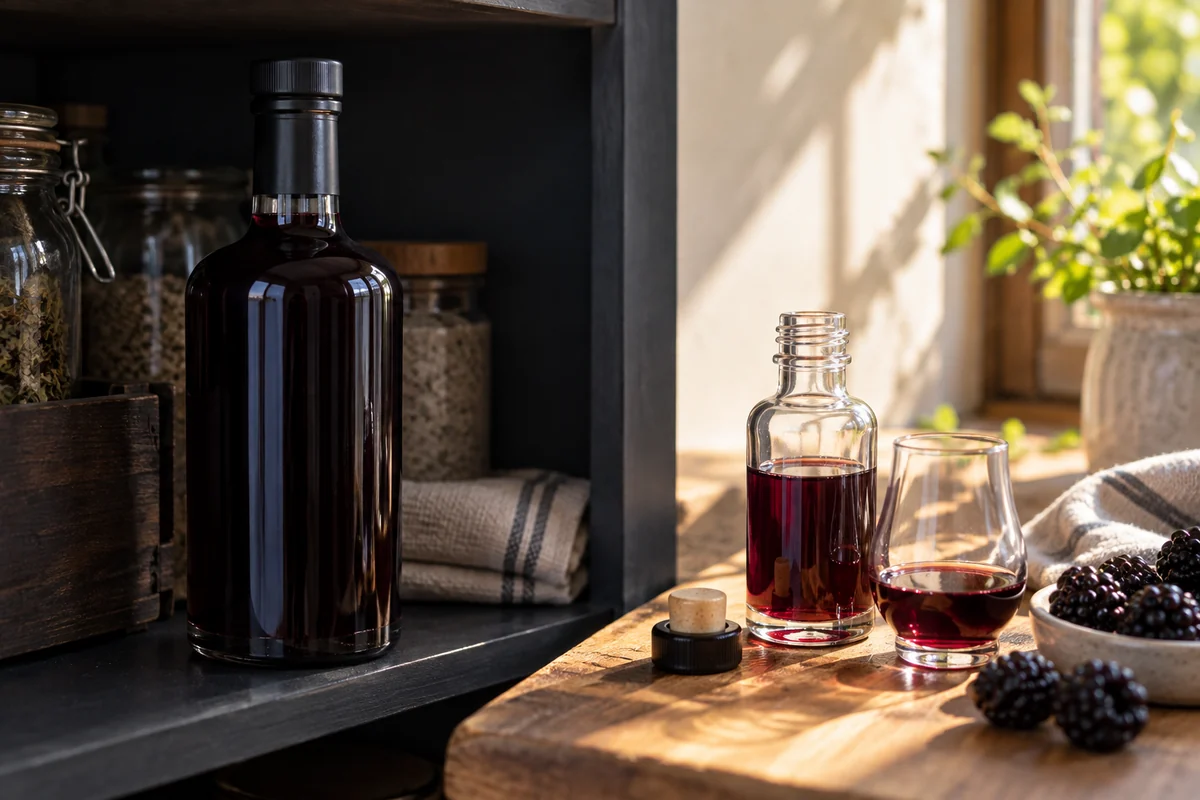
Dark colour can make gradual change hard to see, so compare aroma and clarity as well as hue.
A damaged closure, unexpected gas, unusual haze, or off odour is a reason to stop and check product guidance.
Ordinary ageing more often appears as muted fresh-berry aroma, a duller cooked note, or a shorter finish. Those quality changes are different from pressure, leakage, or an abnormal smell, which justify stopping service.
Marking the opening date can help you compare change, but it does not create a universal expiry. The producer's instructions, closure condition, storage history, and the bottle's current state remain more useful than a generic calendar.
Sweetness and food do not reduce the alcohol present. No taste test or storage condition can establish that someone is unimpaired or safe to drive.
Replacing blackberry syrup or puree
Syrup and puree can reproduce fruit and sweetness without reproducing alcohol or the same aromatic concentration.
Puree also adds pulp and water, while a clear liqueur adds alcohol and usually filters out most solids.
| Ingredient | Alcohol | Texture | What must be rebalanced |
|---|---|---|---|
| Blackberry liqueur | Yes | Clear to lightly viscous | Strength, sweetness, and aroma together |
| Blackberry syrup | No | Thick | Use less, then restore dilution or structure |
| Blackberry puree | No | Pulpy | Straining, water, acidity, and shelf life |
| Blackberry juice | No | Thin | Volume, dilution, sugar, and aroma intensity |
A one-for-one swap is rarely neutral. Make a small test, keep the fruit role visible, and change sugar and dilution separately.
With syrup, begin below the liqueur measure because concentrated sugar can dominate before enough blackberry aroma is present. With puree, account for pulp, extra water, shorter keeping quality, and the possibility that straining removes some aroma along with solids.
For an alcohol-free version, replace the liqueur's fruit and sweetness first, then rebuild any missing bitterness or body. Do not assume heating reliably removes all alcohol from a sauce or dessert.
Faults and expected changes
Seed bitterness can be a useful dry edge, but harsh woody bitterness may overwhelm the fruit.
A cooked note belongs in some jammy styles; a dull stale aroma or unexpected fermentation-like gas deserves a bottle-specific check.
Haze may come from fruit material in some products, yet a new haze in a formerly clear bottle is different. Compare with the producer's current description and stop serving when the closure, odour, pressure, or appearance is abnormal.
- Fresh and defined: berry aroma remains clear after dilution.
- Heavy: sugar and preserve notes cover acidity and base spirit.
- Oxidized: fruit loses brightness and moves toward dull cooked notes.
- Questionable: damaged closure, unexpected gas, off odour, or unexplained change.
A practical buying decision
Start your buying decision with the intended role, then verify ABV and ingredient needs. Fresh lift fits sparkling or citrus-led use; concentrated ripe fruit fits a short drink; jammy depth fits desserts and darker food pairings.
If crème de mûre is specified, a generic dark berry liqueur is not automatically equivalent. Confirm that blackberry is the named fruit and check whether cassis, raspberry, or sloe character would change the result.
For dairy avoidance, distinguish clear crème de mûre from a blackberry cream liqueur using the ingredient label. For alcohol avoidance, use a nonalcoholic blackberry ingredient and rebuild sweetness and dilution rather than assuming cooking removes the alcohol.
Colour, acidity, and seed bitterness
Blackberry pigments create a deep ruby-to-purple appearance, but colour intensity is not a sugar or fruit-content measurement. A brilliant dark sample can be fresh and tart, while a lighter one can still be sweet and concentrated.
Acidity gives the berry outline. When it is low, sugar and cooked-fruit notes can merge into a broad jam impression; when it is too high, the fruit can seem thin or candy-sour.
Seed bitterness supplies a dry ending that can be valuable in a sweet liqueur. Giffard specifically notes seed bitterness in its own crème de mûre, showing how a slightly bitter finish can be a deliberate bottle trait rather than a defect.
Judge the three elements together after dilution. A useful bottle keeps recognizable blackberry between the first sweet impression and the final dry edge, while leaving room for the base spirit or food pairing.
Common questions
- Is crème de mûre blackberry liqueur?
- Yes. Mûre is French for blackberry, and crème de mûre is a blackberry fruit liqueur name. In regulated EU use, crème refers to a higher sugar threshold rather than dairy.
- Can crème de cassis replace crème de mûre?
- It adds dark berry and sweetness, but blackcurrant is usually sharper and more forceful. Reduce the first measure and rebalance acidity and sugar.
- Does crème de mûre contain cream?
- Crème refers to sugar concentration in this liqueur name, not dairy. Check the ingredient label because cream-style products are separate.
Sources
-
Giffard Crème de Mûre
Accessed 12 September 2026.
-
Regulation (EU) 2019/787
Accessed 12 September 2026.
-
TTB Beverage Alcohol Manual, Chapter 4
Published 1 April 2007. Accessed 13 September 2026.
-
USDA ARS blackberry volatile composition study
Published 1 January 2009. Accessed 12 September 2026.
More in Liqueurs
-
 Almond liqueur
01
What is almond liqueur, and does it always contain almonds?
-
 Amaretto
02
What is amaretto, and what gives it an almond-like flavour?
-
 Apple liqueur
03
What is apple liqueur, and how does it differ from apple brandy?
-
 Apricot liqueur
04
What is apricot liqueur, and when does apricot brandy mean something else?
-
 Banana liqueur
05
What is banana liqueur, and how do fresh and ripe styles differ?
-
 Blue curaçao
06
Blue Curaçao: What Does the Name Actually Tell You?