
Liqueurs
What is apricot liqueur, and when does apricot brandy mean something else?
Apricot liqueur is a sweetened alcoholic liqueur built around ripe apricot flavour. Some bottles emphasize fruit pulp, some use a spirit base or kernel-like notes, and the name should not be read as proof that the bottle is an apricot brandy.
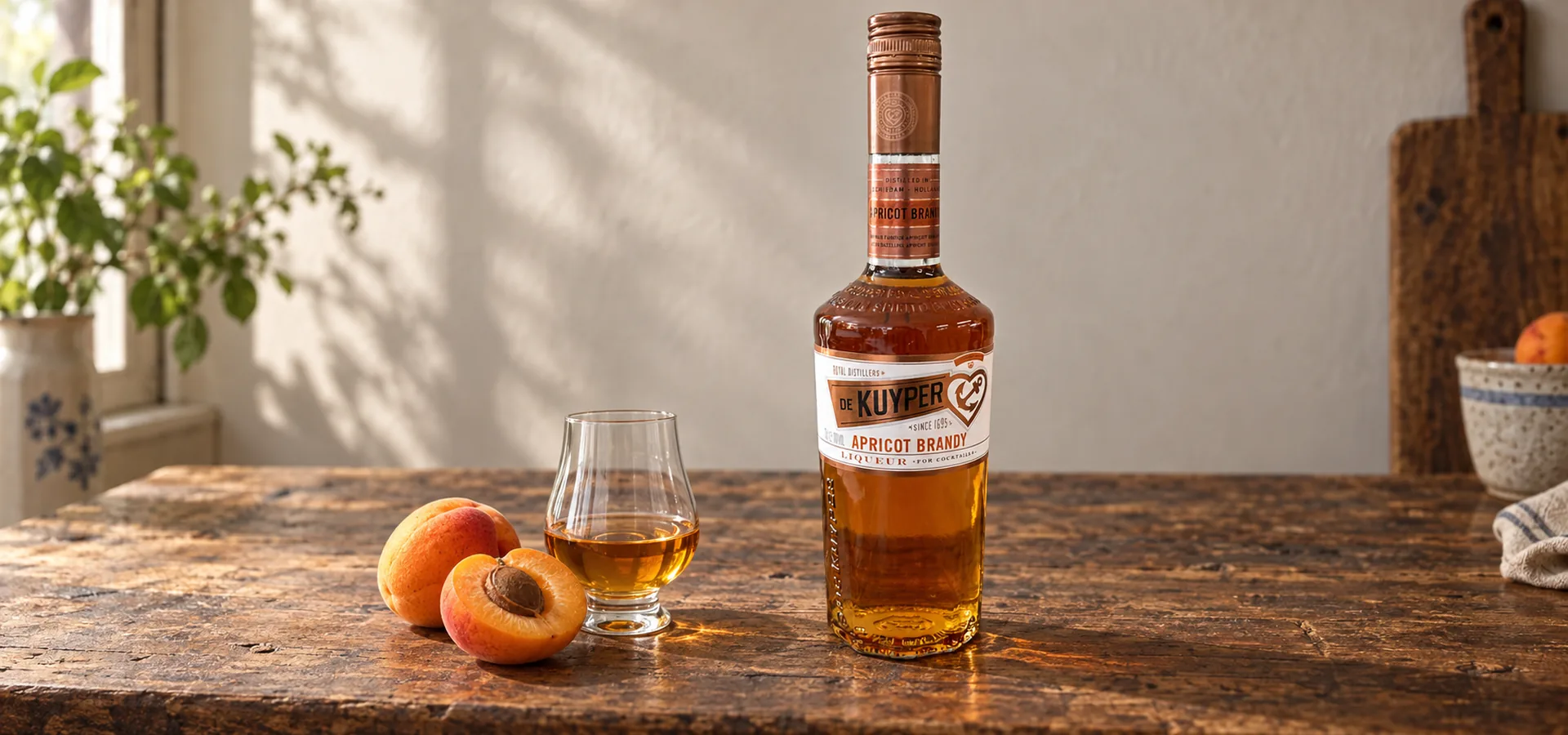
At a glance
- Legal category
- The EU liqueur category has a 15% ABV minimum and sugar requirements. A separate legal compound term may use the words apricot brandy, so a bottle's class and producer description matter.
- Typical strength
- 15 to 30 percent ABV
What is apricot liqueur?
Apricot liqueur is a sweetened alcoholic drink designed to carry apricot aroma and flavour. It can move from fresh, floral fruit to jam, stone fruit, spice, or a light kernel note depending on the materials and method a producer uses.
The EU definition of liqueur sets a general minimum of 15% ABV and requires sweetening, but it does not prescribe one fruit process. Luxardo describes its own Apricot as using apricot pulp with sugar-beet alcohol and cinnamon, while another producer may use a different fruit, infusion, base, or blending route.
- Category boundary
- A sweetened liqueur, not automatically an apricot distillate.
- Producer example
- Felsenriss lists 21% ABV for its apricot liqueur.
- Useful flavour test
- Decide whether you need fresh fruit, cooked fruit, or a kernel-like finish.
That variability is useful when choosing a bottle, but it makes a generic substitute risky. A fruit-forward liqueur can add sweetness and soft fleshiness, while an apricot brandy or eau-de-vie will usually contribute a drier distilled-spirit structure.
Apricot liqueur and apricot brandy are not the same
Apricot liqueur is normally the better description when sweetness is central to the finished drink. The words apricot brandy can also appear as a regulated compound term in the EU for a spirit drink made by adding apricots or apricot macerate to brandy, which is a different legal and flavour question.
| Term on a bottle | What it may signal | Why it matters |
|---|---|---|
| Apricot liqueur | Sweetened fruit-led liqueur | Usually adds aroma, sugar, and body |
| Apricot brandy | Check the jurisdiction and bottle class | Can refer to a compound term or a different spirit style |
| Apricot eau-de-vie | Fruit distillate where law permits the term | Typically drier and more spirit-forward |
Do not resolve that difference by colour or by a menu shorthand.
Read the class, ABV, producer description, and jurisdictional label information for the bottle you are actually considering.
The distinction matters in a measured drink. Replacing a dry fruit spirit with a liqueur can add enough sugar to erase the intended balance, while replacing a liqueur with a spirit can remove the body that carries the apricot note.
What should an apricot liqueur add to a drink?
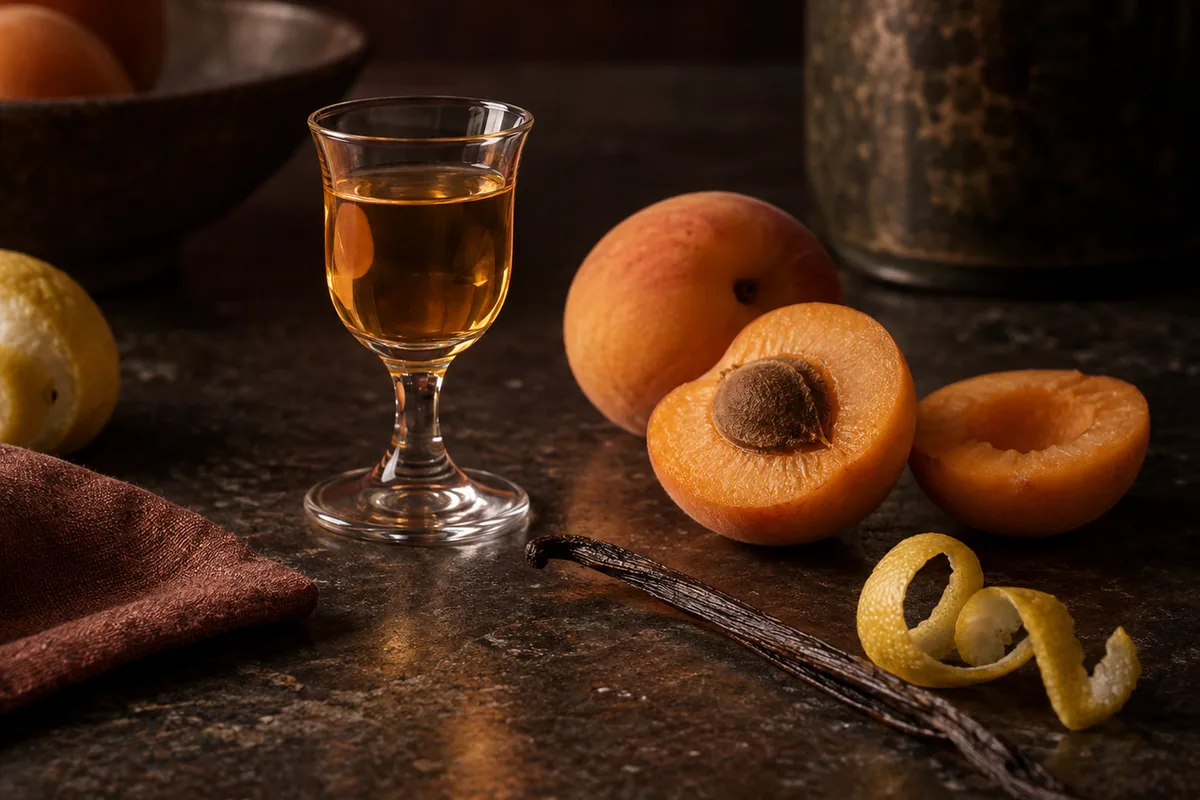
Apricot often works as a bridge between a dry spirit and fruit, citrus, tea, or spice. A ripe, jammy style can round a sharp drink; a floral or kernel-edged style may stay recognisable in a smaller measure and give a cleaner finish.
Luxardo's use of pulp and a cinnamon note shows one way a producer can give the flavour more depth than simple fruit sweetness.
Treat it as a bottle-specific example, then taste your own bottle before deciding whether it needs acid, bitterness, dilution, or a dry partner.
Do not use apricot liqueur as a one-for-one stand-in for juice, syrup, or fruit brandy. It changes alcohol, sweetness, and texture at the same time.
For a dessert, a fuller apricot profile can support almond, pistachio, honey, vanilla, or baked pastry.
In a drink, lemon, bitter aperitif notes, tea, or a dry base can give the fruit sweetness an edge.
Choosing and keeping apricot liqueur
Choose by the role you need: ripe fruit for a dessert or softer drink, floral freshness for a lighter serve, or a kernel-like finish when the liqueur has to remain identifiable beside a stronger base. The ABV on the bottle is more useful than assuming one universal fruit-liqueur strength.
- Check the class: distinguish liqueur from brandy or eau-de-vie.
- Check the flavour method: look for producer information on fruit pulp, maceration, spice, or a spirit base.
- Store sensibly: keep the sealed bottle upright, cool, and out of direct light unless its producer says otherwise.
That storage guidance protects flavour from heat and light. It does not create a blanket shelf-life claim, so producer instructions and the condition of the individual bottle remain the deciding evidence.
Why does apricot brandy cause so much confusion?
Older cocktail books sometimes use apricot brandy for a sweet apricot modifier, while modern bottles may use those words for a spirit with a different legal meaning. The practical trap is that the historical ingredient can behave more like liqueur than like a dry fruit eau-de-vie.
The EU regulation recognizes a compound term in which apricots or apricot macerate are added to brandy.
Elsewhere, trade usage and label rules can differ, so neither an old recipe nor a shop shelf supplies a universal definition.
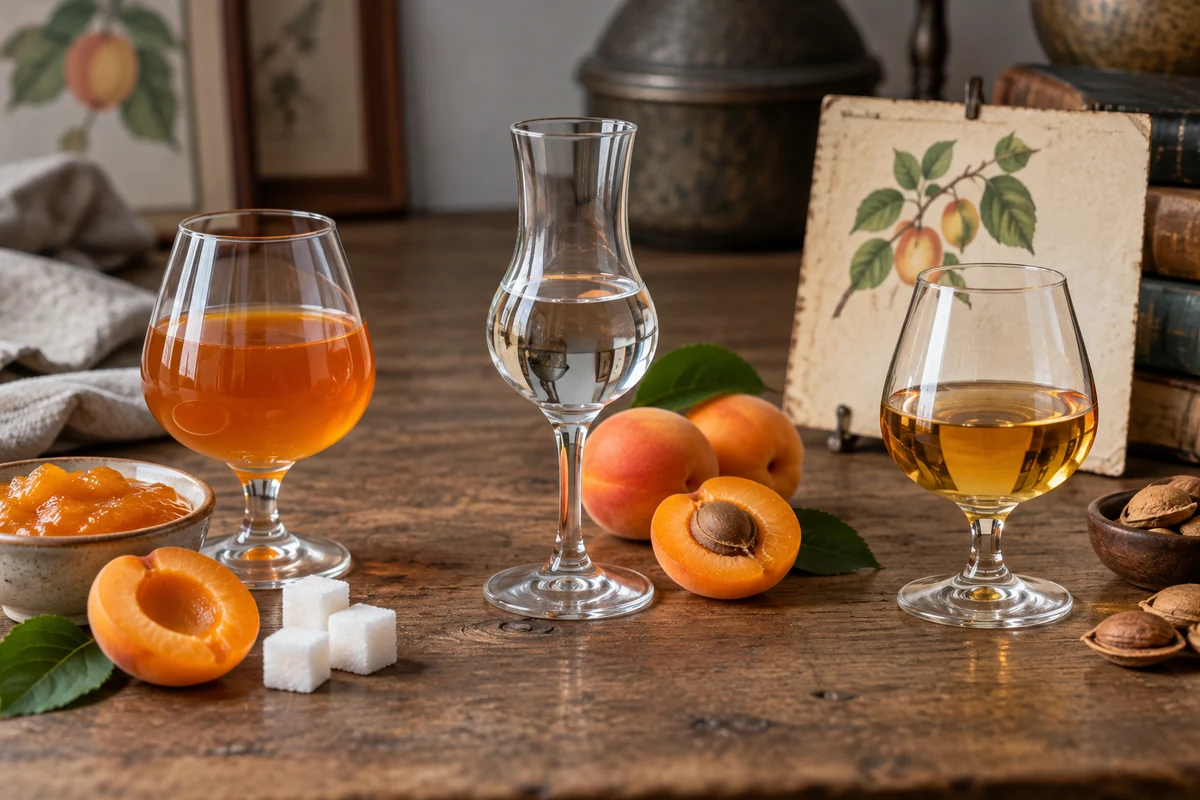
Use the recipe's function as supporting evidence. A dry eau-de-vie can leave a formula thin when the original expected sugar and body, while liqueur can make a dry formula heavy.
The surrounding ingredients often reveal more than the historical name. A formula with lemon and no other sweetener probably expects the apricot ingredient to carry some sugar, while a long base-spirit measure with separate syrup may point toward a drier product.
Publication place matters because British, American, and continental bar language did not always use fruit-brandy terms in the same way. Treat the old wording as a clue, then compare the intended strength and sweetness with a modern bottle.
When uncertainty remains, make two very small trials rather than choosing by colour. Hold the base and citrus constant, use liqueur in one and a dry fruit spirit in the other, then adjust sugar only after the structural difference is clear.
Floral, jammy, and kernel notes
Apricot aroma varies by cultivar and ripeness. Studies across cultivars identify esters, lactones, terpenes, and other volatiles, with their pattern changing during post-harvest ripening.
Lactone-rich character can suggest soft stone fruit, while floral compounds and citrus-like terpenes make the aroma feel lighter. Concentration and sugar can push the impression toward preserve, pastry filling, or dried apricot.
- Fresh direction
- Floral, lightly tart, juicy, and peel-like.
- Ripe direction
- Soft flesh, honey, and rounded fruit.
- Cooked direction
- Jam, dried apricot, caramel, pastry, and spice.
A kernel-like edge does not prove kernels were used. The FDA identifies amygdalin in apricot seeds as a cyanide risk when consumed in quantity, so do not turn a commercial flavour description into a home infusion method.
Apricot aroma can seem fuller as it ripens because fruity and floral compounds change while green notes recede. In a liqueur, sugar and alcohol then alter how long those cues remain and how strongly a jam impression develops.
Acid is the useful countercheck. If a bottle smells vivid but tastes broad and soft, a restrained acidic or bitter partner may restore the shape of fresh fruit without forcing the drink toward peach candy.
Kernel, spice, and caramel are supporting directions rather than proof of quality. A good bottle keeps apricot flesh recognizable through the finish instead of letting vanilla, cinnamon, or generic sweetness take over.
How is apricot liqueur produced?
Commercial methods can begin with fruit pulp, juice, macerated fruit, distillate, prepared flavouring materials, or a blend. Sugar, water, and the alcoholic base are adjusted to create the intended body and strength.
Luxardo describes apricot pulp, sugar-beet alcohol, and cinnamon for its bottle, while Giffard describes slow maceration of ripe Roussillon apricots with Cognac. These examples explain variation without defining the whole category.
Pulp can bring broad fruit and body, while a filtered macerate may emphasize aroma with less visible fruit material.
A characterful alcoholic base can add dried-fruit, oak, or warmth that a neutral base leaves absent.
Producers also have to control haze, sediment, colour stability, and the way aroma survives proof adjustment. Those decisions explain why two liqueurs made from apricots can differ in clarity, texture, and finish without one being a faulty version of the other.
- Fruit selection changes aroma. Cultivar and ripeness influence floral, green, ripe, and cooked cues.
- Extraction changes emphasis. Time, temperature, and alcohol affect which fruit compounds are captured.
- Blending changes structure. Sugar, water, base spirit, spice, and colour shape body and finish.
- Filtration and verification stabilize the release. The producer checks clarity, strength, formula, and labeling.
Matching the apricot style to the job
| Use | Look for | Balance with | Avoid |
|---|---|---|---|
| Bright mixed drink | Fresh flesh and blossom | Lemon, soda, dry spirit | A heavy preserve note |
| Spirit-forward drink | Concentrated fruit with a clean finish | Brandy or whisky, tea, bitterness | Replacing dry fruit spirit unchanged |
| Dessert | Ripe, jammy, spice-compatible aroma | Salt, nuts, cocoa, tart fruit | Stacking several sweet sauces |
| Small chilled pour | Aroma that survives cooling | Moderate chill and a clean glass | Serving so cold the fruit disappears |
Taste a measured sample at room temperature, then add a little water or let a chilled sample warm. This reveals whether fresh fruit opens or the style collapses into sugar.
Keep the bottle upright, tightly closed, cool, and away from light unless its producer says otherwise.
Measure the serving because fruit sweetness cannot establish that someone is unimpaired or safe to drive.
Adapting an old recipe that says apricot brandy
Read the ingredient's position and measure before choosing a bottle. A small sweet modifier beside a dry base usually points toward liqueur, while a large base-spirit measure needs evidence before you substitute a sweet product.
- Check the publication date and region. Historical bar language was not uniform.
- Look at the surrounding sugar. Little or no syrup may mean the apricot ingredient was expected to sweeten.
- Compare the intended volume. A modifier measure and a base-spirit measure perform different jobs.
- Test a small batch. Add sweetness or dryness separately instead of forcing one bottle to solve both.
If the recipe includes citrus, apricot liqueur can soften it; if it includes sweet vermouth or syrup, the same liqueur may make the finish cloying.
Record the bottle and adjustment once the balance works because another brand may behave differently.
Reading an apricot liqueur label
Read the complete product name, class or type, ABV, ingredient information, and country-specific wording. The front fruit image cannot prove pulp content, a named cultivar, a brandy base, or kernel use.
Colour is equally limited. Pale gold can taste ripe and intense, while deep orange may reflect fruit concentration, caramel colour, another permitted colour, or a producer's visual style.
Use producer claims at bottle scope. Pulp, Cognac, cinnamon, maceration time, and fruit origin describe the named product only when the producer actually states them.
For an allergen or ingredient restriction, current packaging in the selling market is the practical evidence. Fruit imagery and the word apricot do not settle the alcoholic base, added spice, colour, preservatives, or cross-contact information.
A producer's online page can help narrow the choice, but the bottle in hand remains important because formulas and labels can vary by market.
When a restriction matters, confirm the current package rather than relying on an older listing or menu description.
The ABV also predicts how much structural change a substitution will cause. A 20 to 25% ABV liqueur and a dry fruit spirit can occupy the same volume while contributing very different alcohol, sugar, and weight.
Apricot and peach liqueurs are not interchangeable
Both belong to the stone-fruit family, but apricot often brings denser fruit, sharper skin, floral lift, and a kernel-adjacent finish. Peach can read softer, juicier, and more overtly perfumed, although individual bottles can reverse those expectations.
In a delicate sparkling drink, peach may broaden the aroma while apricot keeps a firmer fruit edge.
In a dark spirit or baked dessert, apricot's dried-fruit and spice direction may remain clearer.
Start below the original measure when the replacement is sweeter or more aromatic. Then restore the missing acidity, bitterness, or body separately instead of assuming the two fruit names guarantee the same balance.
The substitution also changes colour and finish. A pale peach liqueur may lighten appearance, while a deep apricot bottle can add amber colour and a longer cooked-fruit impression.
Common questions
- Does apricot liqueur contain apricot brandy?
- Some products may use a spirit base or brandy, while others use different production routes. The liqueur name alone does not establish the formula.
- What can balance apricot liqueur?
- A dry spirit, citrus, tea, bitterness, or dilution can counter its sweetness. Taste the bottle first because apricot styles vary.
Sources
-
FDA Natural Toxins in Food
Published 26 September 2024. Accessed 12 September 2026.
-
Felsenriss Apricot Liqueur
Accessed 12 September 2026.
-
Giffard Abricot du Roussillon
Accessed 12 September 2026.
-
Luxardo Apricot
Accessed 12 September 2026.
-
Physico-chemical changes and volatile constituents in apricot cultivars
Published 23 September 2013. Accessed 12 September 2026.
-
Regulation (EU) 2019/787
Accessed 12 September 2026.
More in Liqueurs
-
 Almond liqueur
01
What is almond liqueur, and does it always contain almonds?
-
 Amaretto
02
What is amaretto, and what gives it an almond-like flavour?
-
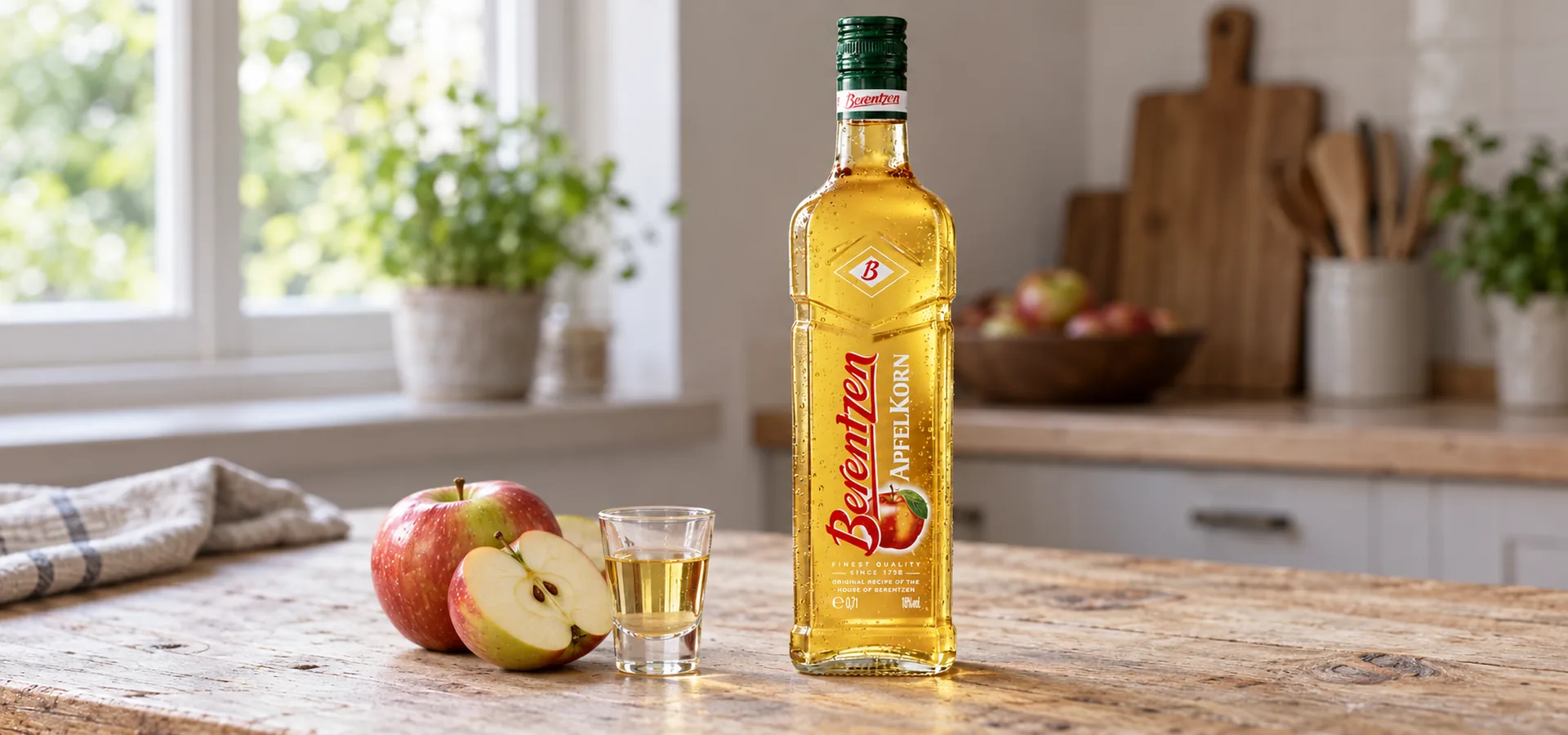 Apple liqueur
03
What is apple liqueur, and how does it differ from apple brandy?
-
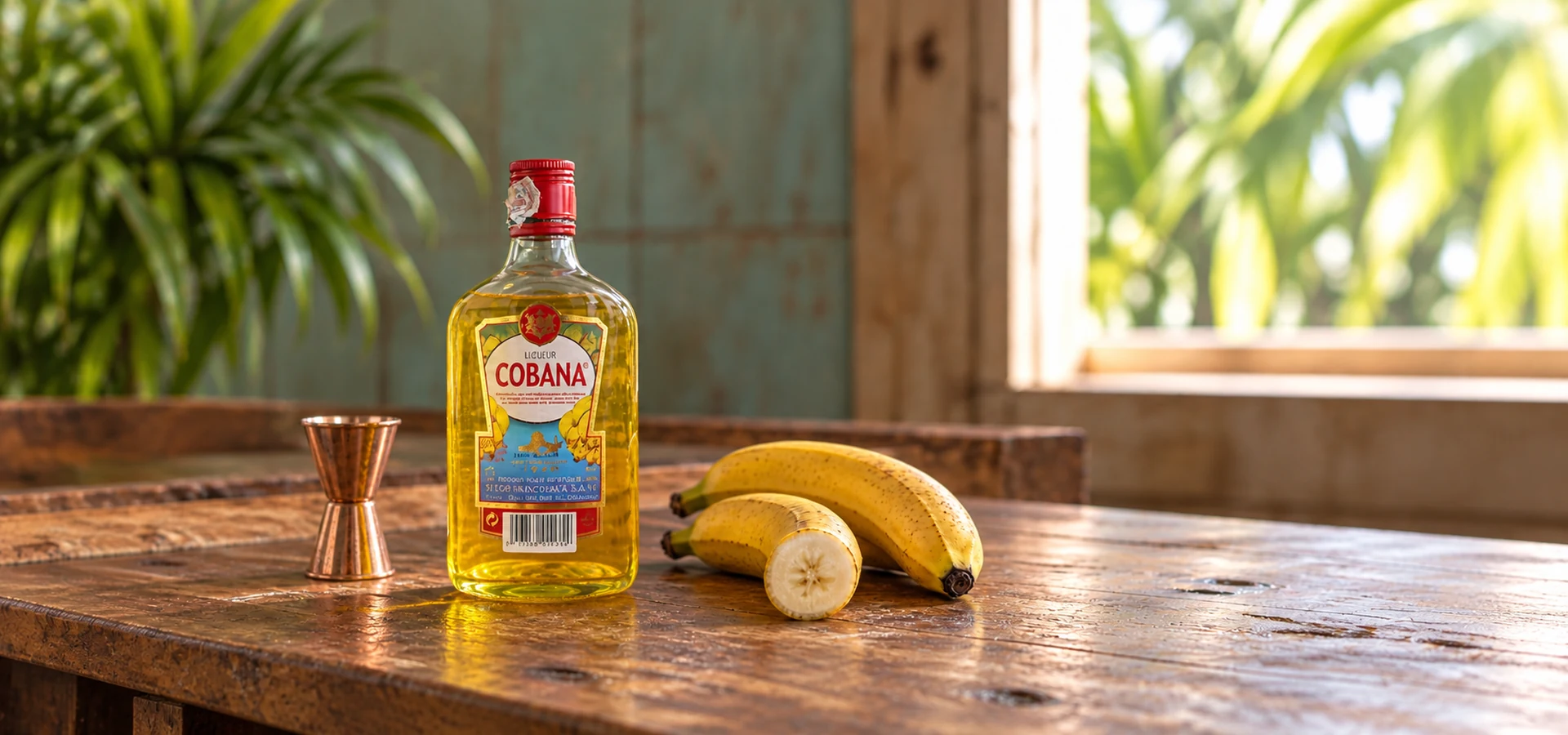 Banana liqueur
04
What is banana liqueur, and how do fresh and ripe styles differ?
-
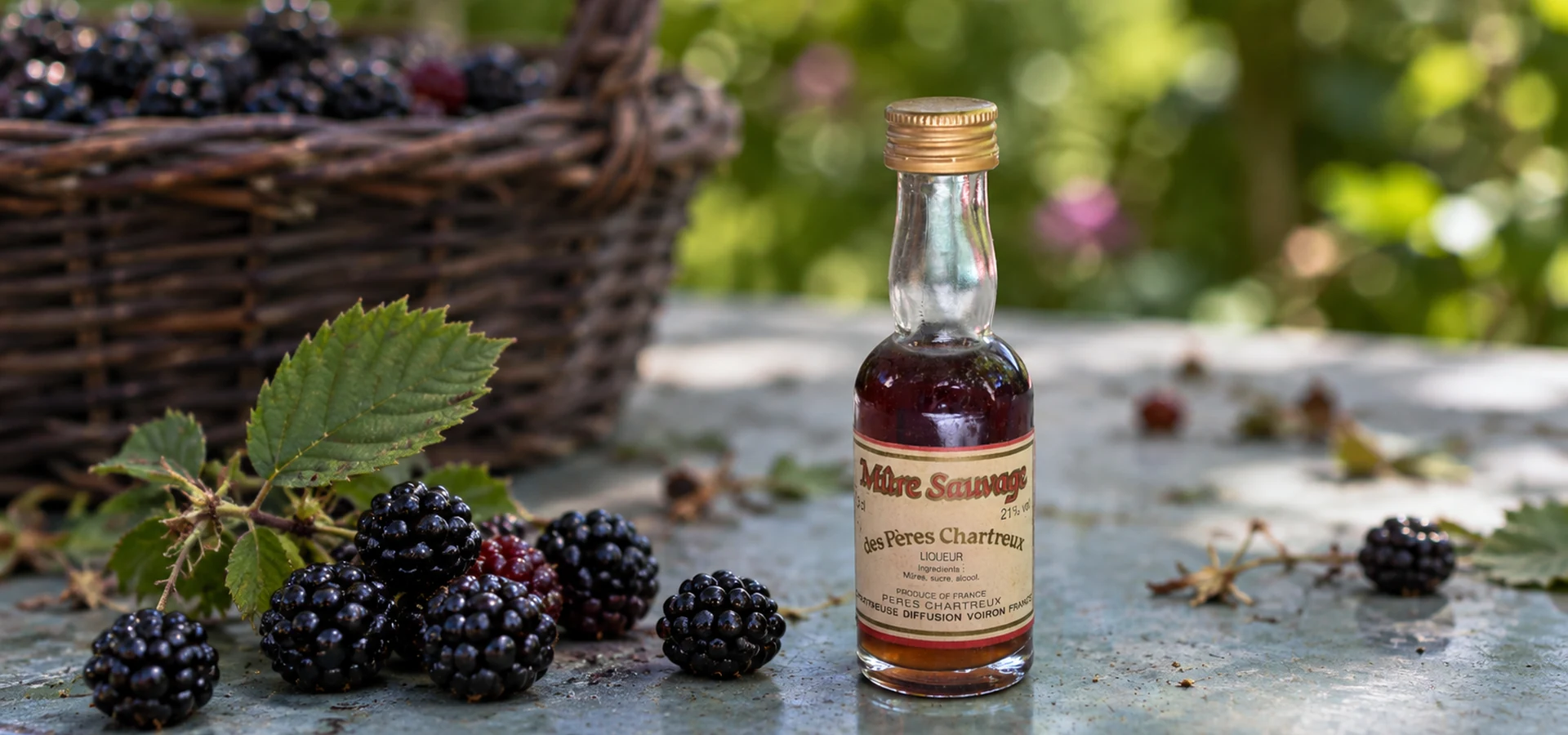 Blackberry liqueur
05
What is blackberry liqueur, and is it the same as crème de mûre?
-
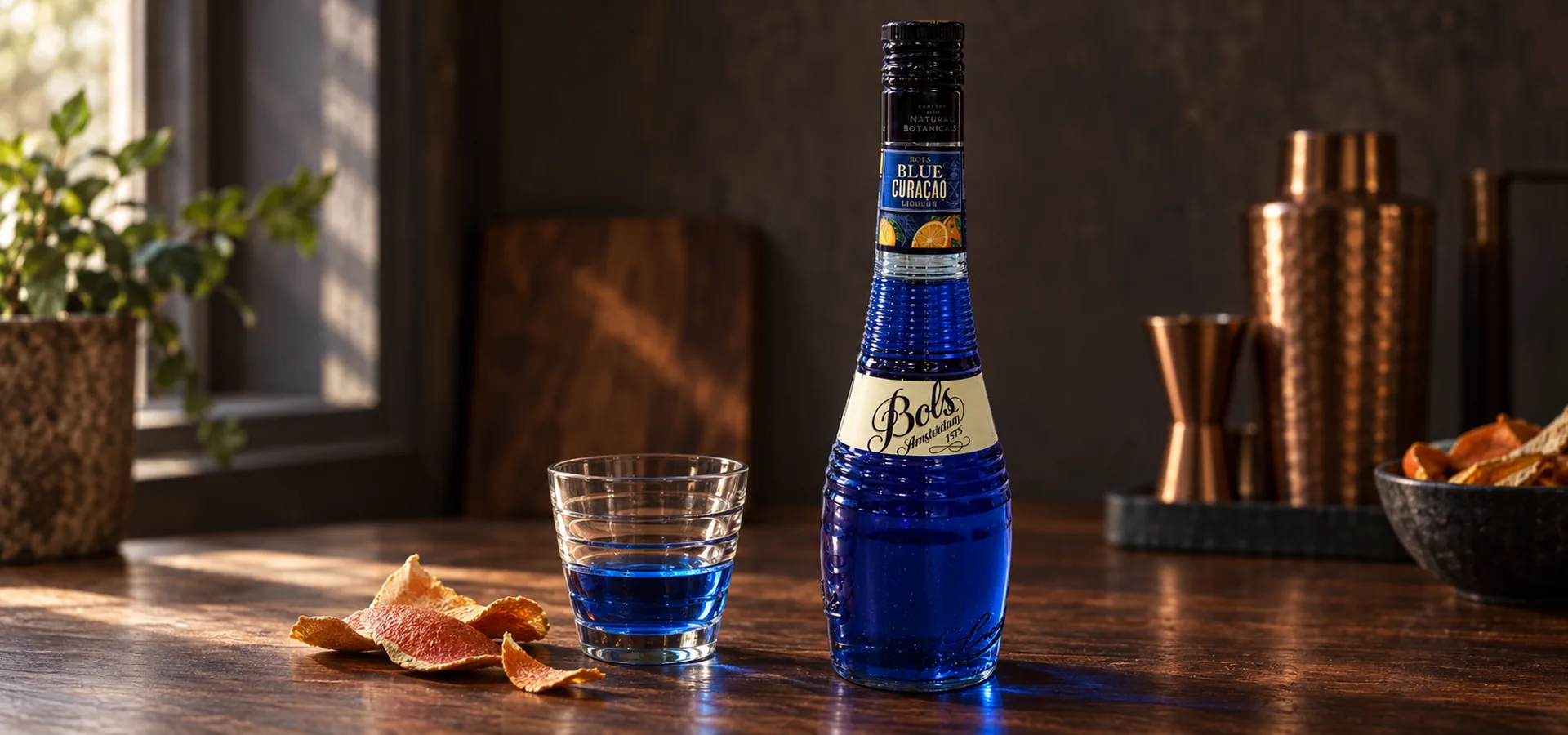 Blue curaçao
06
Blue Curaçao: What Does the Name Actually Tell You?