
Liqueurs
What is banana liqueur, and how do fresh and ripe styles differ?
Banana liqueur is a sweetened alcoholic liqueur built around banana aroma. The most useful choice is not simply ‘banana or no banana’; it is whether the bottle suggests fresh fruit, dried ripe fruit, confectionery sweetness, or a deeper caramelised note.
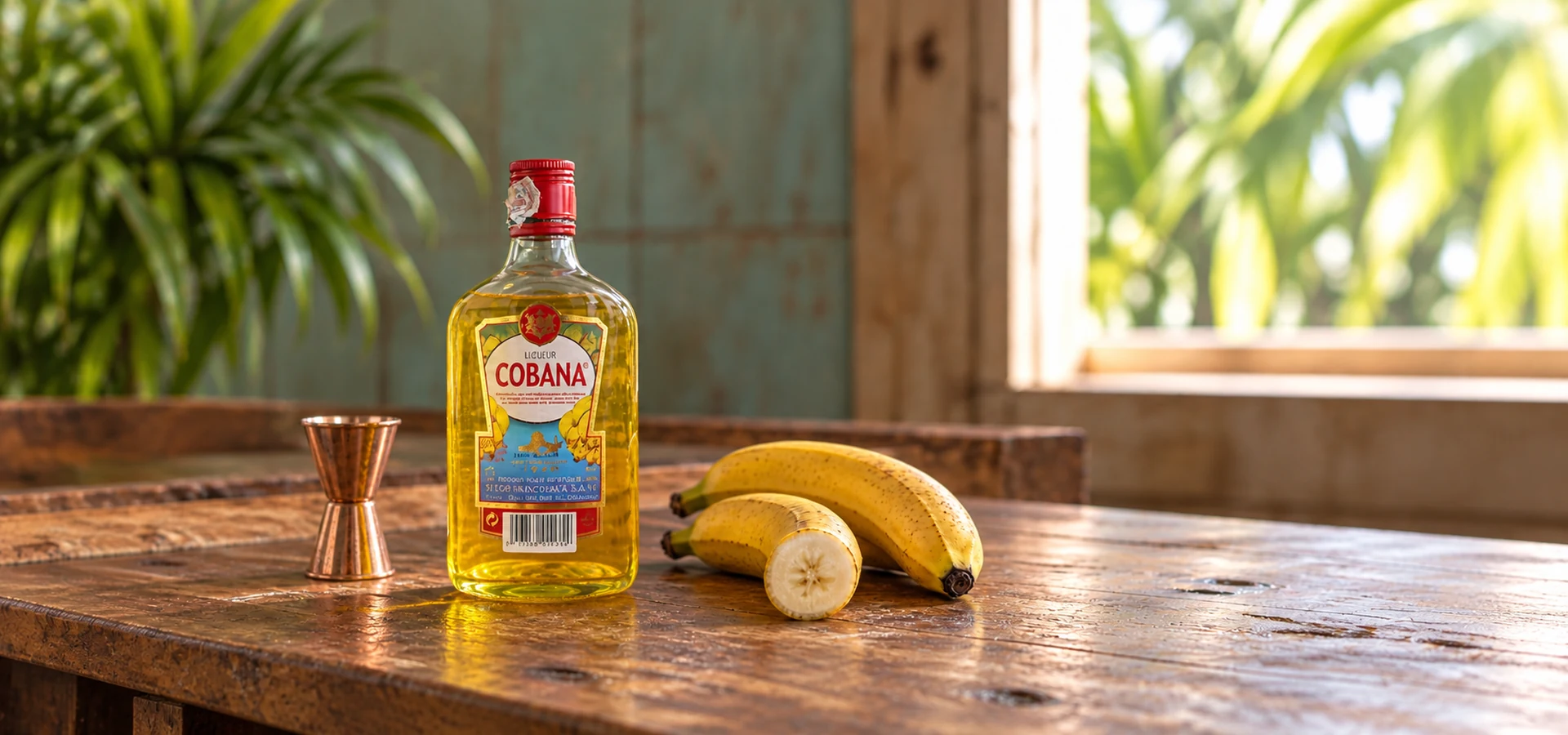
At a glance
- Legal category
- In the European Union, the general liqueur category has a 15% ABV minimum and sugar requirements. The name crème de banane can signal a sweeter subcategory in regulated contexts, but the actual bottle remains the evidence.
- Typical strength
- 15 to 30 percent ABV
What is banana liqueur?
Banana liqueur is a sweetened alcoholic liqueur with a banana-led aroma. It is usually a modifier rather than a neutral base: a small pour can bring ripe-fruit perfume, sweetness, body, and a dessert-like finish all at once.
Producers reach that profile in different ways. Giffard Canada describes slow maceration of bananas for its banana liqueur, while Gabriel Boudier describes dried ripe banana maceration for its crème de bananes; those are two useful bottle-specific examples, not one required category recipe.
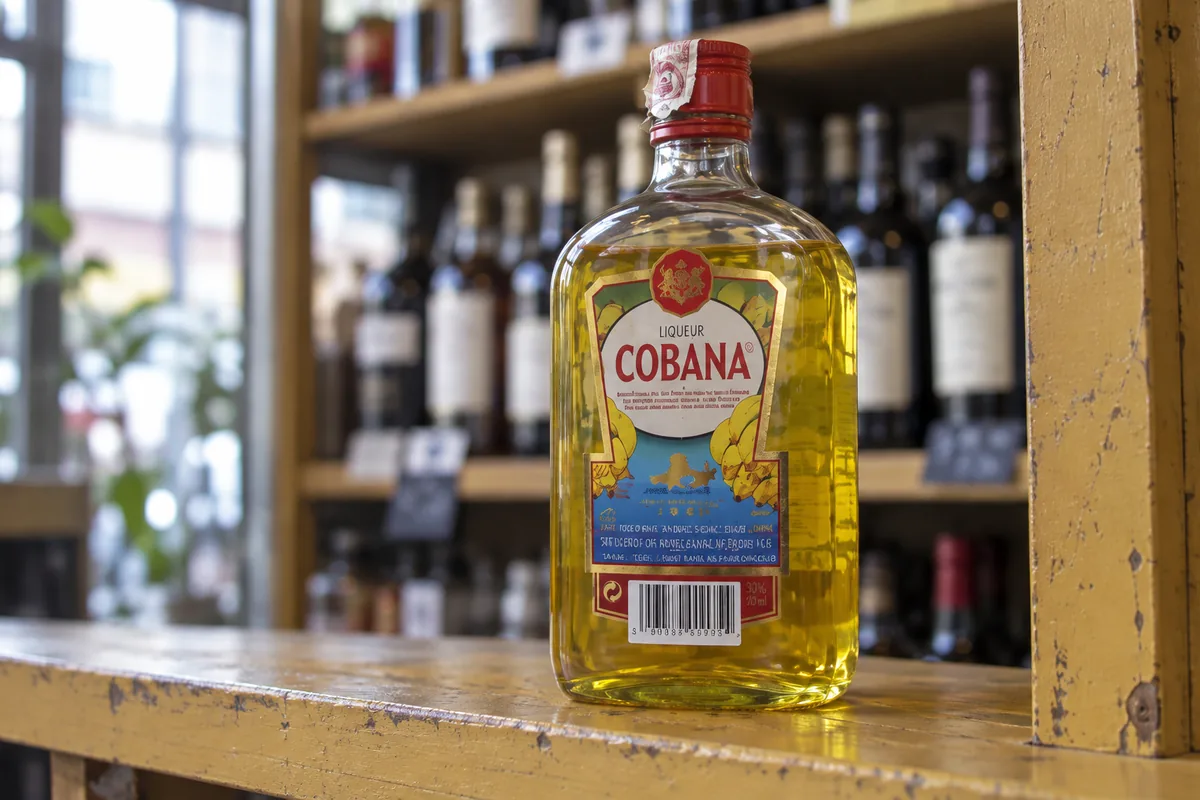
- EU liqueur floor
- 15% ABV in the general liqueur category.
- Producer examples
- Tamborine Mountain lists 20%; Gabriel Boudier lists 25% for its own products.
- Mixing role
- A concentrated sweet fruit modifier, usually used in a measured smaller portion.
That range makes the label more important because a flavour name does not define the production method.
A bottle can be bright and fresh-fruit leaning, heavy with dried-banana sweetness, or deliberately confectionery-like, and each one needs a different partner in a drink.
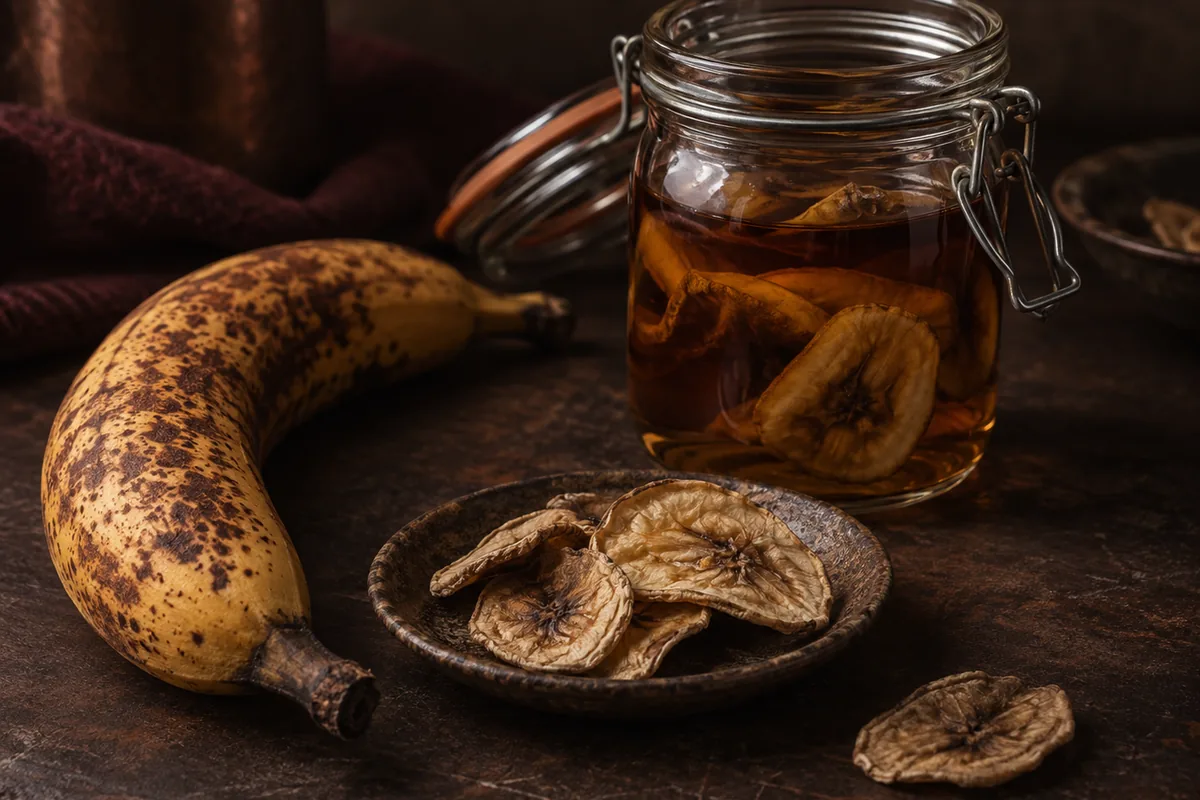
Ripeness changes banana liqueur from green to caramelised
Less-ripe banana can read clean and lightly fruity. Riper or dried banana often suggests honey, caramel, baked banana, or a broader confectionery note, especially when the liqueur's sugar and alcohol carry the aroma over a longer finish.
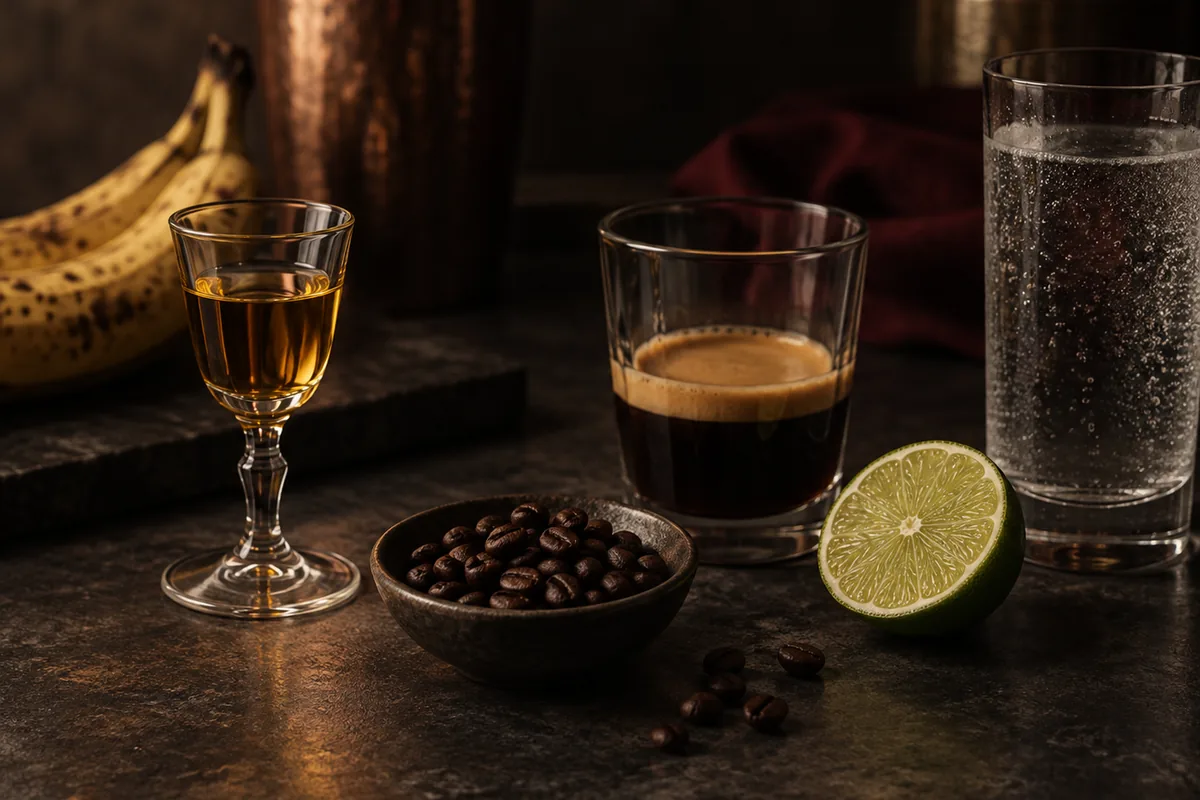
That difference is practical. A fresh-leaning banana liqueur can be paired with citrus, soda, or a dry spirit; a riper style often benefits from coffee, cocoa, dark spice, or bitterness to stop the sweetness becoming indistinct.
- Fresh-fruit direction: seek contrast from citrus, sparkling water, or a dry base.
- Ripe or dried-fruit direction: seek bitterness, coffee, cocoa, or spice.
- Uncertain bottle: taste a small measured sample before adding syrup or cream.
Do not treat a yellow label or artificial-looking colour as evidence of how the aroma was made. The back label, producer description, and the actual taste of the bottle are more useful than packaging cues.
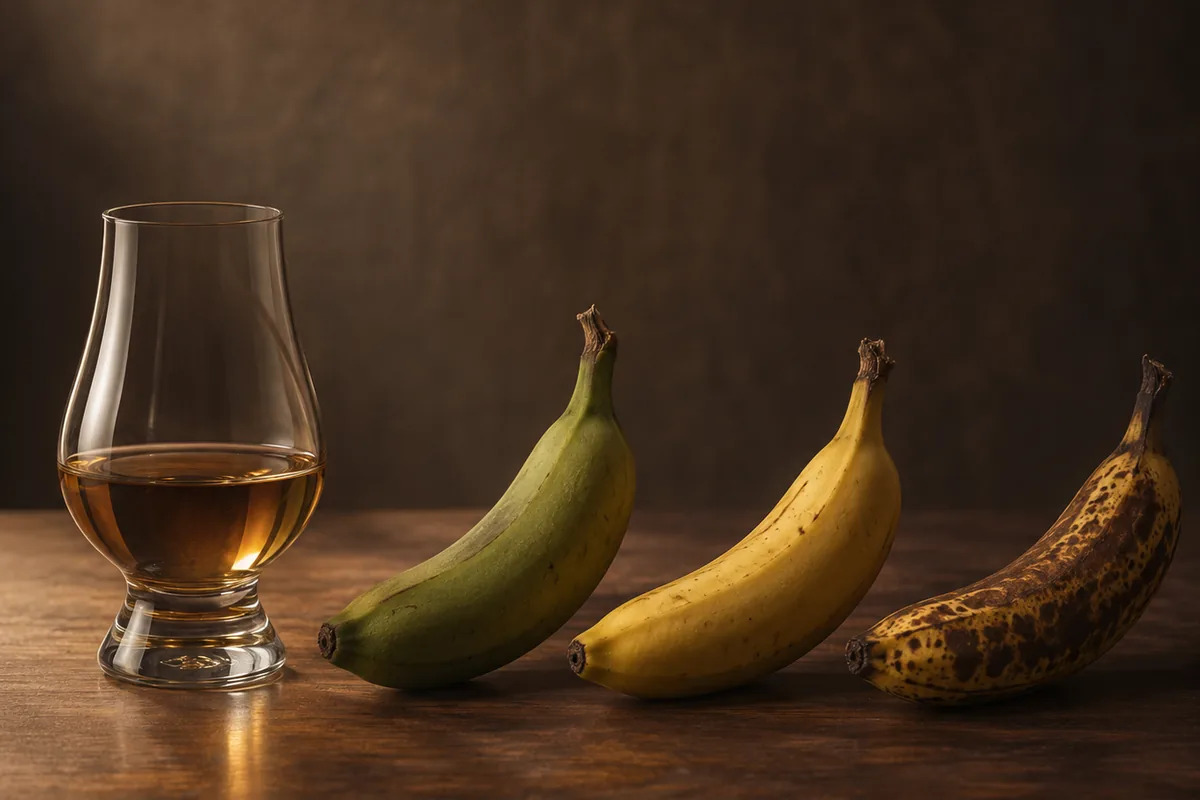
Is crème de banane different from banana liqueur?
Crème de banane is a banana-flavoured liqueur name that can carry a higher-sugar meaning in regulated contexts. Under the EU rules, crème de liqueur has a higher sugar threshold than the general liqueur category, but the name does not tell you the exact sweetness, recipe, or ABV of every product.
| Label clue | What it can tell you | What it cannot settle |
|---|---|---|
| Banana liqueur | Banana is the intended flavour family | Fruit method, exact sweetness, or ABV |
| Crème de banane | May point to a sweeter regulated style | Whether it tastes fresh, dried, or caramelised |
| ABV on bottle | The strength of that product | How sweet it will taste after dilution |
For an ingredient or allergen decision, use the actual package information for your market. The flavour name alone cannot confirm fruit content, colour, dairy, other allergens, or the base used in a particular bottle.
Clear and opaque products need separate checks. A clear crème de banane can use crème as a sugar-category term, while an opaque banana cream liqueur may contain dairy or another emulsion that changes storage and mixing behaviour.
Do not swap banana liqueur one-for-one for banana puree, syrup, or a dry spirit. The liqueur changes alcohol, sweetness, texture, and aroma together.
Using and storing banana liqueur
Choose a bottle by the contrast it needs to supply.
For a bright mixed drink, a clearer fruit style can work in a small measure; for coffee, chocolate, or a dessert, a ripe profile can add depth without requiring another syrup.
Use a measured first pour, then taste after dilution.
That small step is more dependable than a generic ratio because banana liqueurs differ in concentration, strength, and sweetness.
Keep the bottle sealed, upright, cool, and away from direct light unless its producer says otherwise.
This protects the aroma but does not replace bottle-specific storage instructions or create a universal shelf-life promise.
Banana candy and whole-fruit aroma
No. Isoamyl acetate is strongly associated with banana aroma, but real banana aroma contains many volatile compounds whose balance changes with cultivar and ripeness.
A focused flavouring can emphasize the familiar candy note, while fruit maceration may add honey, dried fruit, green peel, fermented fruit, spice, or cooked-banana depth. The useful question is whether the finished profile fits the intended drink.
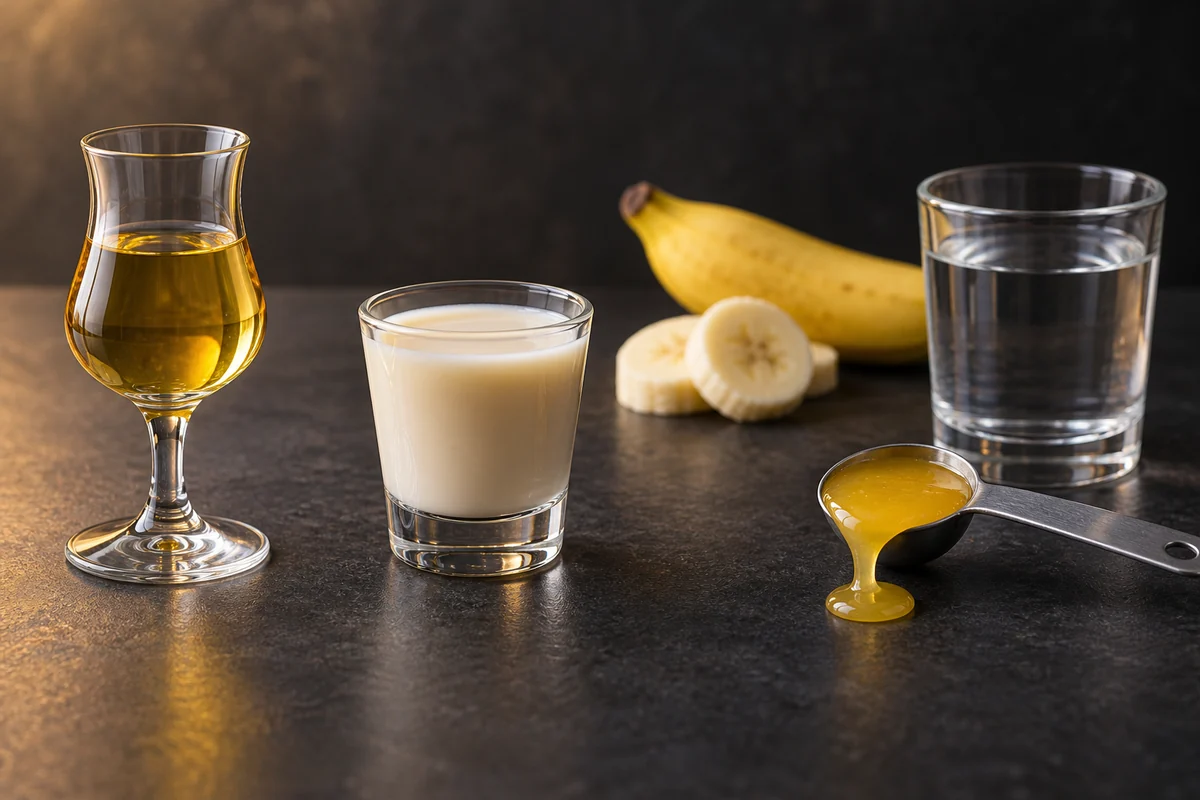
Bright yellow colour is a presentation clue, not proof of fruit content or flavour quality. Check the producer's description when the material route matters.
Isoamyl acetate supplies a highly recognizable banana cue, but it does not reproduce the whole fruit by itself. Other esters, aldehydes, alcohols, and ripening products can add green peel, pear-like fruit, honey, spice, or fermented depth.
This explains why candy-like is a useful description rather than an automatic defect.
A narrow banana note can remain clear in a cold mixed drink, while a broader fruit profile may work better where coffee, cocoa, aged spirit, or dessert flavours need depth.
Dilution is the decisive test. If the banana disappears as soon as water or ice is added, the bottle may need a smaller, colder format; if it becomes louder and more solvent-like, reducing the measure is usually more effective than adding sugar.
Does crème de banane contain cream?
The word crème in a liqueur name usually refers to sugar concentration in regulated European terminology, not dairy. A clear crème de banane can be dairy-free, while a separate banana cream liqueur may contain dairy or another creamy base.
| Product | Main structure | Critical check |
|---|---|---|
| Banana liqueur | Alcohol, banana flavour, sweetness | ABV and flavour direction |
| Crème de banane | Higher-sugar naming context where regulated | Market definition and label |
| Banana cream liqueur | Banana plus a cream-style base | Dairy, allergens, refrigeration |
| Banana syrup or puree | Nonalcoholic sweetener or fruit | Texture, sugar, and zero alcohol |
The distinction matters for allergens and storage. The front word crème cannot replace the ingredient statement.
How is banana liqueur made commercially?
Producers can macerate fresh or dried banana, combine a fruit preparation with neutral alcohol, use approved flavouring materials, or blend several routes. Sugar and water are adjusted to create the intended body and strength.
Giffard describes slow banana maceration, while Gabriel Boudier describes dried ripe banana maceration. Drying concentrates some ripe-fruit and caramel-like cues, so these descriptions explain sensory variation without defining every bottle.
Fresh fruit and dried fruit create different processing demands. Fresh banana brings water and unstable pulp, while dried ripe banana concentrates sugar and cooked-fruit cues; filtration and blending determine how much of that difference reaches the glass.
A producer may also blend fruit-derived material with prepared flavouring to keep the banana note recognizable after dilution. The useful question is how the finished bottle performs, not whether one production route sounds more romantic.
- Choose the fruit expression. Fresh, ripe, dried, or focused confectionery aroma changes the starting point.
- Capture or blend aroma. Maceration, extracts, and preparations yield different breadth.
- Adjust sweetness and proof. Sugar adds weight while alcohol carries volatile aroma.
- Filter, stabilize, and label. The release must remain consistent and comply with its market.
Flavours that keep banana liqueur in balance
Citrus and carbonation suit a fresh, high-toned style.
Coffee, cocoa, aged-spirit character, toasted nuts, and warm spice can support a ripe style while adding bitterness or dryness.
- Lift
- Lime, lemon, soda, or sparkling wine defines the fruit edge.
- Depth
- Coffee, cocoa, aged spirit, or baking spice meets ripe-banana weight.
- Restraint
- A measured small pour prevents aroma and sugar from covering the base.
Coconut cream, sweet coffee liqueur, banana puree, and banana liqueur can quickly create too much sugar and body together. Choose one main banana ingredient, then let the others supply contrast or texture in smaller supporting roles.
Acid sharpens a clear banana liqueur but can turn an already narrow profile toward boiled-sweet character. Bitterness and dry spirit usually reduce heaviness without adding another fruit flavour.
Salt can help in a dessert or creamy preparation, but it does not correct excess alcohol or a curdled emulsion. Solve strength, sweetness, acidity, and texture as separate problems.
A practical bottle checklist
- Read ABV from the bottle. Producer examples vary, and the EU floor is not an average.
- Check dairy and allergens. This is crucial for opaque cream-style products.
- Measure the first pour. Banana aroma and sugar can dominate before strength feels obvious.
- Follow storage directions. Clear liqueur and cream liqueur may need different treatment.
Keep a clear banana liqueur upright, tightly closed, cool, and away from light unless the producer says otherwise.
Refrigerate only when the product directs it.
Sweetness and fruit aroma do not reduce impairment. No serving style, food, or coffee can prove that someone is safe to drive.
Replacing puree, syrup, banana rum, or cream liqueur
These ingredients share a fruit cue but solve different structural jobs. Puree brings pulp and water, syrup brings concentrated sugar, banana-flavoured rum brings a drier spirit base, and cream liqueur brings fat, opacity, and possible dairy allergens.
| Swap | Main change | Likely correction |
|---|---|---|
| Puree for liqueur | Less alcohol, more pulp and water | Recheck dilution and straining |
| Syrup for liqueur | No alcohol, often more sugar | Use less and restore structure separately |
| Banana rum for liqueur | Drier, stronger, more base-spirit character | Add sweetness only after tasting |
| Cream liqueur for clear liqueur | Fat, opacity, allergens, different storage | Rebuild the drink rather than pouring one-for-one |
Acidic ingredients can curdle a dairy cream liqueur even though they work well with a clear banana liqueur. That is a concrete failure mode the shared fruit name does not reveal.
Temperature adds another difference. Chilling can thicken a cream liqueur and mute banana aroma, while a clear liqueur may simply feel less sweet and more restrained.
When serving someone with a dairy or nut restriction, read the current package and do not infer safety from clarity, colour, or the word crème. A bottle-specific allergen statement is the relevant evidence.
Signs that a banana profile is out of balance
A solvent-like top note can dominate before the fruit appears, while too much vanilla or caramel can make banana indistinct. Excess sugar leaves a coating finish, and too much acid can make the aroma read like hard candy.
Taste at serving temperature because cold suppresses aroma and a warm drink can expose alcohol heat. After dilution, the banana should remain identifiable while the base and contrasting ingredients still have space.
A short finish is not automatically weak if the liqueur is meant to provide a bright top note. A long coating finish becomes a problem when banana, vanilla, and sugar remain after every other flavour has disappeared.
Correct the dominant problem first. Reduce the liqueur for excess aroma or sweetness, add measured dilution for heat, and rebuild the formula if puree or cream has made the texture too heavy.
- Too loud: reduce the liqueur before adding more citrus.
- Too sweet: add dryness, bitterness, or dilution in controlled steps.
- Too thin: confirm that a syrup or puree was not replaced without restoring body.
- Too creamy: simplify other rich ingredients and verify dairy handling.
Matching banana ripeness to the serve
A less-ripe direction brings green peel, light fruit, and a shorter finish, so it can sit beside herbs, citrus, and carbonation.
A very ripe direction brings honey, esters, dried fruit, and caramel-like weight, which usually needs coffee, cocoa, bitterness, or a dry aged spirit.
Ripeness language is a sensory clue rather than a measured sugar result. The producer may create a ripe impression through fruit treatment, flavour blending, vanilla, colour, or sugar, and the label may not separate those contributions.
A good first trial keeps the banana liqueur below the main base and omits extra syrup until after dilution.
If the fruit disappears, increase the liqueur slightly; if it covers the base, reduce it before adding more acid.
This approach preserves the intended banana direction without turning every preparation into a dessert profile. It also makes differences between bottles easier to record and repeat.
Common questions
- Is banana liqueur made with real bananas?
- Some producers describe banana maceration, while others may use different flavour routes. Read the actual product description and label.
- What balances banana liqueur?
- Citrus, carbonation, coffee, cocoa, bitterness, spice, or a dry spirit can add contrast. Choose the partner based on whether the bottle tastes fresh or ripe.
Sources
-
Advances in Fruit Aroma Volatile Research
Published 29 November 2018. Accessed 12 September 2026.
-
Gabriel Boudier Crème de Bananes
Accessed 12 September 2026.
-
Giffard Canada Banana Liqueur
Accessed 12 September 2026.
-
Regulation (EU) 2019/787
Accessed 12 September 2026.
-
Tamborine Mountain Banana Liqueur
Accessed 12 September 2026.
More in Liqueurs
-
 Almond liqueur
01
What is almond liqueur, and does it always contain almonds?
-
 Amaretto
02
What is amaretto, and what gives it an almond-like flavour?
-
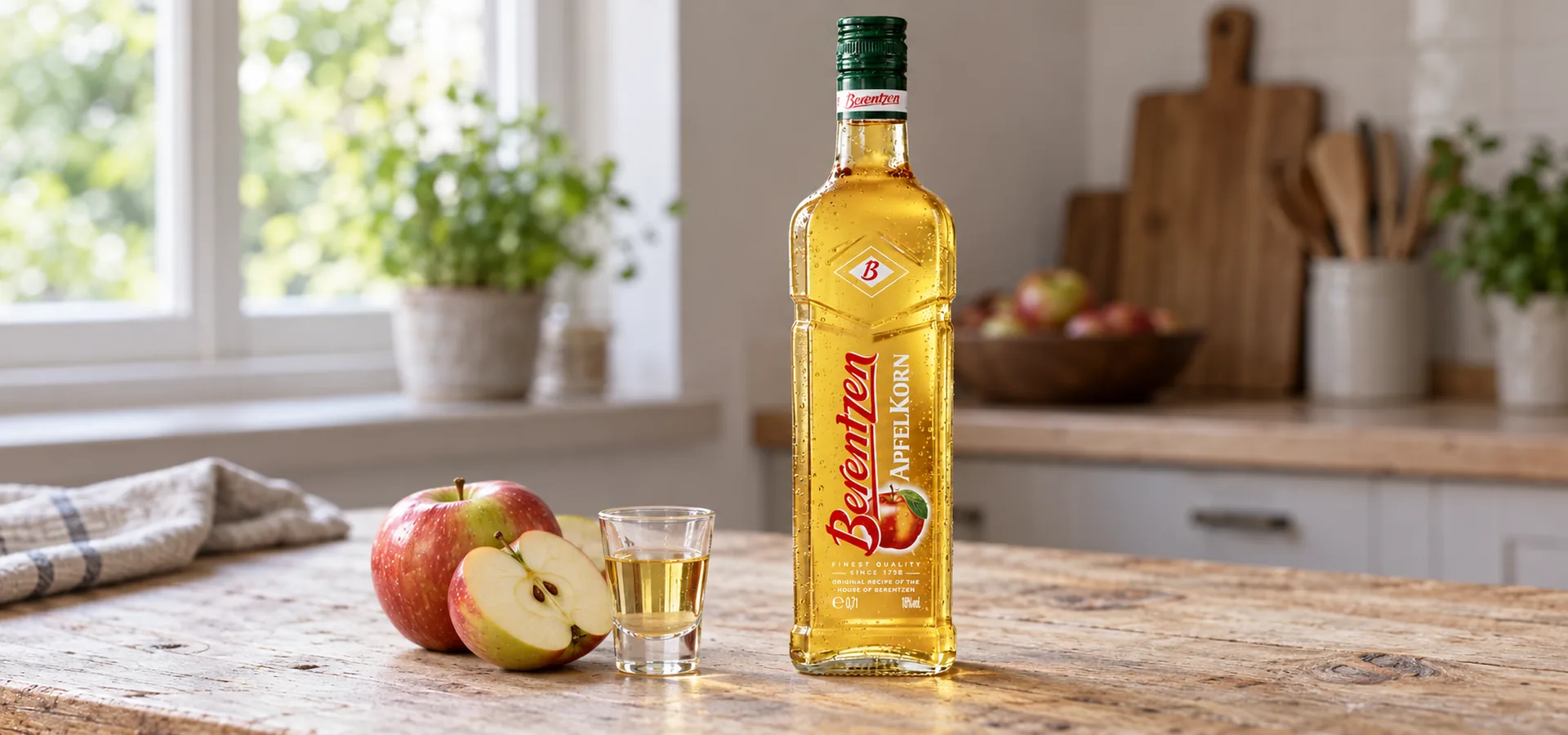 Apple liqueur
03
What is apple liqueur, and how does it differ from apple brandy?
-
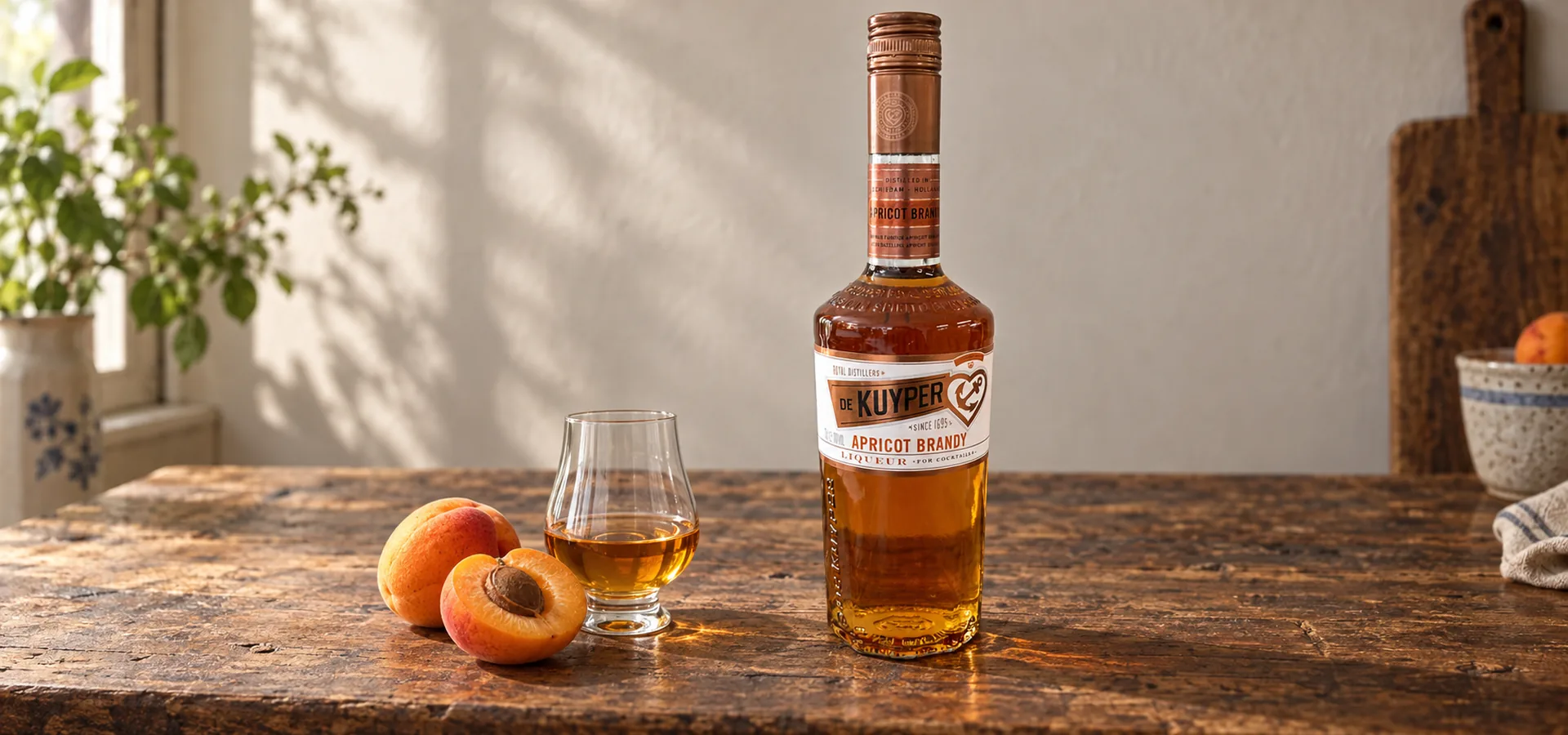 Apricot liqueur
04
What is apricot liqueur, and when does apricot brandy mean something else?
-
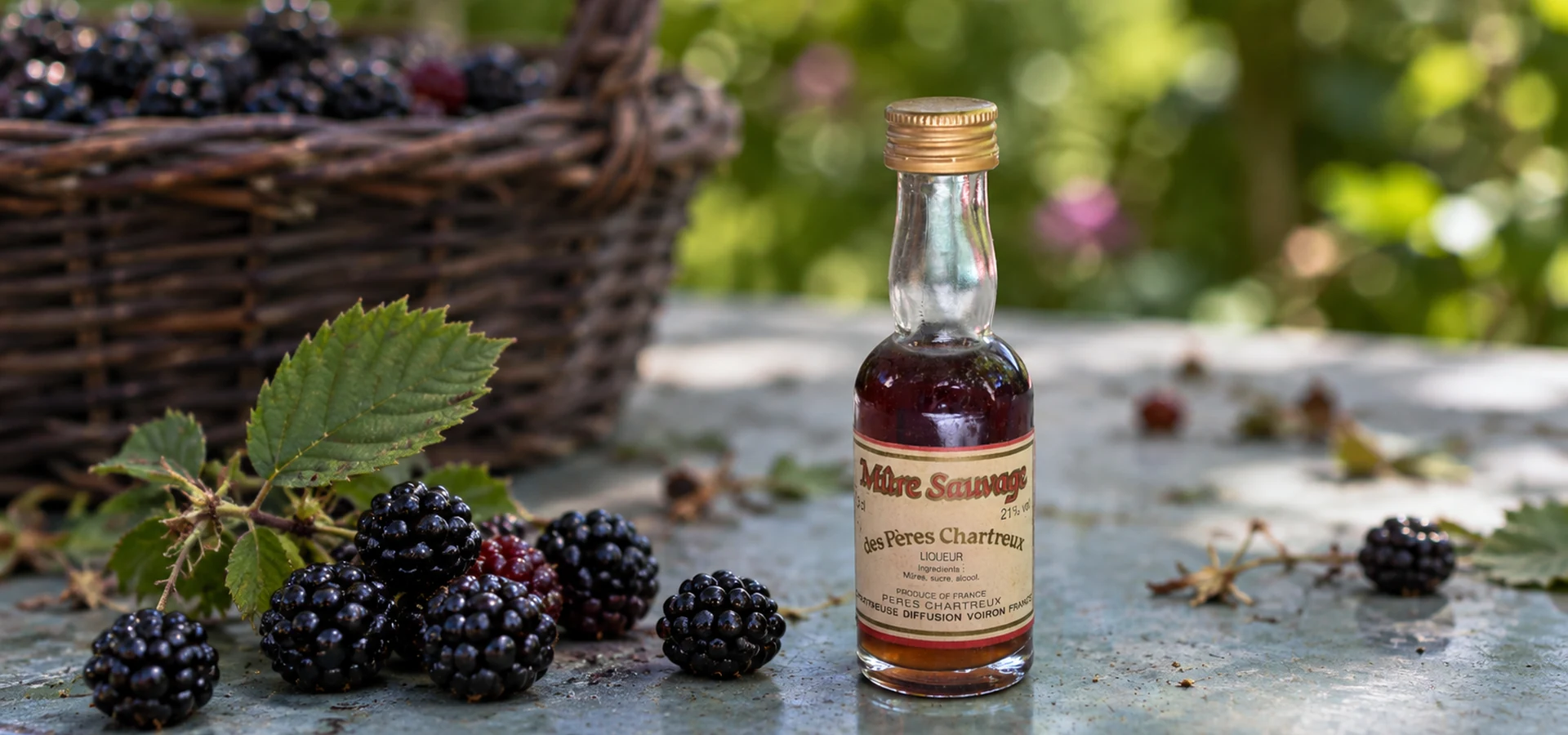 Blackberry liqueur
05
What is blackberry liqueur, and is it the same as crème de mûre?
-
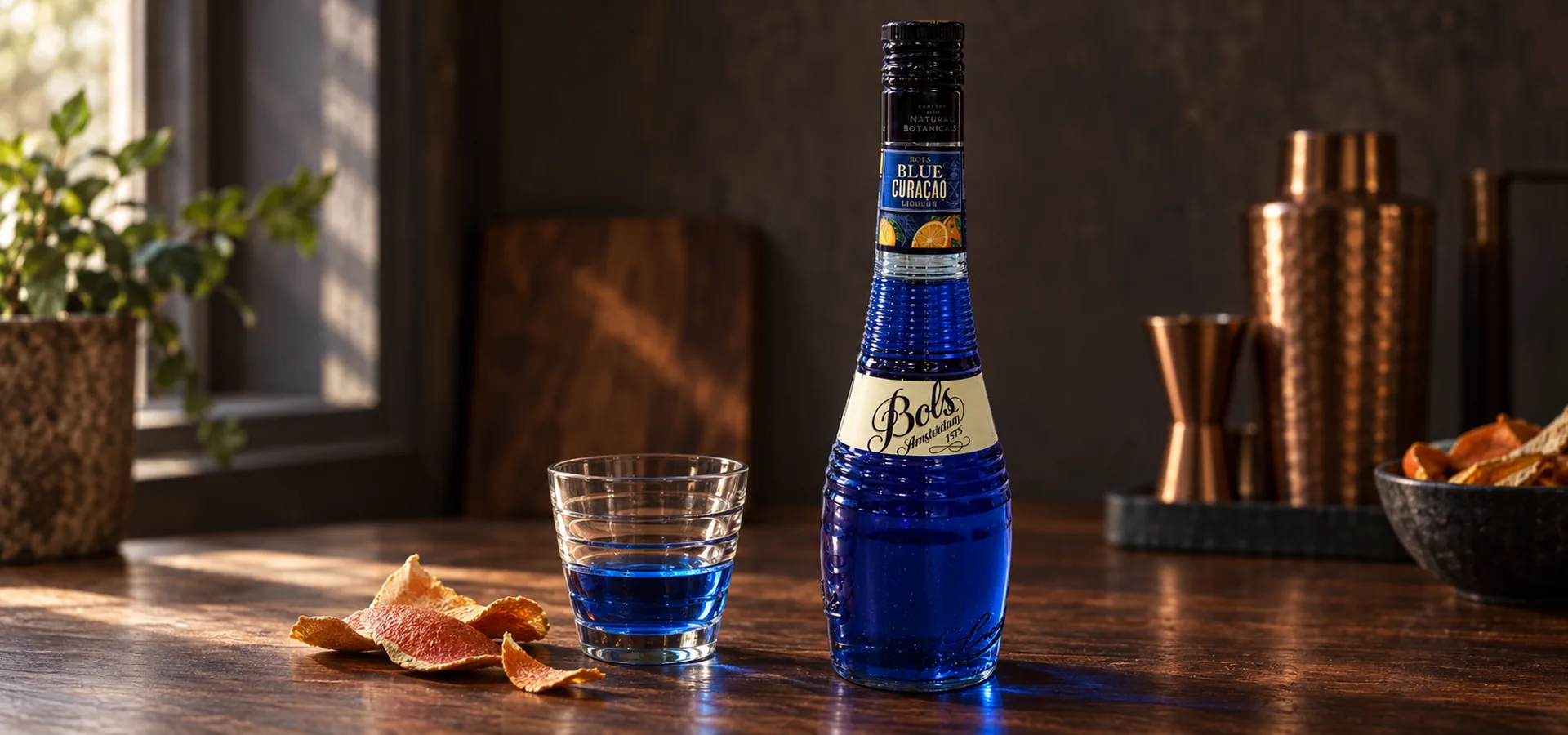 Blue curaçao
06
Blue Curaçao: What Does the Name Actually Tell You?