
Liqueurs
What Is Blueberry Liqueur, and Why Does Every Bottle Differ?
Blueberry liqueur is a sweetened alcoholic drink in which blueberry is the defining flavour. Its name does not guarantee fresh fruit, one production method, a fixed shade, or a standard strength, so the bottle's ABV and ingredient or production statement matter more than its purple colour.
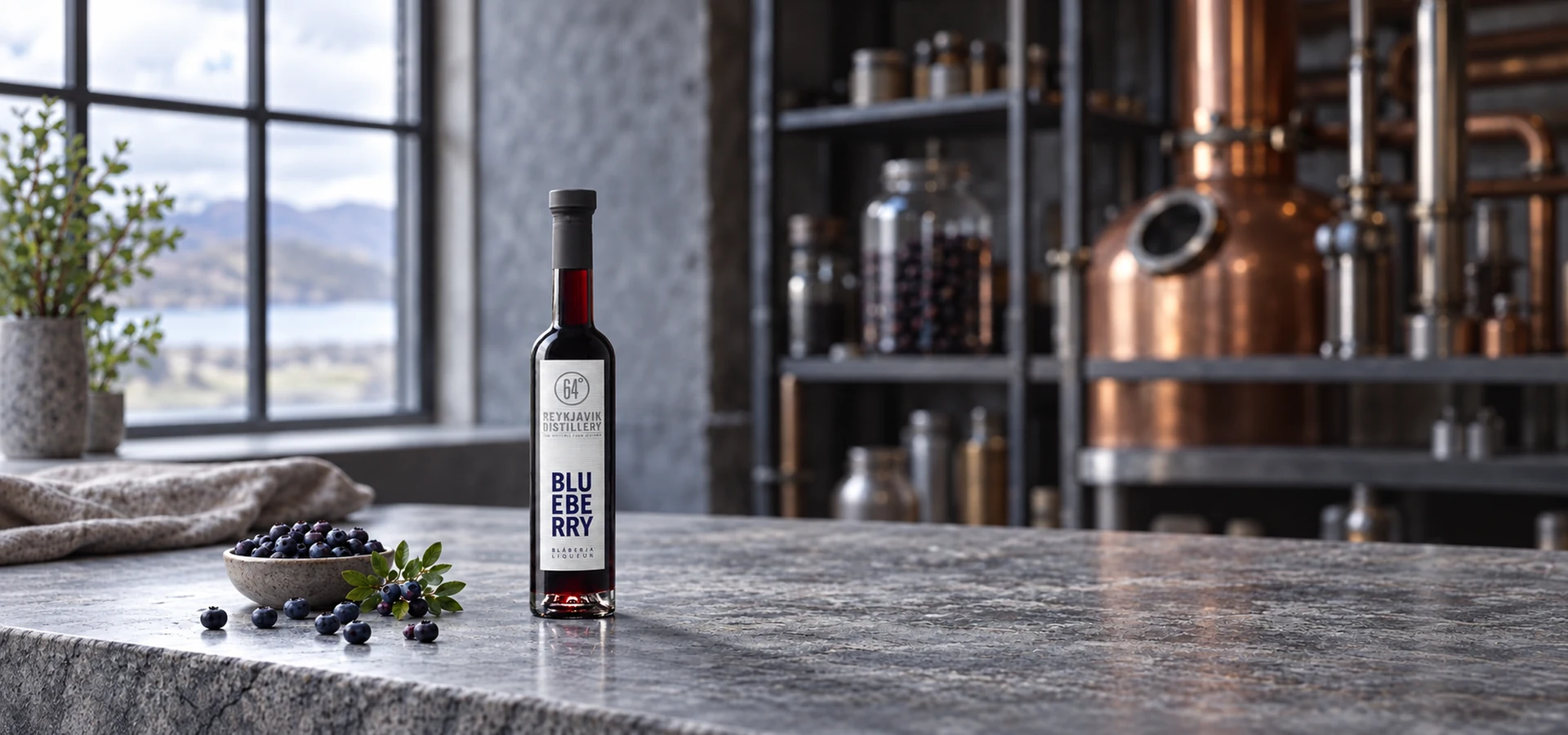
At a glance
- Legal category
- In the United States, 27 CFR 5.150 defines cordials and liqueurs as sweetened flavoured distilled spirits with at least 2.5% sugar by weight. European Union category 33 generally requires at least 100 g/L of sweetening and 15% ABV, while category 34 sets a higher 250 g/L sweetening floor for products legally named crème de followed by a fruit or other raw material.
- Typical strength
- 15 to 31 percent ABV
- Range basis
- The 15% to 31% ABV span records four current producer examples, not a universal market range or a legal definition.
What is blueberry liqueur, and what does the name guarantee?
Blueberry liqueur is a sweetened alcoholic drink whose defining flavour is presented as blueberry. A producer may obtain that character from whole berries, juice, an infusion, an extract, flavouring, or a combination, so the name identifies a flavour direction rather than one fixed formula.
The United States classifies cordials and liqueurs as flavoured distilled spirits made by mixing or redistilling spirits with fruit, juice, plants, natural flavouring materials, or extracts from processes such as infusion and maceration. Under 27 CFR 5.150, the finished product must contain at least 2.5% sugar by weight.
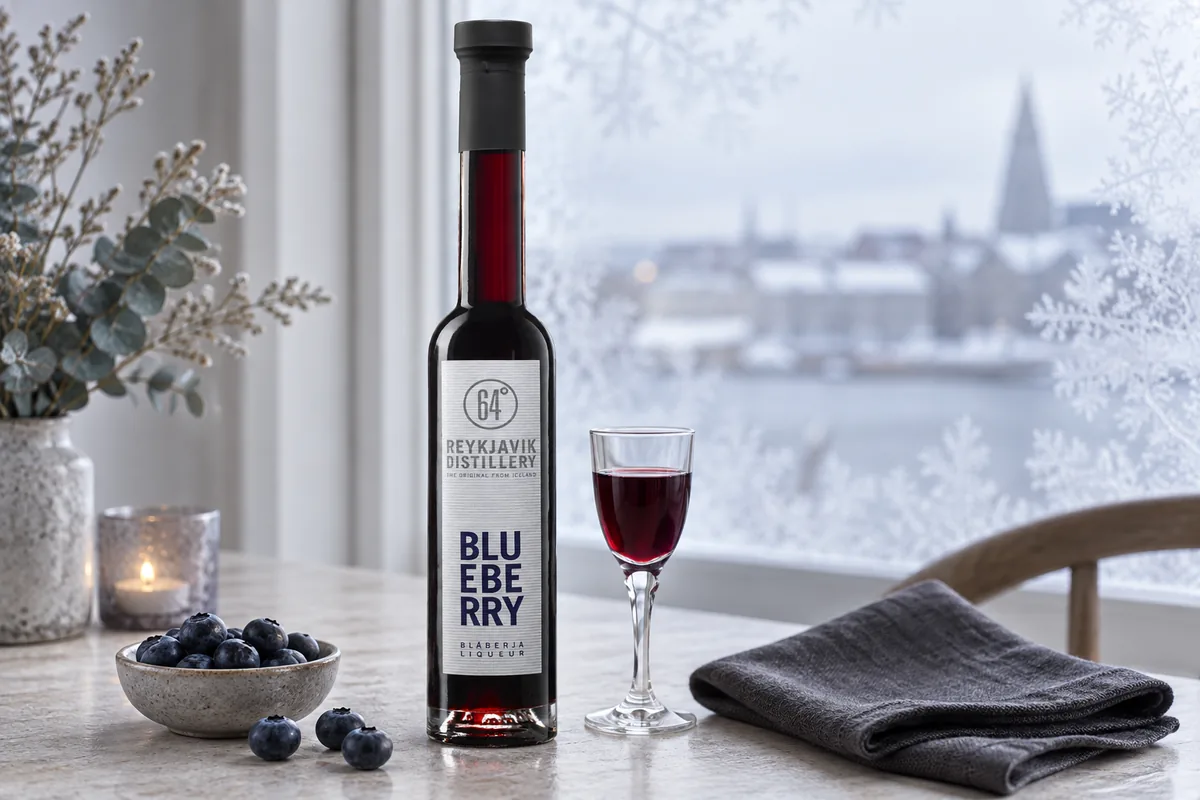
- What the name establishes
- A sweetened alcoholic product with blueberry as its stated defining flavour
- What can vary
- Fruit source, base alcohol, flavouring route, colour, sugar, filtration, and ABV
- Best evidence
- The class or type designation, ABV, ingredient disclosures, and producer method
European Union category 33 takes a different route.
It generally requires at least 100 grams of sweetening products per litre and at least 15% ABV, while allowing agricultural alcohol, agricultural distillate, one or more spirit drinks, flavourings, agricultural products, and foods within the category rules.
Neither definition promises that every blueberry liqueur contains the same species of berry or a particular amount of fruit. It also does not make a vivid purple bottle more authentic than a paler red one.
The dependable conclusion is narrow but useful: expect sweetness, alcohol, and a blueberry-led flavour claim. Read the physical label and producer information before drawing conclusions about ingredients, colourants, origin, or strength.
Does blueberry liqueur always contain real blueberries?
Some bottles make a clear fruit claim. Long Road says its 25% ABV liqueur uses Michigan-grown blueberries, Gervasi describes macerating farm-grown blueberries in grain spirit, and Volare describes a natural blueberry infusion.
Those examples cannot establish the contents of another bottle. The US category permits several flavouring routes, while the TTB label framework separately requires applicable class or type, alcohol content, colour disclosures, and other mandatory information.
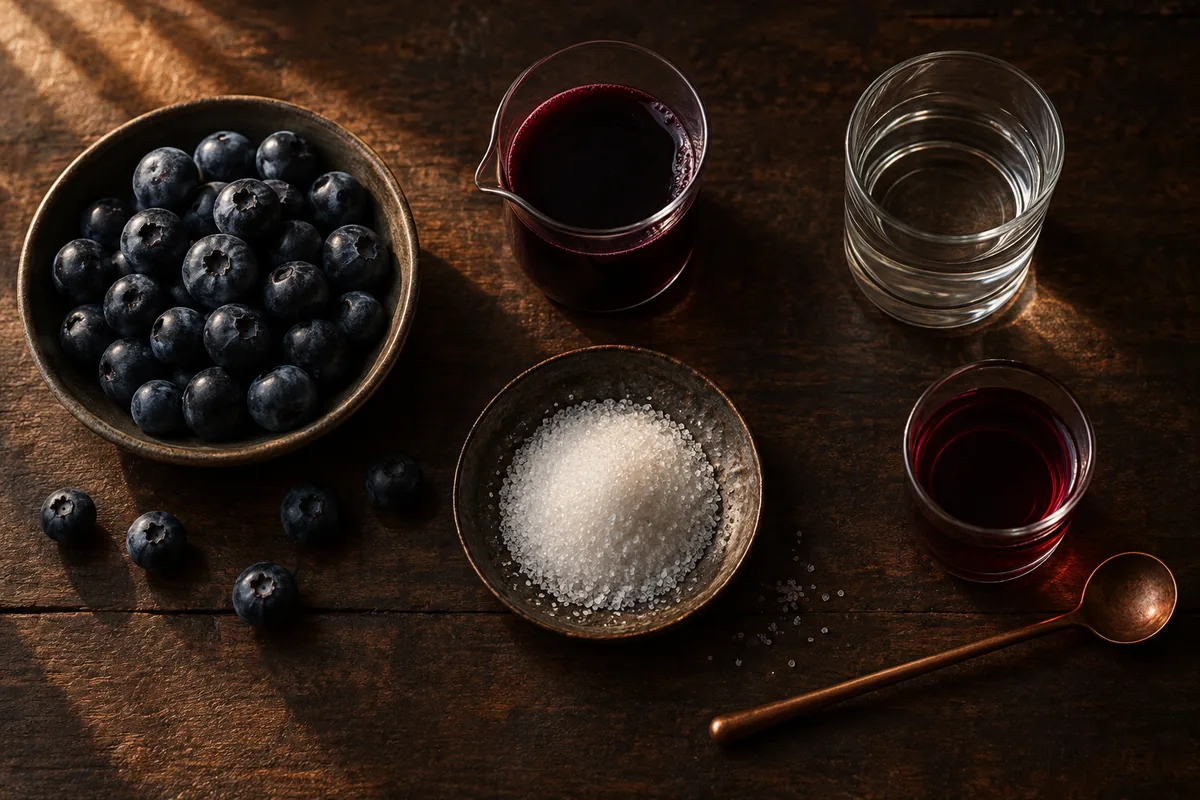
A useful label reading starts with exact wording.
Phrases such as made with blueberries, blueberry infusion, or blueberry juice make a more specific claim than a fanciful product name alone, although they still may not disclose the proportion of fruit.
Products can also differ in berry identity. North American highbush blueberry is commonly Vaccinium corymbosum, while Kew lists Vaccinium myrtillus under the common names bilberry and whortleberries.
That distinction matters when a European bottle says myrtille or a translated listing says blueberry. The liquid may be made with bilberry rather than the larger cultivated blueberry a North American shopper imagines, and the label or producer specification is the place to confirm it.
How is blueberry flavour built into a liqueur?
Producers have several legitimate ways to move blueberry character into alcohol. Whole-fruit maceration can extract pigment, aroma, acids, tannin, and soluble fruit compounds, while juice, concentrated extract, or flavouring lets a producer control a different set of variables.
The alcoholic base changes what reaches the glass because a neutral base leaves more room for berry aroma, while a grain, grape, or fruit-derived base may add texture or flavour of its own.
- Capture the blueberry character. A producer uses fruit, juice, infusion, maceration, extract, flavouring, or a permitted combination.
- Balance alcohol and sweetness. Sugar and water shape body, perceived tartness, and bottle strength rather than merely making the liquid sweet.
- Let the blend integrate. Resting can join fruit, sugar, and alcohol, as Rosemont's producer description illustrates with a four-to-five-month maturation for its own liqueur.
- Filter and bottle to the intended style. Filtration choices affect clarity and texture, while the final label records the ABV and applicable disclosures.
Long Road publishes one contrasting example: a grain spirit flavoured with Michigan blueberries, brought to bottle strength with simple syrup, then bottled without chill filtration or carbon treatment. Volare instead emphasizes a natural infusion, while Rosemont describes concentrated blueberry extract, alcohol, sugar, and an integration period.
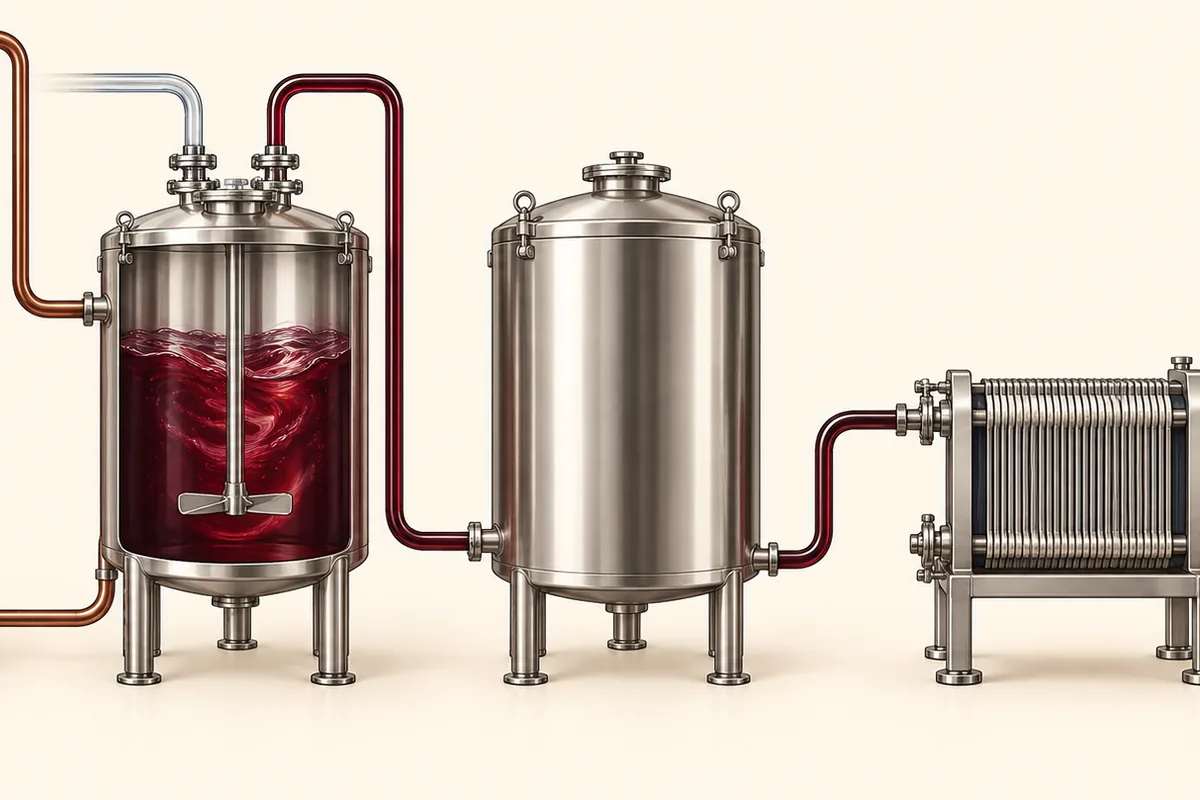
These are producer examples, not a recipe for home production. They explain why two blueberry liqueurs can share a category name while differing in fruit intensity, colour, clarity, body, and finish.
What does blueberry liqueur taste like?
There is no single honest tasting note for the category. Blueberry can register as fresh and lightly tart, jammy and cooked, floral, dark-fruited, or softly earthy depending on the fruit, extraction, sugar, alcohol, and supporting botanicals.
Research on fresh blueberry juice found that sourness tracked total acids and titratable acidity, while blueberry, sweet aroma, and sweetness sat opposite sour, bitter, and astringent sensations in the study's main sensory pattern.
- Fruit character: fresh berry, cooked fruit, jam, or generic candy-like berry.
- Acid and tannin: enough tartness or gentle grip to keep the sweetness defined.
- Supporting flavours: citrus, flowers, spice, or base-spirit notes that may change pairings.
- Finish: whether blueberry remains clear after sweetness and alcohol recede.
A liqueur changes that raw material with alcohol and sugar, but the research helps explain why one fruit lot can lean bright while another reads rounder or more muted.
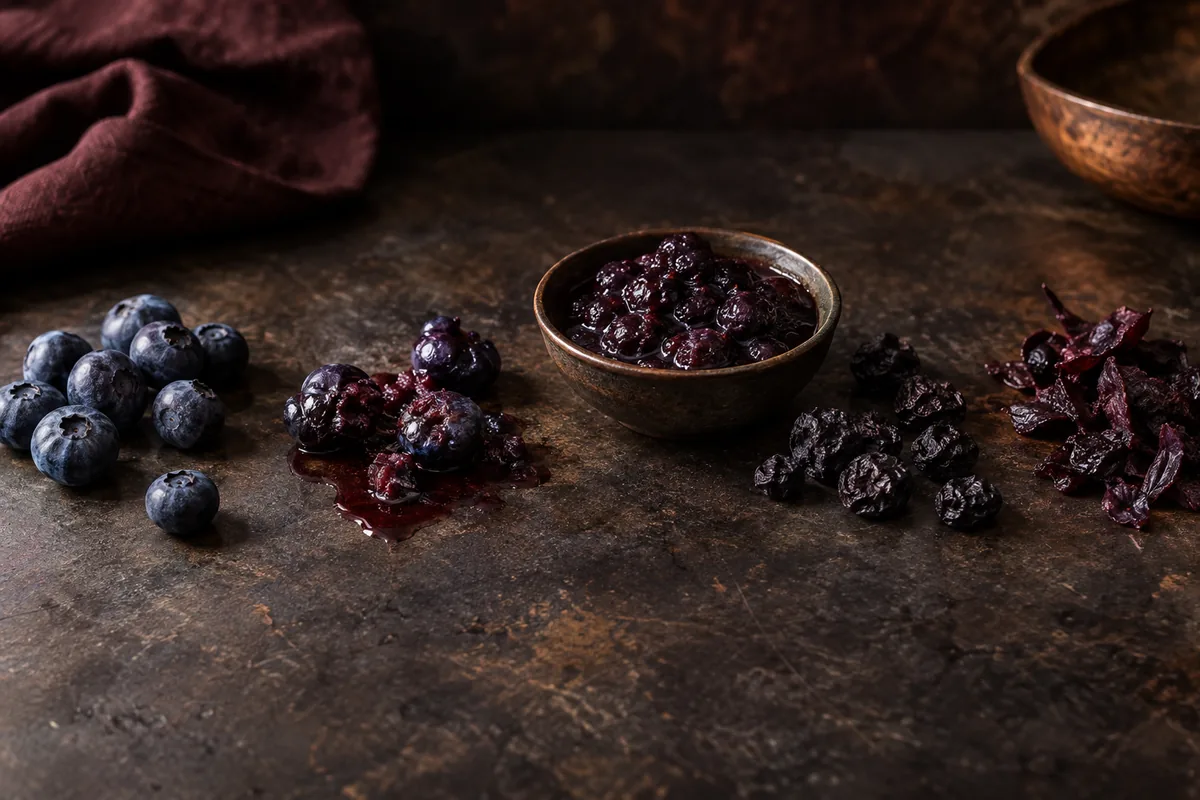
Current producer descriptions illustrate the range without creating a universal standard. Rosemont describes lightly tart fresh-blueberry aroma followed by a rounder cooked-fruit palate, while Long Road reports berry aroma, tart-sweet flavour, and a creamy mouthfeel for its own bottle.
If you are choosing without tasting, a producer's exact method and sensory description are more useful than a photograph. Deep colour can come from fruit pigments, concentration, or added colouring, and none of those possibilities alone predicts balance.
How strong and sweet is blueberry liqueur?
There is no category-wide bottle strength. Current producer pages show Volare at 15% ABV, Rosemont at 23.5%, Long Road at 25%, and Zetea's blueberry liqueur at 31%.
- Volare example
- 15% ABV
- Rosemont example
- 23.5% ABV
- Long Road example
- 25% ABV
- Zetea example
- 31% ABV
Those four figures demonstrate real variation, but they are not a complete market range.
The EU's 15% floor applies to products sold under its general liqueur category, while US 27 CFR 5.150 defines the class through composition and minimum sugar rather than one general minimum ABV in that section.
Sweetness varies independently of strength. Volare publishes 25% sugar for its blueberry liqueur, while other producers may describe sweetness without posting an analytical figure, so ABV alone cannot tell you how syrupy a bottle will feel.
Sugar increases body and can soften the perception of alcohol and acidity. That is why a 25% ABV liqueur can seem gentler than a drier drink at the same strength, even though the ethanol content has not disappeared.
NIAAA defines one US standard drink as about 14 grams, or 0.6 fluid ounces, of pure alcohol and illustrates liqueur or cordial at about 24% ABV with a 2-to-3-fluid-ounce range.
Use the actual pour and bottle ABV for any estimate because a customary serving can differ from that illustration.
Strength check. Sweetness and fruit flavour can mask how alcoholic a pour tastes. Neither flavour nor a standard-drink calculation can establish impairment or fitness to drive.
Why can blueberry liqueur look red, purple, or nearly black?
Blueberry skin contains anthocyanin pigments, but the fruit does not guarantee a bright blue drink. In acidic blueberry juice, the visible colour commonly sits in the red-to-purple range, and concentration can make a sample look almost black in the bottle.
Laboratory work on blueberry juice shows that pH, light, oxygen, temperature, acids, and sugars can influence anthocyanin colour or stability. A finished liqueur is a different matrix because it also contains alcohol and may use added colour, but the research explains why natural-looking fruit colour is not fixed.
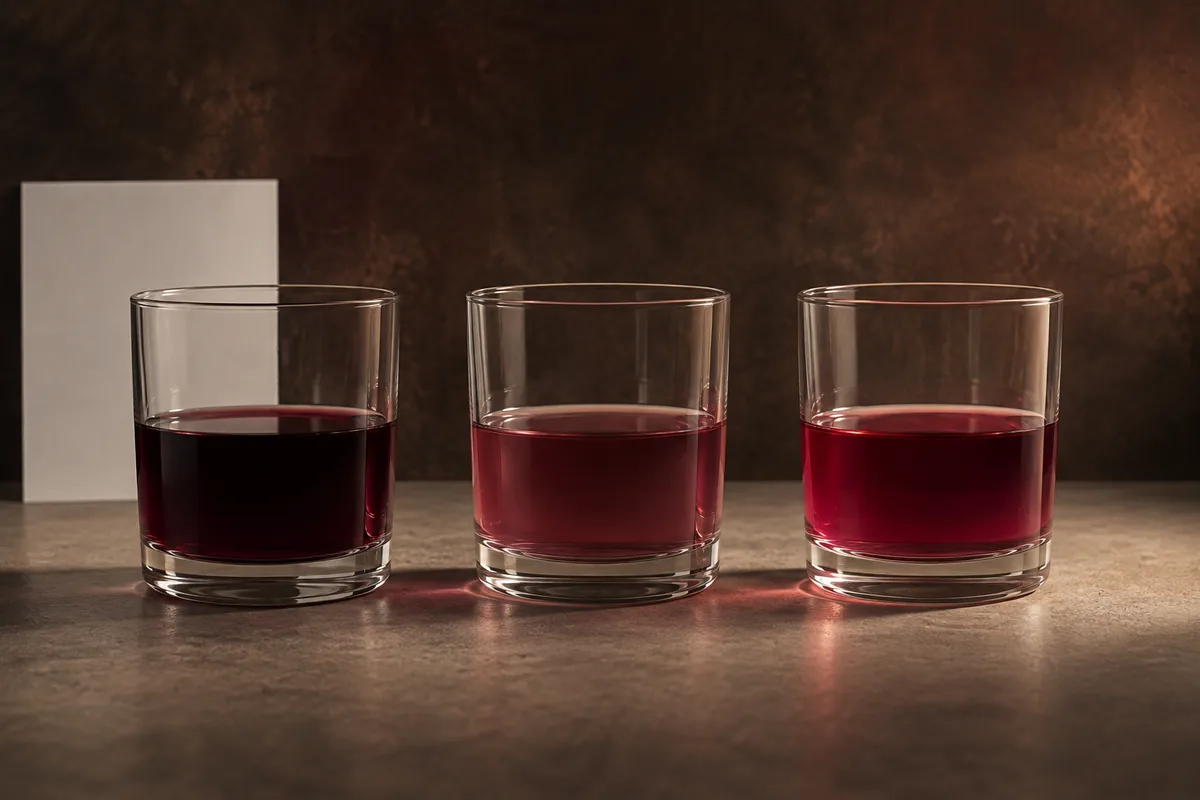
Light exposure is also relevant to storage. In one study of fresh blueberry juice, colour declined faster under long-term light exposure than in darkness, so a dark cupboard is a sensible place for a bottle whose colour comes partly from fruit pigments.
Colour shows appearance, not composition. A dark purple liqueur is not proof of more fruit, and a brighter one is not proof of artificial colour. Check the ingredient and colour disclosures that apply to the bottle.
How is blueberry liqueur different from blueberry brandy, wine, syrup, and crème de myrtille?
Several products can smell of blueberry while doing different jobs in a glass. The distinction starts with how the alcohol is made, whether sugar is part of the category, and whether the product contains alcohol at all.
| Product wording | What usually defines it | What changes in use |
|---|---|---|
| Blueberry liqueur or cordial | Distilled-spirit base, blueberry flavour, and added sweetening | Adds berry flavour, sugar, alcohol, and often strong colour together |
| Crème de myrtille | In the EU, category 34 requires at least 250 g/L of sweetening and the named fruit must confer the predominant flavour | Often brings more sugar and body, so a direct volume swap can unbalance a drink |
| Blueberry fruit brandy | Alcohol distilled from fermented fruit rather than a sweetened flavoured-spirit base | Usually contributes a drier, more spirit-led profile and should not be assumed equivalent |
| Blueberry wine | Alcohol created by fermenting blueberry juice or must under wine rules | Changes acidity, alcohol, water, and fermentation character as well as fruit flavour |
| Blueberry syrup | Sweet nonalcoholic fruit or flavour preparation unless its label states otherwise | Replaces sweetness and flavour but not the alcohol or spirit structure |
The word crème needs jurisdictional care.
Under EU category 34, crème de followed by the fruit has a defined minimum sweetening level of 250 grams per litre, but in the US, crème de appears as a type designation within the cordial and liqueur standard without creating the same EU sugar statement.
Myrtille adds another layer because it can refer to bilberry, Vaccinium myrtillus. A translated listing may use blueberry as a convenient English label even when the producer's fruit is the smaller, darker European bilberry.
When substituting, preserve the function rather than matching the fruit word alone. Check alcohol, sweetness, acidity, colour, and body separately, then adjust the rest of the drink instead of assuming equal volumes behave alike.
Where does blueberry liqueur work best?
Blueberry liqueur works best when its berry flavour has a clear role and another element controls the sweetness.
Producers commonly suggest sparkling wine, soda, lemonade, citrus-led drinks, or spirit-based mixed drinks, which all create space through acidity, bubbles, dilution, or a drier base.
- With lemon or other tart citrus: acid sharpens the fruit boundary and keeps jammy sweetness from spreading across the finish.
- With sparkling wine or soda: bubbles and dilution lighten the texture, although the bottle's alcohol still counts.
- With gin, vodka, or a mild grain spirit: the base can carry berry aroma without adding another layer of sugar.
- With herbs and gentle spice: mint, basil, lavender, cinnamon, or earthy botanicals can pick up floral and dark-fruit notes when used with restraint.
- With vanilla, cream, or dark chocolate: blueberry's acidity can cut richness while the liqueur's sugar joins the dessert rather than fighting it.
Measure it rather than pouring by colour. A small change can alter four things at once: blueberry intensity, sugar, alcohol, and the appearance of the finished drink.
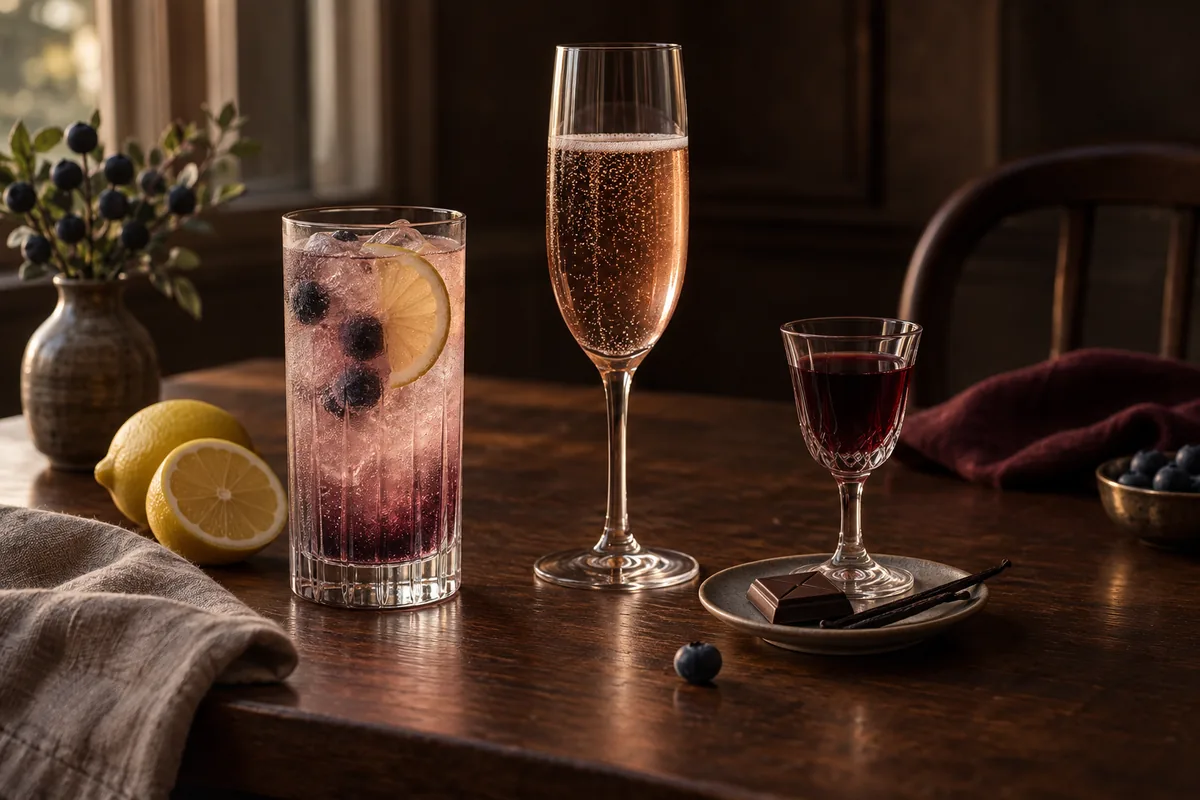
Fresh blueberries make an intuitive garnish, but they add little aroma unless broken and can become debris in a drink. Lemon peel, a restrained herb, or no garnish may communicate the intended balance more clearly.
Serve neat only when the bottle's own balance is the point, and use a small glass that does not imply a full spirit measure is required.
Chilling reduces aroma and sweetness perception, so very cold service can make a syrupy bottle easier to drink while hiding some blueberry detail.
How should an opened bottle be stored?
Keep blueberry liqueur upright, tightly closed, and away from direct light and heat. Those conditions limit evaporation, oxidation, closure contact, and pigment stress without pretending that every formula ages at the same rate.
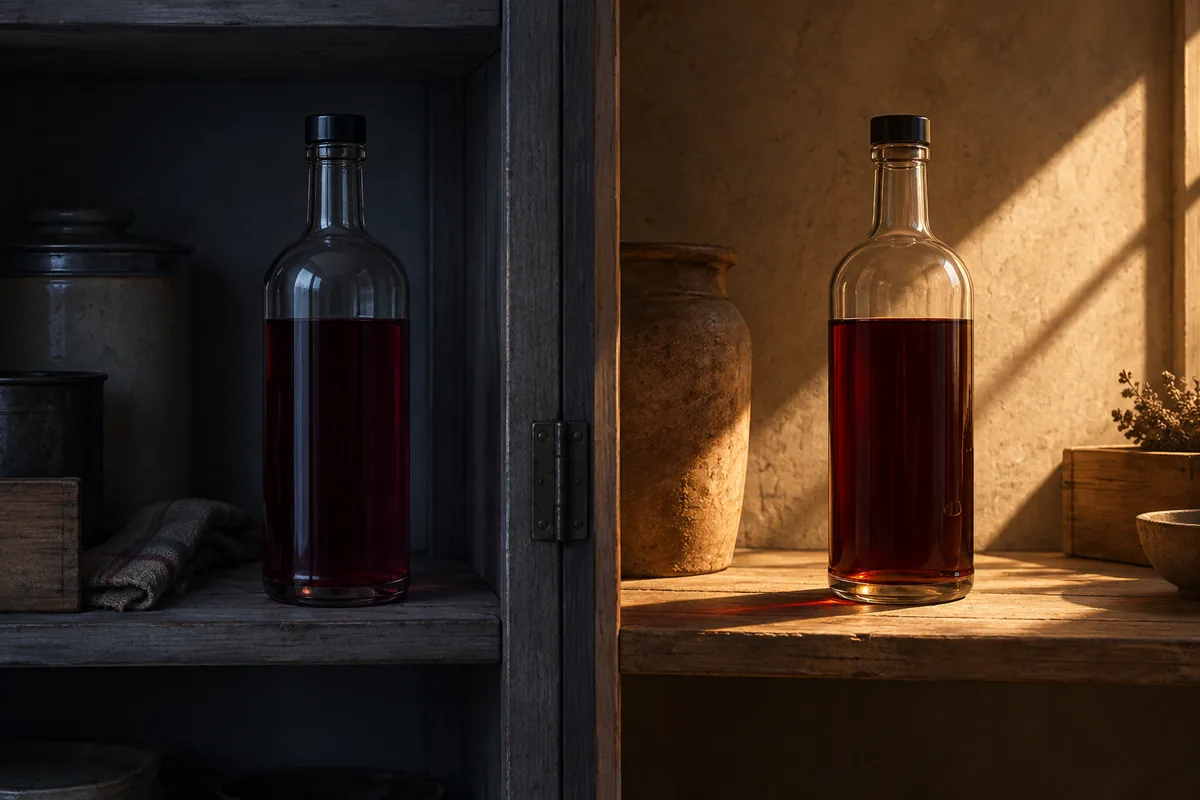
There is no universal open-bottle deadline for blueberry liqueur. Barrelling Tide recommends using its own fruit-based liqueurs within four to six months after opening for optimum quality, but that producer-specific advice cannot be applied automatically to every filtered, coloured, or differently sweetened product.
- Close it cleanly: wipe sticky residue from the neck and make sure the cap or cork seals fully.
- Record the opening month: the date gives you a useful baseline when aroma or colour changes slowly.
- Compare with its normal state: harmless sediment or haze may be intentional in an unfiltered product, while a new change deserves attention.
- Discard on clear spoilage signs: visible mould, unexpected pressure or fizzing, a leaking closure, or a sharply abnormal odour is enough reason not to taste it.
Refrigeration may help some fruit-forward bottles retain aroma after opening, especially when the producer directs it. Follow the bottle's storage instruction because sugar, ABV, fruit content, filtration, and preservatives all affect how the product changes.
What should you check before choosing blueberry liqueur?
Start with the job you want the liqueur to do. A bottle for a dry sparkling drink needs different sweetness and intensity from one intended for dessert or a small neat pour.
- Class and wording: confirm liqueur or cordial rather than fruit wine, fruit brandy, or nonalcoholic syrup.
- ABV: use the printed percentage to judge alcohol contribution and calculate a measured serve.
- Fruit statement: look for whole fruit, juice, infusion, maceration, extract, flavouring, and the named blueberry or bilberry species when disclosed.
- Sweetness evidence: use an analytical sugar figure when available, then read producer descriptions such as dry, tart, round, or rich as bottle-specific guidance rather than measurements.
- Colour disclosure: treat the shade as a presentation feature until the label explains whether colour comes from fruit, added colouring, or both.
- Storage direction: note any refrigeration or use-after-opening advice before the bottle goes into a cupboard.
A narrow ingredient claim is often more useful than a long heritage story.
It tells you what the producer is actually promising and gives you a better basis for comparing sweetness, berry character, colour, and origin.
The strongest choice is therefore the bottle whose disclosed method and numbers fit your intended use. Blueberry liqueur has a recognizable flavour idea, but the label settles the practical questions its category name leaves open.
Sources
-
27 CFR 5.150, Liqueur or cordial
Published 9 February 2022. Accessed 13 September 2026.
-
Regulation (EU) 2019/787
Accessed 12 September 2026.
-
TTB Distilled Spirits Labeling
Accessed 13 September 2026.
-
USDA NRCS, Highbush Blueberry Plant Fact Sheet
Published 1 January 2006. Accessed 13 September 2026.
-
NIAAA, What Is a Standard Drink?
Accessed 13 September 2026.
-
Bett-Garber et al., Flavor of fresh blueberry juice
Published 15 April 2015. Accessed 13 September 2026.
More in Liqueurs
-
 Almond liqueur
01
What is almond liqueur, and does it always contain almonds?
-
 Amaretto
02
What is amaretto, and what gives it an almond-like flavour?
-
 Apple liqueur
03
What is apple liqueur, and how does it differ from apple brandy?
-
 Apricot liqueur
04
What is apricot liqueur, and when does apricot brandy mean something else?
-
 Banana liqueur
05
What is banana liqueur, and how do fresh and ripe styles differ?
-
 Blackberry liqueur
06
What is blackberry liqueur, and is it the same as crème de mûre?