
Liqueurs
What Is Coconut Liqueur? Types, Strength, and Uses
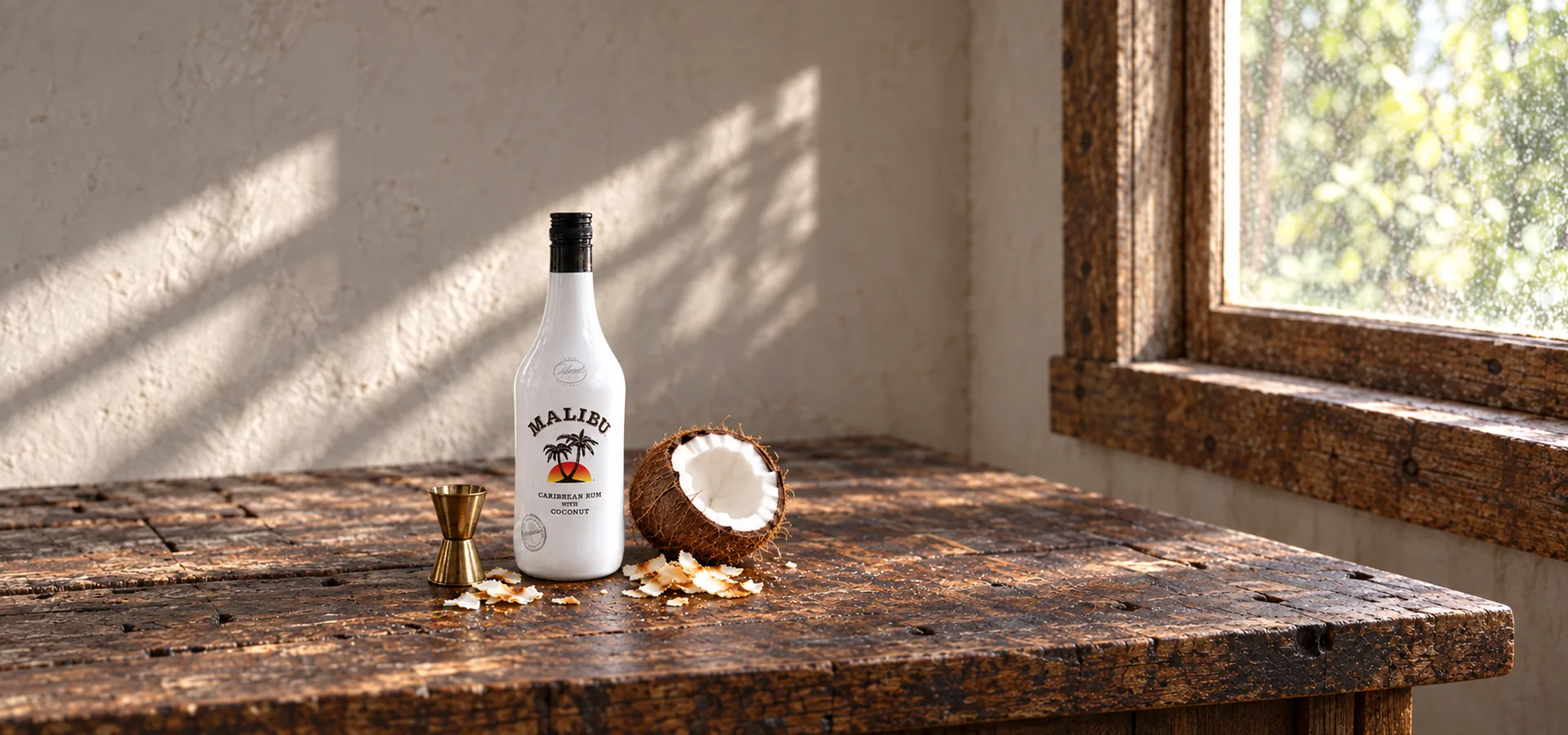
Coconut liqueur is a sweetened alcoholic drink in which coconut is the leading flavour. The name does not guarantee fresh coconut, a rum base, a clear appearance, dairy-free ingredients, or one alcohol strength, so the useful choice begins with the legal designation, ingredient statement, ABV, and storage directions.
At a glance
- Legal category
- European Union category 33 generally requires liqueur to contain at least 100 g/L of sweetening and at least 15% ABV; category 34 sets separate rules for crème de names. In the United States, TTB defines liqueur or cordial through distilled spirits, flavouring materials, and at least 2.5% sugar by weight.
- Typical strength
- 15 to 21 percent ABV
- Range basis
- The 15% to 21% ABV span records current producer examples, not a universal legal or market range. Appearance, dairy content, coconut source, and storage needs remain formula-specific.
What is coconut liqueur, and what does the name guarantee?
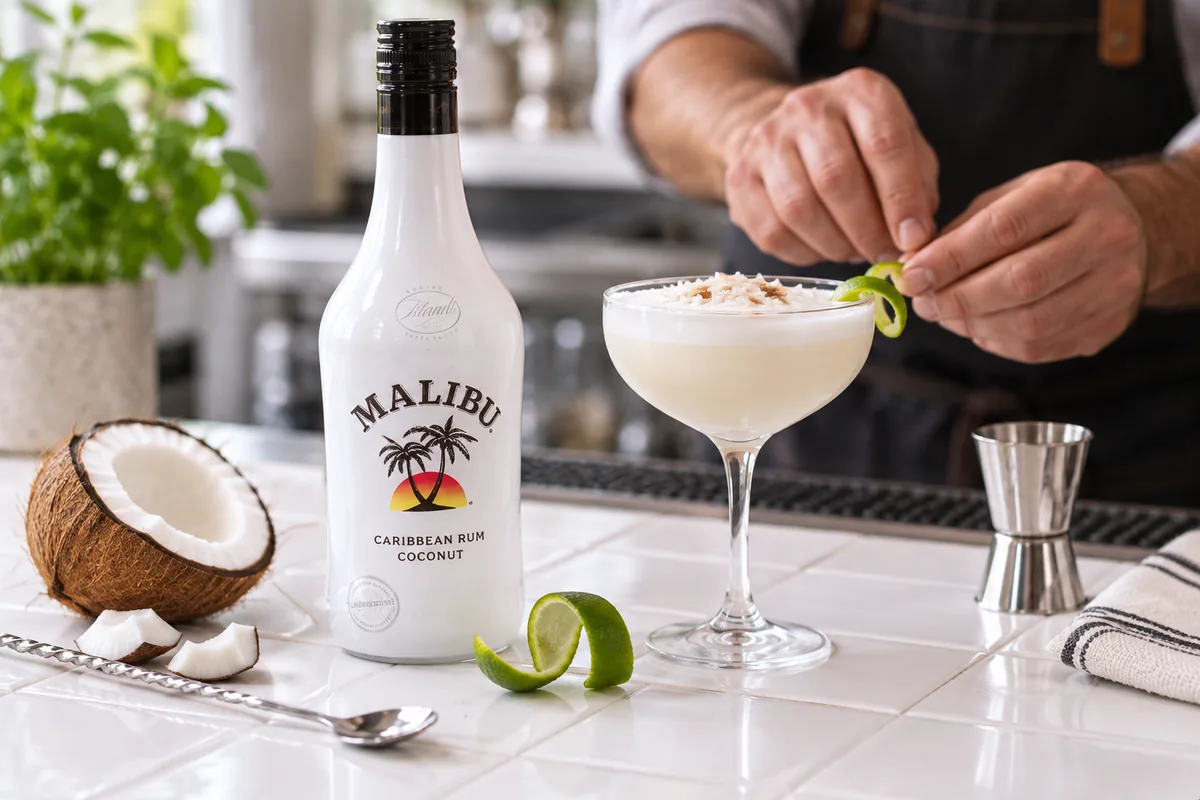
Coconut liqueur is a sweetened alcoholic drink whose defining flavour is coconut. That is the dependable centre of the category, while the base alcohol, coconut material, colour, opacity, sweetness, strength, and texture can all change from bottle to bottle.
Some products are clear or pale and use rum as a base. Others are opaque cream-style drinks made with coconut cream, dairy, an emulsion, or some combination disclosed by the producer.
- Leading flavour
- Coconut
- Possible appearance
- Clear, pale, amber, or opaque
- Current examples checked
- 15% to 21% ABV
- Most useful bottle clues
- Legal name, base alcohol, ingredients, allergens, ABV, storage directions
In the United States, the Alcohol and Tobacco Tax and Trade Bureau, or TTB, defines liqueurs and cordials as distilled spirits mixed or redistilled with flavouring materials and containing at least 2.5% sugar by weight.
Its rules allow fruits, plants, juices, natural flavouring materials, extracts, and related preparations, so the category name does not prove that coconut flesh was steeped in the bottle's base spirit.
European Union category 33 defines liqueur as a sweetened spirit drink based on agricultural alcohol, a distillate, another spirit drink, or a combination, with flavouring or food materials. It generally sets a floor of 100 grams of sweetening per litre and 15% ABV, but it does not prescribe one coconut recipe.
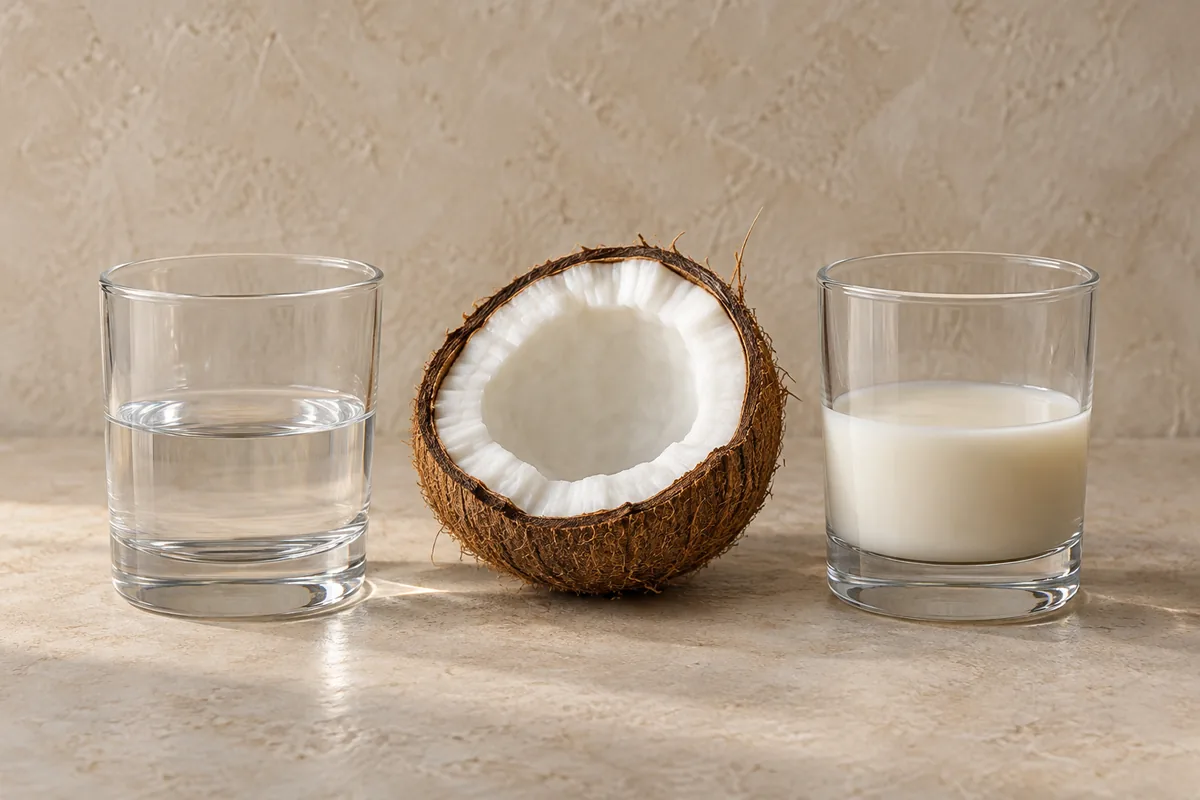
The word coconut identifies the intended flavour rather than a universal raw-material promise. Read the physical label when fresh coconut, natural flavour, rum, dairy, vegan suitability, or a specific origin matters to your choice.
The useful first split is physical. A clear coconut liqueur and an opaque cream-style coconut liqueur can share a category word while behaving differently with citrus, temperature, storage, and substitution.
What can supply the coconut flavour?
Coconut character may come from coconut flesh, coconut cream, an infusion, a distillate, a prepared extract, natural coconut flavouring, or several of these routes together.
A producer may then use sugar, cane syrup, water, rum, neutral spirit, vanilla-like flavouring, emulsifiers, or stabilizers to create the finished balance.
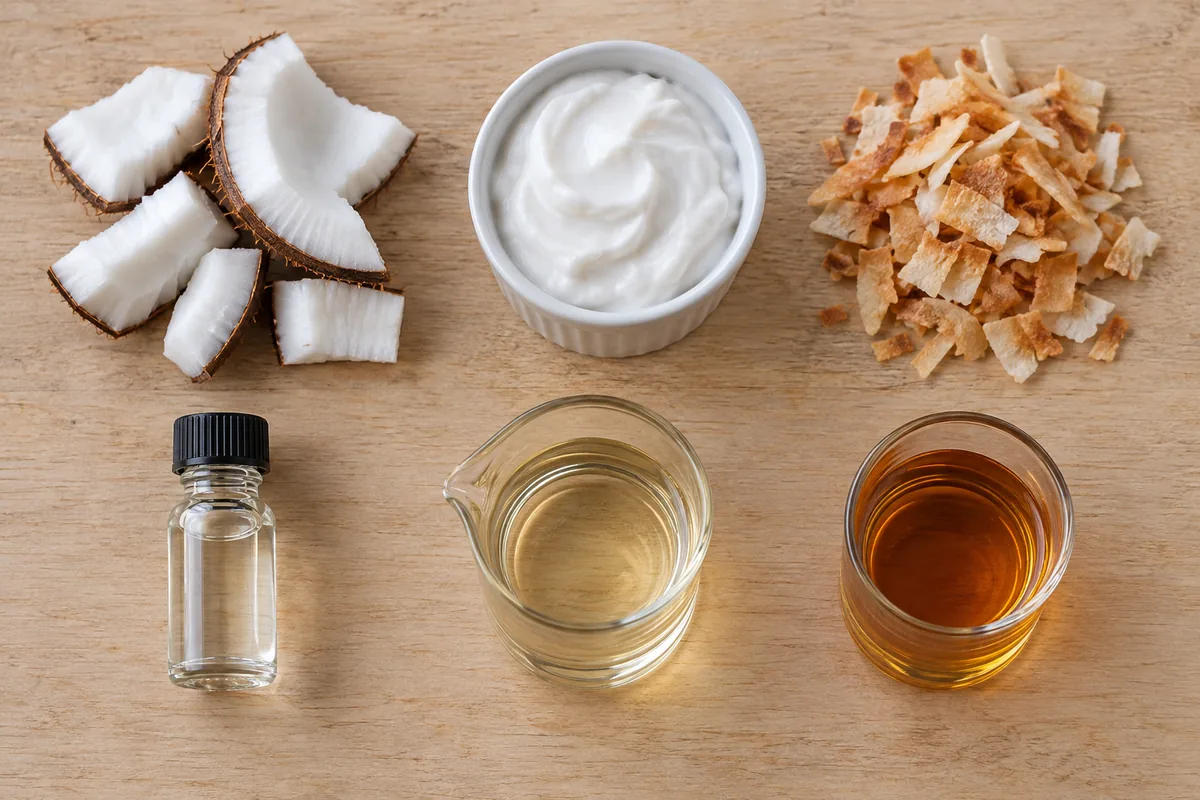
Current producer disclosures illustrate the range. Rhum Clément says Mahina Coco combines white agricole rum, white cane sugar syrup, and natural coconut flavouring, while Notos says its opaque Batida de Coco is made with coconut cream and white rum.
- Fresh or prepared coconut. Flesh, cream, or another coconut ingredient can contribute fat, solids, aroma, and opacity as well as flavour.
- Infusion or distillate. Alcohol can extract or carry aromatic compounds while filtration may leave the finished drink clear.
- Natural coconut flavouring or extract. A concentrated preparation can build coconut aroma without leaving visible coconut material in the finished liquid.
- Base alcohol and sweetening. Rum, another spirit, water, sugar, or cane syrup set warmth, body, sweetness, and the background behind the coconut.
- Emulsion ingredients. Cream-style formulas may need homogenization, emulsifiers, or stabilizers to keep fat and water dispersed.
No single route is automatically proof of quality. Fresh coconut material can bring a broad, fatty texture but may require more stabilization, while a well-made flavouring-led formula can be clear, consistent, and strongly aromatic.
The label and producer specification reveal more than a generic claim such as tropical or creamy. Look for precise language about rum, coconut cream, natural coconut flavouring, milk, sugar, and any instruction to shake or refrigerate.
How is coconut liqueur blended commercially?
Commercial production depends on the formula, but the recurring job is to distribute coconut aroma, sugar, water, and alcohol evenly.
Clear products can be filtered after extraction or assembled from transparent ingredients, while opaque products require the fat and water phases to remain acceptably dispersed.
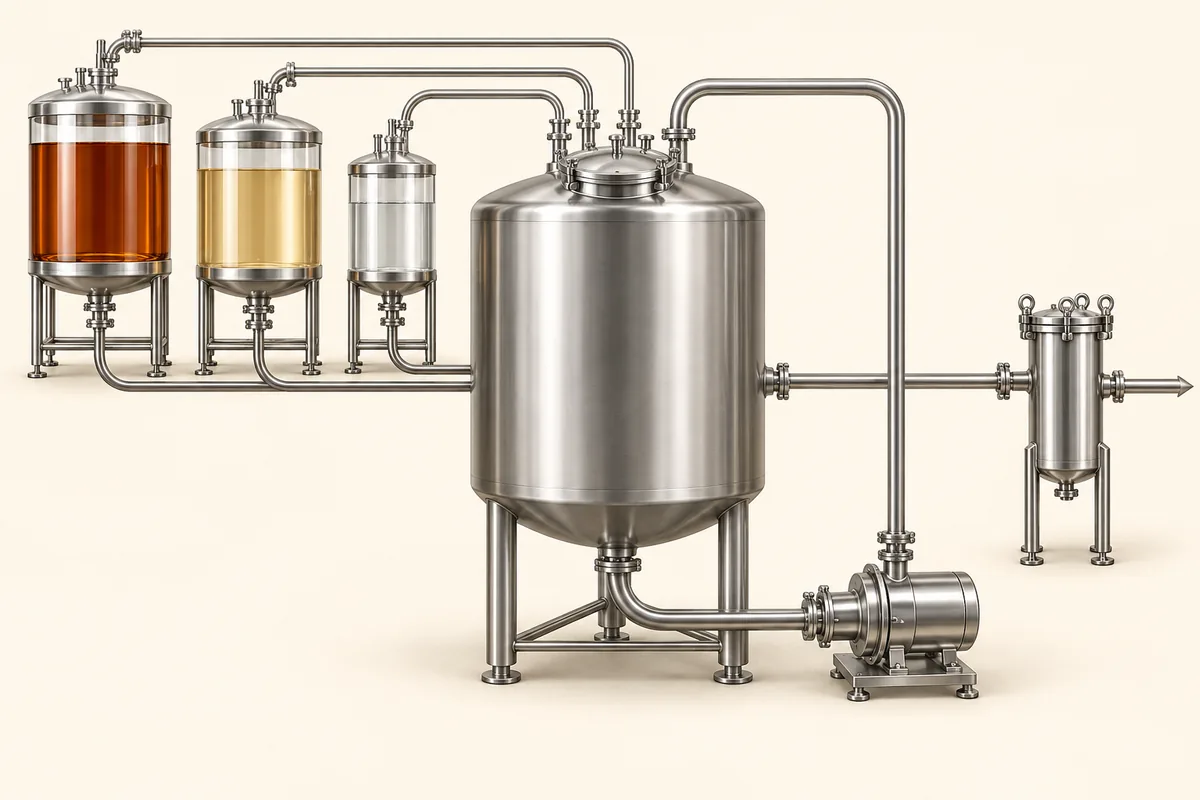
Rhum Clément provides a specific transparent example. It says Mahina Coco is blended in stainless steel vats and homogenized by injected air, mechanical stirring, or pumping before bottling.
- Choose the flavour route. The producer prepares coconut material, an extract, a distillate, natural flavouring, coconut cream, or a blend of these.
- Build the liquid base. Rum or another alcohol is combined with water and sweetening to set the intended strength and body.
- Disperse the formula. Controlled agitation or recirculation distributes flavour, sugar, and any fat phase evenly.
- Stabilize and finish. The producer may homogenize, filter, rest, test, and package the liquid according to its clear or cream-style design.
Homogenization does not mean that every opaque bottle will remain visually identical forever. Chilling can thicken coconut fats, storage can reveal settling, and a producer may instruct the user to shake gently before serving.
These are controlled commercial operations involving alcohol, sanitation, ventilation, and product testing. The process description is not an instruction for unlicensed distillation or for improvising shelf-stable cream liqueur at home.
Which coconut product do you actually need?
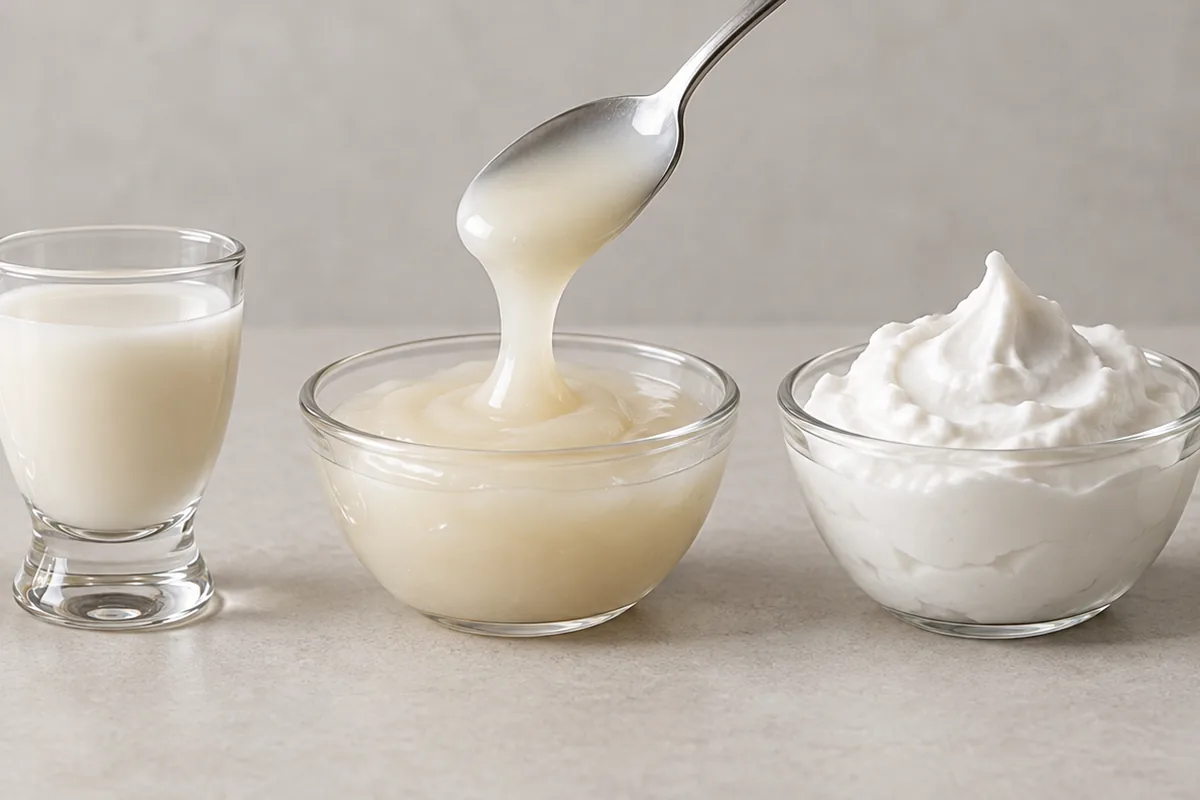
Several products place coconut in their name but solve different jobs. The fastest way to avoid a poor substitution is to separate alcohol, sugar, fat, water, and texture before comparing flavour.
| Product | What it generally contains | What it contributes | What to verify |
|---|---|---|---|
| Coconut liqueur | Alcohol, sweetening, and coconut flavour from disclosed materials or preparations | Coconut aroma, sugar, alcohol, and liquid volume | Base spirit, ABV, ingredients, clarity, storage |
| Coconut or flavoured rum | A rum product with coconut flavour under its market's designation rules | Rum character, coconut aroma, and alcohol, with sweetness depending on the formula | Exact legal designation, ABV, sugar, and statement of composition |
| Cream-style coconut liqueur or batida | Alcohol and coconut flavour in an opaque, creamy formula that may include coconut cream, dairy, or both | Alcohol, sweetness, fat, body, and opacity | Dairy, allergens, refrigeration, shaking, acid tolerance |
| Cream of coconut | A sweetened nonalcoholic coconut product unless the label states otherwise | Concentrated sugar, coconut flavour, body, and fat without liqueur alcohol | Added sugar, stabilizers, opening and refrigeration directions |
| Coconut cream or coconut milk | A food ingredient extracted from coconut flesh with water, usually without alcohol and often without added sugar | Fat, water, coconut solids, and texture | Fat level, added sugar, stabilizers, intended culinary use |
A current Coco López cream of coconut ingredient listing begins with coconut, sugar, and water and includes emulsifiers, acid, and gums.
That is a sweetened mixer or food ingredient, not proof of an alcoholic liqueur.
Coconut cream and coconut milk supply fat, water, and coconut solids without replacing the liqueur's ethanol or necessarily its sugar. A volume-for-volume swap can therefore make a drink weaker, less sweet, thicker, thinner, or more prone to separation.
Flavoured rum presents the opposite risk. It may contribute more rum character or a different alcohol level than a liqueur, so the front-label words and statement of composition matter more than a shared coconut aroma.
Do not substitute by name alone. Replace coconut flavour, sugar, alcohol, fat, and volume as separate functions, then adjust only the parts that the new ingredient changes.
What does coconut liqueur taste like?
Coconut liqueur can lean fresh and milky, toasted and nutty, roasted and brown, or confectionery with vanilla and candy-like sweetness. The base alcohol may sit quietly behind those notes or add recognizable cane, grassy, molasses, or rum warmth.
Rhum Clément describes its clear 18% product with roasted coconut, sugar cane, and fresh meringue.
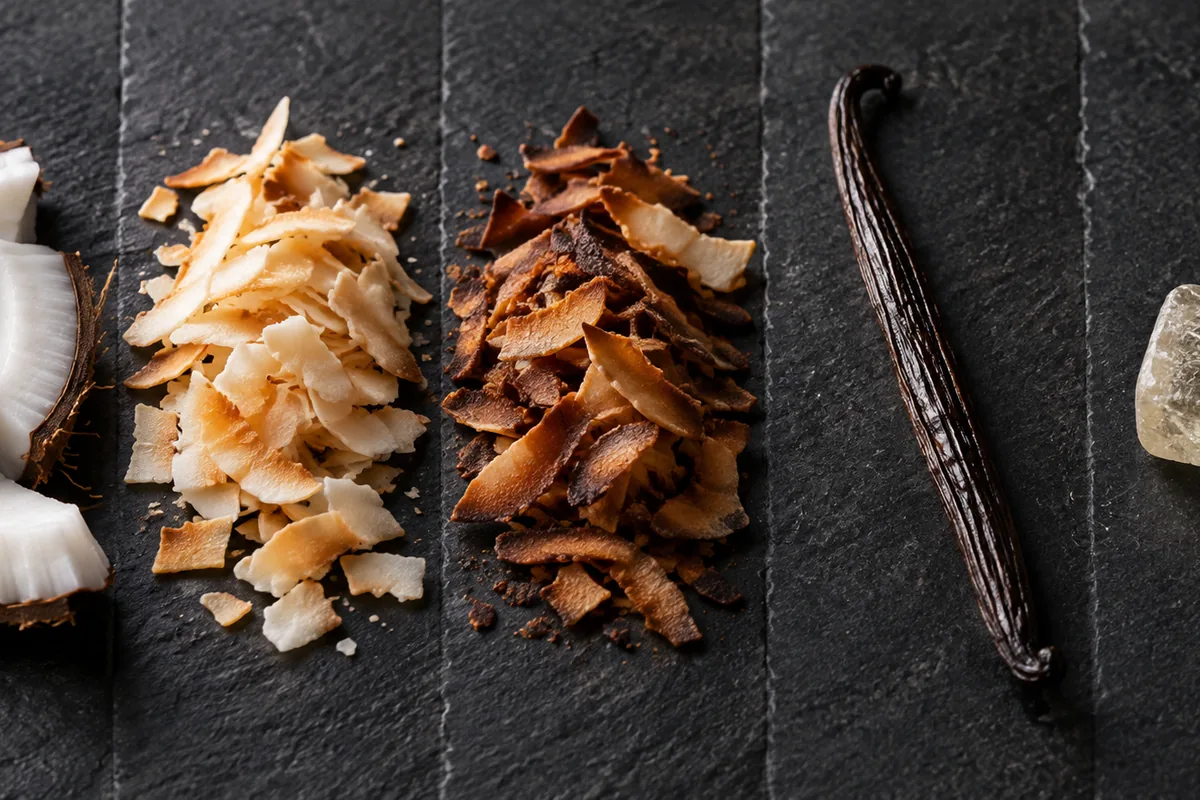
Tamborine Mountain Distillery describes its 20% liqueur through fresh coconut and subtle toasted notes, while Notos presents its 15% clear liqueur as smooth, rich, and tropically sweet.
Those descriptions belong to named bottles and should not become a category-wide tasting note. A clear agricole-rum base can frame coconut differently from neutral alcohol, white rum, a dairy cream base, or a formula dominated by sugar and vanilla-like aroma.
- Find the coconut state. Decide whether the aroma resembles fresh flesh, coconut milk, toasted flakes, deep roast, or candy.
- Separate coconut from vanilla. Vanilla can make a formula feel creamier and sweeter even when the liquid is clear.
- Notice the base alcohol. Look for clean warmth, sugar cane, grass, molasses, or a neutral background rather than assuming every bottle tastes of rum.
- Check the texture. A transparent liqueur may feel syrupy without fat, while an opaque formula can add coating richness from a cream phase.
- Follow the finish. Lingering roast, candy sweetness, alcohol heat, or fatty texture will determine whether the bottle disappears or dominates when mixed.
Published producer specifications support facts about the bottles they describe, but they do not support a category-wide score or ranking. Choose by the disclosed ingredients, strength, texture, and intended function instead of colour or packaging.
How strong and sweet is coconut liqueur?
Coconut liqueur has no single alcohol strength.
Current examples show the spread: Notos Coconut Liqueur at 15% ABV, Notos Batida de Coco at 16%, Rhum Clément Mahina Coco at 18%, Pernod Ricard's current listing for Malibu Original at 21%, and Tamborine Mountain Distillery Coconut Liqueur at 20%.
- Notos Coconut
- 15% ABV
- Notos Batida de Coco
- 16% ABV
- Mahina Coco
- 18% ABV
- Malibu Original
- 21% ABV
- Tamborine Mountain
- 20% ABV
These are current, market-specific examples rather than the outer limits of every product sold as coconut liqueur. The European Union's 15% category floor applies when the product uses the regulated liqueur designation there, while another jurisdiction or designation may set a different framework.
Sweetness must be assessed separately from ABV. Two bottles at 18% can differ in sugar, fat, aroma intensity, and base-spirit character, while an opaque texture can make alcohol warmth less obvious without removing ethanol.
A 30 millilitre measure at 15% ABV contains 4.5 millilitres of pure ethanol, while the same measure at 20% contains 6 millilitres. Pernod Ricard provides a mass-based cross-check for Malibu Original at 21%: 16.6 grams of alcohol per 100 millilitres.
NIAAA defines one United States standard drink as about 14 grams, or 0.6 US fluid ounces, of pure alcohol.
A customary glass, creamy appearance, or sweet flavour does not establish a standard-drink count, and no calculation can show that someone is unimpaired or safe to drive.
Measure the actual bottle. Use its printed ABV and count every alcoholic ingredient in the complete serving, including rum, wine, or another liqueur.
How should coconut liqueur be mixed and paired?
A measured pour of coconut liqueur can add coconut aroma, sweetness, alcohol, and sometimes fat at the same time. Start by deciding which of those jobs the drink needs, because adding more coconut liqueur may solve an aroma gap while creating excess sugar or weight.
Clear coconut liqueurs usually combine with citrus more predictably because they lack a visible cream emulsion. Strong acid can destabilize dairy proteins or some opaque emulsions, so a cream-style bottle needs its own producer guidance rather than a category-wide promise.
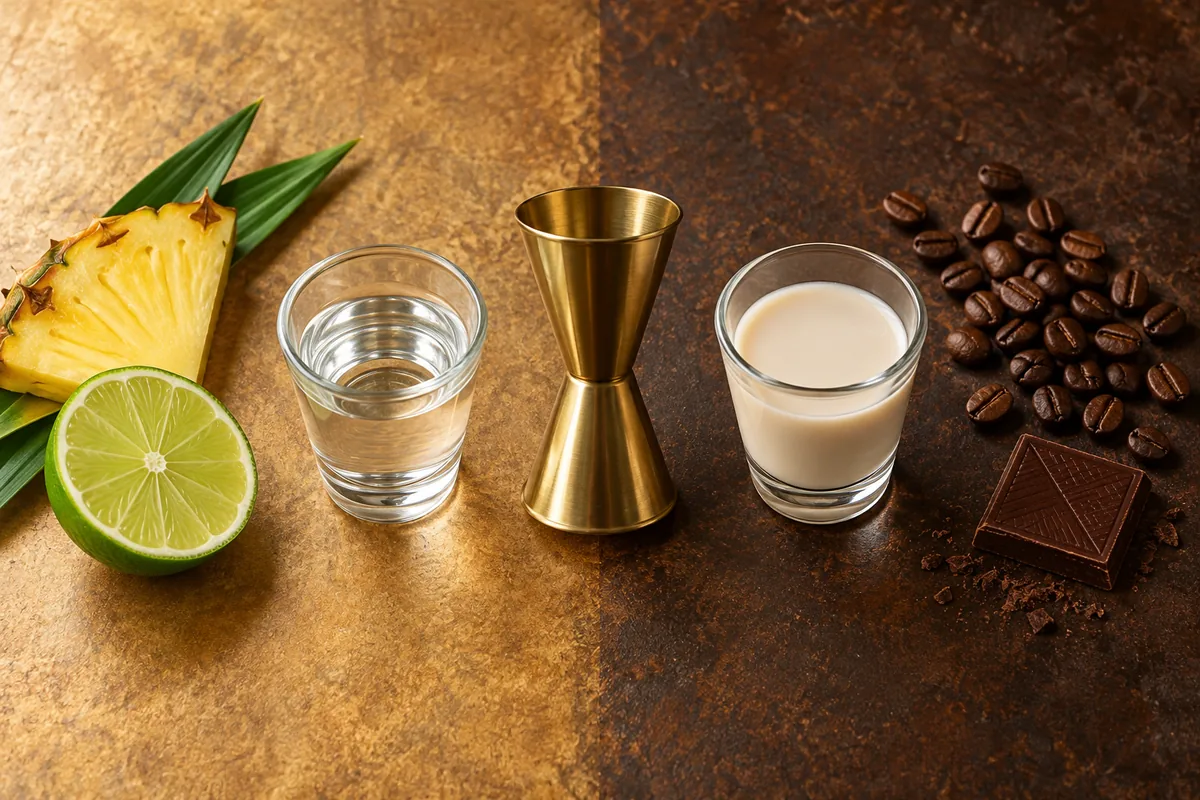
Clear styles often suit bright acidic partners, while cream-style formulas are easier to balance with coffee, cocoa, spice, or other low-acid flavours.
| Pairing job | Useful partners | Why it works | What to watch |
|---|---|---|---|
| Brighten a clear style | Lime, pineapple, passion fruit, or dry sparkling water | Acid and dilution lift coconut aroma and restrain sugar | Reduce other sweeteners before adding more liqueur |
| Extend rum character | Measured rum, cane notes, aromatic bitters, or warm spice | Shared cane and spice aromas give coconut a drier frame | Both components can add alcohol |
| Balance a cream style | Coffee, cocoa, dark chocolate, cinnamon, or restrained vanilla | Bitterness and roast offset sugar and richness | Too much vanilla can turn coconut into generic candy |
| Pair with food | Tart tropical fruit, salted nuts, grilled pineapple, coffee dessert, or dark chocolate | Acid, salt, bitterness, and browning keep coconut recognizable | Sweet-on-sweet combinations can become flat |
When an opaque bottle must meet citrus, test a small measured combination first and add the acidic ingredient gradually while mixing. A stable result with one brand does not prove that another dairy, coconut-fat, or emulsion formula will behave the same way.
Temperature changes perception too. Chilling can suppress aroma and thicken fat, while warmth can expose alcohol and make a cream-style product feel heavier; follow the producer's serving directions before changing the formula.
In a mixed drink, measure the coconut liqueur, preserve enough acid or bitterness to balance it, and adjust other sugar separately. One universal measure cannot suit clear, cream-style, 15% ABV, and 20% ABV formulas equally.
How do you read the label and choose a bottle?
Choose coconut liqueur by function before packaging. A clear bottle for citrus-led mixing needs a different physical formula from an opaque after-dinner pour, and a rum-forward product may contribute more base-spirit character than a neutral liqueur.
TTB's distilled-spirits label guidance treats the class, type, designation, and any required statement of composition as meaningful information.
- Read the legal designation. Distinguish coconut liqueur, flavoured rum, cream liqueur, cream of coconut, and coconut food ingredients.
- Check the base alcohol. Look for rum, agricole rum, neutral alcohol, another spirit, or no disclosed base claim.
- Find the coconut statement. Coconut cream, coconut material, extract, natural coconut flavouring, and unspecified flavouring are different disclosures.
- Check ABV and sugar clues. Strength is printed, while sweetness may require an ingredient list, nutrition panel, technical sheet, or direct producer statement.
- Confirm dairy and allergens. White colour and the word creamy cannot prove milk content, dairy-free status, vegan suitability, or absence of other allergens.
- Read storage directions. Refrigeration, shaking, best-before language, and use-after-opening instructions can differ across clear and opaque formulas.
- Match the intended use. Decide whether the bottle must bring bright coconut aroma, rum character, roast, sweetness, creaminess, or a clean transparent appearance.
A phrase such as rum with natural flavours can describe a different legal identity from liqueur, even when both products smell strongly of coconut.
Online descriptions can vary by country and change over time, so the physical bottle sold in your market takes priority when ingredients, allergens, or suitability matter. Its ingredient list can distinguish coconut cream from dairy cream, while the allergen statement can identify milk or other declared allergens.
How should coconut liqueur be stored?
Store a sealed coconut liqueur upright, tightly closed, away from direct light and repeated heat unless the producer gives a more specific direction. After opening, the formula becomes decisive.
A clear spirit-based product may be directed to a cool, dark cupboard, while an opaque bottle containing dairy, coconut cream, or a less stable emulsion may require refrigeration and a shorter use period.
- Record the opening date. This makes a product-specific use-after-opening instruction practical.
- Keep the closure clean. Sugar and fat around the neck can prevent a cap from sealing well.
- Follow refrigeration text exactly. Do not infer shelf stability from alcohol when the bottle also contains cream or coconut solids.
- Interpret separation in context. Gentle settling can be expected when a label says shake, while persistent curds or a broken emulsion can signal a formula or storage problem.
- Hold a doubtful bottle. Leakage, swelling, unexpected pressure, mould, a damaged closure, or a sharply abnormal odour are reasons not to serve it.
Follow the label rather than applying one rule to the entire category.
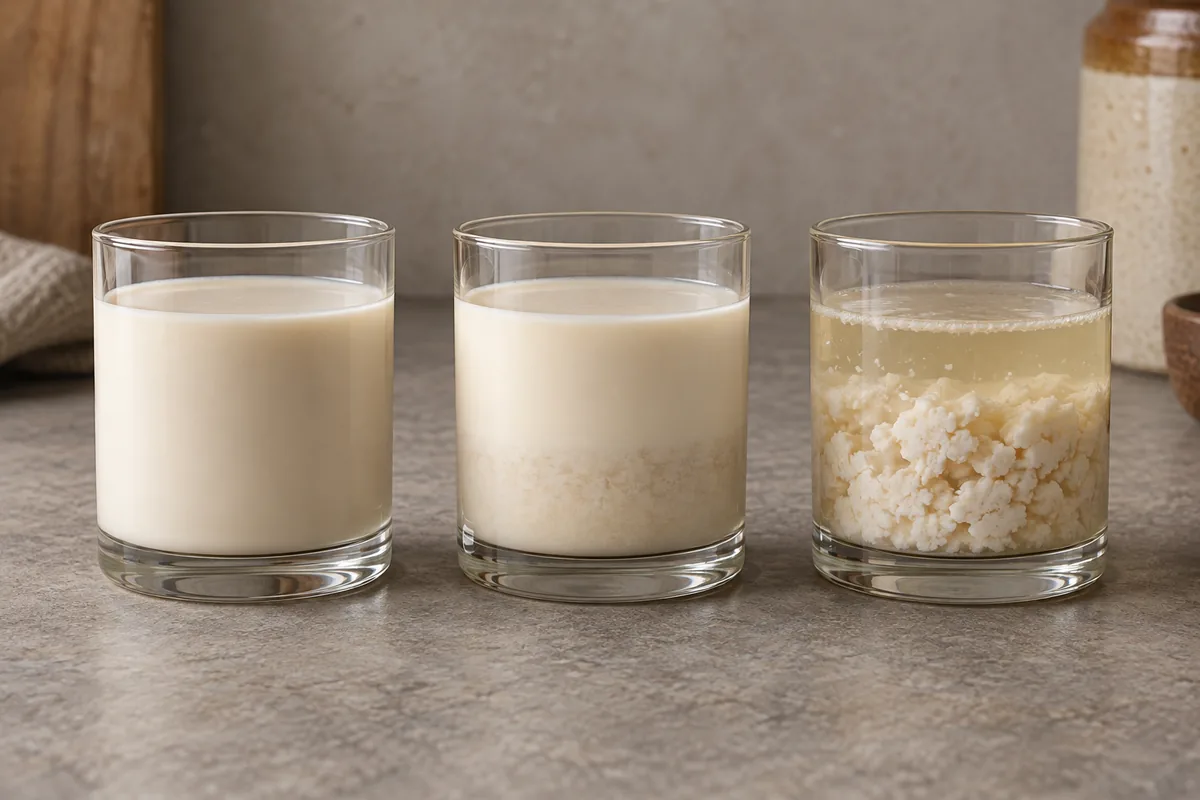
Cold coconut fat can become thicker or form pale solids, so appearance immediately after refrigeration is not a universal spoilage test. Let the producer's instructions and the product's normal description guide whether gentle warming to serving temperature or shaking is appropriate.
Acid-created curdling in a mixed glass also does not prove that the original bottle was spoiled. Inspect the unmixed product, closure, aroma, storage history, and label instructions before deciding what happened.
There is no reliable universal open-bottle lifespan. Formula, packaging, storage temperature, opening date, and the producer's directions determine the useful decision.
The best bottle is the one whose designation, coconut source, base alcohol, sweetness, ABV, allergen statement, and handling directions fit the job you have. Coconut aroma is the shared identity, while the formula around it determines how the liqueur tastes, mixes, and keeps.
Sources
-
27 CFR 5.150, Liqueur or cordial
Published 9 February 2022. Accessed 13 September 2026.
-
Regulation (EU) 2019/787
Accessed 12 September 2026.
-
TTB Anatomy of a Distilled Spirits Label
Accessed 13 September 2026.
-
TTB Beverage Alcohol Manual, Chapter 4
Accessed 13 September 2026.
-
NIAAA, What Is a Standard Drink?
Accessed 13 September 2026.
-
Coco López Cream of Coconut product information
Accessed 13 September 2026.
More in Liqueurs
-
 Almond liqueur
01
What is almond liqueur, and does it always contain almonds?
-
 Amaretto
02
What is amaretto, and what gives it an almond-like flavour?
-
 Apple liqueur
03
What is apple liqueur, and how does it differ from apple brandy?
-
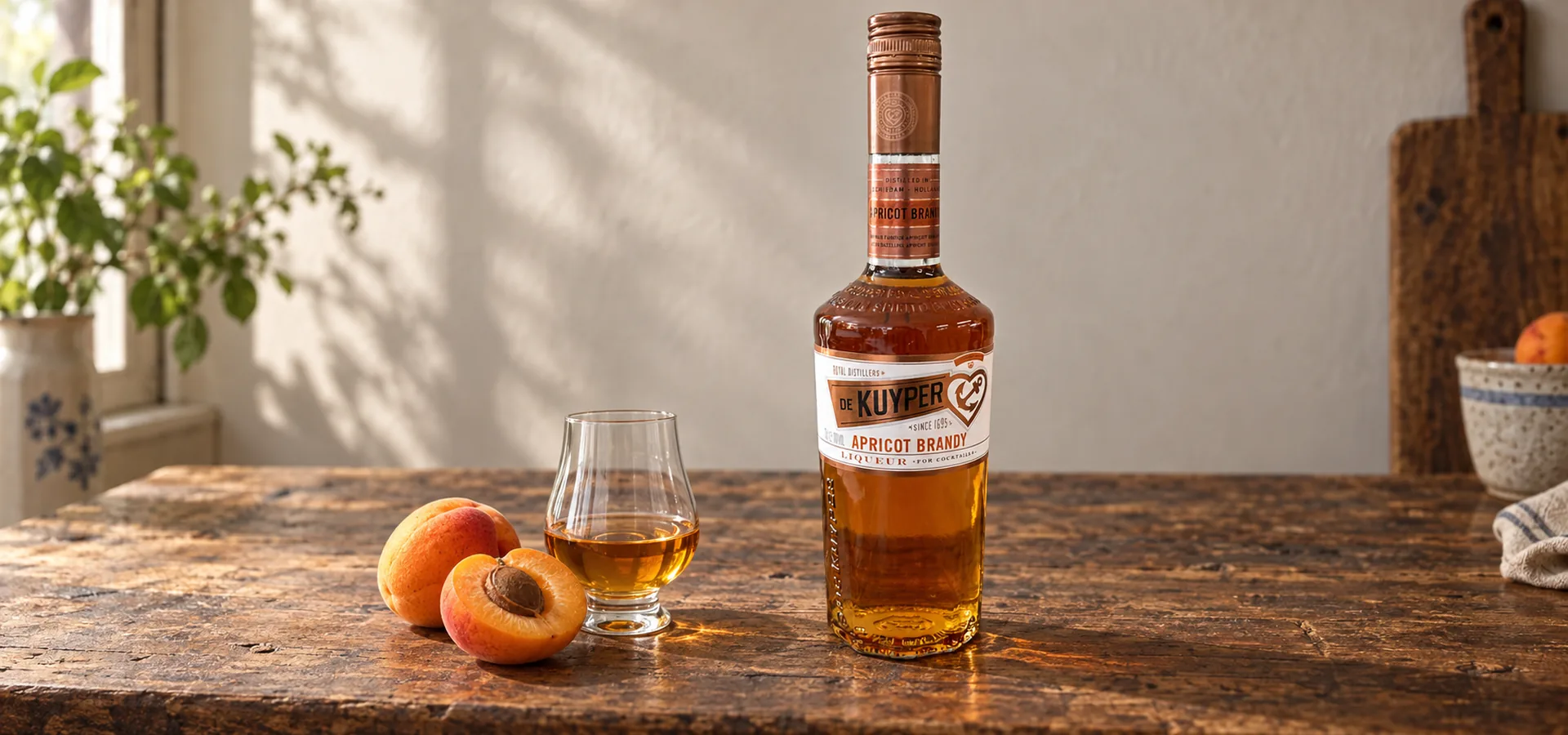 Apricot liqueur
04
What is apricot liqueur, and when does apricot brandy mean something else?
-
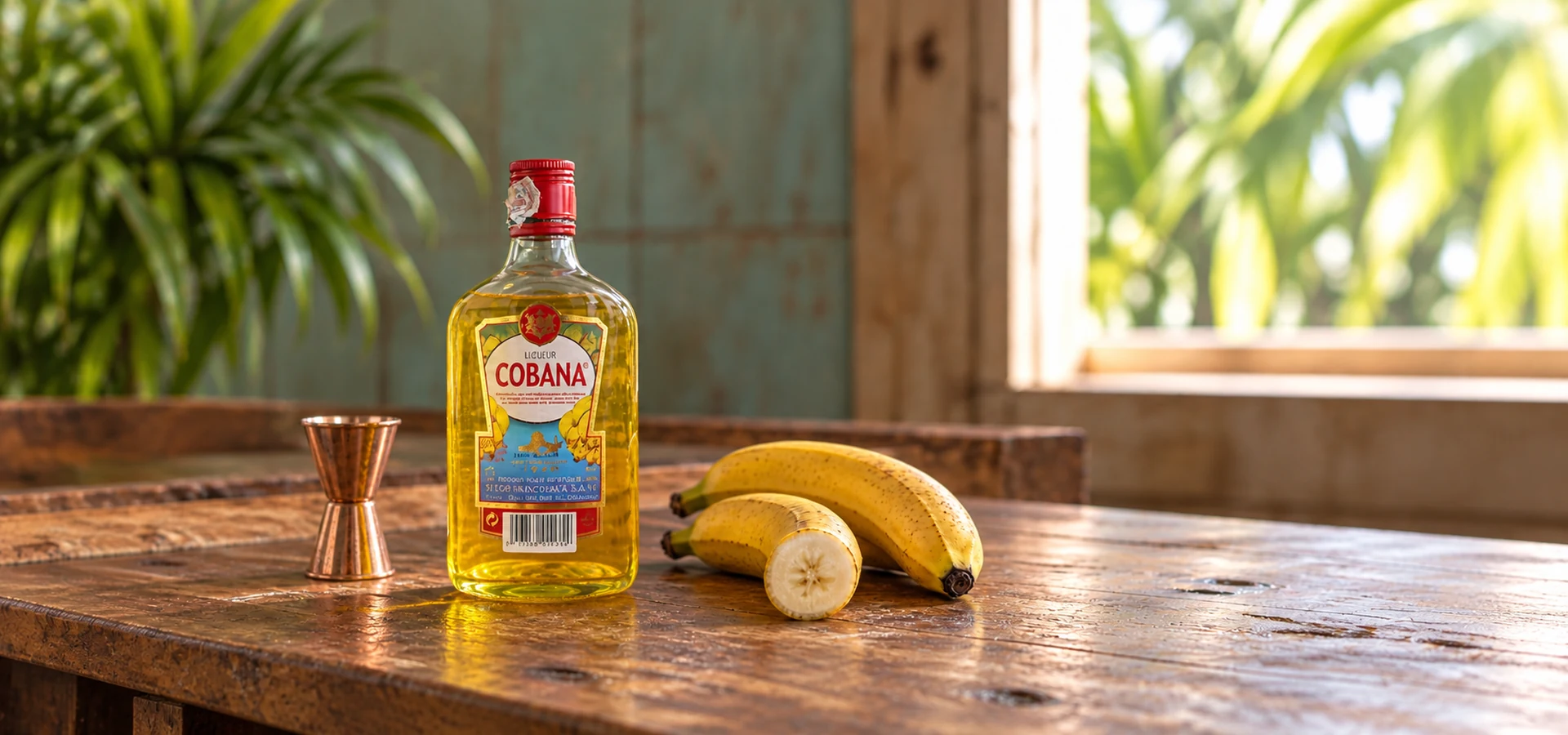 Banana liqueur
05
What is banana liqueur, and how do fresh and ripe styles differ?
-
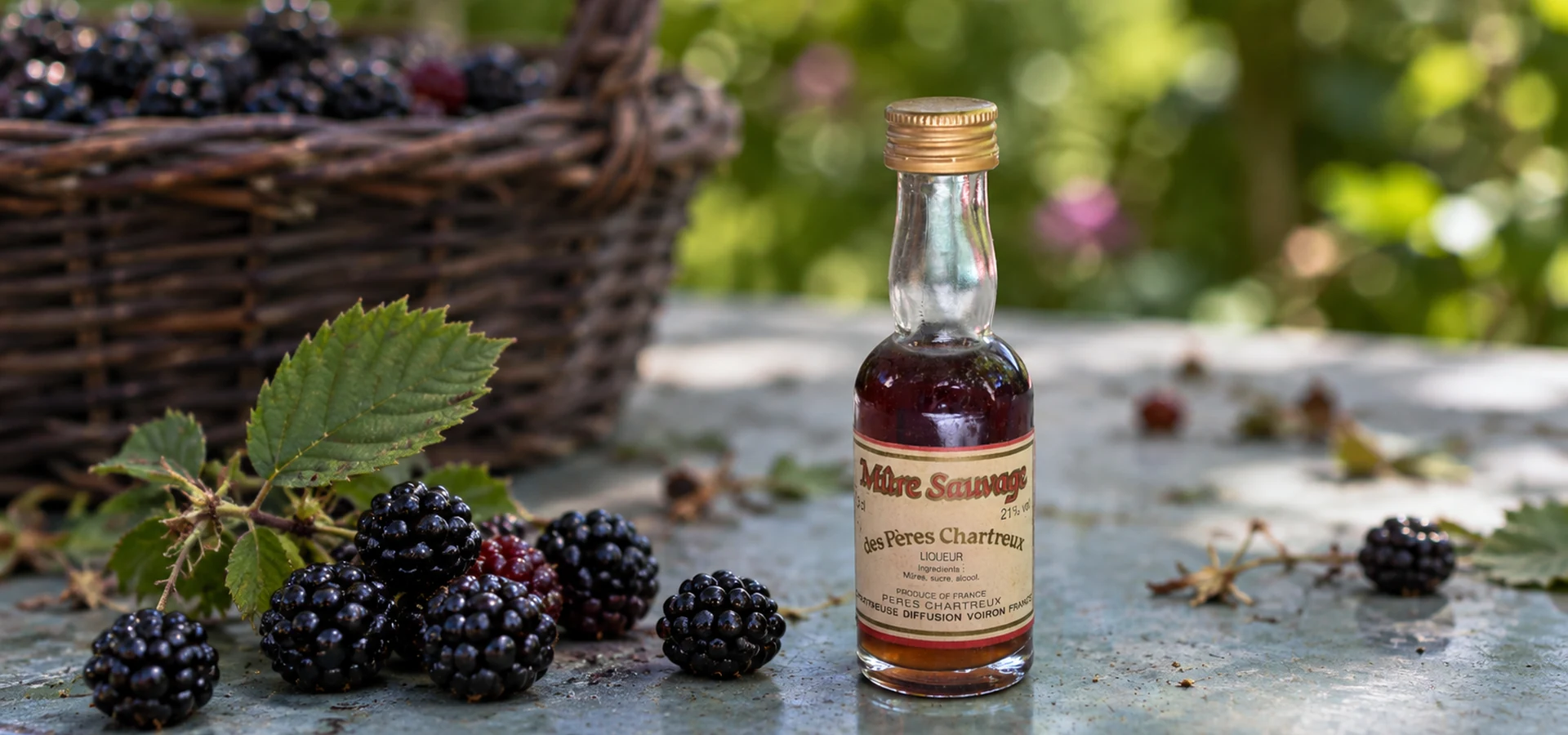 Blackberry liqueur
06
What is blackberry liqueur, and is it the same as crème de mûre?