
Spirits
What Is White Rum? Flavor, Production, and Bottle Choice
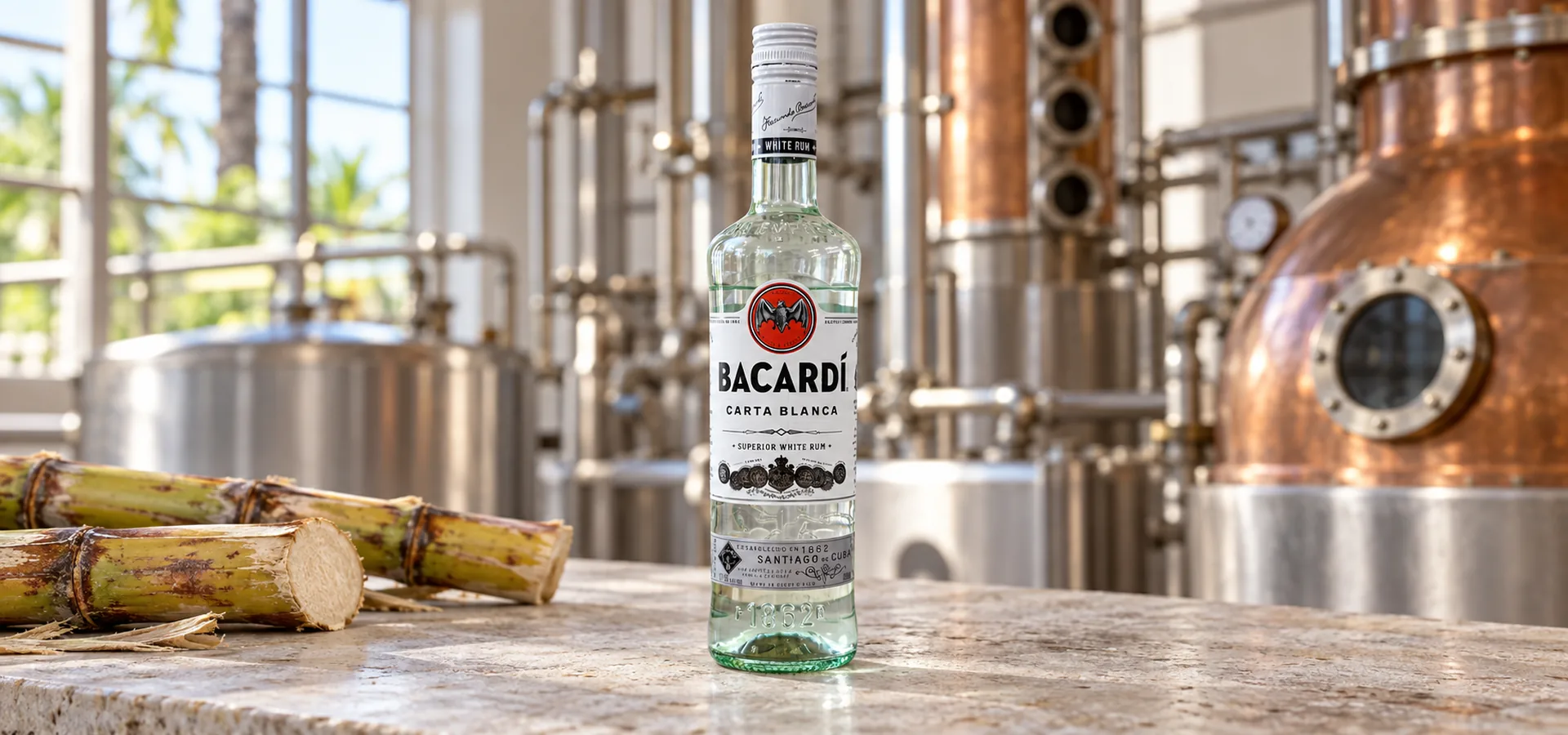
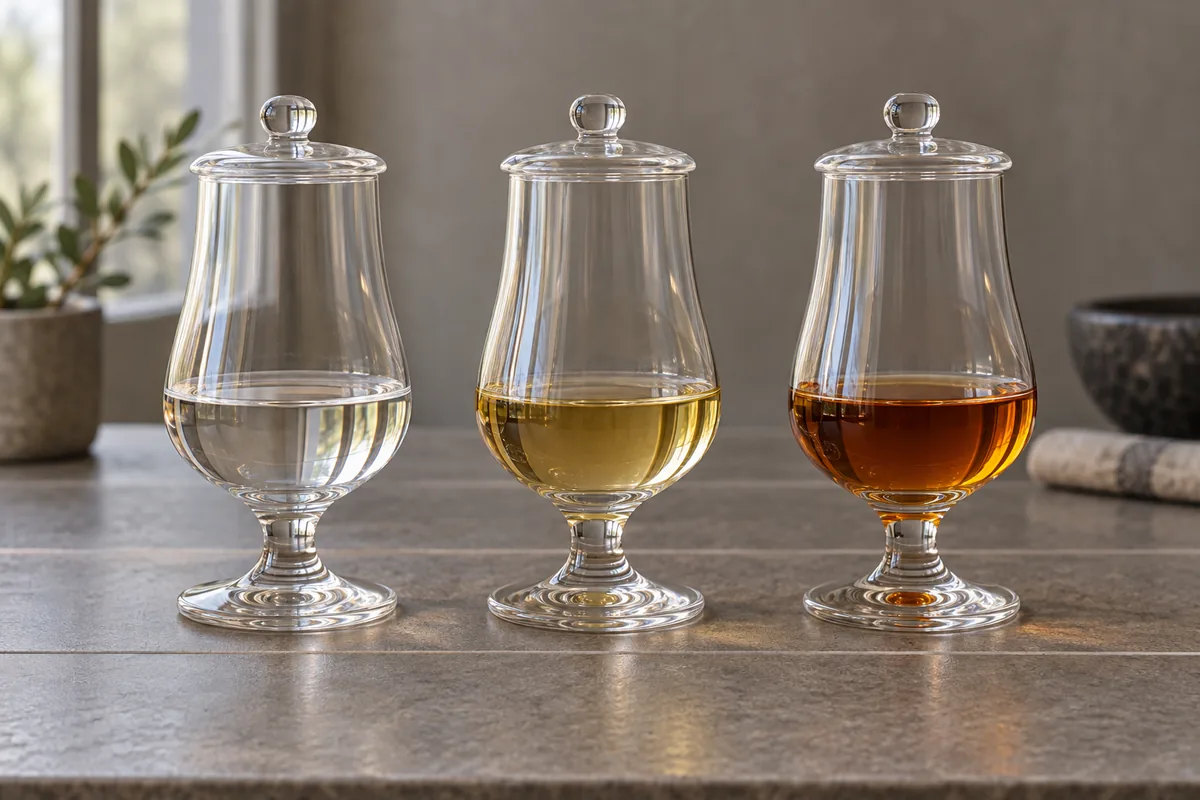
White rum is a clear or nearly colorless spirit distilled from fermented sugarcane material. Some examples are unaged, while others contain barrel-matured rum that has been filtered clear, so color alone cannot tell you the age, flavor, or strength.
At a glance
- Legal category
- Rum under the applicable jurisdiction; white, light, silver, clear, or blanco is not one universal legal production class.
- Also called
- light rum, silver rum, clear rum, blanco rum
What is white rum?
Rum begins with sugarcane.
Current U.S. and EU definitions both allow fermented cane juice and products of cane-sugar manufacture, although they set different distillation and bottling rules.
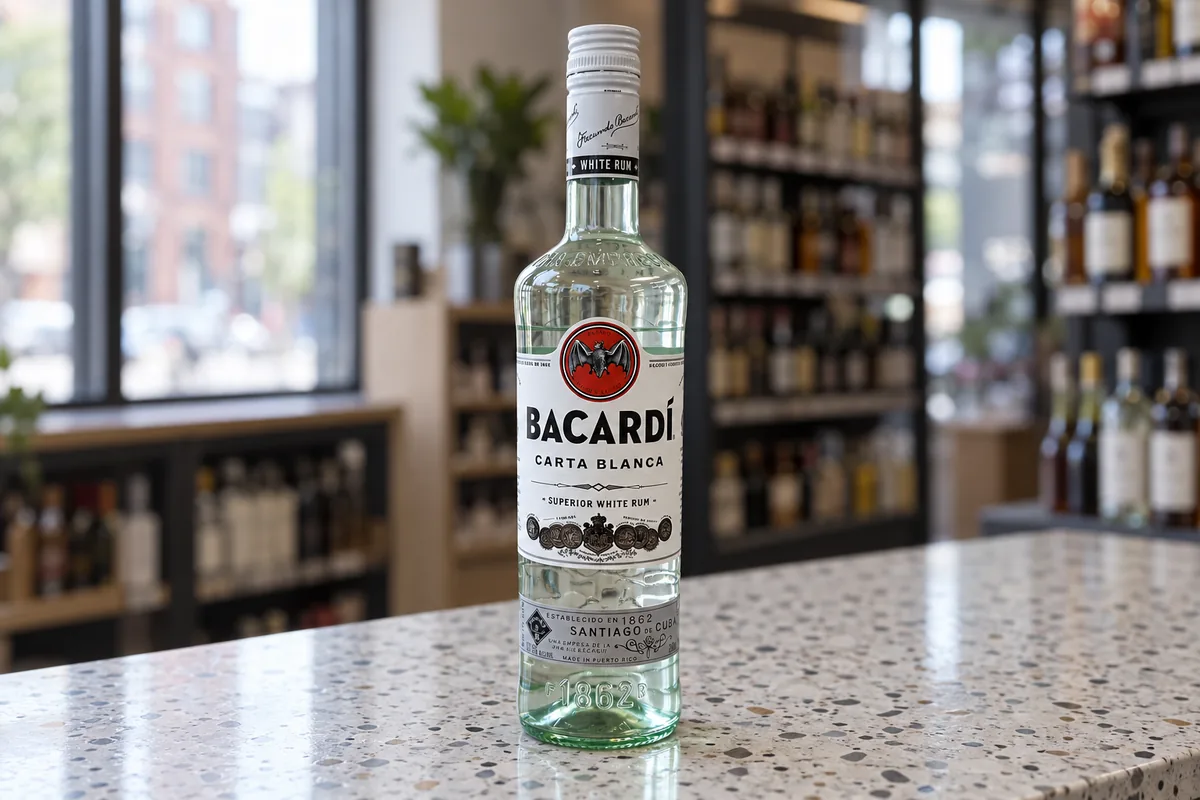
Under 27 CFR 5.147, rum sold under the U.S. standard must come from fermented sugarcane juice, syrup, molasses, or another cane by-product, be distilled below 95% ABV, retain the character generally attributed to rum, and be bottled at no less than 40% ABV. The EU definition in Regulation 2019/787 uses a distillation ceiling below 96% ABV and a bottling minimum of 37.5% ABV.
Those are rum definitions, not white-rum recipes. Neither cited rule says that every white rum must be unaged, column distilled, filtered, mild, dry, or intended only for cocktails.
- Spirit base
- Fermented sugarcane juice, cane syrup, molasses, or another permitted cane material
- Appearance
- Clear or nearly colorless in the glass
- Common names
- White, light, silver, blanco, and clear rum
- What color cannot prove
- Age, still type, flavor intensity, sweetness, or ABV
White describes the finished appearance more reliably than the production history. Light, silver, blanco, and clear are common market neighbors, but none supplies one universal method across all countries and producers.
A clear cachaça can meet the U.S. rum definition while also carrying a Brazilian identity. Rhum agricole and other geographical terms may have their own origin rules, so a clear cane spirit from one tradition is not automatically interchangeable with another.
Transparency alone does not establish whether the spirit was aged, how intensely it tastes, which still made it, or how much alcohol it contains.
Those answers begin with the label and continue with reliable production disclosure.
How can different white rums all look clear?
Fresh cane juice, concentrated syrup, and molasses all supply fermentable sugar, but they do not give yeast the same chemical environment. Fresh juice is watery, fragile, and quick to change after crushing, while molasses is a concentrated product left after sugar crystallization and carries a larger load of minerals and non-sugar compounds.
Molasses is the primary feedstock discussed in a contemporary peer-reviewed review of rum production, but it is not the only lawful cane input.
A bottle made from molasses does not necessarily taste like spooned molasses because fermentation and distillation transform and separate its compounds.
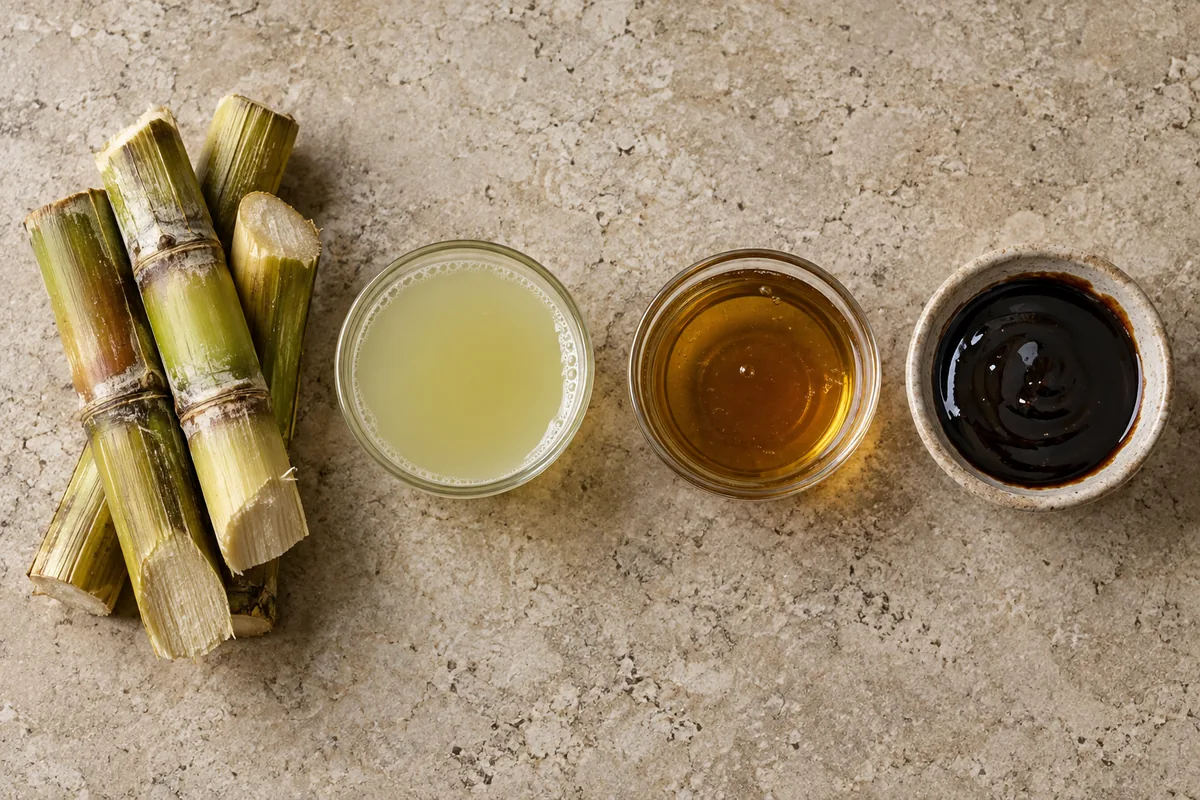
Yeast converts sugar into ethanol and produces aroma-active compounds and their precursors. The distiller then decides which portions and concentrations reach the finished spirit, so two clear liquids can diverge before either one sees a storage vessel.
After distillation, white rum can reach clarity by several broad routes:
| Route | What happens | What remains unknown |
|---|---|---|
| Unaged or rested clear | The distillate avoids a color-giving wooden cask, although it may rest in an inert vessel before proofing and bottling. | Flavor can still be delicate or intense, depending on fermentation, still, cuts, blend, and ABV. |
| Matured, then filtered | Rum spends time in wood and is later treated with activated charcoal that adsorbs much of the color and selected aroma compounds. | Clear color does not reveal the duration, cask, filtration medium, or remaining wood influence. |
| Blend of clear components | Unaged and aged distillates, or lighter and heavier distillates, are combined before final proofing and clarification. | The blend can only be understood as far as the producer discloses its components. |
An age or process statement is more useful than the shortcut that clear means unaged.
An unaged white rum route stays clear because it never extracts color from a wooden cask. That does not make the rum unfinished or neutral, since fermentation and distillation may already have supplied a large aromatic load.
A second white rum route matures in wood, then uses activated charcoal to adsorb much of the color and selected aroma compounds. Bacardi states that its Carta Blanca is aged in American white oak and shaped through charcoal, while Mount Gay describes its Silver as a blend of two-year-old pot-still rum and unaged column-still rum.
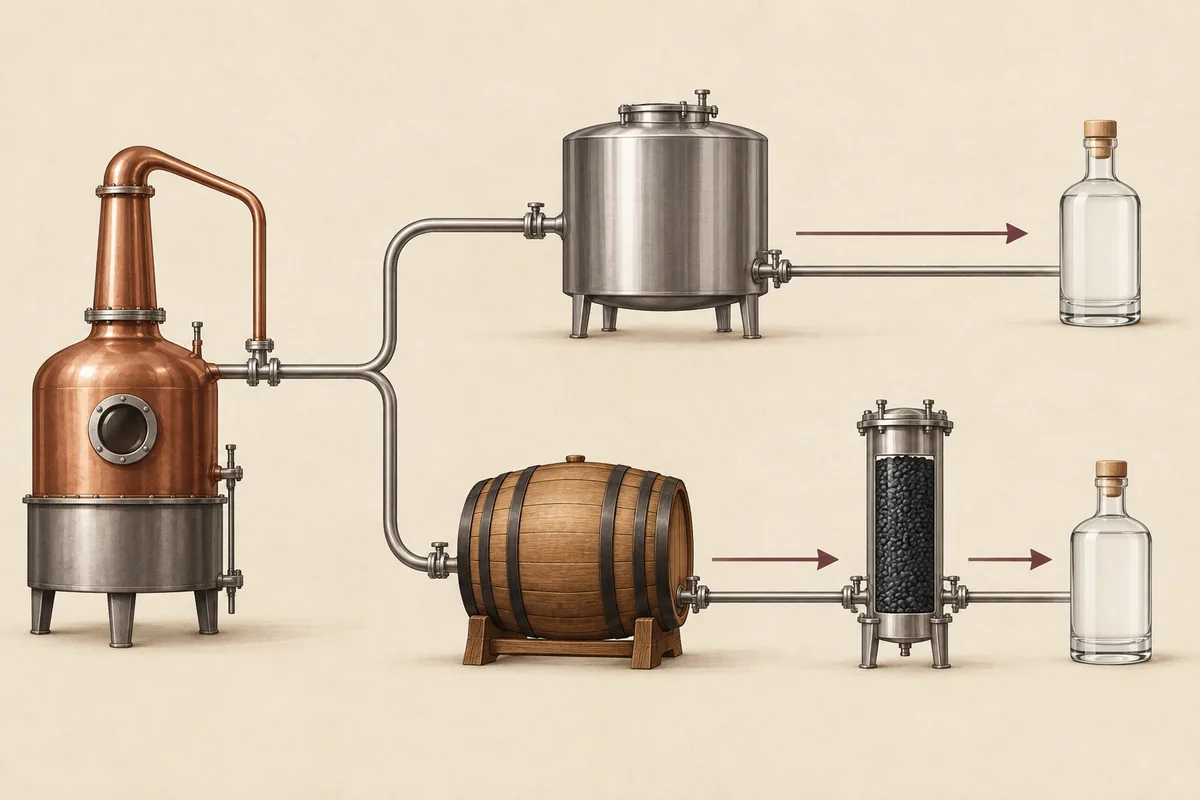
A third white rum route blends unaged and aged distillates, then adjusts strength and clarity. Blending can also combine pot and column components so that one brings aromatic weight while another supplies a lighter frame.
Charcoal is adsorptive, which means compounds adhere to its surface. Its effect depends on the carbon, contact, temperature, flow, and spirit, and a producer may pursue color removal, aroma adjustment, or both.
Filtration is selective, not a rewind button. White rum filtration does not reverse every extraction, oxidation, esterification, concentration, or blending decision that preceded it, and an aged filtered rum is not automatically richer or better than an unaged one.
What does white rum taste like?
No aroma descriptor applies to every white rum.
White rum can taste quiet and citrusy, grassy and herbal, floral, peppery, banana-rich, pineapple-like, molasses-led, or distinctly savory. Clear color sets no single aroma profile.
The most useful explanation starts before distillation. Fermentation can create esters, organic acids, higher alcohols, carbonyl compounds, sulfur compounds, and many other congeners, which is the collective name for volatile constituents other than ethanol that contribute to character.
Peer-reviewed work tracing molasses through fermentation, distillation, and aging found that each stage changed the key aroma compounds.
Distillation concentrates ethanol, but it also selects congeners by volatility and can create new aroma compounds through heat-driven reactions.
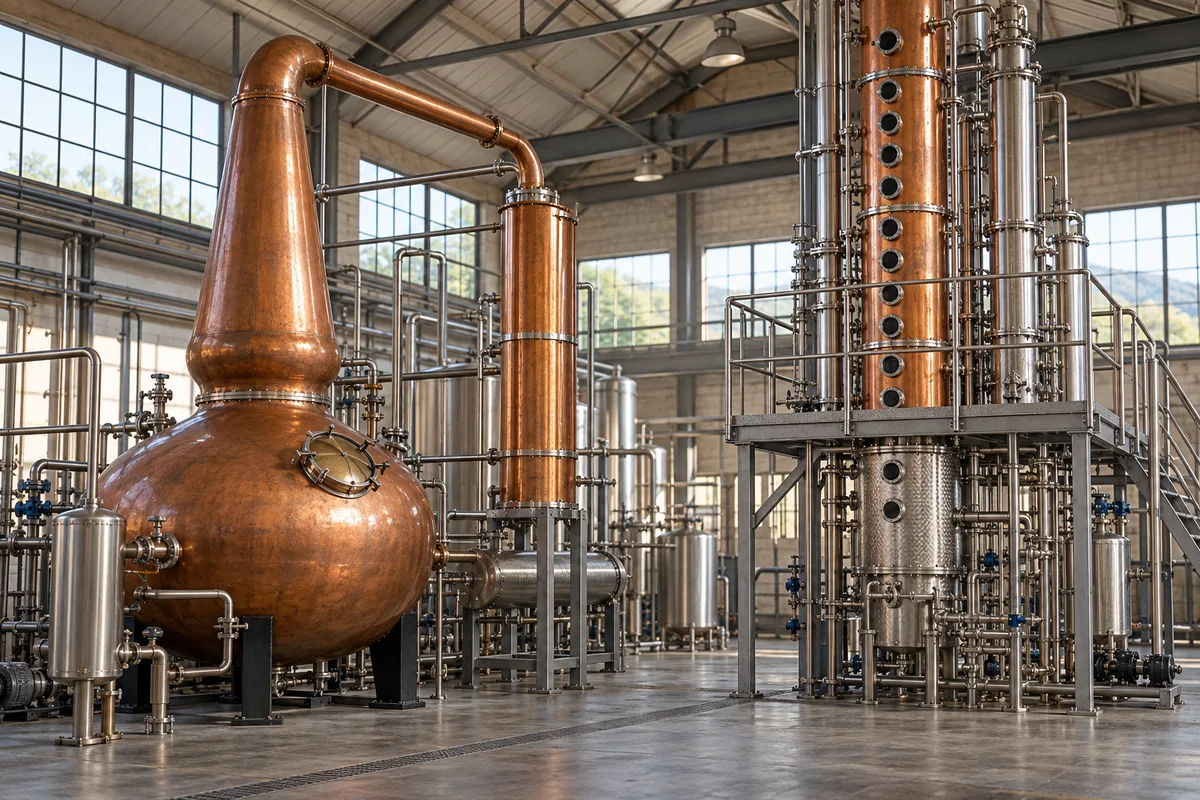
A pot still works in batches and often carries a heavier congener load into the collected spirit. A continuous column offers more separation points and can make a lighter distillate, yet its configuration and operating choices can also preserve considerable character.
That distinction is a tendency, not a verdict. Wray and Nephew discloses both copper pot and column distillation for a clear 63% ABV rum with banana, pineapple, grass, cane, and molasses notes, while Mount Gay has released a transparent 48% ABV rum distilled entirely in a Coffey column still with earthy, grapefruit, floral, cane, fruit, and pepper notes.
Cane-juice rum often presents grassy, herbal, floral, or fresh-cane cues because its raw material and production traditions differ from common molasses routes. Molasses-based white rum covers its own broad range, from dry citrus and vanilla through ripe fruit and forceful fermentation aromas.
Wood contact can introduce or amplify vanilla, spice, toasted, coconut-like, and structural notes. Filtration may soften some of them, and dilution changes which aromas rise from the glass, so an aged-and-filtered white rum can retain quiet traces of maturation even after its color fades.
White rum also exposes a common sweetness mistake.
Fruit aroma, vanilla-like cues, ethanol, and a rounded texture can make a spirit seem sweet even when a producer reports no added sugar.
The EU permits limited sweetening of rum to round the final taste, capped at 20 grams per litre expressed as invert sugar, while its rum category cannot be flavored. Other jurisdictions differ, and a flavored or spiced cane spirit may need a designation beyond plain rum.
Perceived sweetness is not proof of sugar content. Check a trustworthy technical disclosure where composition matters, and describe what you perceive separately from what the bottle is documented to contain.
How strong is white rum?
White rum commonly appears near ordinary spirit bottling strength, but the label can run much higher.
For white rum sold under the U.S. rum standard, the floor is 40% ABV, while the EU white rum category starts at 37.5% ABV.
Current white rum examples extend through 43%, 48%, 55%, and 63% ABV.
Those bottles demonstrate real variation, not a legal maximum or a complete global range.
- U.S. rum floor
- 40% ABV
- EU rum floor
- 37.5% ABV
- White overproof example
- 63% ABV
- U.S. standard drink
- 14 g pure alcohol
Proof in the United States is twice the ABV, so 40% ABV is 80 proof and 63% ABV is 126 proof. The conversion is simple, but the serving consequence deserves attention because equal liquid volume does not contain equal alcohol.
NIAAA defines one U.S. standard drink as 14 g of pure alcohol, about the amount in 1.5 fl oz, roughly 44 ml, of 40% ABV distilled spirits. The same 44 ml of 63% ABV rum contains about 57.5% more pure alcohol.
That comparison does not tell you how impaired anyone is. Food, pace, body composition, medication, sleep, and many other factors affect impairment, and no calculation from a bottle label can determine that a person is safe to drive.
Measure from the printed ABV, not from the color or glass. Overproof white rum needs a smaller measured quantity when the goal is to keep the alcohol contribution equal to a 40% ABV specification.
How should you taste, mix, and pair white rum?
Examine a small sample before building a drink
Pour a small 15 ml sample into a clean, unperfumed tasting glass at room temperature. Notice the first aromas without forcing your nose deep into the glass, then take a small sip and record fruit, cane, grass, floral, spice, fermentation, wood, sweetness impression, texture, and alcohol heat as separate observations.
Add a few drops of water and wait briefly. A modest change in dilution can release some aromas and quiet ethanol, which helps show whether the rum is delicate, tightly wound, or intensely aromatic.
This is evaluation, not a rule that white rum must be consumed neat. Strong or pungent examples may be easier to assess at a greater dilution, and the printed ABV should decide how cautiously you begin.
Match the drink structure to the rum
The International Bartenders Association's Daiquiri uses white Cuban rum with lime and sugar, which demonstrates the classic bright shaken role.
The useful lesson is balance rather than one fixed bottle: acidity and sweetness must meet the rum that is actually being poured.
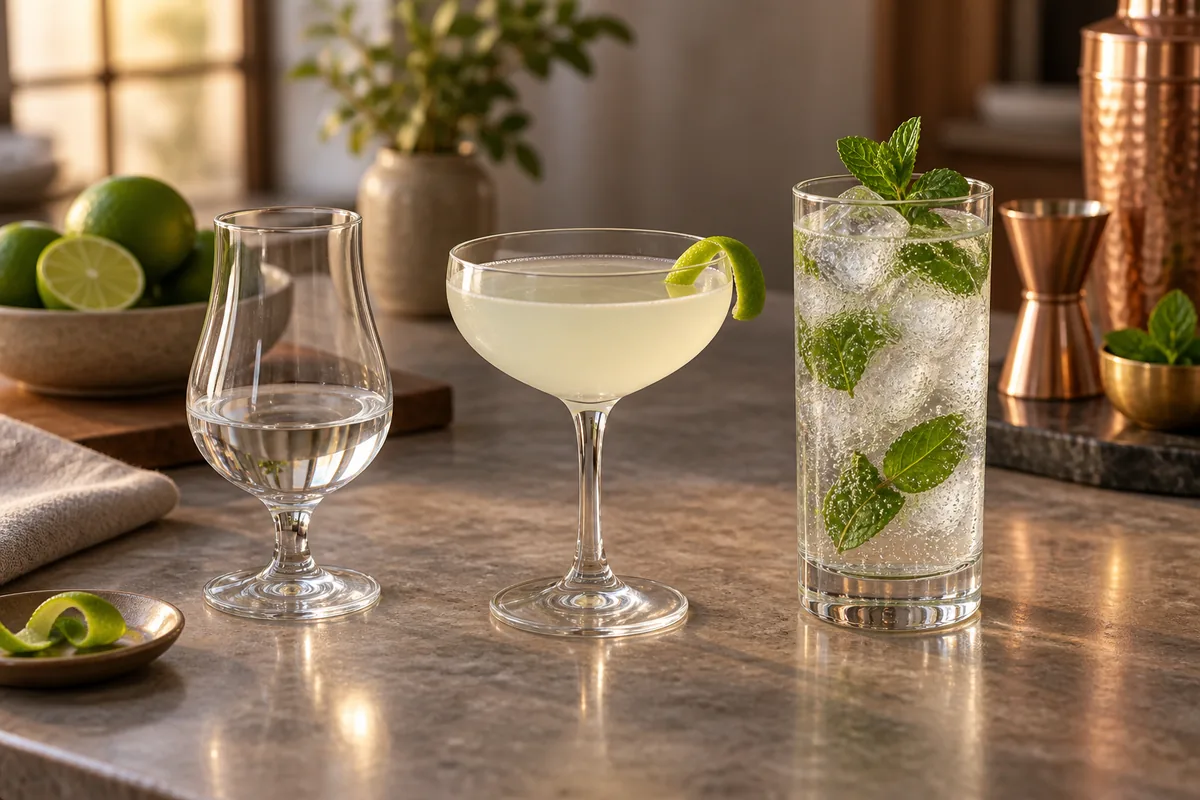
Keep delicate rum audible, give pungent rum enough counterweight, and never treat an overproof bottle like an ordinary 40% ABV pour.
- Quiet and lightly aromatic: A filtered white rum works when the drink should stay crisp and other ingredients need room. Too much sweetener or aromatic garnish can erase its remaining detail.
- Grassy or fresh-cane: A white rum made from cane juice can connect naturally with lime, mint, dry wine, saline notes, and fresh herbs. Keep heavy vanilla and dark sugar in check when you want those green cues to remain visible.
- Ester-rich and fruity: A pungent white rum can keep speaking through pineapple, aromatic bitters, baking spice, or a small amount of rich sweetener. In a very delicate build, the same bottle may dominate.
- Overproof: Higher-strength white rum needs its own measured build because equal liquid volume does not mean equal alcohol. Recalculate the amount first, then adjust water, ice, and other ingredients for balance.
Carbonation lifts volatile aromas and spreads alcohol across a larger volume, but it does not remove alcohol. Chilling reduces aroma intensity, while dilution can reveal or soften particular compounds, so temperature and water are part of the sensory result.
Pair food to the bottle, not the color
White rum pairing works best when the food responds to the dominant aroma and texture in that bottle. Acid and salt can sharpen cane and fruit cues, fat can soften perceived alcohol heat, and gentle smoke can meet heavier fermentation notes.
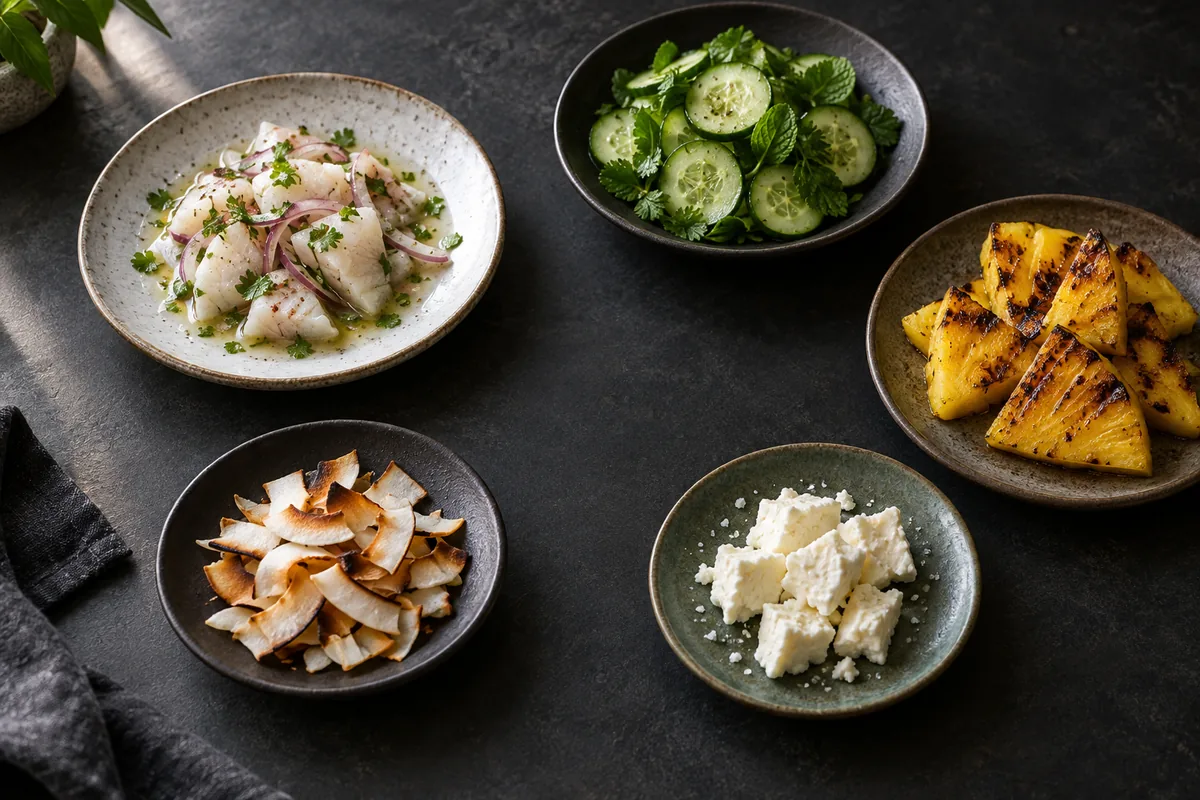
| What the rum emphasizes | Food direction | Why it can work |
|---|---|---|
| Citrus, light fruit, dry finish | Lime-cured fish, shellfish, or a tart fruit preparation | Acidity continues the bright line without adding heavy sweetness. |
| Grass, herbs, fresh cane | Cucumber, fresh herbs, mild fresh cheese, or lightly salted vegetables | Green flavors echo the rum while salt sharpens detail. |
| Banana, pineapple, ripe esters | Grilled pineapple, roast pork in a modest portion, or toasted coconut | Fruit creates a bridge while browning and fat meet the rum's weight. |
| Pungent fermentation and high ABV | Rich food with acid, such as grilled fish with citrus or a savory bean dish with lime | Fat moderates perceived heat and acid prevents the pairing from feeling heavy. |
Very sweet sauces can flatten cane and fruit detail, while aggressive chile can amplify alcohol burn for some people. Food changes perception and pace, but it does not reduce the amount of alcohol consumed.
How should you store an opened bottle?
White rum does not continue cask maturation in sealed glass.
The bottle supplies no wood extraction and very little controlled gas exchange, so years on a shelf will not turn a clear spirit into aged rum.
Store the bottle upright with its closure tight. Upright storage reduces prolonged contact between high-strength spirit and the closure, while a good seal slows evaporation and repeated air exchange.
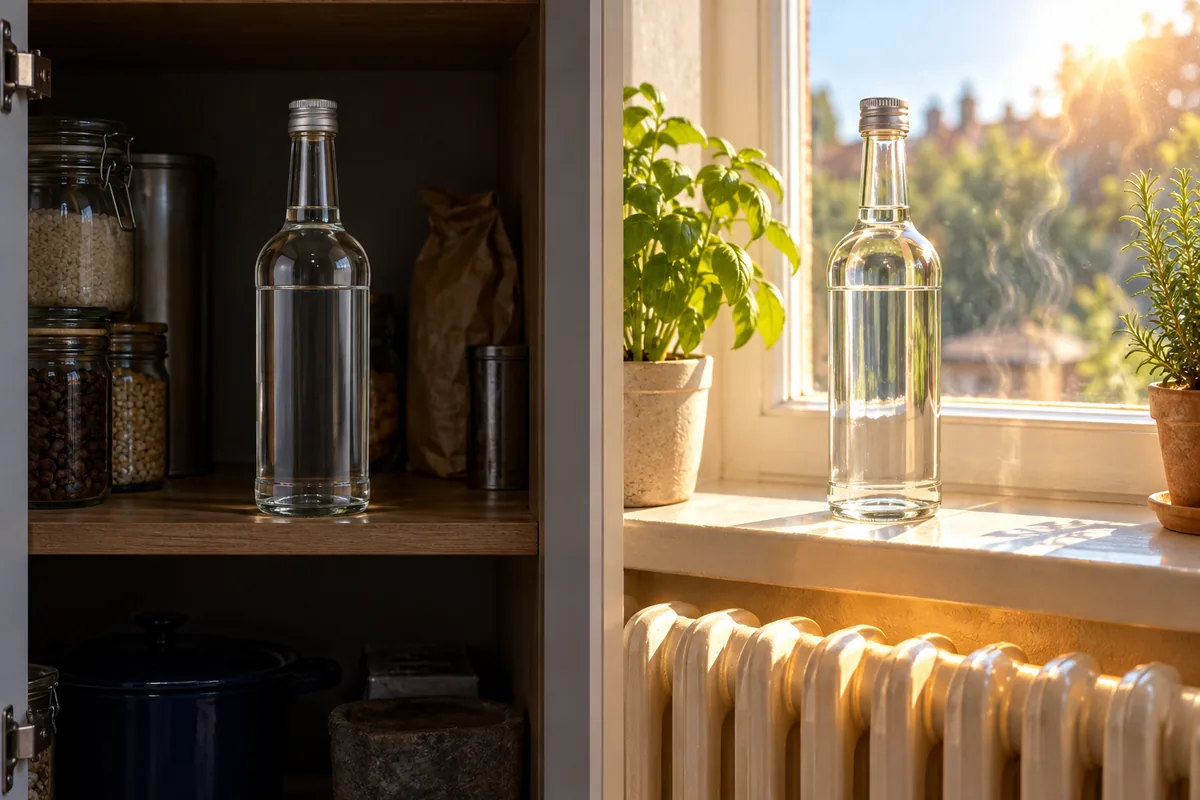
A cool, dark cupboard with a stable temperature protects aroma better than direct sunlight, a hot shelf, or repeated temperature swings. Keep the bottle away from flame and out of reach of children.
Oxygen in the headspace can slowly change a delicate rum after many openings, especially when little liquid remains. Transferring the remainder to a smaller clean glass bottle with a compatible tight closure can reduce the air volume, but label the new container accurately and never use a food or water bottle that could cause a dangerous mix-up.
No universal opened-bottle deadline is honest because closure quality, fill level, temperature, and handling differ. A gradual loss of fresh aroma is a quality change, while a broken seal, foreign debris, known contamination, or a clearly off odor is a reason to discard.
Temporary haze after chilling can come from oils and may clear as the liquid warms. Do not use cloudiness alone as proof of contamination, but do not taste from a bottle when the seal or storage history gives you a concrete safety concern.
Which white rum should you choose?
Begin with the regulated information, not the front-label mood.
TTB requires the class or type and alcohol content to appear in the same field of vision on a U.S. distilled-spirit container, so find rum and the printed ABV before interpreting words such as white, light, silver, or blanco.
A fanciful silver or blanco name does not replace the regulated designation. If the product is flavored or altered beyond the rum standard, its complete class, type, or statement of composition matters more than a large decorative word.
Origin, cane material, still type, fermentation, maturation, filtration, and blend details are valuable when they are disclosed, but much of that information is voluntary. An absent statement means unknown, not unaged, column distilled, dry, or inferior.
| Your intended role | Evidence worth finding | What not to assume |
|---|---|---|
| A restrained bright drink | Ordinary bottling strength and producer language describing a dry, light, or filtered profile | That every clear rum will disappear politely behind citrus or herbs |
| Fresh-cane character | Sugarcane juice, agricole, or another verified cane-juice statement, plus the origin rules behind a protected term | That the word white identifies the raw material |
| Assertive fermentation character | Disclosed pot-still components, marques, longer fermentation, or specific notes such as banana, pineapple, olive, or savory aromas | That strong aroma means a fault or guarantees quality |
| Higher-strength structure | The ABV first, followed by a reliable description of distillation and intended use | That overproof is simply a more intense version of a 40% ABV bottle at the same measure |
For a restrained bright white rum drink, look for ordinary bottling strength and producer language describing a dry, light, or filtered profile. This is a functional choice, not a quality ranking.
For fresh-cane white rum character, look for sugarcane juice, agricole, or another verified cane-juice statement and check the origin rules behind it. A protected geographical name may tell you more than the liquid's lack of color.
For assertive white rum fruit and fermentation character, seek disclosed pot-still components, marques, longer fermentation, or producer notes naming specific estery aromas. Treat those notes as claims about that bottle rather than a definition of all white rum.
For higher-strength white rum structure, begin with the ABV and recalculate the measured pour before considering flavor claims. If your actual goal is obvious oak depth or the color and weight of a darker style, choose a rum that documents those traits instead of asking a quiet clear bottle to imitate them.
The strongest buying rule is also the simplest: choose the documented spirit for the job you have. Clear color narrows the appearance, while the cane source, production disclosure, origin, ABV, and intended balance explain what the bottle can contribute.
Sources
-
27 CFR 5.147, Rum, Electronic Code of Federal Regulations
Accessed 4 September 2026.
-
Regulation (EU) 2019/787
Published 17 May 2019. Accessed 12 September 2026.
-
TTB Distilled Spirits Labeling
Accessed 13 September 2026.
-
NIAAA, What Is a Standard Drink?
Accessed 13 September 2026.
-
Influence of the Production Process on the Key Aroma Compounds of Rum
Published 15 November 2016. Accessed 11 September 2026.
-
Processes, Challenges and Optimisation of Rum Production from Molasses
Published 21 January 2021. Accessed 11 September 2026.
More in Spirits
-
 American single malt whisky
01
What is American single malt whisky, and what does it guarantee?
-
 Australian whisky
02
How is Australian whisky defined, and by which law?
-
 Black rum
03
What is black rum, and does the colour mean anything?
-
 Blended American whiskey
04
What is blended American whiskey, and how much of it is whiskey?
-
 Blended Irish whiskey
05
Blended Irish whiskey: which word counts the distilleries?
-
 Blended Scotch
06
Blended Scotch: what is in it, and why does the recipe change?