
Spirits
What is malt whiskey, and what does the label mean?
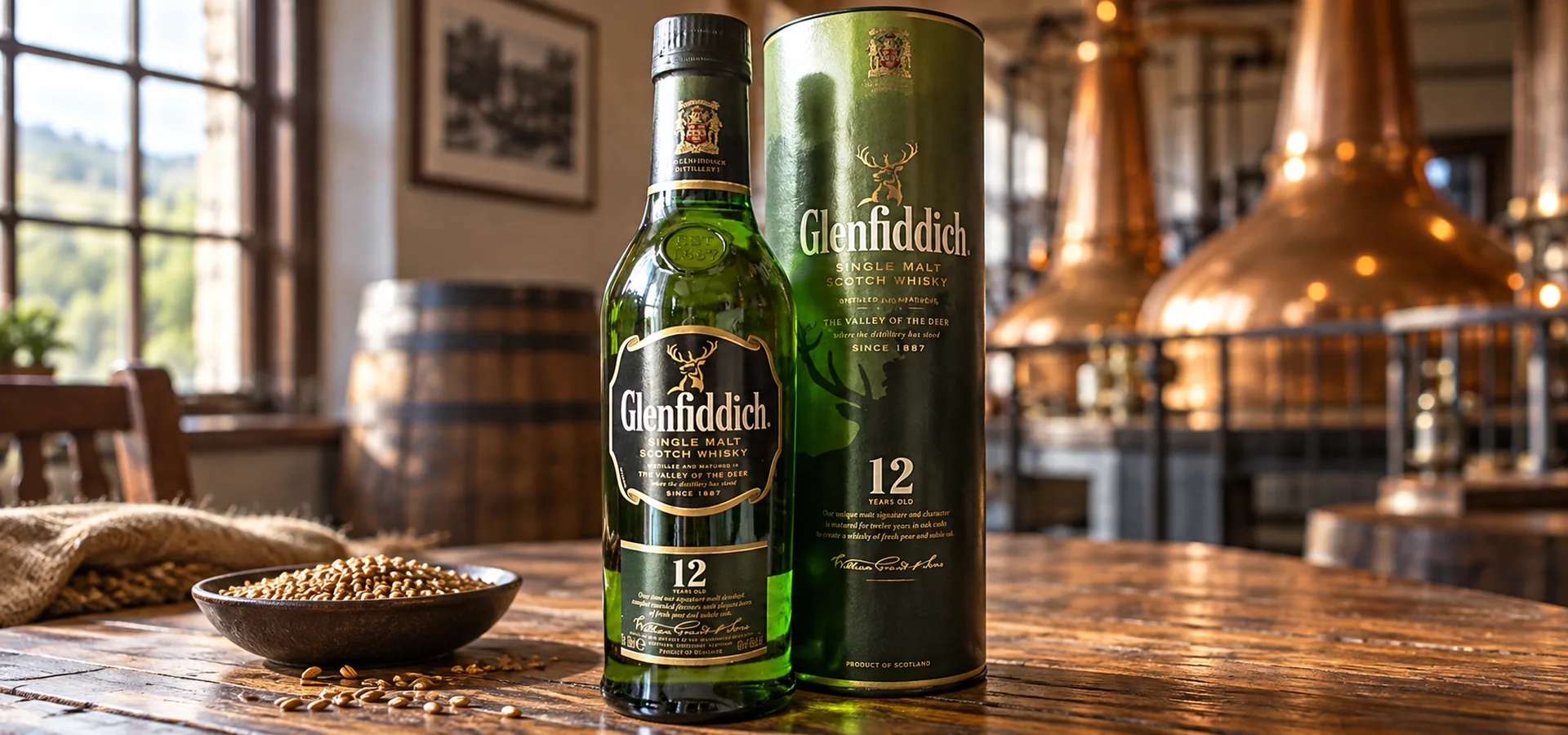
Malt whiskey is whisky whose grain identity comes from malted cereal, usually barley. Its exact legal meaning changes by market, so malt whiskey is broader than single malt and does not promise one flavour.
At a glance
- Legal category
- Jurisdiction-dependent: 27 CFR 5.143 defines United States malt whisky; American single malt has a separate 2025 standard; Scotch malt whisky is protected under United Kingdom rules.
- Minimum strength
- 40 percent ABV
What is malt whiskey?
Malt whiskey is whisky whose grain identity comes from malted cereal, usually barley. That direct answer is useful, but it is incomplete until the label's jurisdiction is known.
The United States creates a class called malt whisky, Scotland protects malt whisky within Scotch, and European Union law defines whisky without making malt whisky a separate general category. The same phrase can therefore point to different production constraints.
| Setting | Grain rule | Distillery rule | Maturation baseline |
|---|---|---|---|
| United States malt whisky | At least 51% malted barley in the mash | No one-distillery promise in the class name | New charred oak applies to the named malt whisky type |
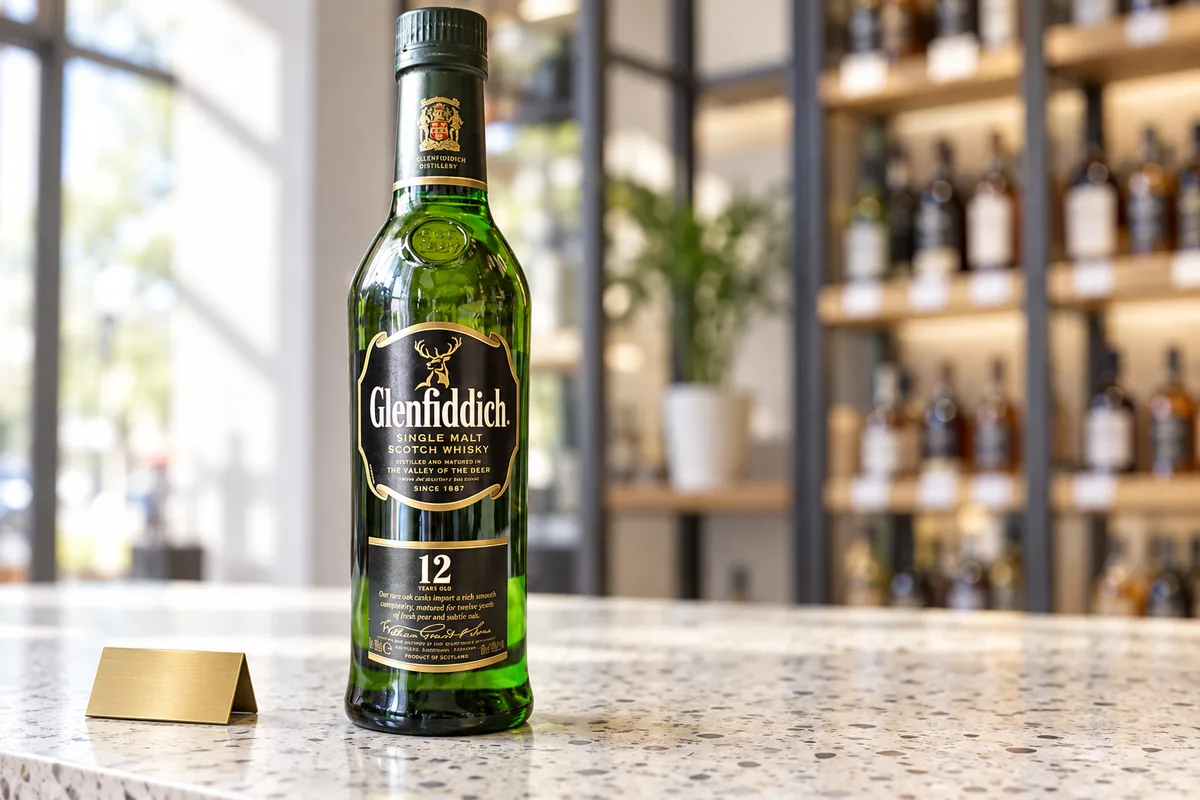
| American single malt whisky | 100% malted barley | One US distillery | Oak containers no larger than 700 litres |
| Scotch malt whisky | Water and malted barley, with only whole grains of other cereals permitted at the Scotch category level rather than in malt whisky | One Scottish distillery | At least three years in oak casks no larger than 700 litres |
The table also shows why malt whiskey is broader than single malt. Malt names the cereal basis; single adds source.
Spelling is a convention, not a dependable legal switch.
A bottle using whiskey with an e may be American or Irish, while a producer elsewhere may choose either spelling without changing the mash.
The American comparison needs one further distinction. The older malt whisky type requires at least 51% malted barley and the rules tied to that type include new charred oak, while the one-distillery American malt standard requires 100% malted barley but permits oak containers that need not be new or charred.
Those are independent legal designs rather than two points on a quality scale. A bottle can satisfy the broader grain idea while its exact mash, oak, and distillery promises come from the full designation.
Why malt the grain at all?
A cereal kernel stores energy as starch, but yeast cannot ferment that starch directly. Malting starts controlled germination so the grain develops and activates enzymes capable of breaking the starch into smaller sugars during mashing.
The maltster soaks barley, allows a rootlet to emerge, then uses warm air to stop growth before the seed consumes too much of its reserve.
Kilning fixes the malt in a dry, stable state while preserving enough enzyme activity for the distillery.
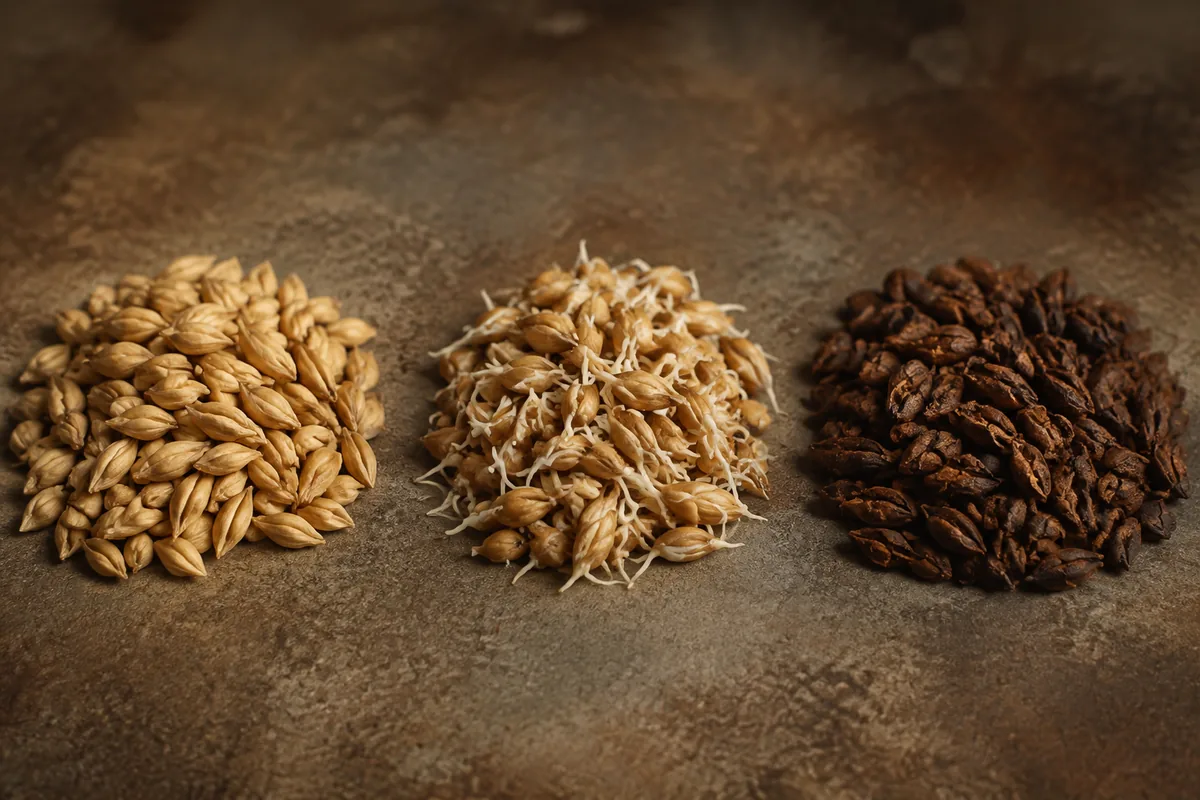
The germination stage matters even when the final whisky is not strongly cereal-flavoured. Its main job is biochemical, because the mash needs soluble, fermentable material before yeast can produce alcohol.
Heat at the kiln can also create toast, biscuit, nutty, or smoky precursors, depending on temperature and fuel.
Those sensory effects vary, while access to starch is the reason every malt has passed through the stage.
Malt is a process state, not a quality grade. It tells you that the cereal was germinated and dried for a production purpose; it does not by itself promise age, origin, smoke, or flavour intensity.
Maltsters also control moisture and germination uniformity because a kernel that grows too little may not develop enough useful enzyme, while one that grows too far consumes material the distiller wanted. Drying then has to make the lot stable without destroying the conversion capacity expected in the mash.
Modern distilleries may add externally produced enzymes where local law and product design permit them, but protected definitions can restrict that choice. The important label question is therefore what the governing category requires, not whether a distiller could achieve fermentation by another technical route.
Malt, single malt, and blended malt
Three nearby terms answer different questions, and reading them as a hierarchy causes most of the confusion.
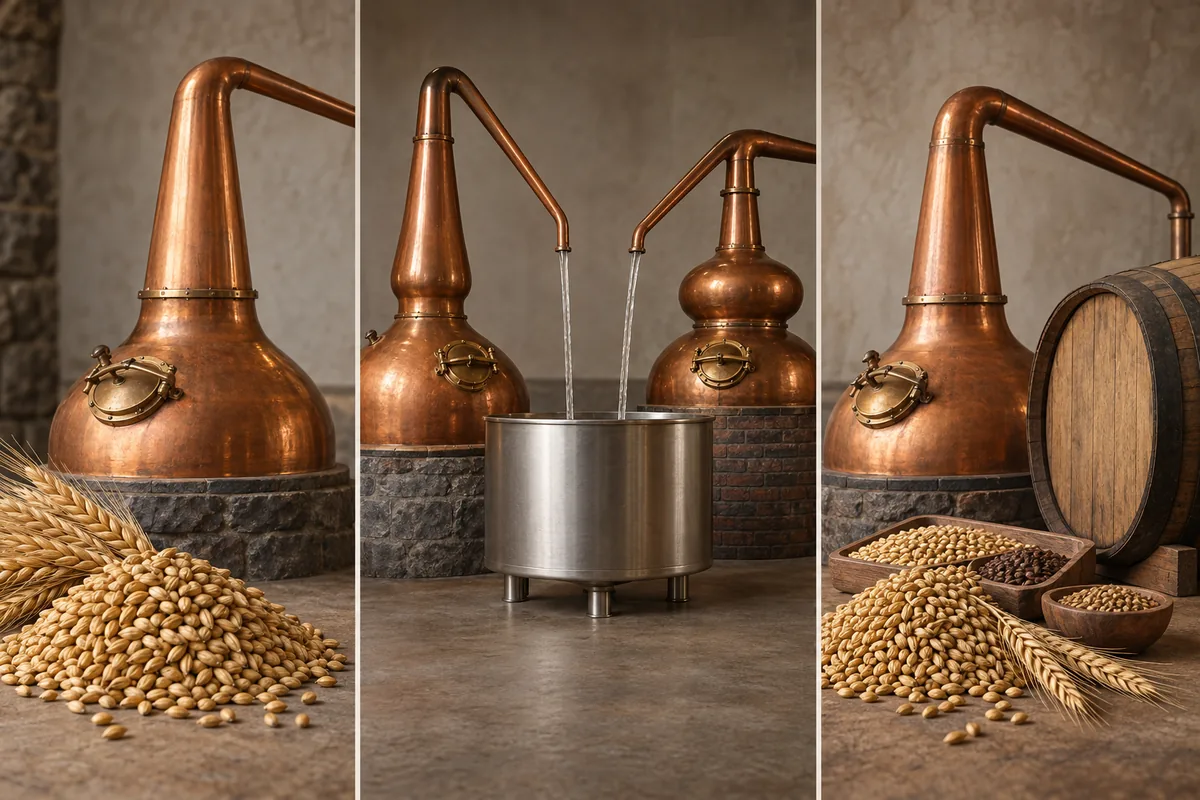
The first concerns grain, the second adds the number of distilleries, and the third describes how malt whiskies were combined.
- Malt whiskey
- A grain-led family or legal class, depending on the market.
- Single malt
- Malt whisky from one distillery where the term is defined.
- Blended malt
- A blend of malt whiskies from more than one distillery, with no grain whisky in the Scotch definition.
Single does not mean one cask. A single malt can combine many casks, ages, and batches as long as the qualifying spirit came from one distillery.
Blended malt is equally easy to misread. The word blended describes multiple malt-whisky sources, while blended Scotch may combine malt whisky with grain whisky.
Neither term is a sensory score.
A single malt can be delicate or forceful, and a blended malt can be narrow or complex, because distillery count does not measure aroma quality.
A one-distillery rule concerns where the whisky was produced and does not require every operation to happen in one building. Malting may be performed by a specialist maltster, and maturation warehouses may sit away from the still house while the qualifying production identity remains governed by the relevant standard.
A blend can also be assembled inside a single malt release from casks filled in different years and matured in different woods. The youngest component controls any age statement, while the single designation continues to report distillery origin rather than batch simplicity.
From malt to mature whiskey
Milling exposes the grain interior, and warm water in the mash dissolves the products of enzyme activity into a sugary liquid called wort.
The spent solids are separated before the liquid moves to fermentation.
- Mash: enzymes convert accessible starch and the liquid gathers fermentable sugars.
- Ferment: yeast converts sugars into alcohol, carbon dioxide, and aroma-active compounds.
- Distil: the still concentrates alcohol and separates volatile compounds according to design and cut decisions.
- Mature: the clear new spirit extracts from oak and changes through evaporation, oxidation, and chemical reaction.
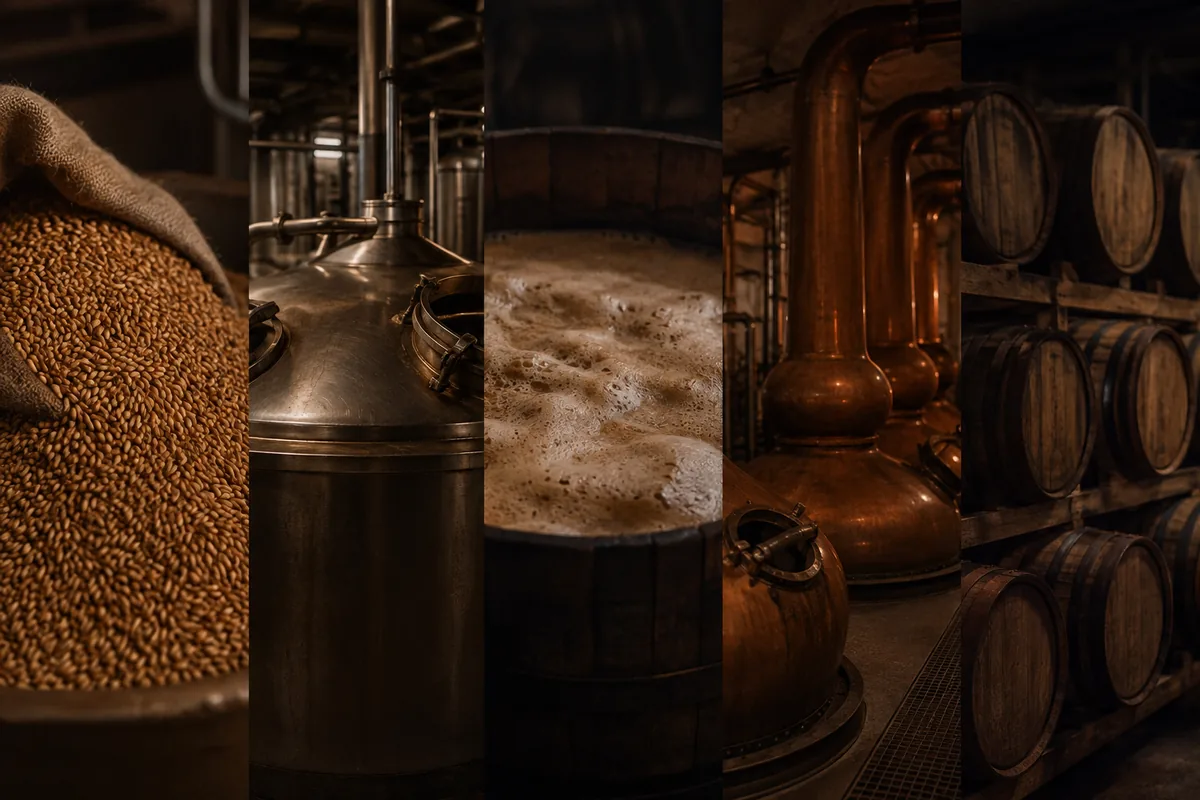
The still does not create flavour from nothing. It concentrates and selects compounds that began in grain, kilning, and fermentation, while copper contact and reflux change which of them reach the receiver.
Fresh distillate is normally colourless. Amber appears later through the cask, although permitted caramel colouring means a darker glass is never a complete maturation record.
For Scotch, the clock must run for at least three years in qualifying oak casks in Scotland. American malt categories follow different container rules, which is why a production detail cannot be transferred from one label to another without checking the standard.
Fermentation is especially important because yeast does more than create ethanol.
Duration, temperature, strain, wort clarity, and the presence of solids alter acids and esters before the still begins selecting among them.
Distillation then changes concentration through reflux and cut policy. Tall necks, boil balls, condensers, copper exposure, and the decision to retain more early or late character can make two spirits diverge before either touches oak.
Why malt whiskey does not have one flavour
Barley gives malt whiskey a shared starting material, not a standard aroma.
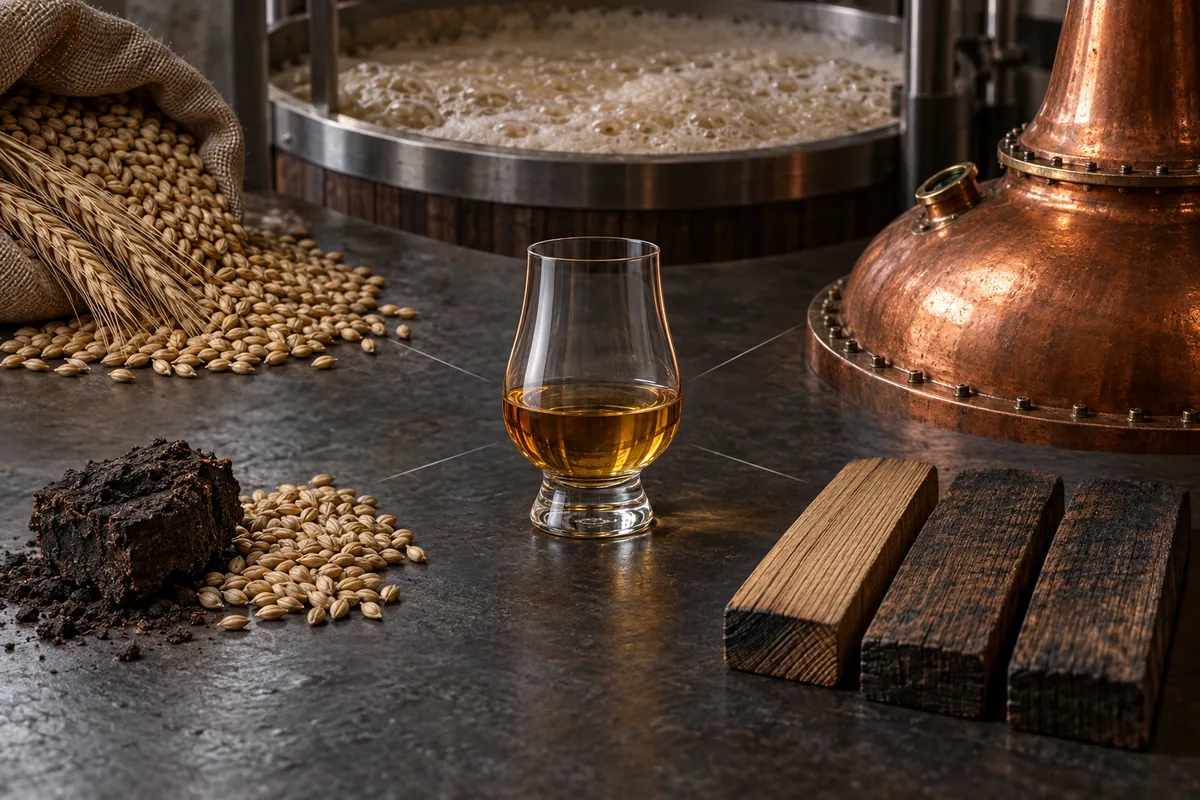
Variety, malt specification, fermentation, still geometry, cut policy, cask history, climate, age, and bottling strength can all move the glass in different directions.
| What you notice | Plausible sources | What it does not prove |
|---|---|---|
| Cereal, biscuit, toast | Barley variety, malt specification, and kilning | That the whisky is young |
| Apple, pear, banana, floral notes | Yeast metabolism, fermentation conditions, and distillation selection | That fruit was added |
| Smoke, ash, medicinal notes | Peat smoke on malt and the compounds retained through distillation | That the whisky came from Islay |
| Vanilla, coconut, spice, dried fruit | Oak species, toast, previous cask contents, and maturation | A precise cask history from aroma alone |
Peat is optional. Malted barley can be dried without peat smoke, so an unpeated malt whiskey is not missing a defining ingredient.
Cask influence is equally variable.
Fresh oak, refill oak, ex-bourbon wood, fortified-wine casks, cask size, warehouse conditions, and time change both extraction and the reactions that follow.
A flavour prompts investigation, not proof. Vanilla may suggest oak-derived compounds, for example, but it cannot identify the entire cask history or the length of maturation.
Texture provides another useful distinction. Oils and higher alcohols retained through fermentation and distillation can contribute weight, while filtration, bottling strength, and dilution change how that texture reaches the palate.
A whisky described as smooth tells a reader almost none of that. It is an evaluative word without a shared measurement, so production facts are more useful when trying to understand why one malt whiskey differs from another.
How to read a malt whiskey label
Start with the legal designation and country, because they establish the rules under everything else.
Only then should single, blended, age, cask, and strength wording be interpreted.
- Designation and origin. These identify the category and governing jurisdiction.
- Single or blended malt. These may report distillery count and blend composition, not quality.
- Age statement. Where regulated, this refers to the youngest qualifying whisky in the bottle.
- Alcohol content. This mandatory figure changes the alcohol in a given pour.
- Cask wording. A named previous fill or finish is useful, but it may omit duration, refill count, and the earlier maturation.
An absent age statement does not prove that every component is young. It means the label is not making that particular regulated time claim.
Likewise, a cask name should be read literally.
Port cask finish says something about later contact with former Port wood, while it may say nothing about the cask used before the finish.
The label can therefore establish identity and some production facts without predicting whether you will like the whisky. Preference still requires tasting under comparable conditions.
American labels deserve particular care because malt whisky and American single malt whisky now name different standards. The percentage of malted barley, one-distillery requirement, permitted cask, and effective date cannot be reconstructed from the shared word malt.
Protected Scotch wording carries a different set of guarantees, including Scottish production and maturation. A geographic term should be treated as a legal origin claim where protected, not as shorthand for peat level or a flavour profile.
How to taste malt whiskey
Use a clean glass, a modest pour, and a room without strong food, smoke, or fragrance.
A narrower rim can concentrate aroma, but glass shape is a tool rather than a rule about legitimacy.
Smell in short passes instead of holding the nose deep in the glass. High alcohol concentration can numb perception, and stepping back often reveals more than inhaling harder.
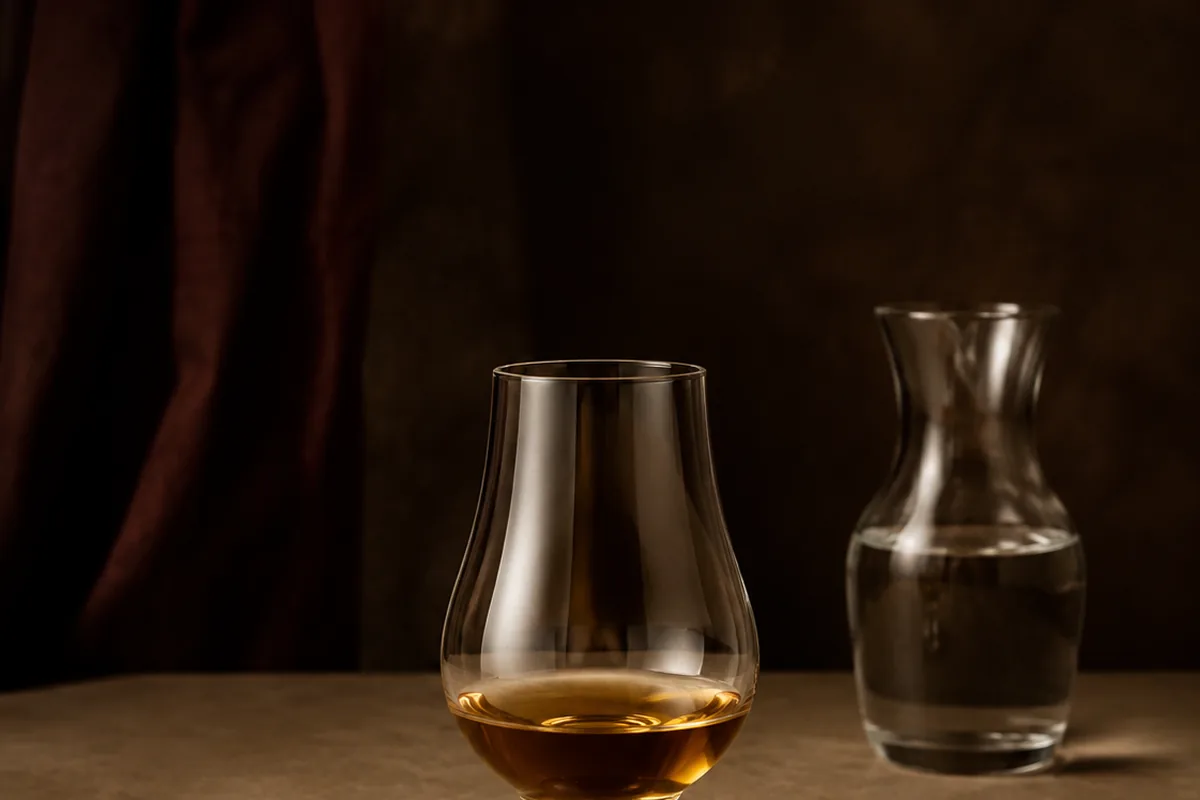
Take a small sip, note texture and development, then decide whether water would answer a question. Adding a few drops can change volatility and concentration, but it cannot remove the alcohol already present.
If two malt whiskies are being compared, keep pour size, glass, temperature, and sequence similar.
That discipline makes differences in spirit and maturation easier to separate from differences in setup.
Write impressions before discussing them if the comparison matters. Shared vocabulary helps later, while hearing another person's descriptors first can pull attention toward their answer.
Visual inspection can still record colour and clarity, but it should remain the least assertive stage. Natural and permitted colour differences, glass thickness, and room lighting make appearance a poor basis for claims about age or cask value.
On the palate, separate attack, development, texture, and finish rather than compressing the sip into like or dislike. That sequence leaves room to notice whether high alcohol, oak tannin, cereal sweetness, fruit, or smoke is controlling the experience.
Serving, storage, and alcohol strength
Malt whiskey can be served neat, with water, over ice, or in a mixed drink, and none of those choices changes its category.
The useful choice is the one that suits the whisky's strength and the question you want the glass to answer.
Ice lowers temperature and adds dilution as it melts, so it changes two variables together. Water added in measured small steps is easier to compare because temperature can remain similar.
Count the alcohol, not the number of glasses. The same 45 ml pour contains one and a half times as much pure alcohol at 60% ABV as it does at 40% ABV.
NIAAA's standard-drink definition counts 14 grams of pure alcohol, with roughly 45 ml of 40% distilled spirit as one example. A stronger malt whiskey reaches that amount in a smaller volume, while water or ice changes concentration but not the total alcohol consumed.
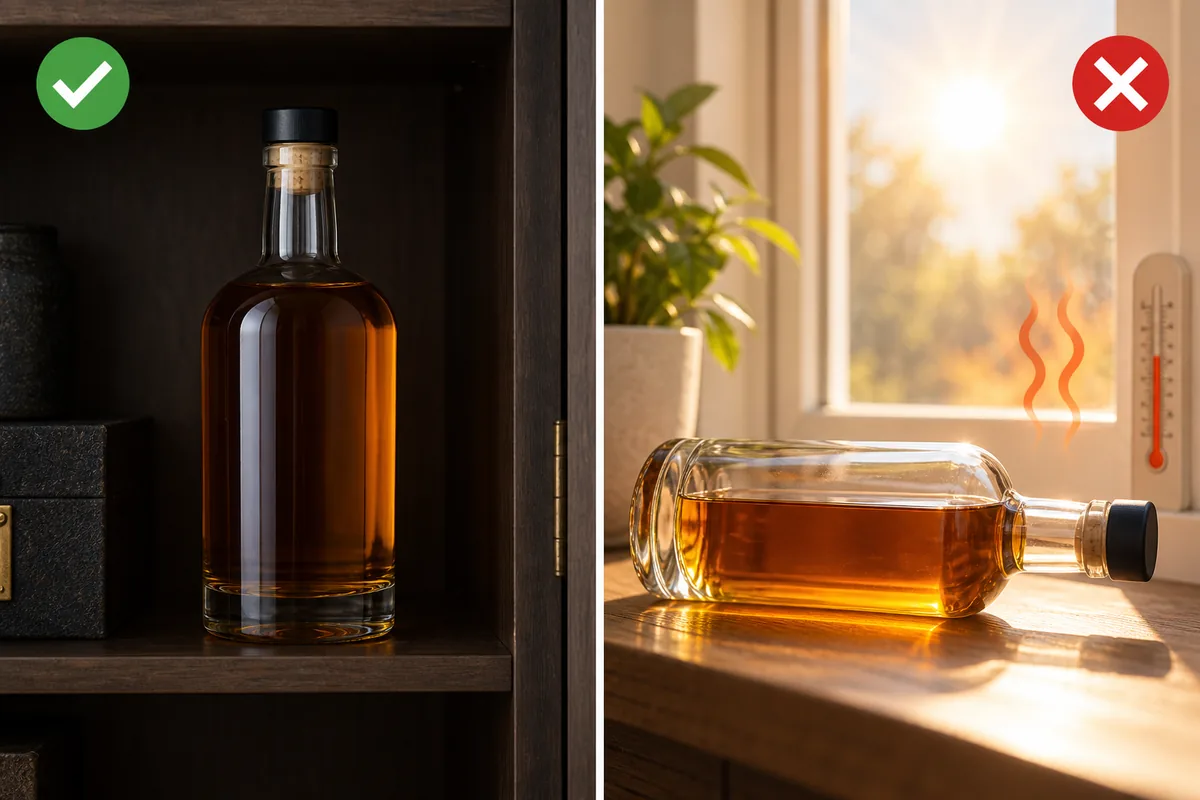
For malt whiskey storage, keep the bottle upright in a dark place with a stable temperature.
High-strength spirit should not remain in continuous contact with a cork, and an opened bottle does not continue maturing as it did in oak.
More headspace can gradually change aroma after opening, but there is no universal discard date for sound distilled spirit. A damaged closure, foreign material, or clearly abnormal odour is a condition to investigate rather than something an age statement can settle.
The label answers identity; the glass answers preference. Keeping those jobs separate is the simplest way to understand a broad malt whiskey family without turning one style into the definition of all the others.
Common questions
- Is malt whiskey the same as single malt?
- No. Malt whiskey describes the malt-led grain identity or legal class, while single malt adds a one-distillery condition where the term is defined.
- Is all malt whiskey smoky?
- No. Peat smoke is optional, and malt can be kilned without peat. Smoke depends on production choices rather than on malted barley itself.
- Does darker malt whiskey mean older whiskey?
- No. Oak, previous cask contents, blending, and permitted colouring can all affect appearance, so colour alone does not establish age.
Sources
-
27 CFR 5.143, Standards of identity for whisky, Alcohol and Tobacco Tax and Trade Bureau
Accessed 4 September 2026.
-
Alcohol and Tobacco Tax and Trade Bureau, TTB Establishes American Single Malt Whisky Standard of Identity
Published 19 December 2024. Accessed 4 September 2026.
-
Regulation (EU) 2019/787 on spirit drinks
Accessed 7 September 2026.
-
Scotch Whisky Technical File, June 2019, the gov.uk product specification for the Scotch Whisky geographical indication, quoting the Scotch Whisky Regulations 2009 regulation 3
Accessed 4 September 2026.
-
What is a standard drink?
Accessed 7 September 2026.
More in Spirits
-
 American single malt whisky
01
What is American single malt whisky, and what does it guarantee?
-
 Australian whisky
02
How is Australian whisky defined, and by which law?
-
 Black rum
03
What is black rum, and does the colour mean anything?
-
 Blended American whiskey
04
What is blended American whiskey, and how much of it is whiskey?
-
 Blended Irish whiskey
05
Blended Irish whiskey: which word counts the distilleries?
-
 Blended Scotch
06
Blended Scotch: what is in it, and why does the recipe change?