
Spirits
Bottled in bond bourbon: what do those words on the label guarantee?
Bottled in bond is a labelling standard for distilled spirits, not a bourbon rule and not a mark of quality. Six conditions have to be met before the words may appear: one kind of spirit, one distilling season, one distiller, one distillery, four years in wooden containers, nothing added but pure water, and bottling at exactly 50 percent alcohol by volume.
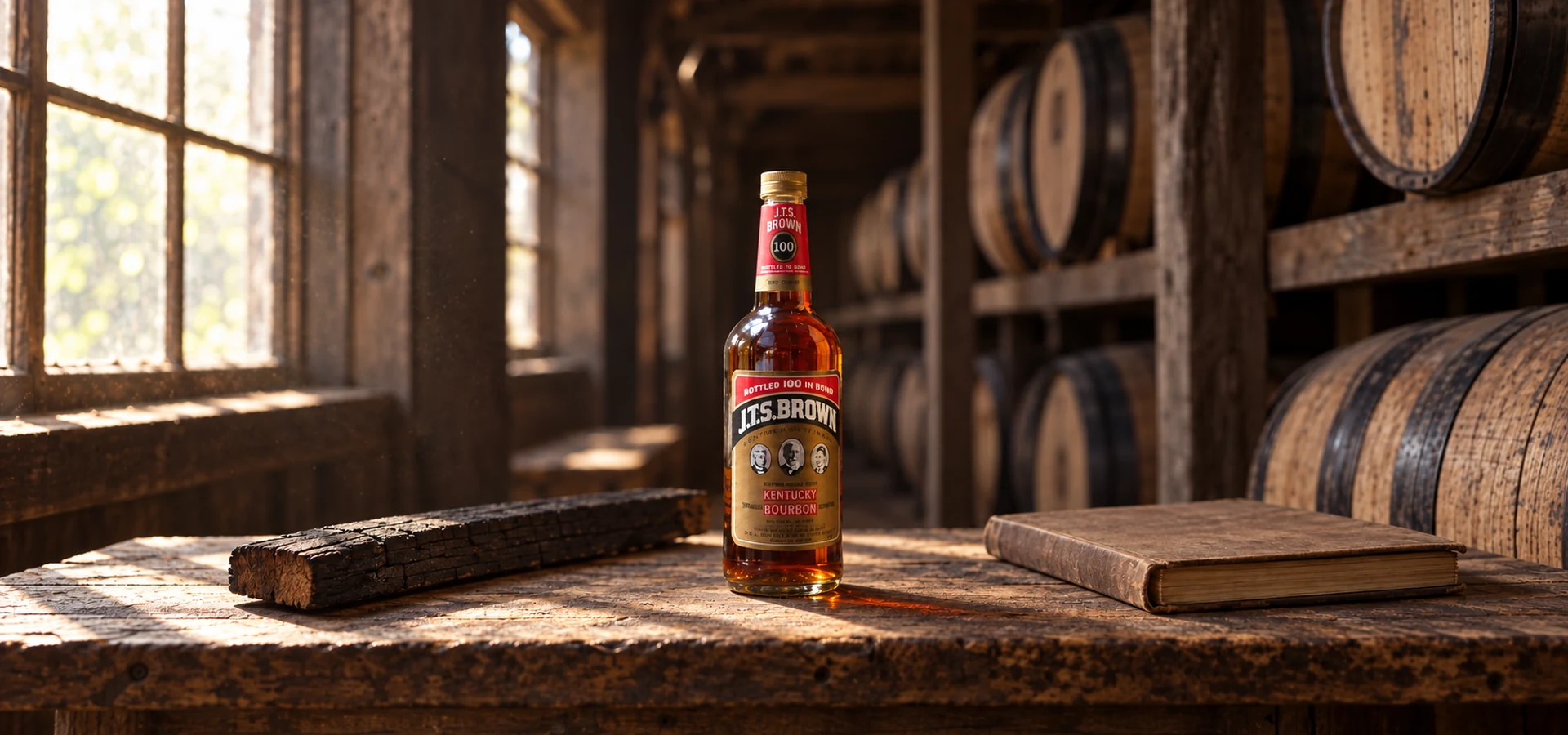
At a glance
- Legal category
- Bottled in bond, 27 CFR 5.88, applied to bourbon whisky as defined in 27 CFR 5.143 Table 1 to paragraph (c)
- Fixed strength
- 50 percent ABV
- Also called
- Bonded bourbon, Bottled in bond whiskey
Does bottled in bond only apply to bourbon?
No. The words belong to a section about distilled spirits, and bourbon is one of the things that can qualify.
Under 27 CFR 5.88(a) the terms bond, bonded, bottled in bond and aged in bond may be used, including as part of a brand name, only where six conditions are met.
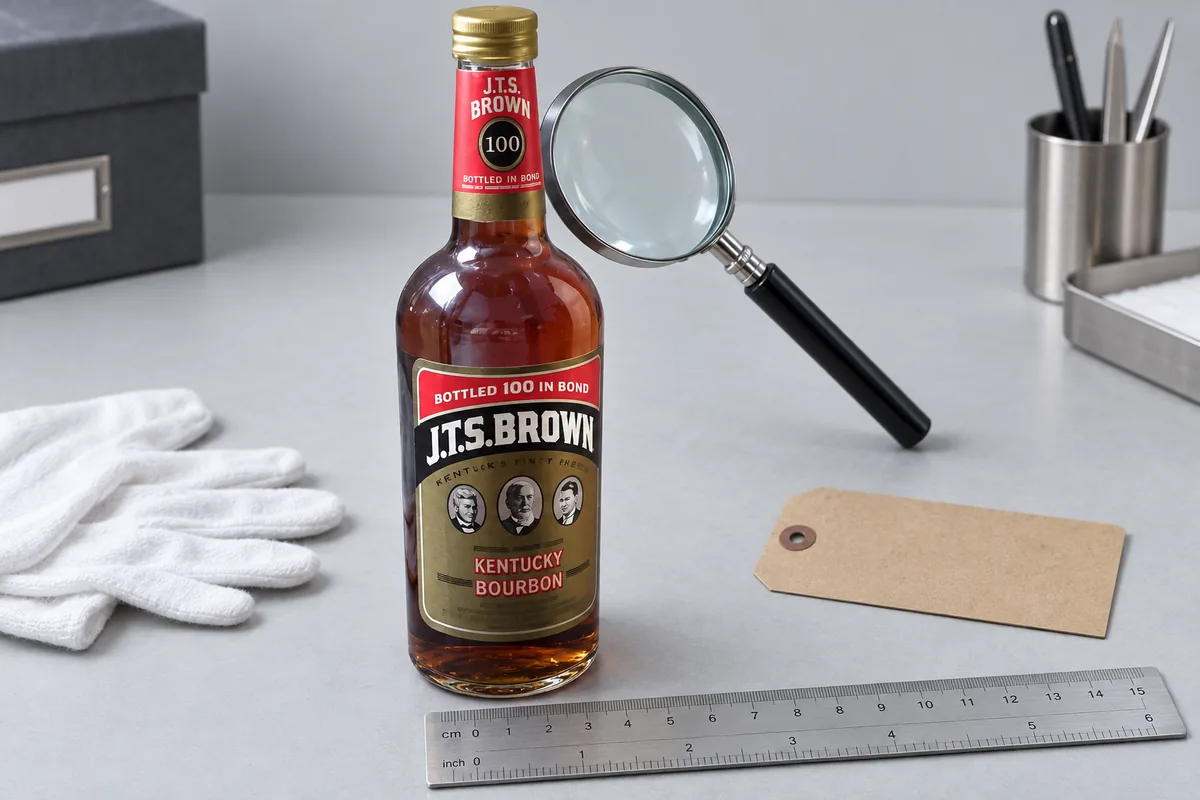
| Condition | What it fixes |
|---|---|
| Same kind | One kind of spirit, distilled from the same class of materials |
| Same season | One distilling season, one distiller, one distillery |
| Four years | Stored in wooden containers, in contact with the wood surface |
| Unaltered | Nothing added or taken away except by physical treatment |
| Only water | Reduced in proof by the addition of pure water alone |
| Fifty percent | Bottled at 50 percent alcohol by volume, 100 degrees of proof |
The clause that settles the scope
If the standard were about bourbon, the storage condition would not need the two exceptions it carries.
Vodka bottled in bond must be stored four years in wooden containers coated or lined with paraffin, or some other substance that will preclude contact of the spirits with the wood surface. Gin gets its own provision, in paraffin lined or unlined containers, also for four years.
So a vodka can carry the phrase after four years in a barrel built to keep the vodka off the wood.
That tells you what the four years is doing. It is a period of custody, not a claim about what the wood did.
What does the same distilling season actually restrict?
The second condition is the one most often paraphrased into something looser. It says the same distilling season, by the same distiller, at the same distillery.
A distilling season is defined precisely as January 1 through June 30, the spring season, or July 1 through December 31, the fall season.
What that narrows, and what it does not
So the same season means one of two six month halves of a calendar year. It is a narrower origin claim than a vintage year, and a looser one than a single day.
Set beside the other two conditions in the same sentence, it fixes a great deal about origin. One distillery, one distiller, one six month window.
What it does not fix is volume. Nothing in the condition says how much spirit was made in that window, or how much of it went into any one bottling.
What same kind is asking
The first condition sits underneath all of that, because the spirits must be of the same kind, distilled from the same class of materials.
Kind is doing precise work there. The regulation says type where a type applies to the spirit, and class where none does.
So a bourbon is held to the bourbon type standard, while a spirit with no type of its own is held only to its class. One condition, two levels of strictness, depending on how closely the regulation has defined the thing in the bottle.
The other American whiskey types sharing that table are set out alongside the blended standards.
What do the storage and strength conditions rule out?
Three conditions govern what happened to the spirit after it was made, and each rules something specific out.
- Four years in wood. Stored in wooden containers wherein the spirits have been in contact with the wood surface, which is the wording the vodka exception exists to sidestep.
- Unaltered. No substance added or taken away, except by filtration, chill proofing or other physical treatment that leaves nothing behind and changes neither class nor type.
- Only pure water. The single substance that may be used to bring the proof down.
- Exactly 100 proof. Bottled at 50 percent alcohol by volume. Not a minimum and not a range.
What four years is not
Four years is a floor on storage rather than a statement of age. Bottled in bond is the one designation excused from carrying an age on the front.
A bottled in bond bourbon may be a great deal older, and the phrase reports nothing about how much older.
The alteration condition is worth reading twice as well. Filtration and chill proofing are expressly allowed, so the phrase is not a promise that a whiskey is unfiltered.
What it does promise is that nothing was put in. No colouring, no flavouring, no sweetening, and only water to bring the strength down.
Four years is what the rule asks for, and what those four years actually do to a spirit is a slower question than a label can answer.
What 100 proof means in the glass
The fixed strength is the one condition a drinker meets directly. The class whisky may be bottled at 40 percent, and a bottled in bond bourbon is 50.
That is a quarter more alcohol in the same measure, before anything is poured over ice. A bottled in bond pour is a quarter stronger than a 40 percent one, so the same measure is a quarter more alcohol before anyone has poured a second.
It also fixes comparison. Two bottled in bond bourbons are at the same strength by definition, so whatever separates them, it is not that.
What can a reader actually check on the bottle?
Every condition so far is invisible in the glass, and the part a reader can actually check is on the label, which is unusual.
- The distillery
- Its real name, or the trade name under which the distiller distilled and warehoused the spirits.
- Where distilled
- The number of the distilled spirits plant in which the spirit was distilled.
- Where bottled
- The number of the distilled spirits plant in which it was bottled.
- The bottler
- Optional. The label may also bear the bottler's name or trade name.
- If imported
- The country name immediately after the phrase, in the same font and type size.
Why two numbers rather than one
The two premises need not be the same. A spirit may be distilled at one plant and bottled at another, and the label has to say both.
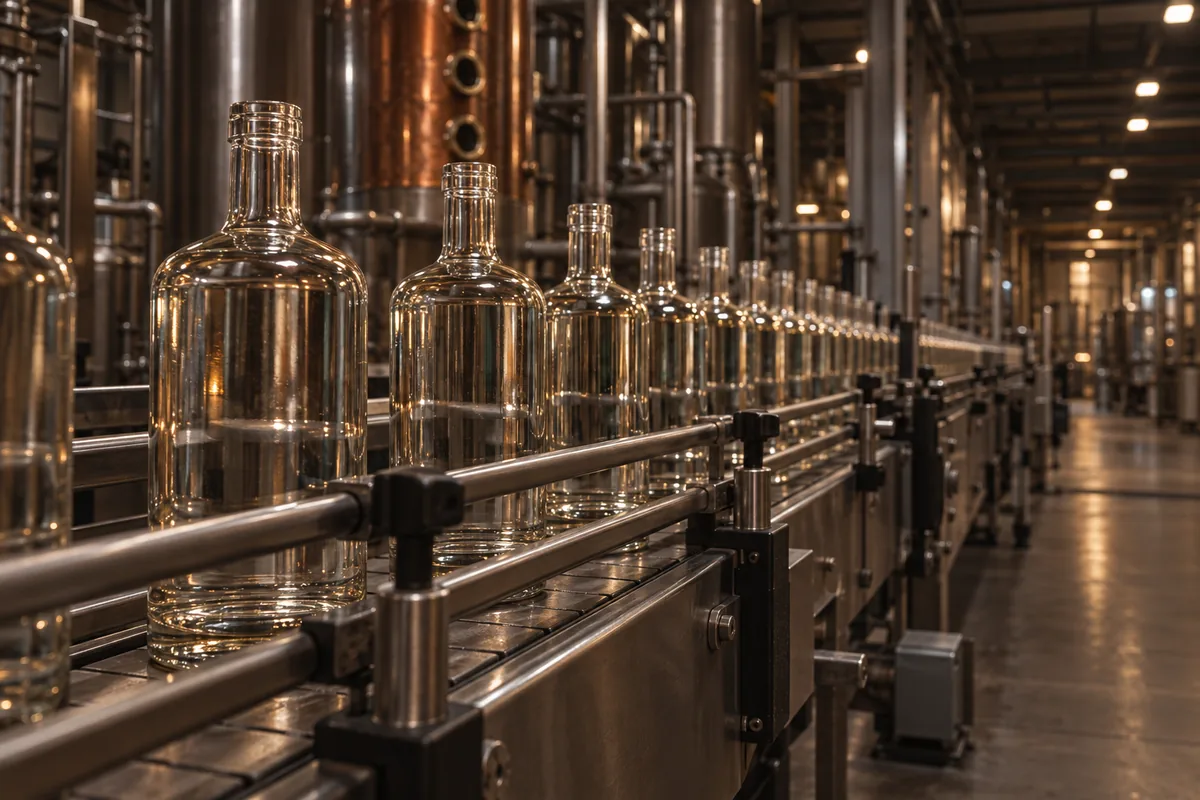
No other American whiskey label is required to disclose where the whiskey was distilled. That disclosure is the thing bottled in bond actually delivers.
The imported case has two locks, not one
A spirit made abroad may carry the phrase, and the conditions are stricter than they first read.
- The six conditions. It must be manufactured in accordance with all of them, exactly as a domestic bottling is.
- A country that allows the practice. Its country of manufacture must authorise the bottling of spirits in bond.
- A country that allows the words. That same law must separately require or specifically authorise such spirits to be labelled that way, so permitting the practice is not enough on its own.
- The country name, in the same type. The statement must be followed immediately, in the same font and type size, by that country's name, because matching type size is written into the rule.
That last one is what stops the qualifier from being set small beside a large claim.
A plant number identifies premises rather than a brand. A familiar name on the front and the plant behind it need not belong to the same company.
Other jurisdictions put their weight elsewhere. Scotch regulates how the category name appears and requires no equivalent of a plant number.
Bottled in bond is a United States designation and has no counterpart abroad, so a bottle carrying it into another market is read there by that market’s own labelling rules.
What did bourbon already guarantee before bottled in bond?
Bottled in bond adds conditions to a whiskey that was already meeting a standard. It is worth separating the two.
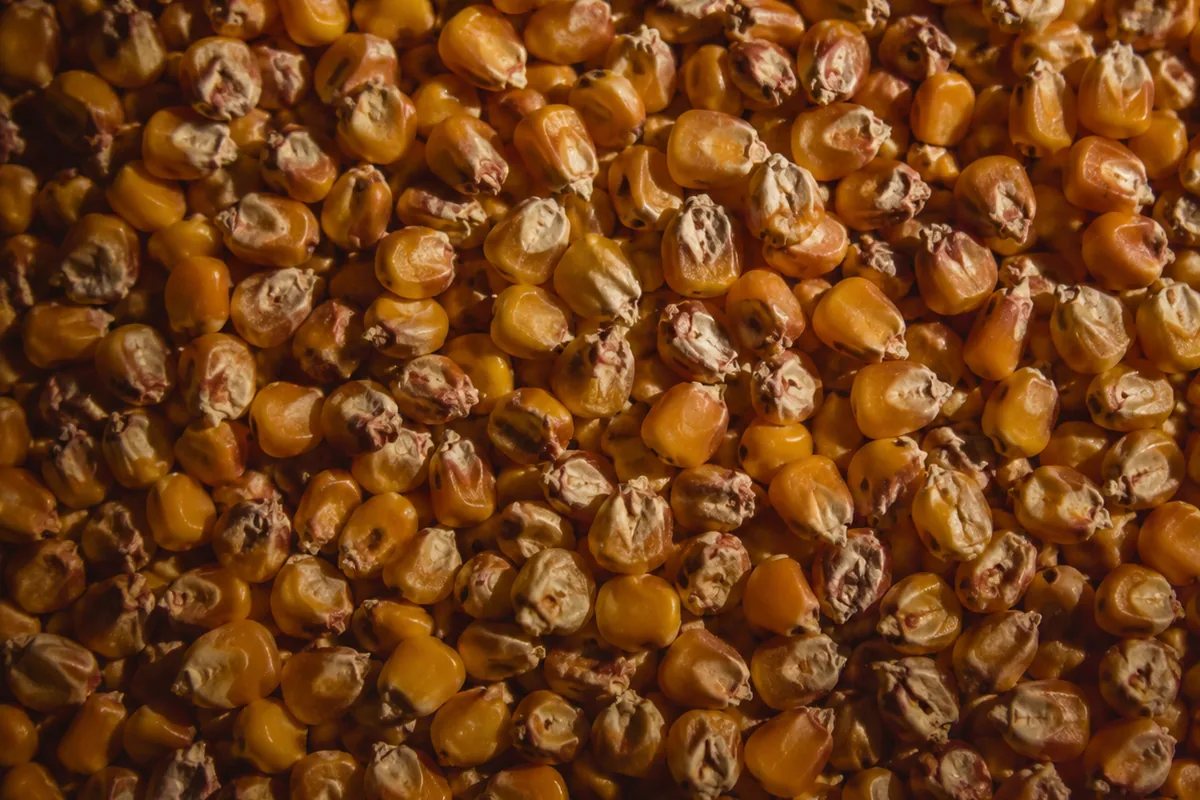
Bourbon whisky is made from a fermented mash of not less than 51 percent corn, distilled at 160 degrees of proof or less, and stored in charred new oak barrels at 125 degrees of proof or less.
One thing bourbon may not do
Neutral spirits are not permitted in it. Nor, and this is the part that surprises people, may bourbon use the harmless colouring, flavouring and blending materials that its neighbours in the same table may.
Bourbon is written into that table as the exception in its own row.
At 50 percent the strength itself shapes what reaches the nose, which makes reading strength alongside flavour part of tasting this bottle at all.
Straight whisky is a further, optional designation. It requires charred new oak at 125 degrees of proof or less for a minimum of two years, which is a shorter storage period than bottled in bond asks for.
What the phrase adds. To a bourbon that already met its mash, distillation and barrel standard, bottled in bond adds one distilling season, one distiller, one distillery, four years of storage, nothing added but pure water, a fixed 100 proof, and two plant numbers on the label. It adds no claim about taste.
Common questions
- What does bottled in bond mean?
- It is a labelling standard with six conditions: one kind of spirit from one distilling season, one distiller, one distillery, four years in wooden containers, nothing added but pure water, and bottling at 50 percent alcohol by volume.
- Is bottled in bond only for bourbon?
- No. The standard covers distilled spirits generally, and provides expressly for vodka and gin, which are stored four years in paraffin lined containers that keep the spirit off the wood.
- What is a distilling season?
- January 1 through June 30 is the spring distilling season, and July 1 through December 31 is the fall distilling season. Bottled in bond requires one season, one distiller and one distillery.
- Is bottled in bond bourbon always four years old?
- Four years is a minimum storage period, not a stated age. A bottled in bond bourbon may be considerably older, and the phrase reports nothing about how much older.
- Why is bottled in bond always 100 proof?
- Because the standard requires it. The spirit must be reduced in proof by the addition of only pure water and bottled at 50 percent alcohol by volume, which is 100 degrees of proof.
Sources
-
27 CFR 5.1, Definitions, Alcohol and Tobacco Tax and Trade Bureau
Accessed 4 September 2026.
-
27 CFR 5.143, Standards of identity for whisky, Alcohol and Tobacco Tax and Trade Bureau
Accessed 4 September 2026.
-
27 CFR 5.88, Bottled in bond, Alcohol and Tobacco Tax and Trade Bureau
Accessed 4 September 2026.
More in Spirits
-
 American single malt whisky
01
What is American single malt whisky, and what does it guarantee?
-
 Australian whisky
02
How is Australian whisky defined, and by which law?
-
 Black rum
03
What is black rum, and does the colour mean anything?
-
 Blended American whiskey
04
What is blended American whiskey, and how much of it is whiskey?
-
 Blended Irish whiskey
05
Blended Irish whiskey: which word counts the distilleries?
-
 Blended Scotch
06
Blended Scotch: what is in it, and why does the recipe change?