
Spirits
What Is Speyside Whisky, and What Does the Region Guarantee?
Speyside is one of five geographical indications protected by the Scotch Whisky Regulations 2009. It means the whisky was wholly distilled inside a boundary the regulations draw from local government wards, and it guarantees nothing about flavour, wood or age.
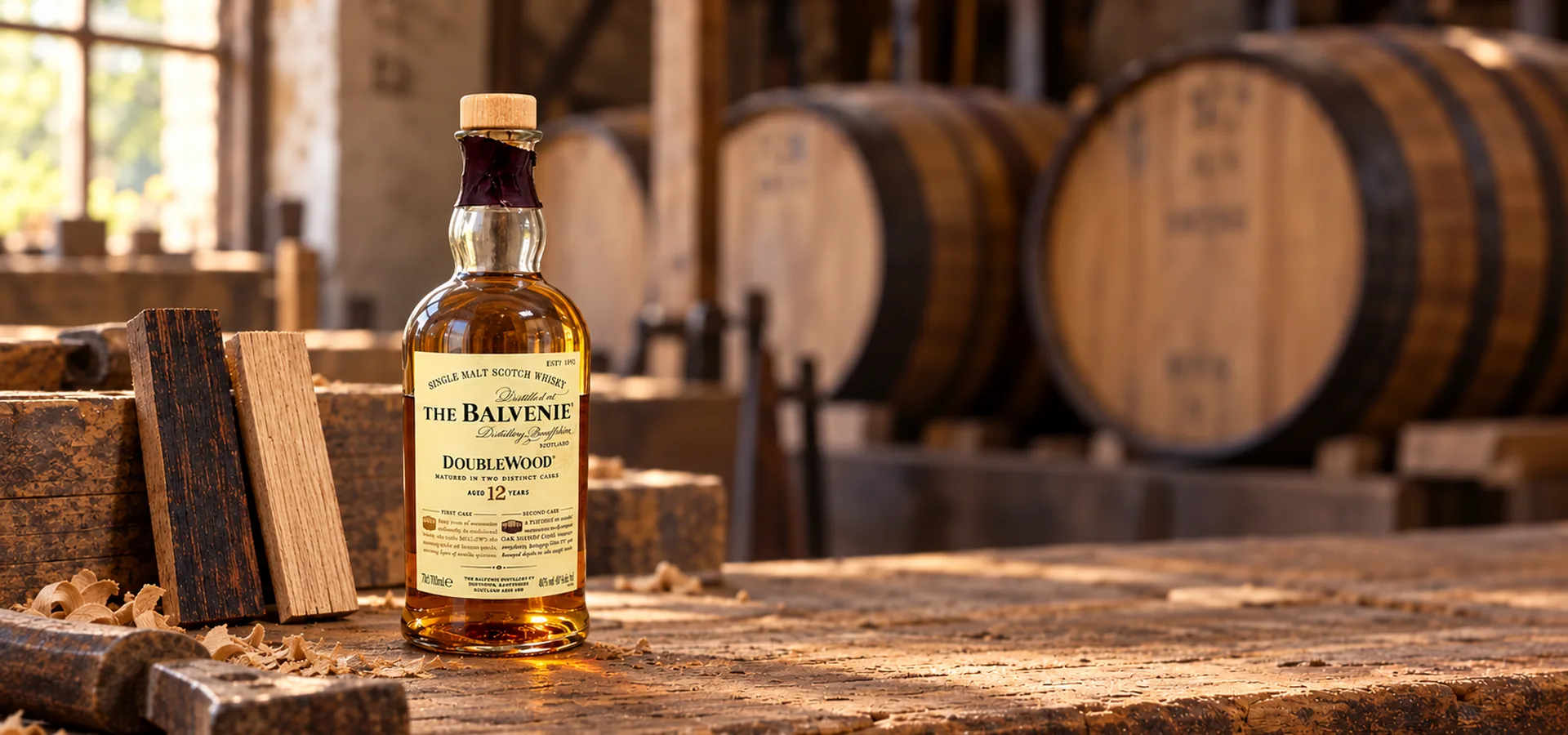
At a glance
- Legal category
- Protected regional geographical indication, The Scotch Whisky Regulations 2009, regulation 10
- Minimum strength
- 40 percent ABV
- Also called
- Speyside single malt, Speyside Scotch whisky
- Legal status
- Protected geographical indication under regulation 10 of the Scotch Whisky Regulations 2009
- Boundary
- Eight Moray Council wards plus Badenoch and Strathspey, as they stood in 2006
- What it fixes
- Where the spirit was distilled, and nothing about flavour, wood or age
What does Speyside mean on a Scotch whisky label?
Speyside on a Scotch whisky label means the whisky was wholly distilled inside a boundary that the Scotch Whisky Regulations 2009 draw, and it means nothing else about the bottle.
It is one of five geographical indications regulation 10 defines and protects, alongside Highland, Lowland, Islay and Campbeltown.
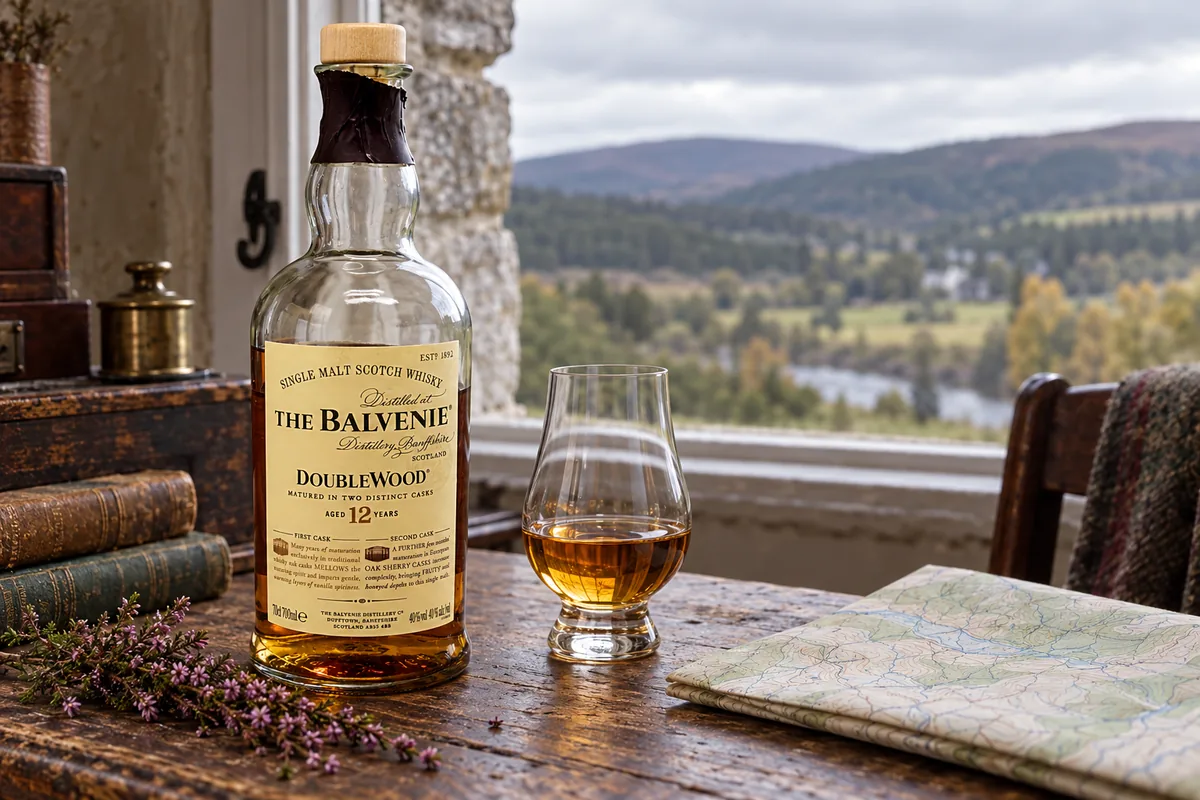
- One of five protected names
- Highland, Lowland, Speyside, Islay and Campbeltown are the localities and regions the regulations define. Other Scottish place names may be used, but only these five are protected by name.
- Wholly distilled inside the boundary
- The single condition on using the word. A whisky distilled anywhere else may not carry it, however close the distillery sits to the line.
- Maturation may happen elsewhere
- The indication attaches to distillation. Maturation, vatting and bottling may all take place in another part of Scotland without affecting the claim.
That last point is the one readers most often get wrong.
A regional name on a Scotch label is not a statement about where the whisky spent its life. It is a statement about where the spirit came off the still, and the rest of the story is free to have happened a long way away.
The word carries one condition and no promises. Everything else people expect it to guarantee, from flavour to river water to a particular kind of cask, is expectation rather than regulation.
Selling a single malt under a locality or regional name is an old custom rather than a modern marketing idea, and the regulations were written to protect a practice that already existed.
That history explains the shape of the rule. It defines who may use each name and where the line runs, and it deliberately does not attempt to define what the whisky inside should be like.
The word wholly is doing real work in that condition, too.
A whisky partly distilled inside the boundary and partly outside it cannot carry the name at all, which matters for any bottling that combines spirit from more than one distillery.
Where exactly does Speyside begin and end?
Not where most people think, and not along the river.
Regulation 10 draws the Speyside boundary out of local government geography. It names eight wards of Moray Council, and one ward of Highland Council, and the area those wards cover is Speyside for whisky purposes.
| Where the boundary comes from | What it covers | Why it matters |
|---|---|---|
| Moray Council wards | Buckie, Elgin City North, Elgin City South, Fochabers Lhanbryde, Forres, Heldon and Laich, Keith and Cullen, and Speyside Glenlivet | The bulk of the region, and the part a reader can look up on a council map rather than guess at |
| Badenoch and Strathspey | A single ward of Highland Council | It is why the boundary reaches upstream into the Highland Council area at all |
| The 2006 electoral orders | The Moray and the Highland Electoral Arrangements Orders of 2006, which the regulation names | The wards are fixed as they stood in 2006, so redrawing council wards later does not move the whisky boundary |
That pinning to named 2006 orders is worth pausing on.
Council wards get redrawn. Because regulation 10 cites those specific orders rather than whatever the wards happen to be today, the whisky boundary stayed still when local government moved.
At the edge the consequence is blunt. A distillery a short way outside those wards has no right to the Speyside name, however close it stands to the Spey and however much its whisky resembles its neighbours.
There is no appeal to geography here, and no argument from watershed or tradition. The line is where the regulation says it is.
Choosing wards rather than a river was a decision in favour of enforceability.
A catchment has fuzzy edges and moves with the argument. A ward has a published boundary, a legal instrument that created it, and a council that can be asked where it runs.
For a reader that has one useful consequence. If you want to know whether a distillery is inside Speyside, the question has an answer that does not depend on anybody's judgement about the landscape.
Why can one distillery say Highland and its neighbour say Speyside?
Because Speyside sits inside the Highland region, and both names are lawfully available to the same whisky.
The Scotch Whisky Association's guidance states it plainly: Speyside falls within the borders of the Highland region, and so whiskies distilled in the Speyside area may be described either as Highland or as Speyside.
Highland or Speyside is a choice, not a fact about the whisky. A producer inside the Speyside wards picks one of two lawful descriptions, and nothing on the bottle records that a choice was made or which one was rejected.
Follow that through to a shelf and it changes what a comparison can mean.
Two single malts distilled a few miles apart, from distilleries whose water comes off the same hills, can reach the same shop under different regional names. Neither label is wrong.
So a Highland description is not evidence that a whisky came from outside Speyside. It is evidence that somebody chose the word Highland, which is a fact about a marketing department rather than about a still.
The reverse inference fails just as badly. Reading Speyside as a narrower or more precise claim than Highland assumes a hierarchy that regulation 10 does not create.
The overlap also has an effect on how the two names are distributed across a shelf, and it is not a random one.
A producer choosing between them is weighing what each word suggests to a buyer, which is a commercial judgement about association rather than a description of the spirit.
None of that is dishonest. It is simply the ordinary consequence of a rule that gave some distilleries two lawful ways to describe the same fact.
What it costs a reader is the ability to treat the regional line on the front of two bottles as a like-for-like comparison. It is not one.
Does Speyside on the label promise a flavour?
No, and the regulation does not attempt to.
Regulation 10 fixes where a whisky was distilled. It says nothing about aroma, sweetness, peat, texture or finish, and it sets no production requirement that would produce a shared character.
The five names were defined to protect and promote traditional geographical descriptions. Protecting a name is a trade mark problem, not a sensory one.
What actually shapes the spirit happens inside the distillery: in how long its fermentation runs, in the shape of its stills and the point at which it cuts, and in the casks it fills afterwards.
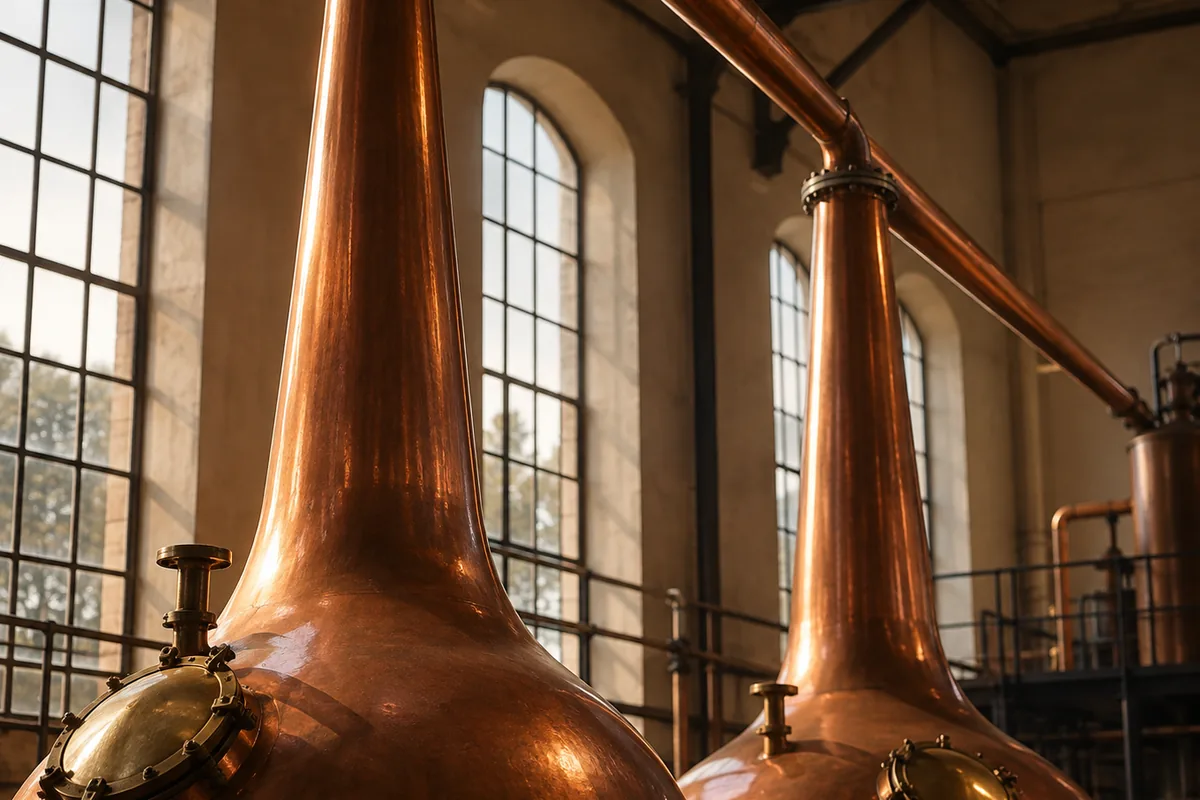
- Water and barley: the source of both varies between distilleries in the region, and neither is governed by the indication.
- Still shape and cut: neck height, lyne arm angle and where the spirit cut falls are the decisions with the largest effect on new make character.
- Cask policy: first fill or refill, sherry or bourbon wood, and how long a finish runs, usually contribute more of the finished flavour than anything local.
- Warehouse conditions: the one variable that is genuinely regional, and still not something the regulation reaches.
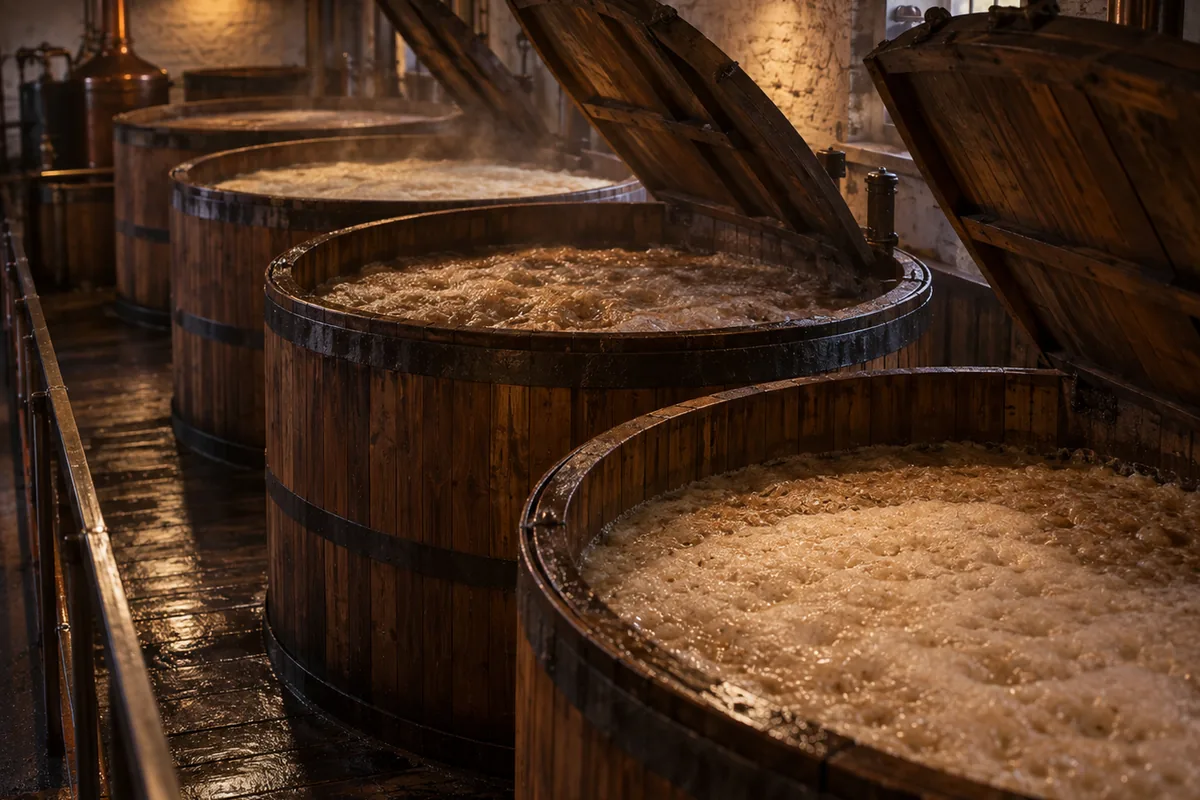
What people are describing when they describe a Speyside style is real, but it is a description of how a group of distilleries have historically chosen to work.
It is not a rule, and any single bottle is free to sit outside it. A house style belongs to a distillery, and a regional style is a generalisation about a lot of distilleries at once.
The practical upshot is to treat a Speyside name as geography rather than as a tasting note, and to look for the flavour evidence somewhere it is actually printed.
It is worth being fair to where the generalisation came from. Distilleries clustered in one area have historically shared maltsters, coopers, cask brokers and blending customers, and a shared supply chain can push a group of houses toward similar decisions without any rule requiring it.
So a regional tendency can be real and still be a tendency.
The failure mode is treating it as a filter. A reader who buys on the regional word and expects a particular profile has substituted an average for the bottle in their hand, and the average was never promised by anyone.
There is also a supply chain answer to why colour and weight vary so widely under one name, and it is the cask.
Wood is bought on a world market, and a distillery that switches from refill hogsheads to first fill sherry butts changes its whisky far more than moving twenty miles would.
How must the word Speyside appear on the bottle?
The rules on presentation are narrow and easy to check.
A regional name may precede the compulsory category description, in exactly that order: Speyside Single Malt Scotch Whisky. It may also appear somewhere else on the label, provided it is no more prominent than the category description itself.
- Find the category description: Single Malt Scotch Whisky, or one of the other four categories, appears on every Scotch and must be at least as prominent as any other description of the whisky.
- Check the word order: the regional name goes in front, in the exact order the rule sets, which makes a compliant presentation recognisable at a glance.
- Check the prominence: a regional name printed larger than the category description it belongs to has stopped following the rule.
None of this is cosmetic. The order and the prominence requirement exist so that the regulated category, which is the part with a definition behind it, cannot be crowded out by the part that only names a place.
The rule is also a useful reading habit in the other direction.
If the regional word is the largest thing on a label and the category description is set in small type underneath it, the design is telling you which word the producer thinks is doing the selling.
Can a whisky use a Scottish place name that is not protected?
Yes, on exactly the same condition.
Any other Scottish locality or regional name may be used in the same way, provided the whisky was entirely distilled in that place. The guidance gives Orkney Single Malt Scotch Whisky as its worked example.
So an unfamiliar Scottish place name on a bottle is not a lesser claim than Speyside, and it is not an invented one.
What protection adds is enforcement rather than permission. The five protected names are defined in the regulation itself, which gives them a specific boundary and a specific offence attached to their misuse.
An unprotected name still has to be true, because the condition is the same one: the whisky must have been entirely distilled in the place named.
What it lacks is a boundary written into the regulation, which means an argument about where the place begins and ends has nowhere obvious to go.
Which exceptions let the name appear on whisky from elsewhere?
Using a protected regional name for a whisky not distilled there is an offence. Three exceptions explain most of the labels that look as though they break that rule.
- A trade mark registered before 1 September 2009: where the protected name forms part of a trade mark or company name registered before that date, and appears only as part of that mark, the rule does not apply.
- A blend naming its component regions: a blend may say where its component whiskies were distilled, provided every relevant locality or region is specified rather than just the flattering one.
- A reference to another whisky in the same stable: a brand owner may mention on one label that a different bottling in the range comes from another region.
The dated exception is the one worth remembering, because it is the one a shopper meets without recognising it.
A brand whose name has carried a region since long before 2009 is not making a claim about where today's whisky was distilled. It is carrying a trade mark, and the regulation deliberately left those alone.
The blending exception is the one that most changes how a label should be read.
Because every relevant region has to be specified, a blend that names one region has told you about all of them, and a blend that names none has told you nothing at all about where its components came from. That is a rare case of a labelling rule working in a reader's favour without them having to do anything.
Who enforces the Speyside name, and how is it checked?
Misuse of a protected locality or regional name is an offence, and Schedule 3 sets out the limited circumstances in which regulation 10(1) does not apply. What makes that enforceable is a control that sits upstream of the label entirely.
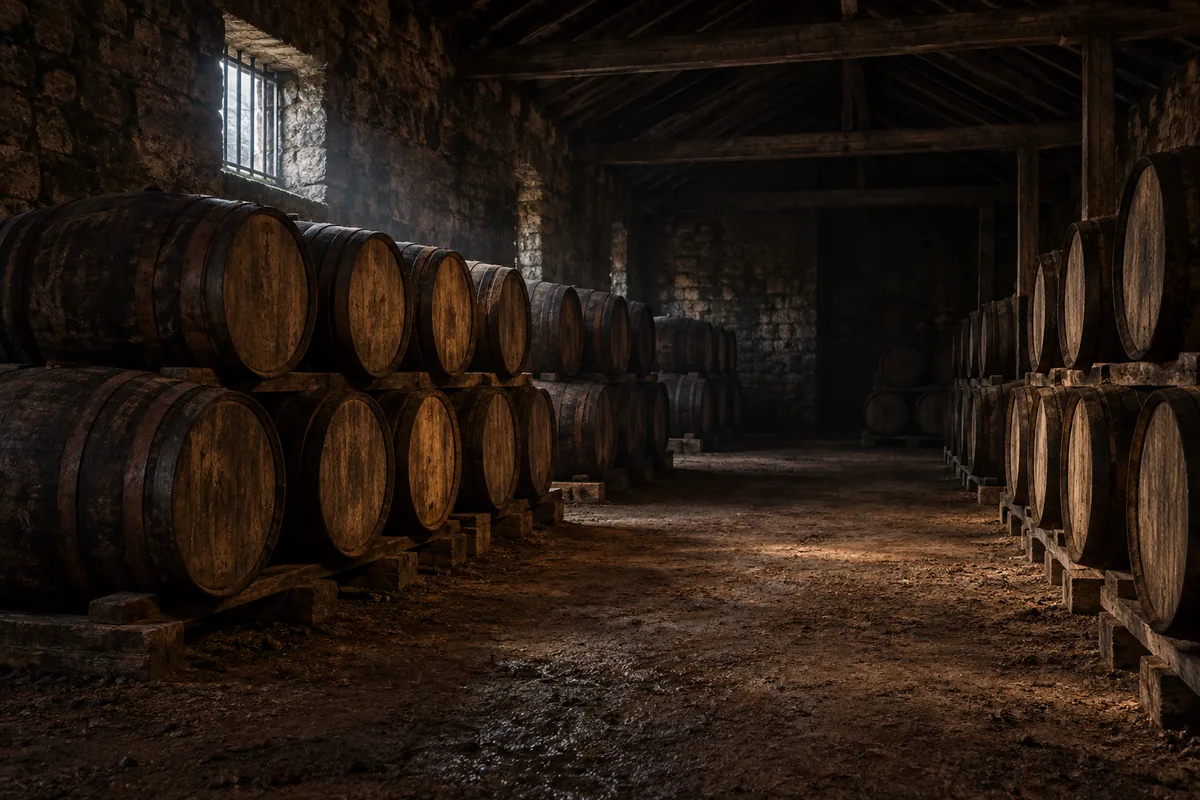
Scotch whisky must be wholly matured in Scotland, in an excise warehouse or another permitted place regulated by HM Revenue and Customs.
Because every cask sits inside that system for at least three years, the movement of spirit is documented from filling onward. That is what allows the authenticity of a Scotch whisky, and any age claimed for it, to be certified rather than asserted.
So a Speyside claim is not resting on a producer's word. It rests on records that were kept for revenue reasons and happen to answer a question about geography as a side effect.
The three year minimum matters here for a reason that has nothing to do with flavour.
Because Scotch cannot be sold as Scotch until it has spent at least three years in permitted casks in Scotland, every bottle has a paper trail of at least that length behind it before it reaches a shelf.
A geographical claim on a young spirit would be much harder to stand behind. Here the claim and the record grow up together.
How should you compare two Speyside malts?
Start by accepting that the regional name will not do any of this work for you.
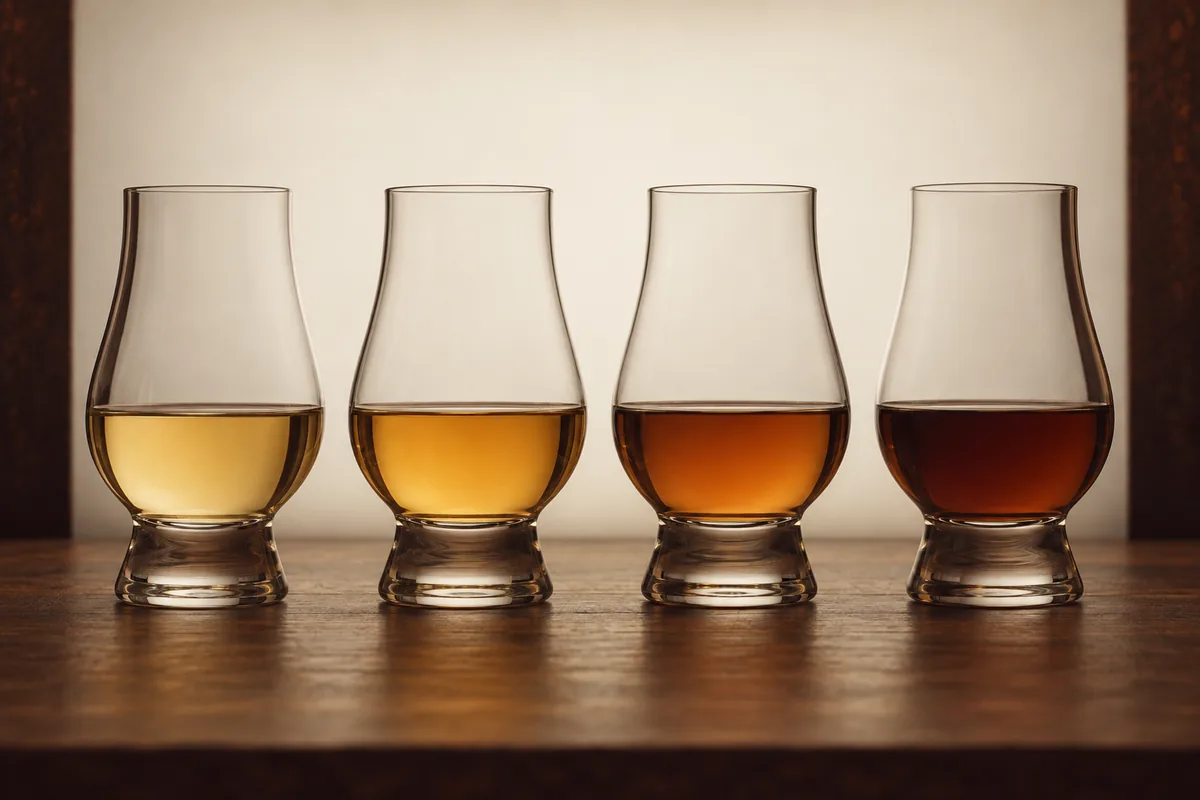
Two malts distilled a few miles apart can differ more from each other than either differs from a whisky distilled two hundred miles away.
| Hold this still | If you do not |
|---|---|
| Strength | Alcohol changes aroma delivery and heat more than any regional factor, so a strength gap will be read as a house difference |
| Age | Extraction and oxidation both scale with time, and the older glass will seem the more characterful one regardless of where it came from |
| Cask type | Where it is disclosed, wood usually explains more of the difference than the region does, which makes it the variable most worth matching |
With those three close enough to hold still, a difference between the glasses is a distillery difference. That is a genuinely interesting thing to find.
It is not a regional one. The one claim the label supports without qualification is that both spirits came off their stills inside the same boundary.
Set the glasses up so that the only thing you have not controlled is the distillery.
Equal measures, one glass shape, both nosed undiluted before any water goes in, and the same recorded number of drops added to each: none of that is fussy, and all of it is what stops a serving difference being read as a house one.
Then come back to both glasses twenty minutes later. Oak and drying spice arrive on a different timescale from fruit, so a single pass through two malts reads only part of each of them.
What food suits a whisky the region cannot describe?
The usual approach starts from the region, which is the part this entry has spent nine sections ruling out.
Start from the glass. Food meets the strength and the wood before it meets anything the label claims.
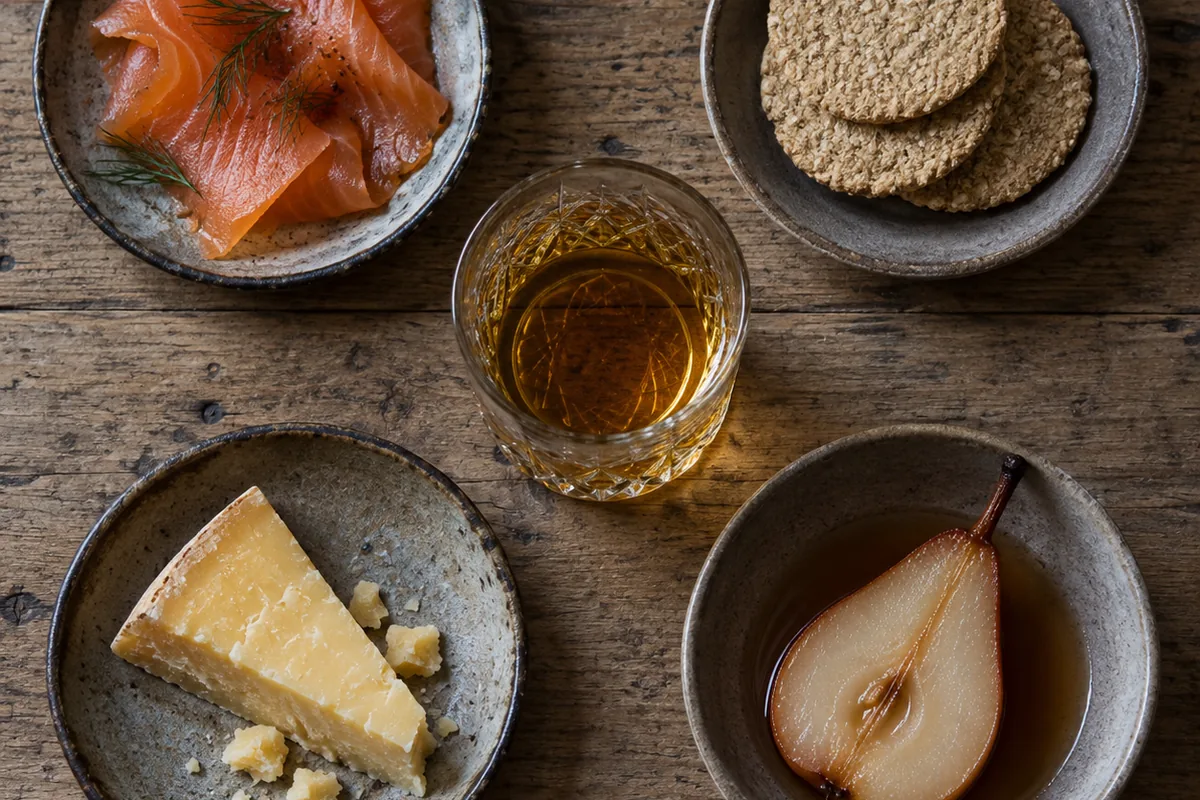
| What the bottle turned out to be | Food direction | Why it works |
|---|---|---|
| Dried fruit and weight | Hard aged cheese, cured meat, dark fruit puddings in small portions | A heavier cask influence can meet richer food without either side disappearing |
| Orchard fruit and lightness | Smoked fish, plain oatcakes, poached pear | A lighter malt is the easiest of all to bury, so the food has to stay quiet |
| High strength | Fattier food, and less of it | Fat carries alcohol heat comfortably where lean or sweet food sharpens it |
Two interactions go wrong reliably. Sweetness in a dish sharpens a dry, tannic whisky, and chilli heat is intensified by alcohol rather than cooled by it.
And a pairing that works for one bottle says very little about the next one.
The regional name covers dozens of distilleries, so it cannot carry a recommendation between them.
How should an opened Speyside bottle be kept?
Scotch whisky does not go on maturing in glass. What changes after opening is oxidation and the loss of the most volatile aroma, and both are slow.
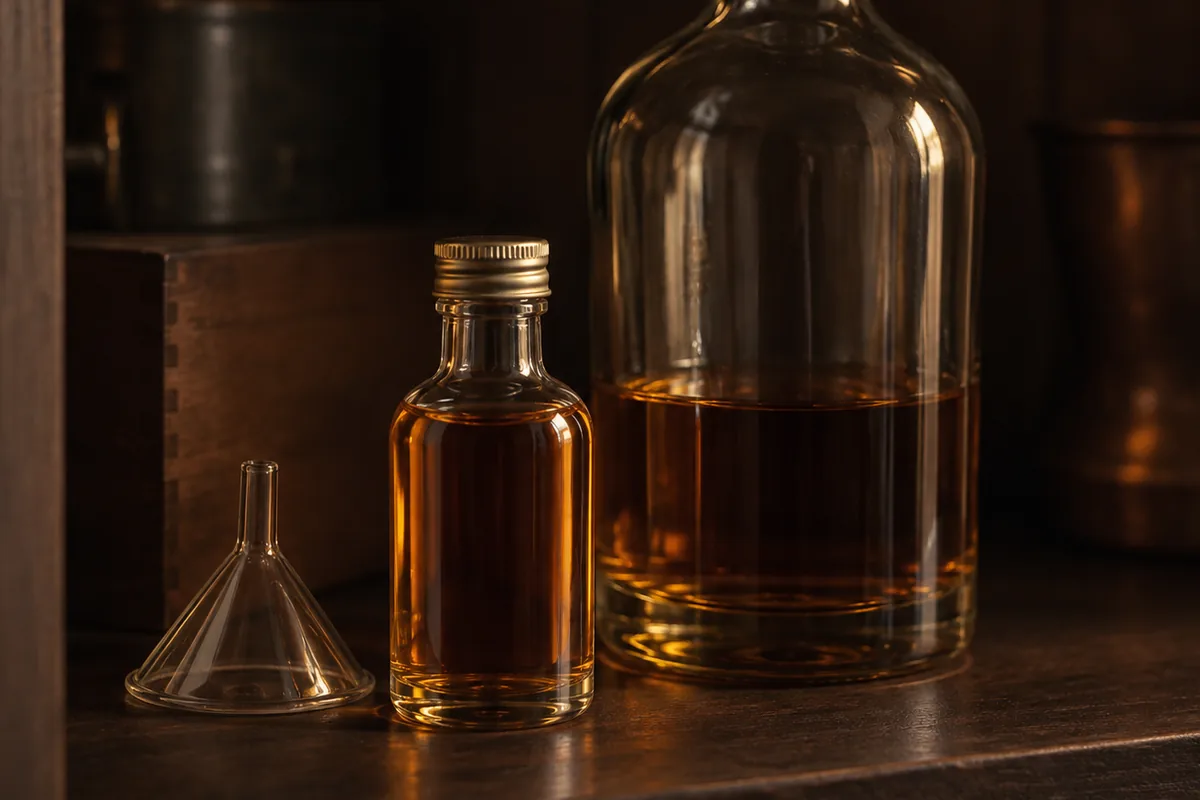
- Cool and dark: heat and light are the two conditions you can remove outright, and nothing in the bottle improves with either.
- A closure that still seals: wipe the neck and replace a cork that has stopped gripping, because a failed seal makes every other precaution irrelevant.
- Upright: a high strength spirit resting against a closure will attack the material over the years a bottle can sit.
- Decant a small remainder: moving the last third into a clean smaller bottle cuts the air above it, which is the only variable here you can actually reduce.
If the bottle was bought for a comparison, that last point stops being housekeeping and becomes the whole exercise.
A reference sample that has flattened is no longer a reference. Keeping one usefully means keeping it in a state where the difference you find later came from the other whisky rather than from the air in your own bottle.
How much alcohol is in a Speyside pour?
Scotch whisky must be bottled at a minimum strength of 40 percent alcohol by volume, and many single malts are presented above it.
In the United States a standard drink contains about 14 grams of pure alcohol, which is roughly 1.5 fluid ounces, or 44 millilitres, of a spirit at 40 percent. Pour the same measure of a malt bottled at 46 percent and you have taken about fifteen percent more alcohol, without the glass looking any different.
Read the strength, not the region. A regional name, a colour, a smooth texture, water, food, coffee and time spent tasting cannot establish that someone is unimpaired or safe to drive. Measure the pour and read the alcohol content.
Anyone who is pregnant, below the legal drinking age, taking an interacting medicine, managing a condition worsened by alcohol, or responsible for driving needs an alcohol-free choice instead.
So what is a Speyside label actually worth to a buyer?
Exactly one inference, and it is a narrow one: the spirit was distilled inside the boundary regulation 10 draws.
That is worth having. It is checkable, it is enforceable, and it rests on records kept under revenue supervision rather than on a producer's description of itself.
It is also nearly everything the word can do.
What narrows a bottle further is printed elsewhere on the same label: the distillery name, an age statement if there is one, the strength, and any disclosure about the cask.
Read past the region. When two bottles carry the same regional name, everything that separates them is printed somewhere other than that word. Find those statements first, and let the region be the last thing you consider rather than the first.
None of that makes a Speyside label worthless. It makes it a fact about geography, doing the one job the regulation gave it, in a place where readers have got used to expecting a promise.
Common questions
- Is Speyside part of the Highlands?
- Yes. Speyside falls within the borders of the Highland region, so a Scotch whisky distilled in the Speyside area may be described on the label either as Highland or as Speyside. Nothing on the bottle records which description the producer chose.
- Where is the Speyside boundary?
- Regulation 10 of the Scotch Whisky Regulations 2009 draws it from local government wards: eight wards of Moray Council and the Badenoch and Strathspey ward of Highland Council, as those wards stood under the 2006 electoral arrangements orders.
- Does Speyside whisky have a particular taste?
- The regulations fix where the whisky was distilled and say nothing about flavour. Water, barley, fermentation, still shape and cask policy all vary between distilleries in the region, so any shared character is a tendency rather than a rule.
Sources
-
NIAAA, What Is a Standard Drink?
Accessed 13 September 2026.
-
Scotch Whisky Association, Guidance for Bottlers and Producers 2025
Published 2025. Accessed 7 September 2026.
-
The Scotch Whisky Regulations 2009 (SI 2009/2890), regulation 10 and Schedule 3
Accessed 10 September 2026.
More in Spirits
-
 American single malt whisky
01
What is American single malt whisky, and what does it guarantee?
-
 Australian whisky
02
How is Australian whisky defined, and by which law?
-
 Black rum
03
What is black rum, and does the colour mean anything?
-
 Blended American whiskey
04
What is blended American whiskey, and how much of it is whiskey?
-
 Blended Irish whiskey
05
Blended Irish whiskey: which word counts the distilleries?
-
 Blended Scotch
06
Blended Scotch: what is in it, and why does the recipe change?