
Spirits
Sherry cask whisky: what was the oak doing before the whisky?
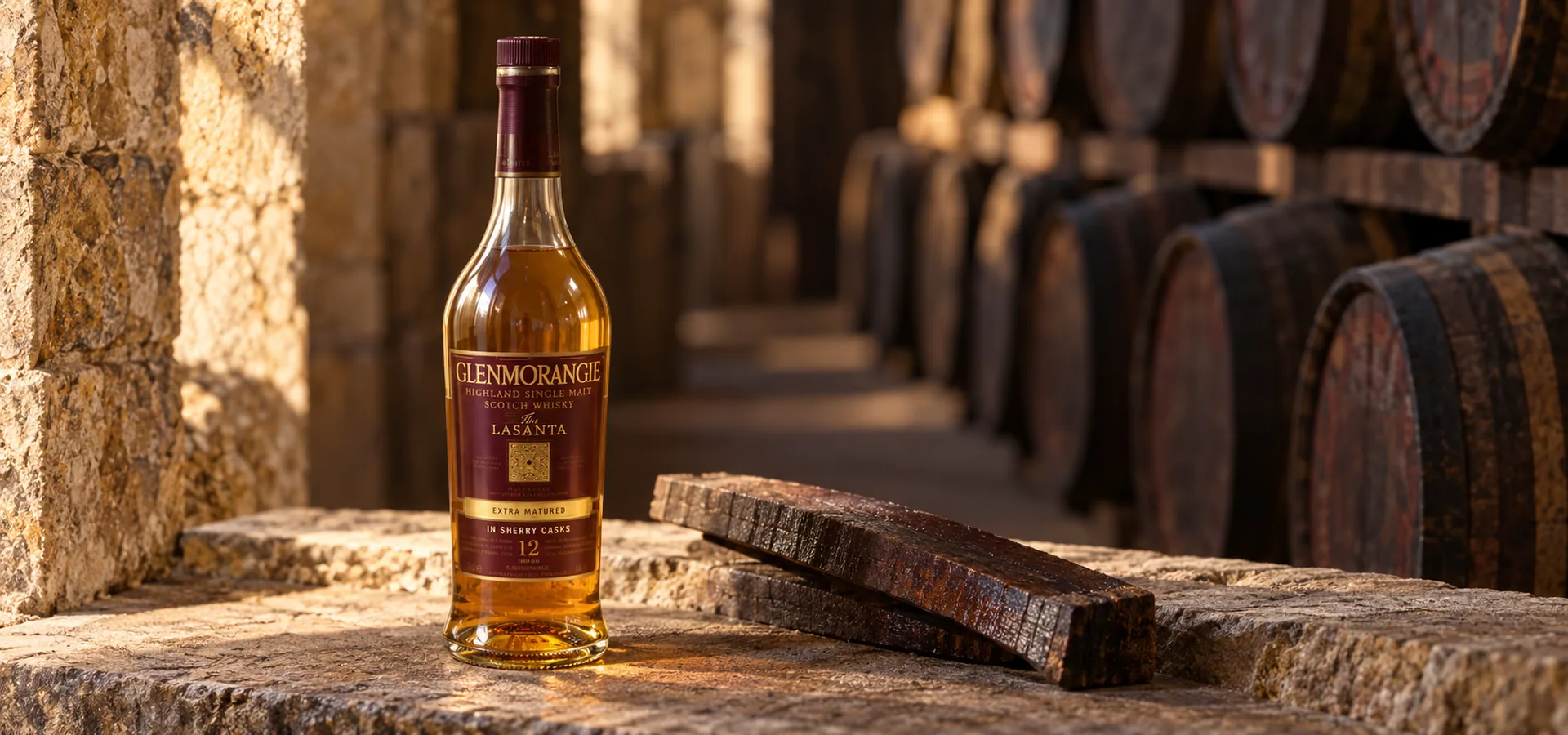
Sherry cask whisky has matured or finished in oak that previously held Sherry. Almost all of that oak was built and seasoned for the whisky trade rather than emptied out of a bodega, and the phrase fixes no Sherry type, oak species, cask volume or seasoning time.
At a glance
- Legal category
- No standard of identity defines the phrase in any whisky regime. It is a label claim, and the Sherry behind it is governed by the protected designation of origin Jerez-Xeres-Sherry.
- Minimum strength
- 40 percent ABV
- Also called
- Sherry butt whisky, Sherry matured whisky, Sherry finished whisky, Oloroso cask whisky
What does sherry cask tell you about the wood?
The words fix one thing about the whisky, which is that Sherry occupied the oak first. Everything else a reader takes from them is inference.
No whisky designation in any regime defines the phrase. It sits on a bottle as an ordinary label claim rather than as a category a regulator wrote down.
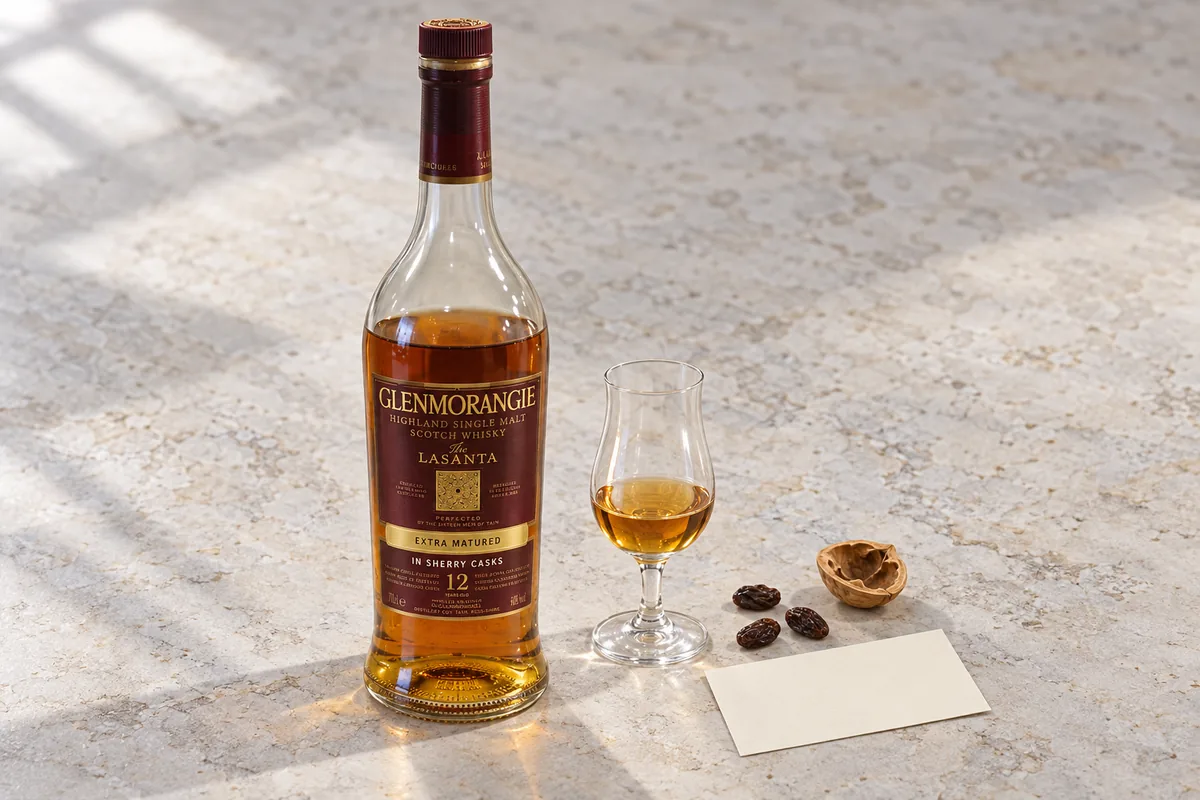
Sherry cask names a cask history, not a category of whisky. A producer using the phrase describes where the wood has been, which is a claim to be substantiated on request rather than a designation measured against a published rule.
Five things stay unstated: the Sherry type, the oak species, the cask volume, how long the wine sat in the wood, and how many whiskies used the cask before yours.
Each of the five moves the whisky further than the phrase itself does.
There is also a reason the wood is rarely what a reader pictures. Sherry has to be bottled inside its demarcated production area, so a cask no longer leaves Spain full of wine on its way to a bottler somewhere else.
The casks still travel. They travel empty.
Two places a sherry cask comes from
A cask that came out of a bodega and a cask that was seasoned for sale are two different objects wearing one name.
The first spent years or decades holding Sherry inside a criaderas y solera system, where wine is drawn from the oldest row of casks and replaced from the row above it. Wood used that way is saturated, dark and thoroughly worked.
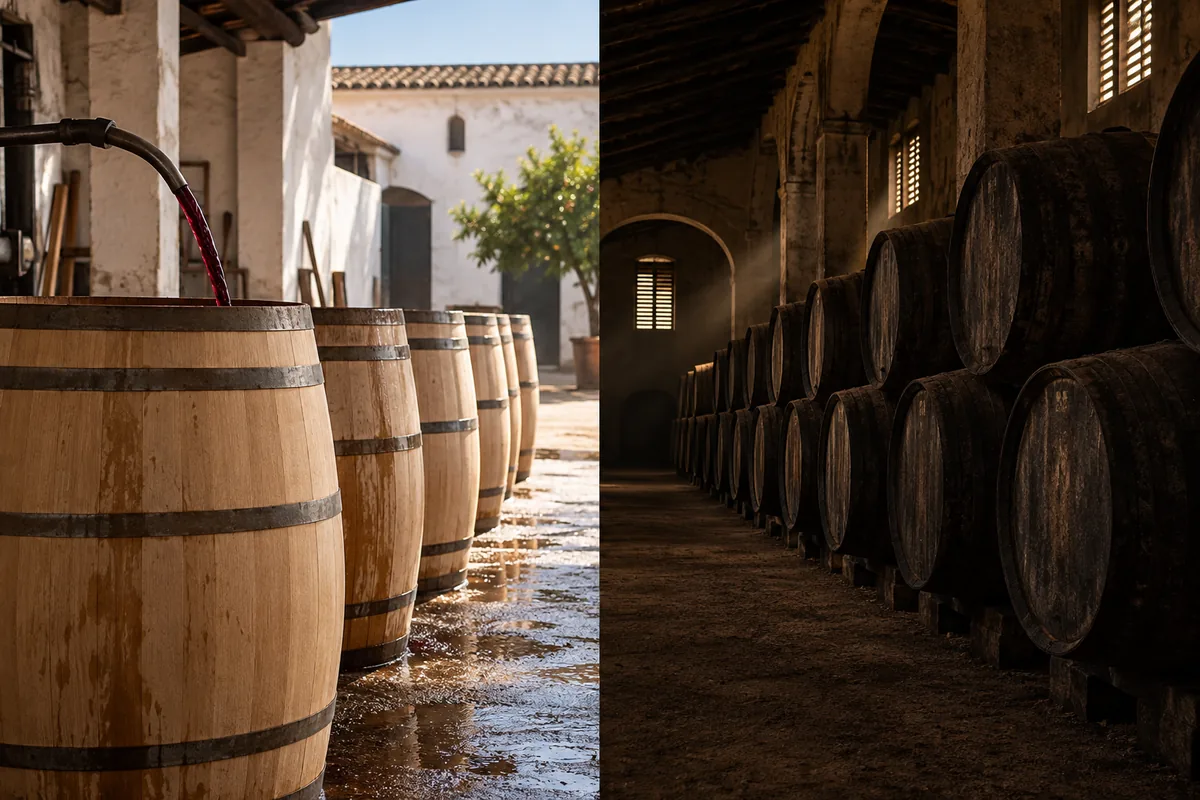
The second was built by a cooper, filled with Sherry to prepare the staves, and emptied again.
Wine from a seasoning fill is not sold as a drink afterwards. It did a job on the wood and then it left, which is the part that surprises anybody picturing a barrel drained by drinkers.
| What you are asking | A bodega cask | A cask seasoned for sale |
|---|---|---|
| How the wood was used | It held maturing Sherry as working stock in a bodega | It was coopered and filled to prepare it for a spirits buyer |
| How long the wine stayed | Years, often decades, under continuous topping and drawing | A stated number of months |
| What happened to the wine | It was drawn off and bottled for sale | It was emptied out again and never sold as a drink |
| What is written down | Whatever the bodega chooses to disclose | A certification record, where the buyer paid for one |
Seasoning is the ordinary route now, and the appellation's own paperwork says so plainly.
The Consejo Regulador registered the mark Sherry Cask in 2015 because casks are prepared for buyers outside the wine trade.
A bodega also has its own reason to be slow about releasing wood. Every Sherry must reach a minimum average age of two years before it can be sold, so the casks stacked in the aisles are working capital rather than surplus.
Neither history proves anything about the whisky. One question separates them, and it is worth asking: did this cask hold wine that went into bottles, or wine that was always going to be poured away?
The five facts a Sherry Cask seal records
An unverifiable phrase becomes checkable the moment somebody else writes it down.
Since 2015 the Consejo Regulador has certified casks seasoned with wine from bodegas registered in the appellation. The seal is a card fixed to the cask carrying a QR code, and the record behind that code holds five things.
- Seasoning batch or lot. It ties one cask to the fill it came from, which is what makes any of the other four checkable at all.
- Capacity in litres. The one physical dimension the scheme fixes, and the figure that decides how much wood each litre of whisky meets.
- The certified bodega. The trading name of the producer that did the seasoning, so the wine has a registered maker behind it rather than a description.
- Minimum seasoning in months. The only duration anywhere in the chain stated as a commitment rather than as an impression.
- The wine used for seasoning. It turns a bare cask claim into one of the defined Sherry types with a known ageing route.
Every entry is a question you can put to a distillery. Minimum seasoning in months is the one to ask first, because nothing else in the chain carries a written duration.
Notice what is absent. The oak the cask was built from is optional information on the certification label rather than a required field, which matters more than it sounds.
The wines used for seasoning come from the Palomino, Pedro Ximenez and Moscatel grape varieties, so the record's wine entry lands inside a known set rather than an open one.
Certification is voluntary and the certificate stays with whoever bought the cask. No shopper will find a seal at the shelf, and an uncertified cask is not thereby a false one.
Which Sherry seasoned it, and does the style matter?
Every Sherry is sorted by one decision taken before ageing begins, and that decision is a strength.
Fortification of a Sherry to 15 percent alcohol by volume or slightly above maintains the flor, and 17 percent or above destroys it. Flor is a film-forming yeast that grows across the surface of the wine and holds air away from it.
Keep the film and the wine ages biologically. Kill it and the wine ages oxidatively, in contact with air through the wood.
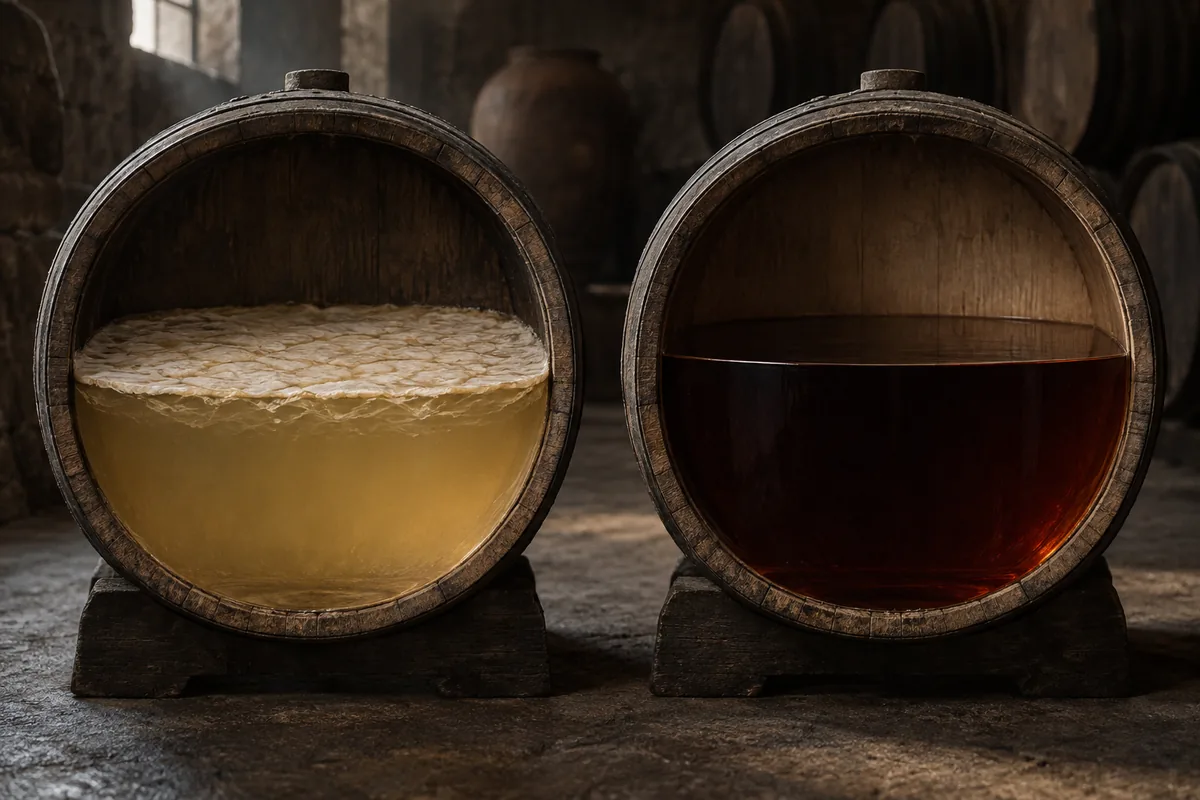
That single fork produces every name a whisky label might carry.
| Sherry type | How it aged | The strength behind that | Reducing sugar |
|---|---|---|---|
| Fino | Biologically only, under flor throughout | 15 % or slightly above | Not more than 4 g per litre |
| Amontillado | Biologically, then oxidatively after the flor dies | 15 % first, raised later | Not more than 4 g per litre |
| Oloroso | Oxidatively only, once the initial flor has died | 17 % or above | Not more than 4 g per litre |
| Palo Cortado | Mainly oxidatively, once the initial flor has died | 17 % or above | Not more than 4 g per litre |
| Pedro Ximenez | Oxidatively, from sun-dried grapes | Fortified during fermentation | At least 160 g per litre |
The sugar column carries the widest gap in the set. A dry Sherry holds no more than 4 grams of reducing sugar per litre, and a naturally sweet one holds at least 160 grams.
Pedro Ximenez gets there through the fruit rather than through the cellar. Bunches for the sweet Sherry are dried in the sun after harvest, a practice called asoleo, which concentrates the sugar before fermentation starts.
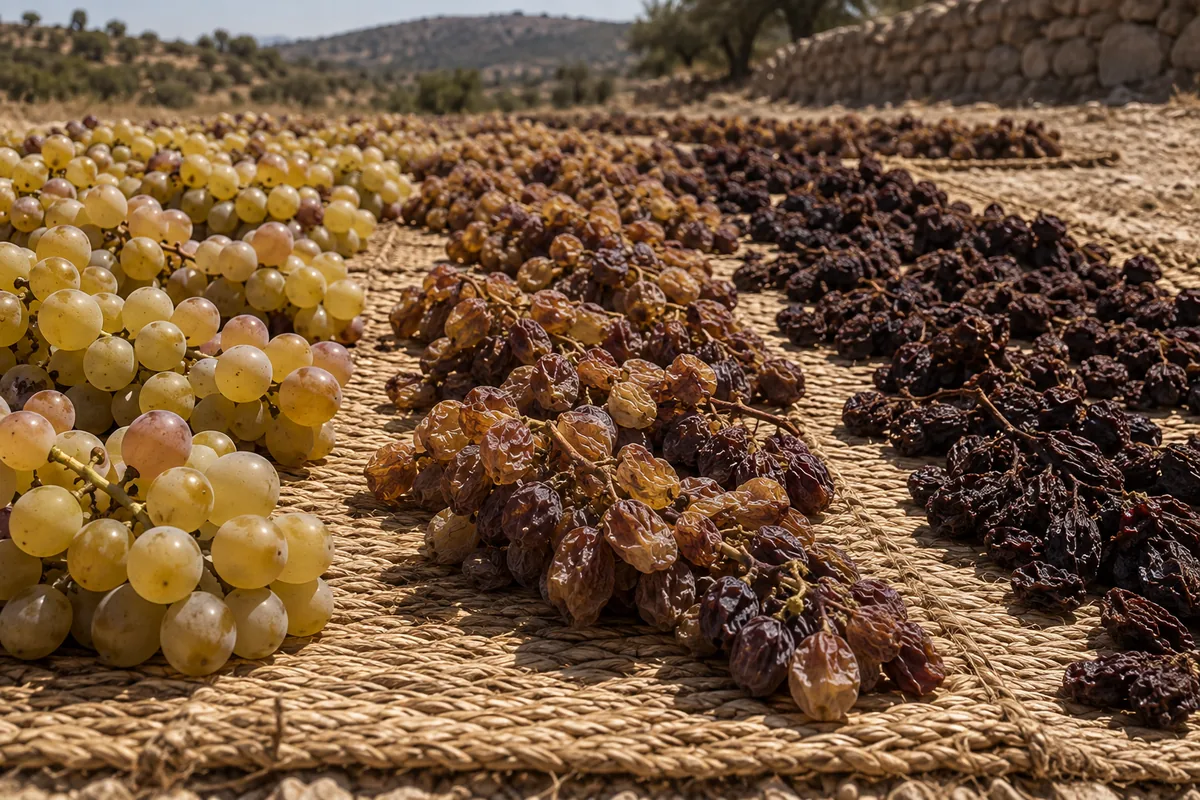
None of that sugar reaches the whisky at the concentration the wine carried.
Seasoning wine is emptied out, and what stays behind sits in the surface of the staves rather than in the vessel.
The style still tells you something real. The appellation describes Oloroso as running from old gold to dark mahogany with nut aromas, and Pedro Ximenez as ebony in tone with mainly raisin aromas, which is a more specific starting point than the word sherry on its own.
Blended sweetened types sit outside all of this. Pale Dry, Medium, Pale Cream and Cream reach at least 17.5 percent total alcoholic strength and are built by blending, and a whisky cask claim does not name them.
Other appellations run their own definitions, so none of these categories transfers. A former Port cask answers to a Portuguese authority with a different set of wine styles behind it.
Which oak, and how big is the cask?
A label that names the wine will usually say nothing about the wood, and the wood is where the larger difference sits.
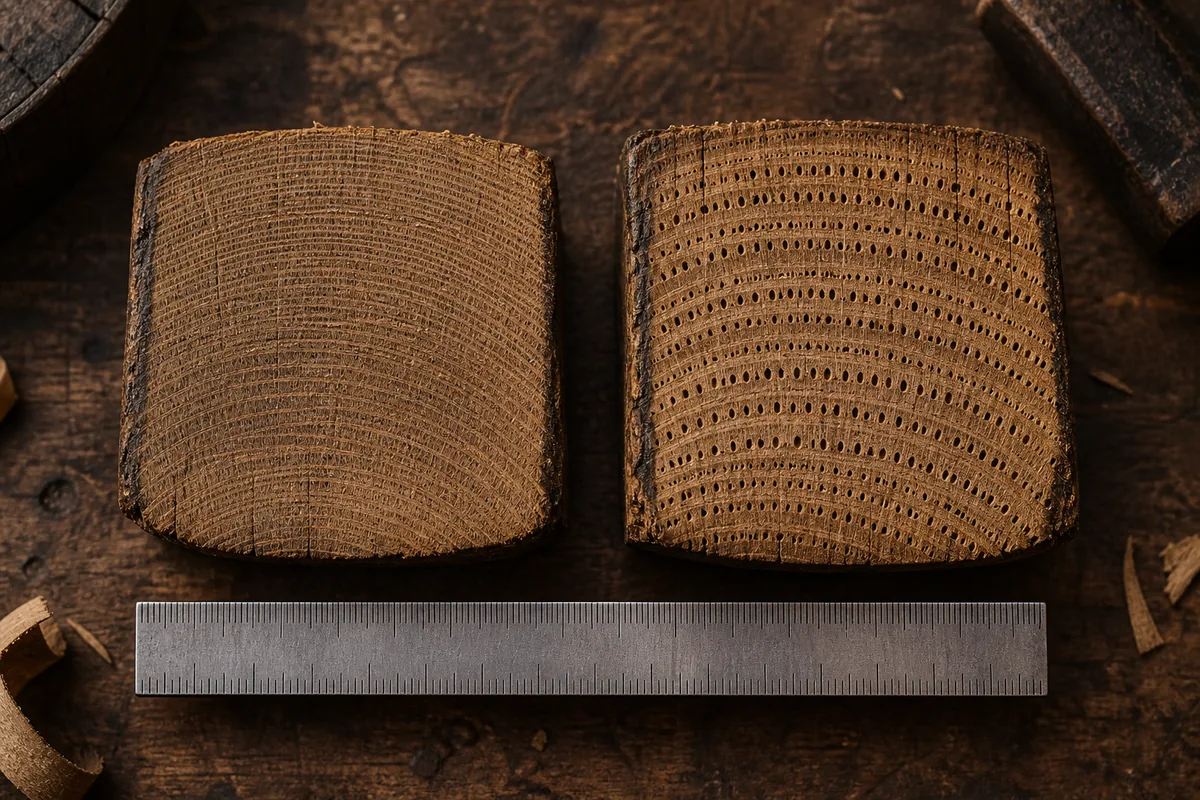
Two species do this work: American white oak, Quercus alba, and the European oaks, chiefly Quercus robur.
| What is extracted | American white oak | European oak |
|---|---|---|
| Whisky lactone | High, around twenty times the European level | Low to negligible |
| Ellagitannins | Lower extractable content | High |
| How the wood gives it up | Slower phenolic extraction, slightly higher pH in the spirit | Larger pores, more phenolic material, slightly lower pH |
The first row is the one worth reading twice. American oak carries roughly twenty times more whisky lactone than the European oaks, and whisky lactone is what a drinker reads as coconut and sweet wood.
A sherry cask built from American oak can therefore hand a whisky a character that has nothing to do with Sherry at all.
The European oaks run the other way. Quercus robur is high in ellagitannins and low or negligible in oak lactone, which reads as grip and dryness rather than as sweetness.
Rate differs as well as content. Larger pores in European oak extract more phenolic material, and spirits aged in Quercus alba show slightly higher pH and slightly lower total acidity.
Size is the other half of the specification, and it is where sherry casks part company with most whisky wood.
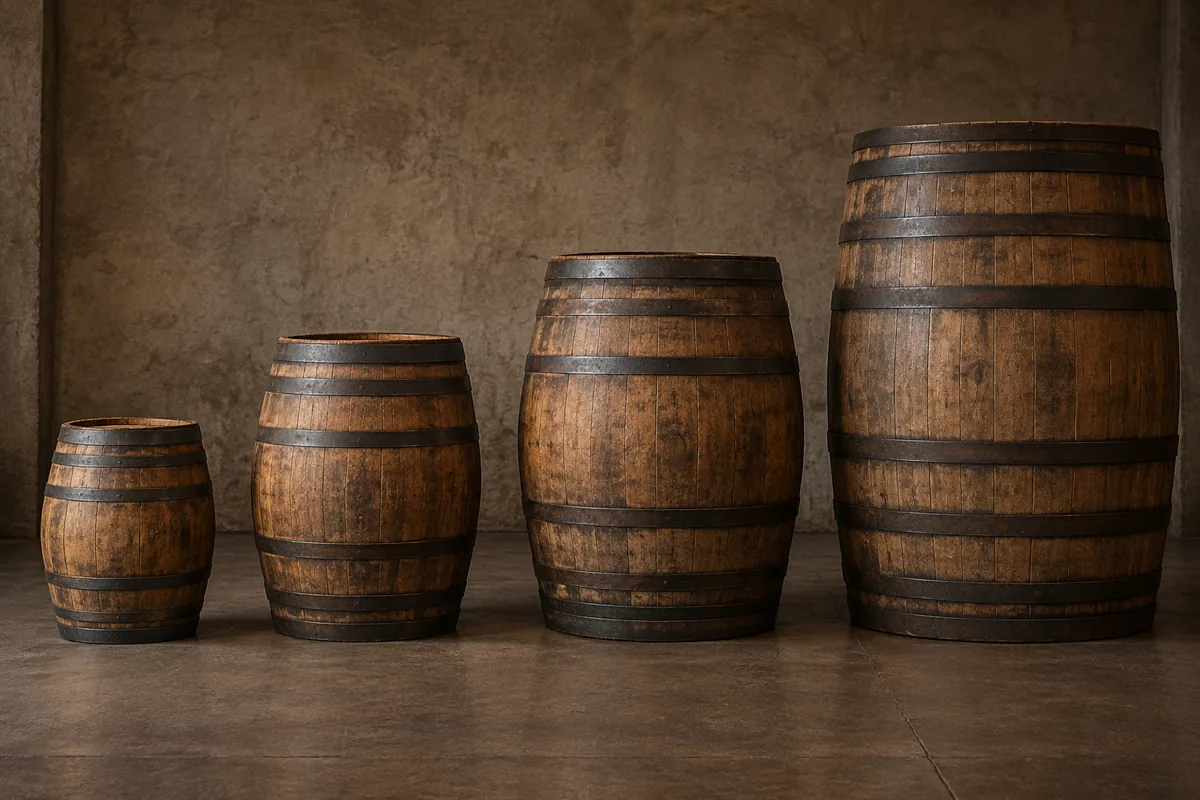
A sherry butt holds around 500 litres and a bodega butt around 600, against a bourbon barrel of roughly 200. A larger vessel presents less wood to each litre of spirit, so the same staves work more slowly on a butt than on a barrel.
- Sherry butt
- About 500 litres
- Bodega butt
- About 600 litres
- Scotch cask limit
- 700 litres
- Jerez ageing limit
- 1,000 litres
Two regulated limits bracket the trade measures. Jerez requires ageing stock to be held in oak barrels of a capacity not exceeding 1,000 litres, and the Scotch Whisky Regulations 2009 cap a maturation cask at 700 litres.
The largest vessel Jerez permits could not lawfully mature Scotch.
A cask can be a genuine Sherry vessel and still be the wrong size for the whisky that wants it.
Toasting, charring, previous fills and the spirit itself all act on the same oak. A robust or heavily peated spirit brings more of its own aroma to a cask than a light one does, so species and size are strong influences rather than predictions about a glass.
The cask is the only lawful route for wine character
There is a reason distilleries pay for wood rather than for flavouring.
No substance may be added to a Scotch other than water, plain caramel colouring, or water and plain caramel colouring. Colouring adjusts appearance and brings no wine character with it.
- Maximum cask size
- 700 litres
- Minimum maturation
- 3 years in the cask
- Minimum strength
- 40 % ABV at bottling
- Permitted additions
- Water and plain caramel colouring
Three further requirements sit around that one. Scotch must be matured in oak casks of a capacity not exceeding 700 litres, must stay in the cask for not less than three years, and must be bottled at not less than 40 percent alcohol by volume.
Read together, the four leave exactly one way in. Wine character has to arrive through the wood, because nothing carrying it may be poured in afterwards.
That is why cask sourcing is a purchasing decision with real money behind it, and why a seasoning contract in Jerez sits inside a Scotch distillery's supply chain rather than beside it.
Other whisky-making countries write their own additions rules. A sherry cask bottling from Ireland answers to a different text, and so does one from Japan.
Sulphur, and the four places it can come from
Sherry casks carry a reputation for a struck-match or vegetal note, and the cask is usually blamed first.
The blame has a real basis. Sulphur candles are burned inside empty casks to make sulphur dioxide, which lowers the oxygen and holds off bacteria and mould while the wood waits for its next fill.
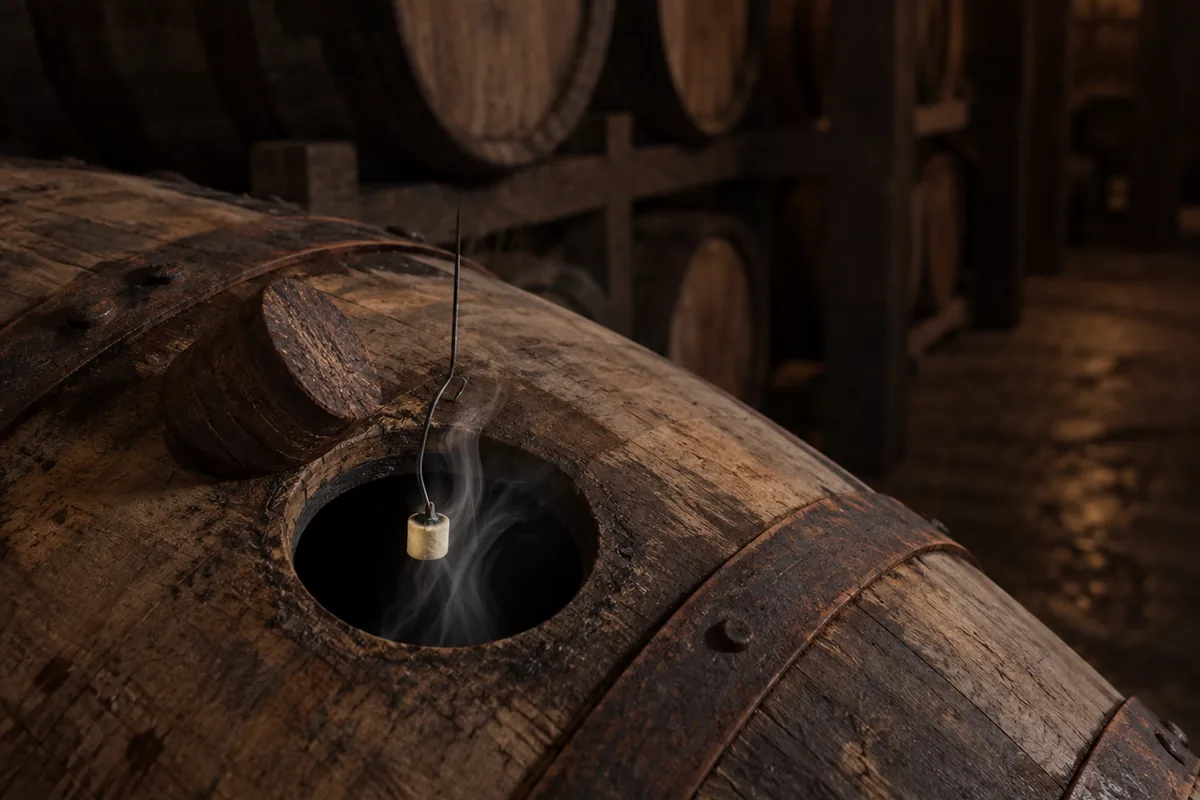
Three other candidates are at least as plausible, and only one of the four is about Sherry.
- The empty cask. Sulphur dioxide from a candle is taken up by damp wood and can be released again into whatever is filled in next.
- The base wine. Sulphur dioxide added during fermentation of the base wine was the most influential single factor on the aroma and phenolic profile of aged wine spirits in a 2023 study of brandy production.
- The whisky fermentation. Dimethyl trisulphide sits behind savoury and meaty aromas and can arrive from fermentation rather than from the cask.
- The still. Copper strips sulphur compounds carried over from fermentation, so still shape and condenser type change how much survives into the cask at all.
A sulphur note does not identify the stage that caused it. No label field records how a cask was sanitised, how the base wine was fermented, or what the condensers were, so the origin of a savoury note is not recoverable from the bottle.
A reader is therefore left with a description rather than a diagnosis. A whisky that smells of struck match smells of struck match, and a disciplined nosing will not reveal which stage put it there.
How do you read a sherry cask label?
The wordings on these bottles are not equal, and they rank cleanly by how far each one narrows the wood.
- A named Sherry type. Oloroso, Pedro Ximenez, Fino or Amontillado on the label narrows the seasoning wine to one defined ageing route and one sugar range.
- Matured or finished. The verb gives the order of the cask stages and no duration at all.
- First fill or refill. These count the whiskies that came before, not the wines, which is the reverse of what the wording suggests.
- European or American oak. Sometimes stated and often not, although the two woods differ more than two Sherry types do.
- Butt, puncheon or hogshead. Trade names for approximate cask volumes rather than regulated measures.
- A certification reference. The only wording that points at a record somebody else is holding.
The order matters more than the length. A bottle saying oloroso cask matured has committed its producer to a defined ageing route and to a chronology, while a bottle saying sherry cask finish has committed to neither.
What none of the six states is the seasoning time, and that is exactly the field the certification does record.
An age statement beside a cask claim answers a different question again. It reports the youngest whisky in the bottle rather than the time spent in the final cask, so a twelve year old whisky finished for six months in Sherry wood is still twelve years old.
A producer often holds far more detail than the front label carries. Silence on a bottle is not silence at the distillery, and a technical sheet is usually where the rest of it lives.
Pouring it, and keeping the bottle
Start from the wine the label names rather than from the word sherry.
The appellation's own descriptors are more specific and more useful: nut and fine wood for Oloroso, raisin for Pedro Ximenez. They set an expectation rather than a promise, and the glass settles it.
Water is the next decision, and the oak decides what it changes. Tannin from the European oak of a sherry cask registers as grip in the mouth as well as aroma, so adding water moves both at once.
Add it in stages, because what comes out cannot be put back.
An opened bottle loses aroma to the headspace as it empties, and a cask history does nothing to slow that. Keep it upright, out of direct light, and finish a half empty bottle sooner than a full one.
- Standard drink, United States
- 14 g of pure alcohol
- One drink at 40 % ABV
- About 44 ml
- One drink at 46 % ABV
- About 38 ml
- What the cask changes
- Aroma and colour, not the alcohol
Rich, salty and roasted foods meet a tannic sherry cask bottling more comfortably than delicate ones, and a very sweet dessert will make a dry whisky read as thin.
Nothing in any of this changes the alcohol. Cask history moves aroma and colour, and what reaches you stays a matter of the stated strength and the size of the measure.
A standard drink in the United States is 14 grams of pure alcohol, which is roughly 44 ml of a spirit at 40 percent. At 46 percent that same 14 grams is about 38 ml, so a cask strength bottling shrinks the measure before anything else about it changes.
No cask history, no dilution and no comparison can establish that anybody is fit to drive.
Common questions
- Is sherry cask whisky sweet?
- Not as a rule. Dry Sherry carries no more than 4 grams of reducing sugar per litre, and even the naturally sweet types are emptied out of the cask before any whisky arrives, so a sweet impression comes from wood compounds and aroma rather than from sugar in the glass.
- Does any Sherry remain in the cask when it reaches the distillery?
- Casks are emptied before use, and the small residual volumes sometimes quoted are trade accounts rather than published measurements. What is established is that wine soaks into the surface of the staves and can move back out during maturation.
- How many times can a sherry cask be filled with whisky?
- There is no fixed limit. Each fill removes more of what is readily extractable, so first fill, second fill and refill wood behave differently, and a cask may also be repaired, rebuilt or re-toasted between uses.
- Do whiskies outside Scotland use sherry casks?
- Yes. Irish, Japanese, Indian and American producers all use them, and each answers to its own rules on permitted cask types and additions rather than to the Scotch Whisky Regulations 2009.
Sources
-
The Scotch Whisky Regulations 2009 (SI 2009/2890), regulation 3
Accessed 4 September 2026.
-
Scotch Whisky Technical File, June 2019, the gov.uk product specification for the Scotch Whisky geographical indication, quoting the Scotch Whisky Regulations 2009 regulation 3
Accessed 4 September 2026.
-
Certification of a Sherry Cask, Consejo Regulador de las Denominaciones de Origen Jerez-Xeres-Sherry
Accessed 10 September 2026.
-
Product specification for the protected designation of origin Jerez-Xeres-Sherry, Official Journal of the European Union, OJ C/2025/2129
Published 8 April 2025. Accessed 10 September 2026.
-
Sherry Casks, Consejo Regulador de las Denominaciones de Origen Jerez-Xeres-Sherry
Accessed 10 September 2026.
-
NIAAA, What Is a Standard Drink?
Accessed 13 September 2026.
More in Spirits
-
 American single malt whisky
01
What is American single malt whisky, and what does it guarantee?
-
 Australian whisky
02
How is Australian whisky defined, and by which law?
-
 Black rum
03
What is black rum, and does the colour mean anything?
-
 Blended American whiskey
04
What is blended American whiskey, and how much of it is whiskey?
-
 Blended Irish whiskey
05
Blended Irish whiskey: which word counts the distilleries?
-
 Blended Scotch
06
Blended Scotch: what is in it, and why does the recipe change?