
Spirits
Tennessee Whiskey: What Does the State Rule Require?
Tennessee whiskey is defined by Tennessee state law, not federal law. Six of its seven statutory conditions are the federal bourbon requirements, and the seventh, filtering through maple charcoal before ageing, is what the state name adds.
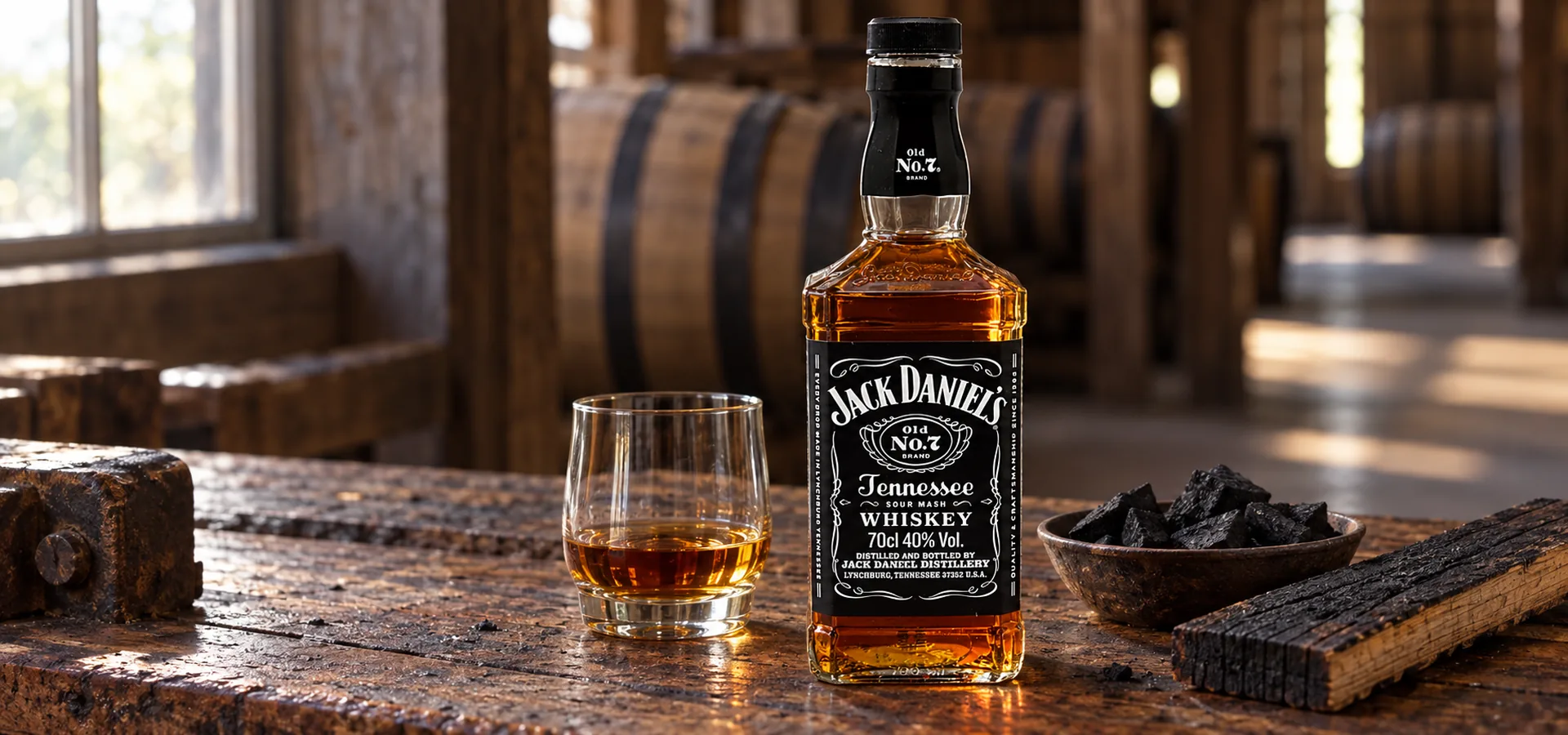
At a glance
- Legal category
- Tennessee Code Annotated section 57-2-106; meets the federal bourbon standard
- Minimum strength
- 40 percent ABV
- Also called
- Tennessee whisky, Tennessee sour mash whiskey
- Defined by
- Tennessee state law, section 57-2-106, enacted in 2013
- What it adds to bourbon
- Maple charcoal filtering before ageing, plus manufacture and ageing in Tennessee
- Bottling floor
- Not less than 80 proof, which is 40 percent alcohol by volume
Who actually defines Tennessee whiskey?
Tennessee does, and not the federal government.
That is unusual enough to be worth pausing on, because almost every other whisky category a reader meets is defined either by a national government or by a trade body operating under one.
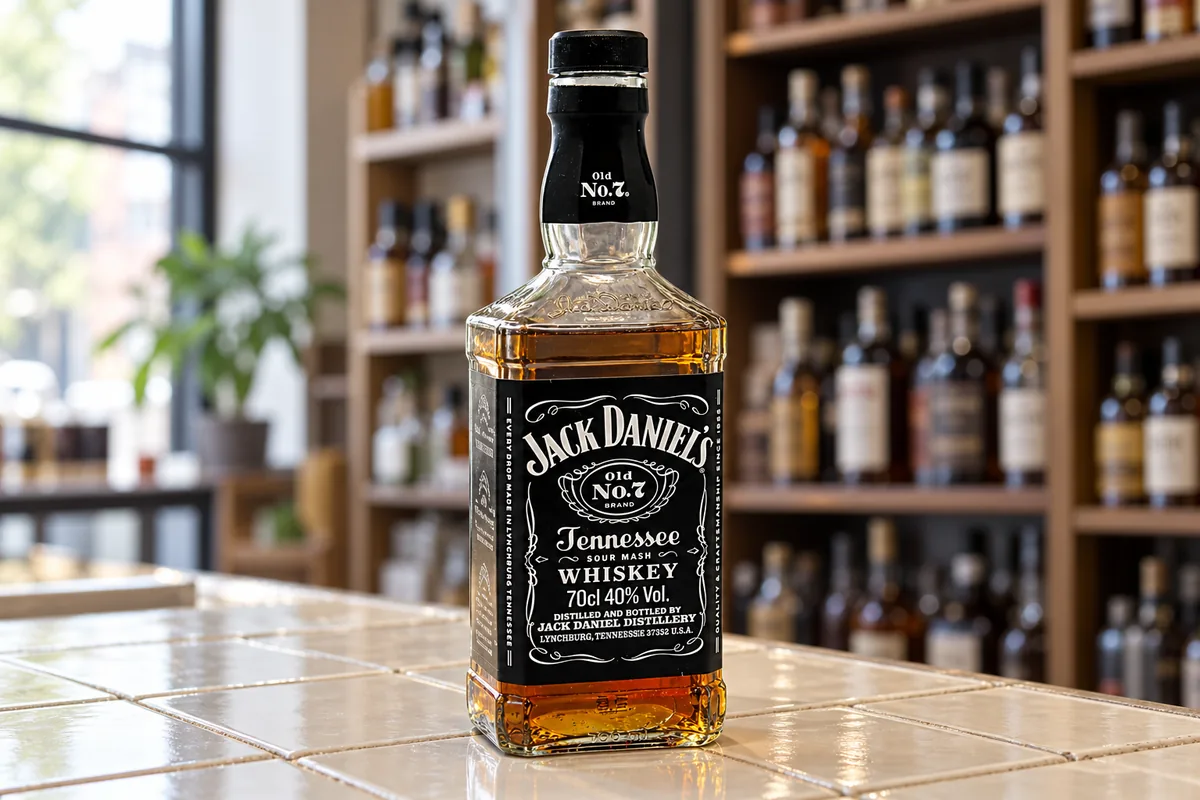
The definition sits in Tennessee Code section 57-2-106, enacted in 2013. The federal standards of identity for whisky contain no Tennessee whisky class or type at all.
- Tennessee state law
- Section 57-2-106 of the Tennessee Code, passed in 2013, is where the seven conditions live.
- No federal class
- 27 CFR 5.143 sets out bourbon, rye, wheat, malt and corn whisky among others, and never mentions Tennessee.
- A labelling restriction
- The statute does not create a class. It prohibits selling or advertising liquor under the name unless every condition is met.
That third point changes what the rule can and cannot do.
A state cannot write a federal standard of identity, and it does not need to.
What it can do is control what may be sold inside its own borders under a name that carries its own name, and that is exactly what the section does.
A standard of identity says what a product is. A labelling restriction says what you may call something, which is a narrower kind of power and one held by a state rather than a federal agency.
So two authorities are speaking on the same bottle, and they are answering different questions.
What is the difference between Tennessee whiskey and bourbon?
One production step, and a state line.
That answer surprises people, because the two names sit on shelves as though they were rival categories.
They are not arranged that way by the rules. They are arranged that way by the labels.
Six of the seven conditions in the Tennessee statute restate the federal bourbon requirements. The seventh, filtering through maple charcoal before ageing, has no bourbon counterpart at all.
Tennessee whiskey is bourbon plus a step. A whiskey meeting all seven state conditions also satisfies the federal bourbon standard, because six of those conditions are the bourbon standard. The charcoal filtering and the place requirement are what the state name adds.
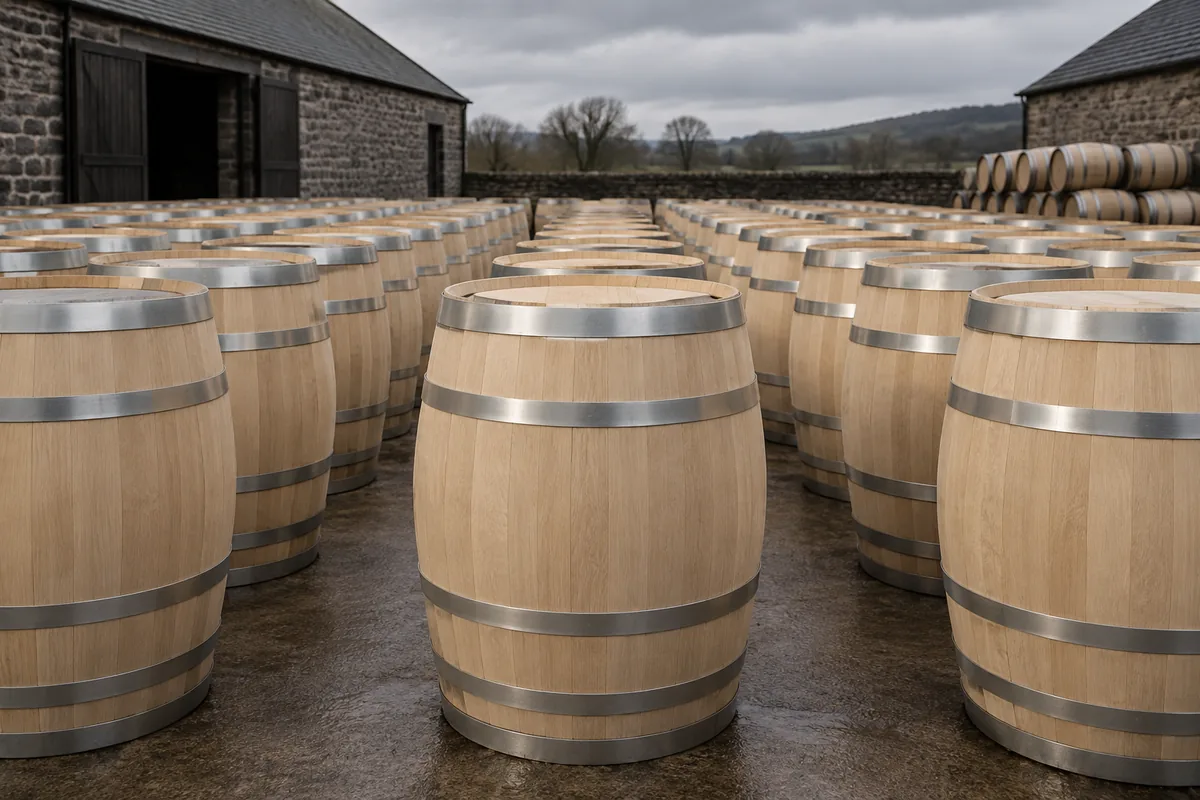
That relationship is the single most useful thing to know about the category, and it is almost always described the wrong way round.
The place condition is worth separating out too, because it does something federal law would not.
Bourbon may be produced anywhere in the United States. Tennessee whiskey may be produced in exactly one state, and must be aged there as well, which is two separate geographic requirements rather than one.
Tennessee whiskey is not an alternative to bourbon. It is a subset of it with an extra requirement, in the way that a square is a rectangle with an extra condition.
What are the seven conditions in full?
Worth reading in order, because two of them do something a federal standard never does.
| Condition | What kind of requirement it is |
|---|---|
| Manufactured in Tennessee | Place. A federal standard of identity does not tie a class to one state |
| At least 51 percent corn | Measurement, and identical to the bourbon grain rule |
| Distilled at no more than 160 proof | Measurement, and identical to the bourbon distillation ceiling |
| Aged in new charred oak barrels in Tennessee | Both at once: the bourbon wood requirement, with a second place condition attached |
| Filtered through maple charcoal before ageing | Process, and the only condition with no bourbon counterpart |
| Barrelled at no more than 125 proof | Measurement, and identical to the bourbon entry proof ceiling |
| Bottled at not less than 80 proof | Measurement, and the figure a buyer can check on the front of the bottle |
Five measurements, two conditions about place, and one process step.
Notice what the list does not contain.
There is no minimum age, no maximum age, no rule about the rest of the mash bill beyond the corn majority, and nothing about the size of the barrel. All of that is left where the federal standard leaves it, which is to the producer.
The word straight is available here too, on the same terms as anywhere else.
That split is worth holding, because it tells you how each condition is actually policed.
Proof and grain proportion can be established from a sample. Where a whiskey was distilled and aged cannot, and the charcoal step certainly cannot, so those depend on records and on access to the premises.
A Tennessee whiskey held two years in charred new oak with nothing added may be sold as straight Tennessee whiskey, because the straight designation attaches to the federal type underneath.
The measurements are what a regulator can test in a laboratory. The place conditions are what records establish, and the process step is what an inspection of the distillery would show.
What is the Lincoln County Process?
It is the one condition that is not bourbon, and it happens before the barrel rather than after it.
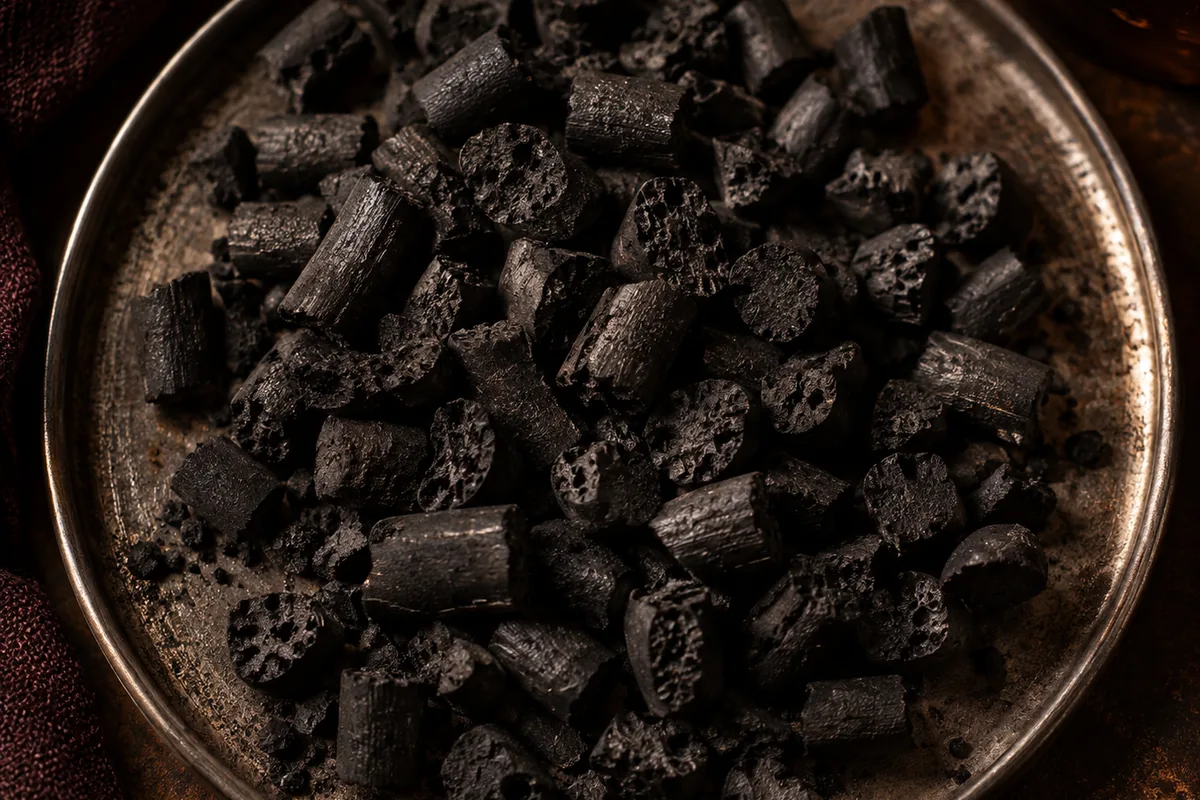
The charcoal used in the Lincoln County Process is made by burning ricks of sugar maple on site. Once burned, the charcoal is broken into small pieces and packed into a tall vat, and clear spirit off the still is dripped or sprayed evenly across the top of it.
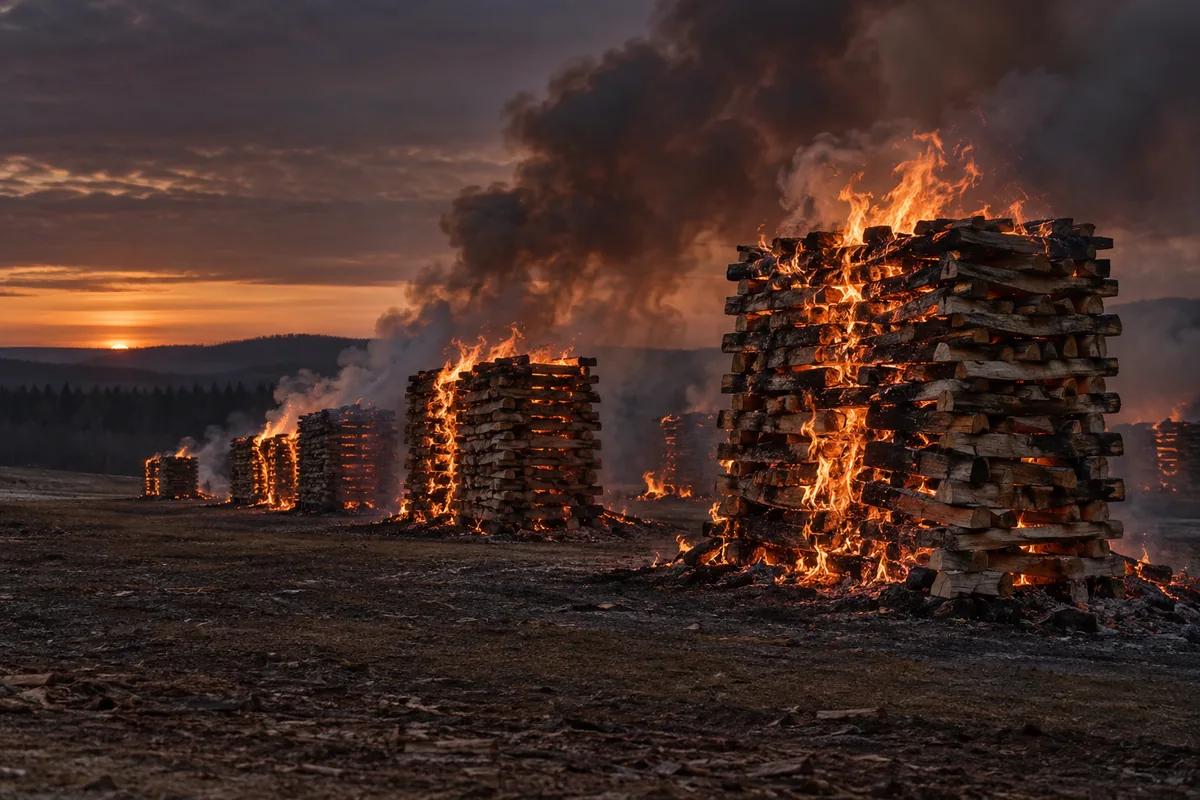
- Burn the sugar maple: ricks of split maple are burned down in the open until they become charcoal.
- Break it down and pack the vat: the charcoal is broken into small pieces and packed into a tall vat, several feet deep.
- Run the new spirit through: clear spirit off the still is dripped or sprayed evenly across the top and soaks down through the bed.
- Then fill the barrel: the filtered spirit goes into new charred oak afterwards, which is the order the statute fixes.
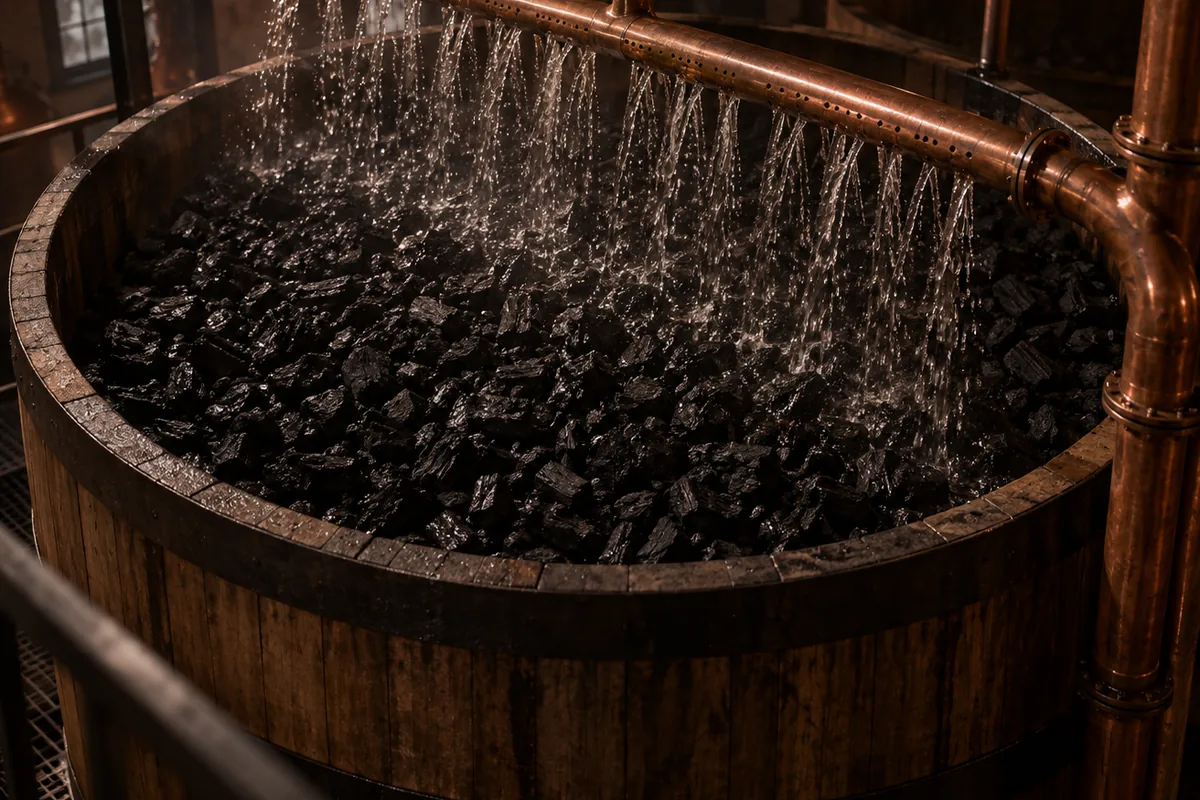
The ordering is the part readers most often get wrong, and it matters.
Some producers also filter again after maturation, which is an ordinary industry practice rather than a Tennessee requirement. Only the step before ageing satisfies the statute, so a whiskey filtered only at the end has not met the condition however much charcoal was involved.
Depth matters as well as order.
Nothing in the statute fixes the depth, the contact time, the particle size or the rate at which the spirit is applied.
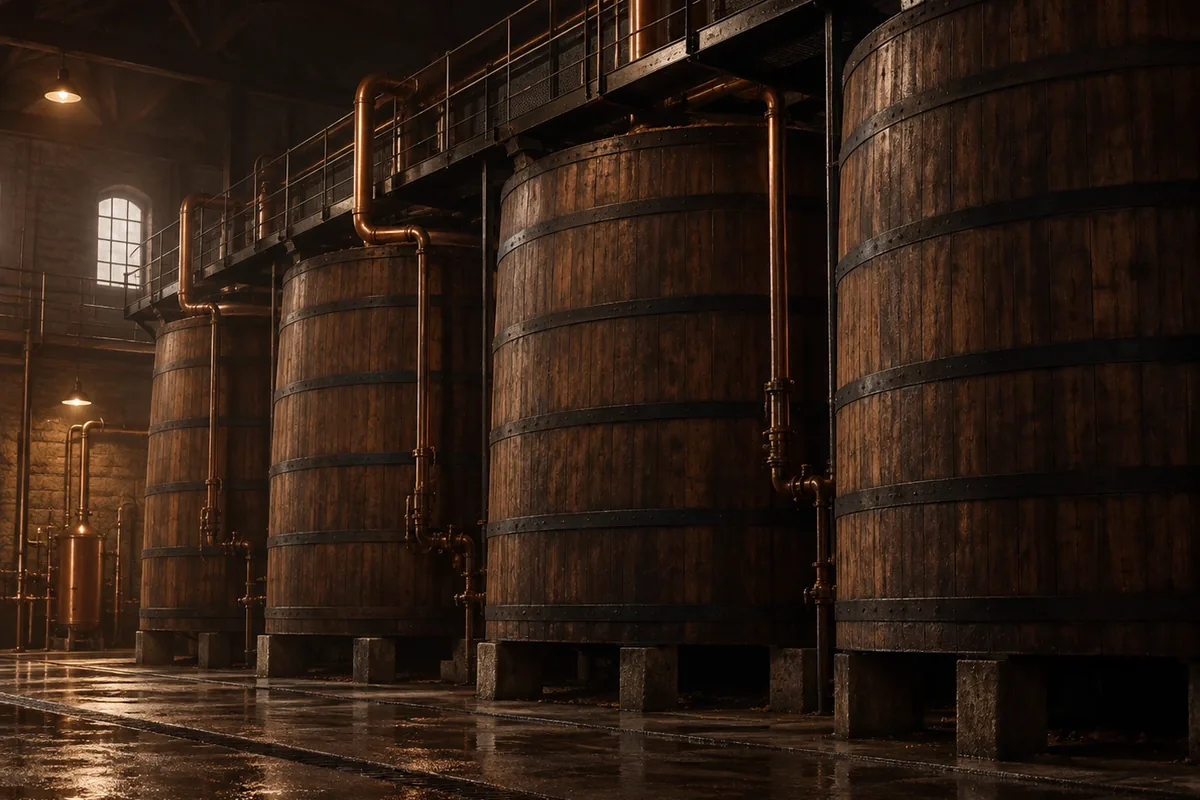
The beds are several feet deep, and reported working depths run from about ten feet upward depending on the distillery, so the spirit is in contact with charcoal for a long time rather than passing through a filter.
Filtering a matured whiskey would remove things the wood had already given it. Filtering the new spirit changes what goes into the barrel in the first place.
Does the charcoal requirement apply to every Tennessee distillery?
No, it does not. The statute carries an exception, and it is a narrow one.
So the charcoal condition is not universal across Tennessee distilleries, which means a reader meeting a Tennessee whiskey made without maple charcoal filtering has not found a rule being broken.
The charcoal requirement does not apply to a distillery in a county that authorised manufacture under a specific earlier provision, and the legislation was passed with that carve-out written for one existing producer.
One distillery holds a legal exception. It does not use the Lincoln County Process and its whiskey is still Tennessee whiskey, which is the clearest possible demonstration that the charcoal step is a condition of the name rather than a description of the liquid.
That is not a drafting error. It is a grandfathering clause protecting a producer whose own method predated the requirement, and the exemption is written by reference to the county that authorised manufacture rather than by naming the distillery.
It is also worth reading the exception for what it says about how the law was made.
A rule written to describe an established regional practice will usually have to accommodate a producer whose practice predates it, and this is what that accommodation looks like in statutory language.
What the exception does not do is loosen anything else. Every other condition in the section still applies to that distillery, including the place requirements and all five measurements.
Does charcoal mellowing change the whiskey?
It changes what goes into the barrel, which is a real difference and a narrower one than it sounds.
Passing new spirit through a deep charcoal bed removes some compounds before any wood is involved. The whiskey that emerges is a different starting material from the one that went in.
What that removal produces in a finished bottle is a matter of production judgement rather than a regulated outcome.
The trade word for the step is mellowing, and the word is doing some work.
It describes an intention rather than a measurement, which is the honest state of the evidence in a rule that names no compound and prescribes no test.
The statute requires the step and specifies nothing about the result. No sensory standard is attached, no compound is named, and no test is prescribed.
Anyone comparing the two categories on flavour is really comparing two producers, two mash bills and two warehouse regimes at once.
The charcoal step is somewhere in that difference, and no ordinary tasting can isolate it.
- What is settled: the step is required, it uses maple charcoal, and it happens before the spirit meets wood.
- What is not settled: the depth of the bed, the contact time, the particle size and the rate of application, none of which the statute fixes.
- What is not claimed: any sensory outcome at all, since the rule names no compound and prescribes no test.
So the honest position is narrow. The step is real, it is required, it acts on the spirit before maturation, and what it does to the taste of any particular bottle is a question about that bottle.
Could a Tennessee whiskey be sold as bourbon instead?
Yes, on the federal rules. A whiskey meeting the seven state conditions satisfies the bourbon standard, so the class and type statement bourbon would be accurate.
Producers who use the Tennessee name are choosing a state designation over a federal one. Both descriptions are true of the same liquid, and only one of them can go on the front in the most prominent position.
That is a decision about what to call the bottle rather than a decision about what to put in it, and nothing in either standard makes one description more demanding than the other beyond the charcoal step and the place.
Which is why the two names should not be read as a ladder.
| Question | Answer |
|---|---|
| Could a Tennessee whiskey be sold as bourbon? | Yes. It meets the federal standard, so the class and type statement would be accurate |
| Could a bourbon be sold as Tennessee whiskey? | Only if it was made and aged in Tennessee and charcoal filtered before ageing |
| Is either designation stricter? | The state name adds two conditions and takes none away, but neither rulebook grades the whiskey |
There is one asymmetry worth knowing, and it runs the other way from the one people assume.
Every Tennessee whiskey qualifies as bourbon. Not every bourbon qualifies as Tennessee whiskey, because most bourbon is made outside Tennessee and almost none of it is charcoal filtered before ageing.
A reader treating Tennessee whiskey as a higher grade of bourbon, or bourbon as the more serious category, has imported a hierarchy neither rulebook contains.
Who enforces the Tennessee whiskey name?
The state, and the penalty is aimed at the licence rather than at the bottle. Enforcement of the Tennessee name sits with Tennessee, which may suspend or revoke a manufacturer's licence for a violation.
A manufacturer violating section 57-2-106 faces suspension or revocation of its licence, which is a state administrative consequence rather than a federal labelling one.
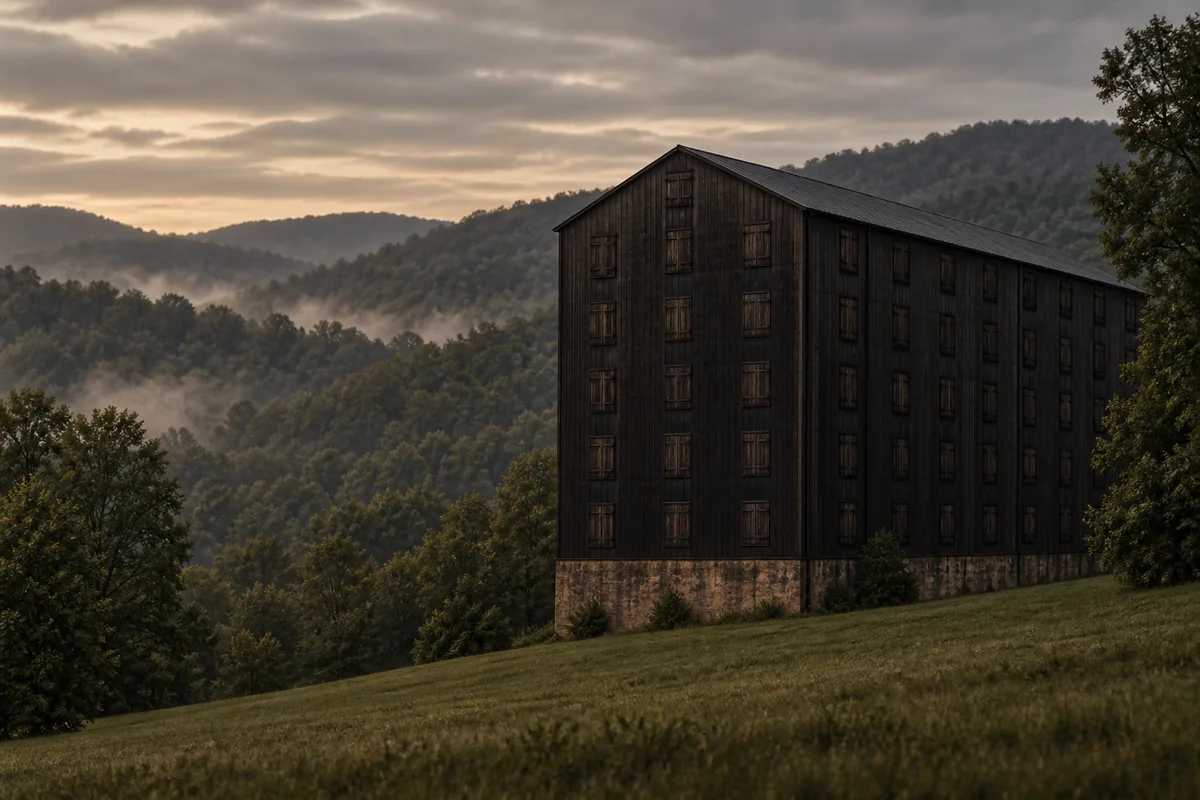
Meanwhile the class and type statement on the same label answers to the federal regime. A useful way to picture it: the state controls the phrase, and the federal rules control the classification.
For a buyer that has one practical consequence.
If a bottle carries the state phrase, a state licence is standing behind it. That is a real assurance about production, and it is a different kind of assurance from the federal class statement beside it.
So one bottle can be answerable to two authorities at once, for two different parts of what it says. The state governs the phrase Tennessee whiskey, and the federal rules govern the designation printed beside it.
How do you compare a Tennessee whiskey with a bourbon?
Given how close the two standards are, the comparison has to be set up rather than simply poured.
- Proof: match the two as closely as the labels allow, because alcohol changes aroma delivery far more than one filtering step does.
- Age: where both bottles carry a number, keep them close, since time in wood swamps almost everything else.
- Mash bill: where it is disclosed, match it, because a high rye recipe against a wheated one is a much larger difference than the designation.
With those held still, pour equal measures into the same glass shape and nose both before adding water.
Then add the same recorded amount of water to each, rather than a splash to whichever seems hotter.
Whatever you find is a difference between two bottles. It is not a finding about the charcoal step, and a second pair chosen differently could easily point the other way.
What food suits a Tennessee whiskey?
The designation cannot answer this, because it covers whiskeys of very different weights and strengths.
Food meets the strength and the wood before it meets anything the label designates.
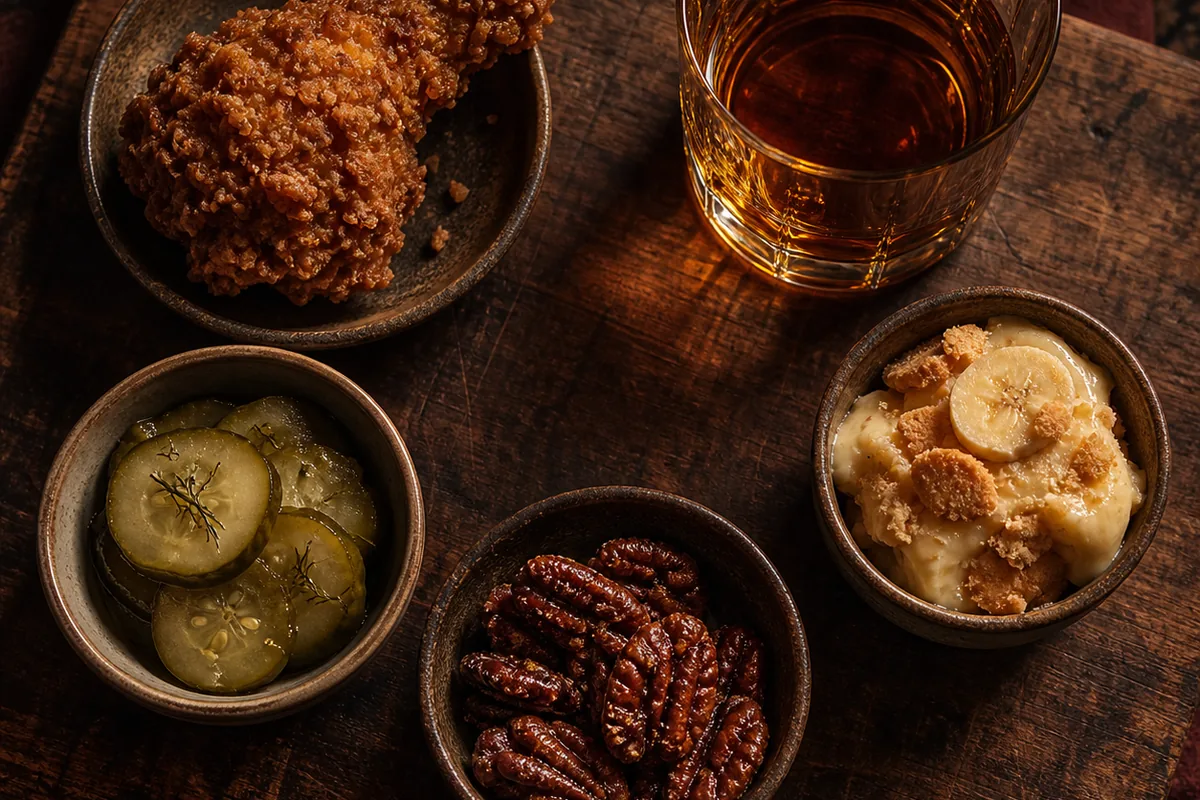
| What the bottle turned out to be | Food direction | Why it works |
|---|---|---|
| Sweet and corn-led | Fried or smoked food, pickles, sharp cheese | Salt and acid give the sweetness something to push against rather than doubling it |
| Dry and oak-led | Fattier meat, roasted nuts, aged cheese | Fat softens tannin and alcohol heat, where a sweet dish would sharpen both |
| High proof | Richer food in smaller portions | Food has to have enough weight not to disappear, and fat is what carries alcohol heat comfortably |
Two interactions go wrong reliably. Very hot chilli magnifies alcohol burn, and a sugary dessert can make a dry whiskey seem harsher than it is.
Banana pudding beside a barrel proof bottling is the local version of that second mistake, and it is worth trying once to see why the pairing usually runs the other way.
How should an opened bottle be kept?
Whiskey does not go on maturing in glass. What happens after opening is oxidation and the slow loss of the most volatile aroma.
- Cool and dark: heat and light are the two conditions you can remove outright, and nothing in the bottle improves with either.
- A closure that still seals: wipe the neck and check the liner or cork, because a failed seal makes every other precaution irrelevant.
- Upright: a high strength spirit resting against a closure will attack the material over the years a bottle can sit.
- Decant a small remainder: moving the last third into a clean smaller bottle cuts the air above it, which is the only variable here you can actually reduce.
As the level falls the bottle holds more air, and every opening replaces that air with a fresh supply.
High proof bottlings are slightly more forgiving here, because there is more alcohol and less water in the liquid to begin with.
Each of those decisions is protecting against something specific: heat and light against accelerated change, the closure against a leak that empties the bottle of aroma, and the decanting against the air that replaces what you poured.
None of that is fast. It simply means a bottle opened three years ago is no longer the reference it was when you opened it.
How much alcohol is in a Tennessee whiskey pour?
The statute puts the floor at 80 proof, which is 40 percent alcohol by volume, and plenty of bottles sit well above it. In the United States a standard drink contains about 14 grams of pure alcohol, which is roughly 1.5 fluid ounces, or 44 millilitres, of a spirit at 40 percent.
Pour the same measure of a barrel proof bottling at 62 percent and you have taken more than half as much alcohol again, from a glass that looks no different.
Read the proof, not the designation. Tennessee, bourbon, charcoal filtering, colour, smoothness, water, food, coffee and time spent tasting cannot establish that someone is unimpaired or safe to drive. Measure the pour and read the alcohol content.
Anyone who is pregnant, below the legal drinking age, taking an interacting medicine, managing a condition worsened by alcohol, or responsible for driving needs an alcohol-free choice instead.
Is the Tennessee name worth paying for?
What it buys is one production step and one place, on top of everything bourbon already requires.
Both are real. Making charcoal, packing a vat and running every drop of new spirit through it is labour and equipment that a producer without the requirement does not need.
What it does not buy is an age, a mash bill, a strength, or any assessment of how well the whiskey was made.
Nor does it buy scarcity. The category includes some of the largest selling American whiskeys there are, so the name on its own is not a signal about how much was made.
Read past the designation. Where two bottles both say Tennessee whiskey, everything that separates them is printed somewhere else: the proof, an age statement if there is one, and any disclosure about the mash bill or the barrel. Start there.
The state name tells you a great deal about how the whiskey was made and nothing at all about which of two bottles to take home.
That is the ordinary condition of a category rule, and it is worth knowing rather than resenting.
Common questions
- Is Tennessee whiskey bourbon?
- A whiskey meeting the seven conditions in Tennessee Code section 57-2-106 also satisfies the federal bourbon standard, because six of those conditions are the bourbon requirements. Producers using the Tennessee name are choosing a state designation over a federal one.
- What is the Lincoln County Process?
- Filtering new spirit through a deep bed of sugar maple charcoal before it goes into the barrel. It is the only one of the seven statutory conditions with no counterpart in the federal bourbon standard.
- Is any Tennessee distillery exempt from charcoal filtering?
- Yes. The statute disapplies the charcoal requirement for a distillery in a county that authorised manufacture under an earlier provision, and the distillery the carve-out was written for sits in Lincoln County, the county the process is named after.
Sources
-
Code of Federal Regulations, Title 27, sections 5.143 and 5.74
Accessed 5 September 2026.
-
NIAAA, What Is a Standard Drink?
Accessed 13 September 2026.
-
Tennessee Code Annotated section 57-2-106, Restrictions on labeling of intoxicating liquors as Tennessee whiskeys
Accessed 10 September 2026.
-
Tennessee Whiskey, Tennessee Historical Society
Accessed 10 September 2026.
More in Spirits
-
 American single malt whisky
01
What is American single malt whisky, and what does it guarantee?
-
 Australian whisky
02
How is Australian whisky defined, and by which law?
-
 Black rum
03
What is black rum, and does the colour mean anything?
-
 Blended American whiskey
04
What is blended American whiskey, and how much of it is whiskey?
-
 Blended Irish whiskey
05
Blended Irish whiskey: which word counts the distilleries?
-
 Blended Scotch
06
Blended Scotch: what is in it, and why does the recipe change?