
Spirits
What Is Islands Whisky, and Is It a Scotch Region?
Islands whisky is an informal grouping for Scotch made on several Scottish islands, usually excluding protected Islay. It helps with geography, but it does not define a legal region, production method or flavour.
At a glance
- Legal category
- Not a protected Scotch Whisky region or locality; individual whiskies must satisfy a legal Scotch category and any truthful place claim.
- Minimum strength
- 40 percent ABV
- Also called
- Island whisky, Islands Scotch whisky, Scottish island whisky
- Legal status
- Islands is an informal grouping, not a protected Scotch region
- Protected context
- Highland, Lowland and Speyside are regions; Islay and Campbeltown are localities
- Core identity
- Every bottle still needs a legal Scotch category and truthful origin wording
- Minimum maturation
- At least 3 years in Scotland in oak casks no larger than 700 litres
- Flavour boundary
- Island origin does not guarantee peat, smoke, salt or one house style
What does Islands whisky actually mean?
Islands whisky is an informal grouping for Scotch made on Scottish islands, usually excluding Islay because Islay has its own protected locality name. The phrase is useful for browsing, but it does not create a sixth legal Scotch region.
Scotch law protects Highland, Lowland and Speyside as regions, plus Islay and Campbeltown as localities.
The plural word Islands does not appear in that protected list, and the Scotch Whisky Association states that it cannot supplement a Scotch category description as though it were an official region.
Read Islands as orientation, not specification. It suggests where several distilleries are located, but it does not guarantee one grain bill, still design, peat level, cask type, age or flavour.
A bottle may truthfully name a specific Scottish place when all the whisky was distilled there. Orkney, Skye, Mull, Jura, Arran, Harris and Raasay can therefore matter as locations even though Islands is not a single protected boundary.
This distinction prevents two common mistakes. A retailer can group bottles under Islands for convenience, while the bottle itself still needs a legal Scotch category and truthful geographic wording.
The place name and the category do different work. The place tells you where distillation occurred, while terms such as single malt, blended malt or single grain tell you how the Scotch category is constructed.
That is the starting point for every later decision: keep the grouping as a map, then use the bottle's actual category, origin statement and production details as evidence.
Which islands sit inside the grouping?
Common use gathers several whisky-producing islands off Scotland's west and north coasts.
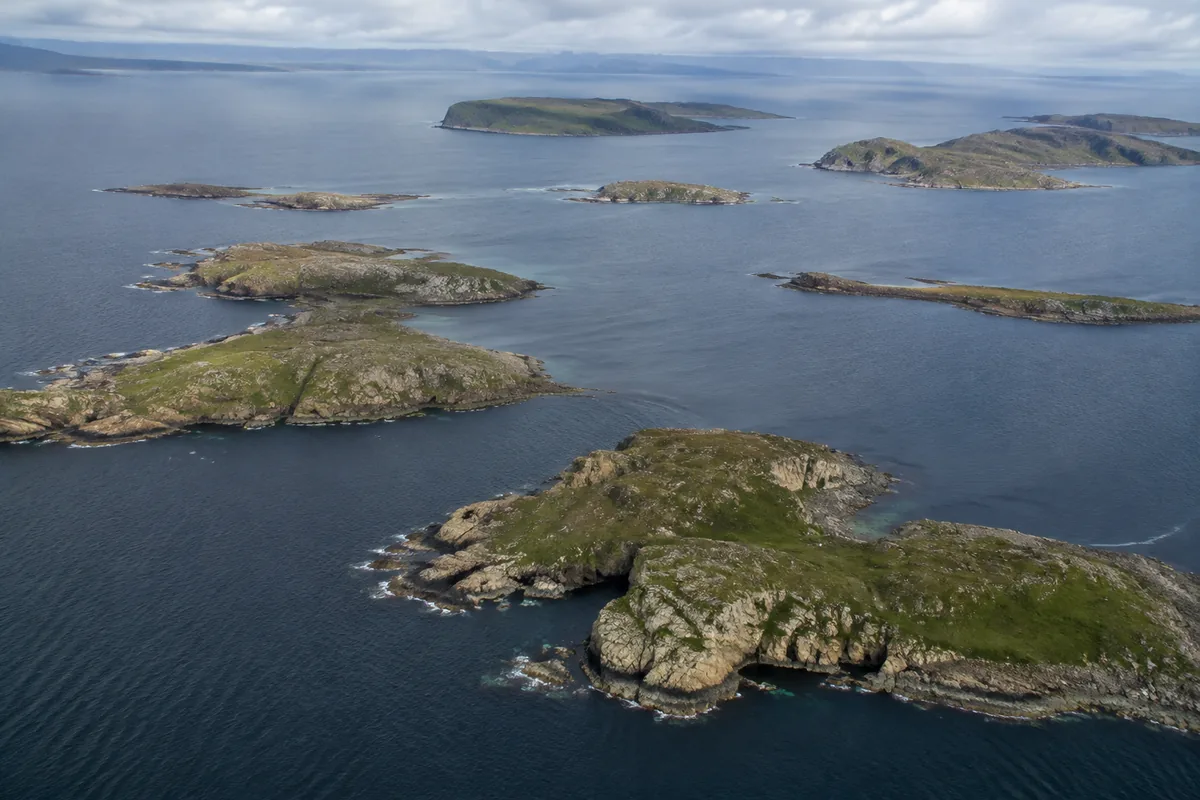
Current industry maps identify distilleries on Orkney, Skye, Mull, Jura, Arran, Harris and Raasay among the island locations that readers often encounter.
The list is practical rather than constitutional. New distilleries can begin production, dormant sites can return, and a place can hold more than one distillery, so a frozen roll call would age faster than the meaning of the term.
- Orkney
- A northern archipelago whose distilleries legally sit within the broad Highland region.
- Skye and Raasay
- Neighbouring island locations with separate distillery identities, not one shared recipe.
- Mull and Jura
- Western island names that can identify actual distillation place when used truthfully.
- Arran
- An island with distinct production sites whose whisky can vary by distillery and release.
- Harris
- A specific island location, not proof that every spirit grouped as Islands follows its methods.
Islay needs separate treatment. It is itself a protected locality under the Scotch Whisky Regulations, so folding it into an undifferentiated Islands definition would erase a legal distinction that appears on labels.
Even within one island, geography cannot substitute for the distillery name and Scotch category. Water source, plant design, fermentation, stills, cask inventory and blending decisions occur at a much finer scale than the shelf heading.
Use the grouping to find candidates, then verify the named island and distillery on each bottle.
That keeps the map useful without asking it to prove a flavour.
Why is Islands absent from Scotch law?
The protected names reflect long-established Scotch regions and localities that lawmakers chose to define. Regulation 10 names Highland, Lowland and Speyside as regions, then Campbeltown and Islay as localities with their own boundaries.
Islands is different because it refers to several disconnected places rather than one defined area. The Scotch Whisky Association explains that the plural expression is not a Scottish place or regional name for labeling purposes.
| Wording | What it establishes | What remains open |
|---|---|---|
| Highland | A protected region north of the statutory dividing line | Distillery, category, peat, cask and flavour |
| Islay | A protected locality comprising the Isle of Islay | Peat intensity, still design, cask history and release style |
| Orkney or another truthful place | Distillation in that named place when the use complies with Scotch rules | No universal production method or flavour |
| Islands | An informal editorial or retail grouping | No protected regional guarantee |
A specific island name can still be meaningful. The regulations allow other Scottish locality or regional names when the Scotch was entirely distilled in that place, which is why a truthful island origin can appear without turning Islands into a protected category.
This also explains why a front label may say Highland Single Malt Scotch Whisky while brand material describes the distillery as island-based.
The legal region and the physical setting can both be true.
Do not treat the omission as a quality judgment. Protected status concerns geographic description and consumer clarity, not a score for the whisky or a ranking of island distilleries.
Once that legal boundary is clear, the useful question changes from “Is Islands official?” to “What verified facts does this specific bottle add?”
What must an island Scotch still satisfy?
An island location never relaxes the national Scotch definition.
The whisky must be produced in Scotland from water and malted barley, with only whole grains of other cereals added where the category permits them.
Conversion, fermentation and distillation happen at the distillery, and the distillate must leave the still below 94.8% ABV so it retains character from its materials and production. Maturation then takes place in Scotland in oak casks no larger than 700 litres.
- Distillation ceiling
- Below 94.8% ABV
- Minimum maturation
- 3 years in Scotland
- Maximum cask capacity
- 700 litres
- Minimum bottling strength
- 40% ABV
Only water and plain caramel colouring may be added under the basic definition. Plain caramel can adjust colour, so a darker glass does not prove older whisky, heavier peat or a more active cask.
The protected Scotch categories then add their own construction. Single malt means malted barley, pot still distillation and one distillery, while blended malt, single grain and blended Scotch uses different combinations.
Islands adds no extra production rule.
It cannot tell you whether the whisky is single malt, peated, chill filtered, naturally coloured or matured in a particular previous-fill cask.
Those bottle-level details matter because the national rules leave producers enough room to make profoundly different spirits. The common Scotch foundation is real, but it is not a regional recipe.
Does island location guarantee peat smoke?
No. Smoke enters some Scotch primarily when peat is burned while malted barley is dried, and the amount of smoke exposure can vary from none to very heavy.
A distillery can buy malt made to a chosen peat specification, produce different peating levels for different runs, or make unpeated spirit.
The sea does not create peat smoke in the glass, and a coastal warehouse cannot substitute for smoked malt.
| Visible or stated clue | What it can support | What it cannot prove |
|---|---|---|
| Peated malt disclosure | Smoke compounds were introduced during malt drying | The exact intensity after distillation and maturation |
| Phenol figure for malt | A production specification for the malt | An identical number in the bottled whisky |
| Island or coastal origin | Where the distillery operates | Any mandatory peat level |
| Dark amber colour | Appearance shaped by cask and possible caramel adjustment | Smoke, age or phenol concentration |
Distillation cuts and copper contact can reduce or reshape smoky compounds, while cask maturation adds vanilla, spice, fruit and wood notes that alter the balance. Bottling strength and dilution then change how readily aromas reach the nose.
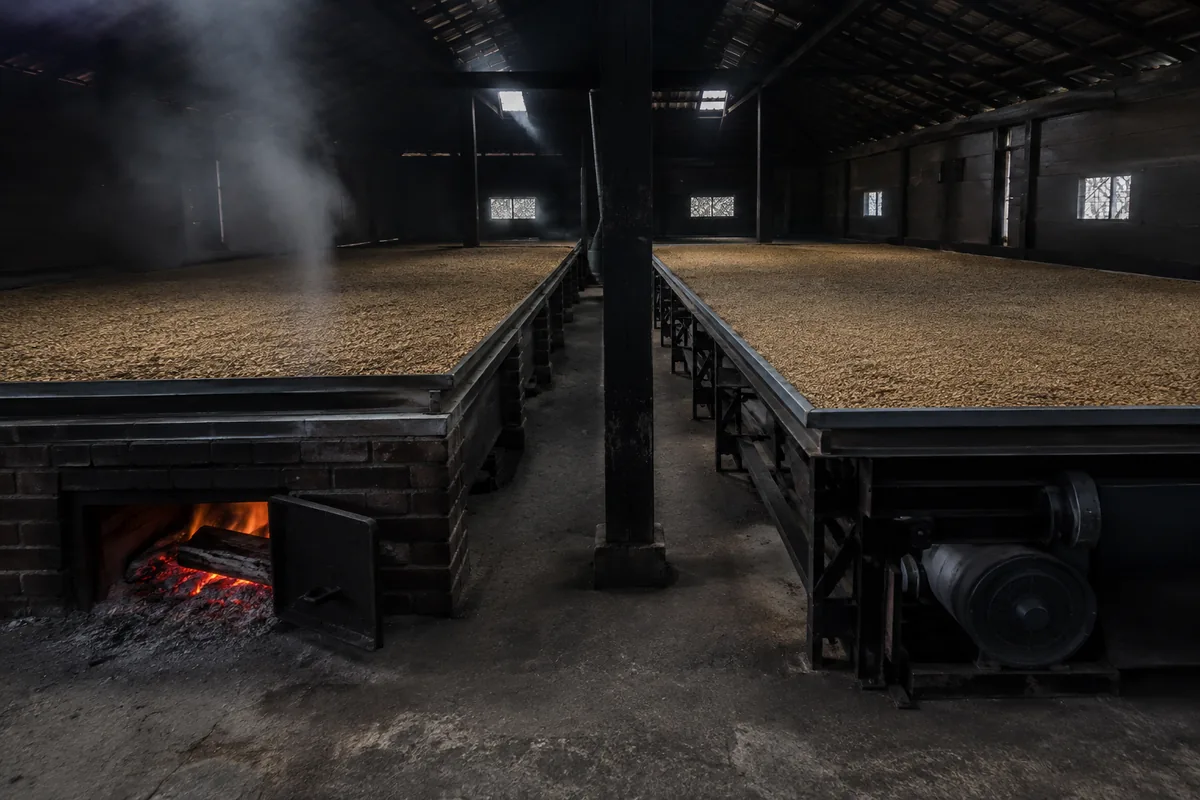
Official regional summaries often mention smoky or maritime examples because those styles are memorable.
They remain descriptions of part of the range rather than legal requirements.
If smoke matters to your choice, look for an explicit peat statement and then taste at a measured strength. Geography suggests a question; production supplies the answer.
Why is there no single island flavour?
Island distilleries work with different wort clarity, fermentation times, yeast regimes, still shapes and cut points.
Those choices determine which cereal, fruit, sulphur, floral and heavier compounds continue into new make spirit.
Maturation adds another set of variables. Previous-fill bourbon barrels, sherry-seasoned casks, refill wood and newer oak can each shift sweetness, spice, dried fruit, tannin and colour, while age changes extraction and integration.
- Fermentation
- Creates alcohol plus many aroma precursors before the still begins separating them.
- Still geometry
- Changes reflux and copper contact, influencing how light or weighty the spirit becomes.
- Peat
- Adds smoke-related compounds only when the malt and process use it.
- Cask history
- Shapes vanilla, spice, dried-fruit, wine and wood impressions over time.
- Bottling strength
- Changes texture, aroma release and the effect of added water.
- Batch construction
- Combines casks or distillates to reach a chosen house or release profile.
Coastal air is part of the maturation environment, but tasting language such as salty or maritime should remain an observation, not a claim that sea salt entered the spirit. Aroma associations do not automatically identify a chemical source.
The phrase island style therefore hides more than it reveals.
One bottle may be light, waxy and citrus-led, another smoky and medicinal, and another rich with dried fruit and oak.
Start with the actual Scotch category and producer facts. Then use the glass to test fruit, cereal, smoke, wood, texture and finish without forcing them into a regional script.
This bottle-first approach also protects comparisons. Two island whiskies can differ more from each other than either differs from a mainland whisky.
A broad range is not a weakness in the term.
It simply means Islands works best as geographic orientation, while production and maturation explain flavour.
Which label clues matter most?
The most useful label-reading order moves from the regulated Scotch identity to optional production detail that may or may not appear on the bottle. Start with the full sales description, because Single Malt Scotch Whisky conveys more than an informal Islands shelf tag.
- Find the Scotch category. Single malt, single grain, blended malt, blended grain and blended Scotch carry different construction rules.
- Identify the distillery or blend. A single-distillery statement narrows origin more than a broad island grouping.
- Read the place name carefully. Islay is protected, while another island name must truthfully describe where the whisky was distilled.
- Check age and cask wording. An age statement on the label refers to the youngest whisky in the bottle; a finish names later cask maturation, not a flavour guarantee.
- Confirm ABV. Strength affects alcohol per pour, texture and how much water may be useful in tasting.
Natural-colour and non-chill-filtered claims may be helpful when present, but their absence does not identify poor quality.
Scotch law permits plain caramel colouring, and filtration choices concern appearance and stability as well as sensory tradeoffs.
Packaging often gives coastline, weather and heritage more visual space than the legal description. Read the small factual line before the large scenic story.
A cask name also needs context.
Previous contents, first-fill or refill status, maturation duration, cask size and the proportion used in a vatting can matter more than a broad wine or spirit name.
The label cannot tell you everything, and honest uncertainty is better than reverse-engineering a recipe from colour. Use producer technical information where available, then keep undisclosed details unresolved.
The outcome is a hierarchy of evidence rather than suspicion: category, verified place, age, cask claim and ABV first, with design language treated as supporting context.
How should you taste an island whisky?
A controlled tasting begins at room temperature with a clean tulip-shaped glass and a measured pour that leaves ample space above the liquid. A narrow rim concentrates aroma enough to compare fruit, cereal, smoke and oak without requiring a large serving.
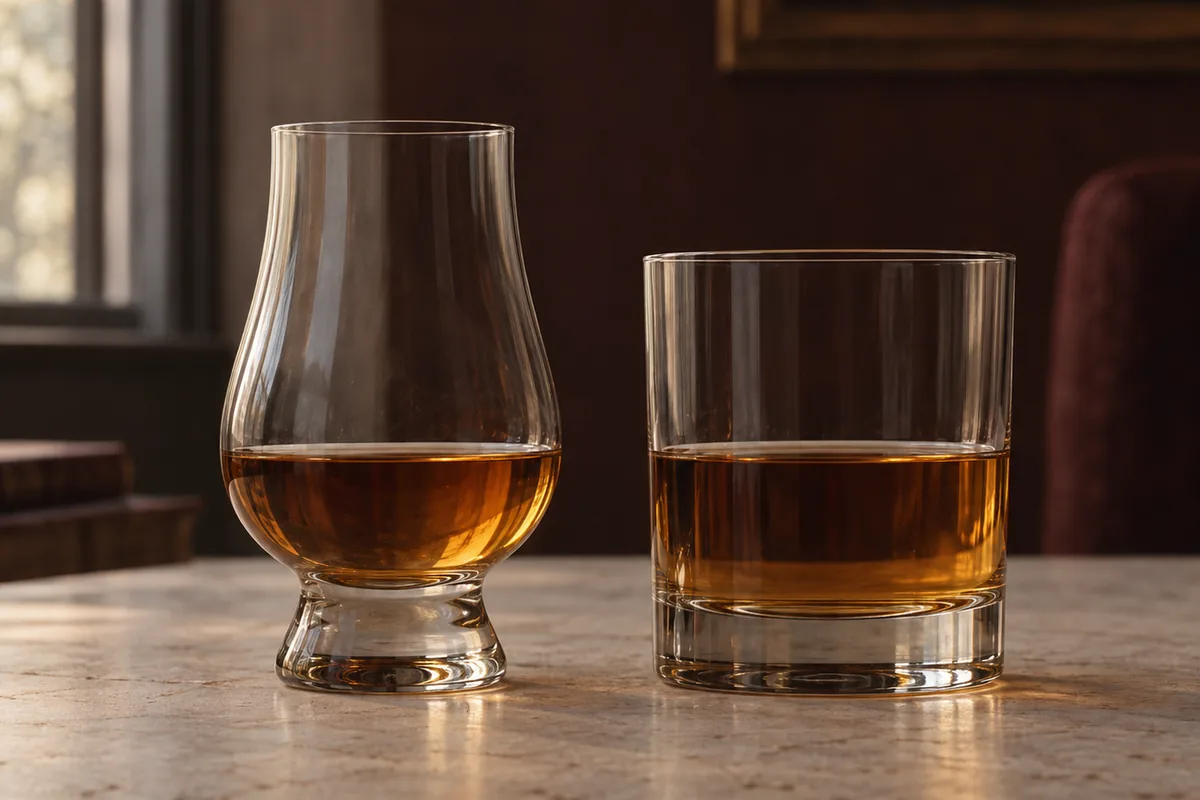
- Observe without decoding colour. Note hue and clarity, but do not infer age, peat or quality from darkness.
- Nose above the rim. Short gentle passes reduce alcohol irritation and help separate volatile aromas.
- Taste a small amount. Record sweetness, acidity, bitterness, texture, smoke, wood and finish before reading regional tasting claims again.
- Add water deliberately. A few measured drops can change aroma release and alcohol heat; record the amount so the comparison remains useful.
Ice cools the whisky and lowers volatility, which can mute some aromas while softening alcohol heat.
That may suit the serving goal, but it creates a different sensory condition from a neat baseline.
For higher-strength whisky, water can make the sample easier to evaluate. Add it gradually because a large uncontrolled pour can flatten texture and make two samples impossible to compare fairly.
Use island character as a hypothesis. If you expect smoke, brine or heather, test whether you can describe the actual aroma and whether it persists after water rather than checking a familiar word off a list.
A controlled method will not produce one correct tasting note.
It gives your observations stable conditions, which makes differences between bottles easier to recognise.
The final serving can still be neat, diluted, over ice or mixed. The tasting baseline exists to show what each change does, not to impose etiquette.
What foods suit different island styles?
A useful pairing begins with the whisky's tasted weight and dominant flavour, then looks for a comparable structure in the food beside it. Geography alone is too broad because island whisky ranges from delicate cereal and fruit to dense smoke and active cask spice.
| Whisky profile | Food direction | Why it can work |
|---|---|---|
| Light cereal and citrus | Fresh shellfish, mild cheese or simply cooked white fish | Low intensity keeps the whisky audible without overwhelming delicate food |
| Orchard fruit and vanilla | Roast poultry, baked apple or nutty hard cheese | Fruit echoes sweetness while fat softens alcohol and oak |
| Dry smoke and pepper | Smoked fish, grilled mushrooms or charred vegetables | Shared smoke can connect the pair, while savoury depth avoids a sugary clash |
| Rich dried fruit and cask spice | Blue cheese, fruit cake or braised meat | Concentrated flavour and fat can stand beside a heavier cask profile |
Seafood often appears in island pairing suggestions, but location does not make it automatic. A heavily tannic or intensely smoky whisky can dominate a delicate oyster, while a lighter unpeated malt may work cleanly.
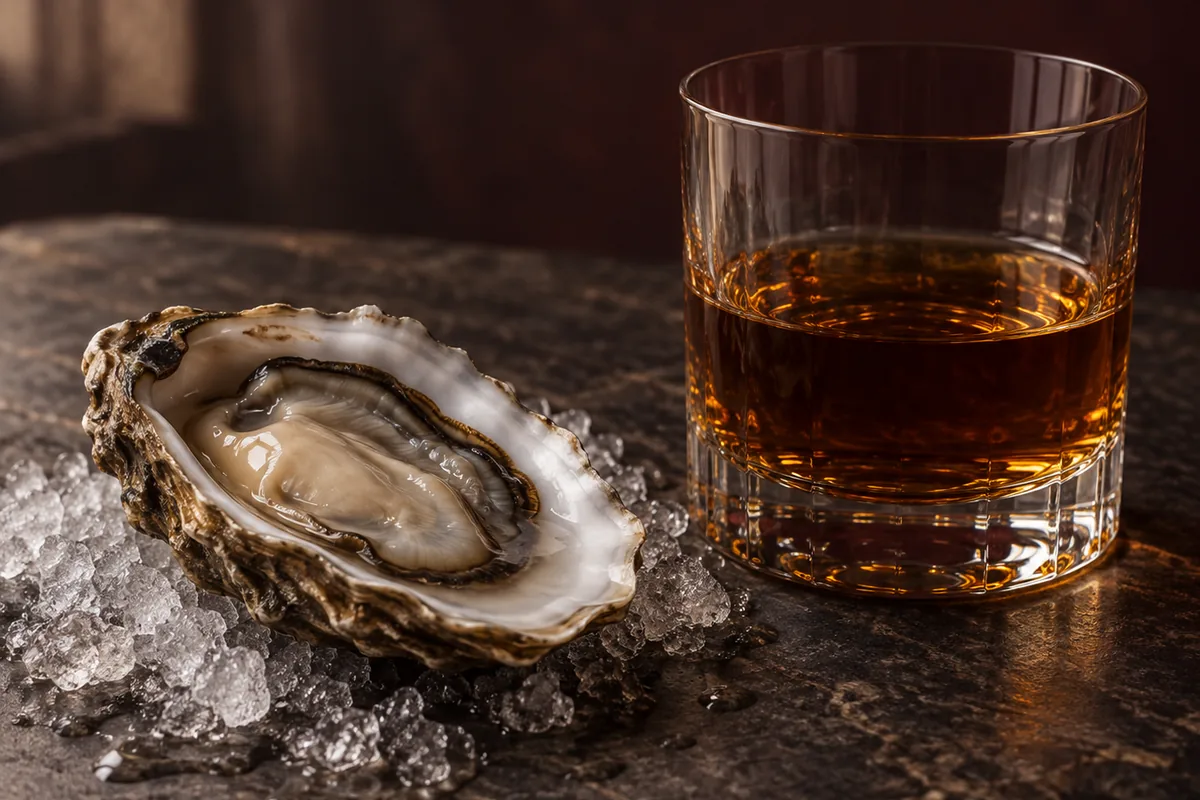
Sweetness needs attention because alcohol can make chilli feel hotter.
A very spicy dish may need a sweeter, diluted serve or a less alcoholic companion rather than a cask-strength pour.
Match the tasted profile, not the map. Take one small bite, then one measured sip, and check whether either side becomes harsher, flatter or more bitter.
Water alongside the meal helps keep the tasting deliberate and clears strong flavours between comparisons.
A pairing should improve attention to both food and whisky, not become a reason for a larger pour.
How do you store an opened bottle?
Store the bottle upright so high-strength spirit does not remain in prolonged contact with the closure. Keep the cap or cork firmly seated to reduce evaporation and exchange with room air.
- Choose darkness. Direct sun can heat the liquid and fade packaging, while repeated light exposure adds avoidable stress.
- Keep temperature stable. A cupboard away from radiators and hot kitchen surfaces is more useful than a decorative window shelf.
- Watch the seal. A damaged cork or loose cap can accelerate alcohol and aroma loss.
- Notice headspace. When little liquid remains, moving it to a smaller clean compatible bottle can reduce the volume of air above it during long storage.
Whisky does not continue cask maturation in glass. A twelve-year age statement remains twelve years because the extraction and reactions associated with an oak cask no longer proceed in the sealed bottle.
Opened whisky usually changes through slow oxygen exposure, volatile loss or closure problems rather than microbial spoilage.
A large headspace can make aroma seem flatter over time, although the pace varies with seal quality and storage.
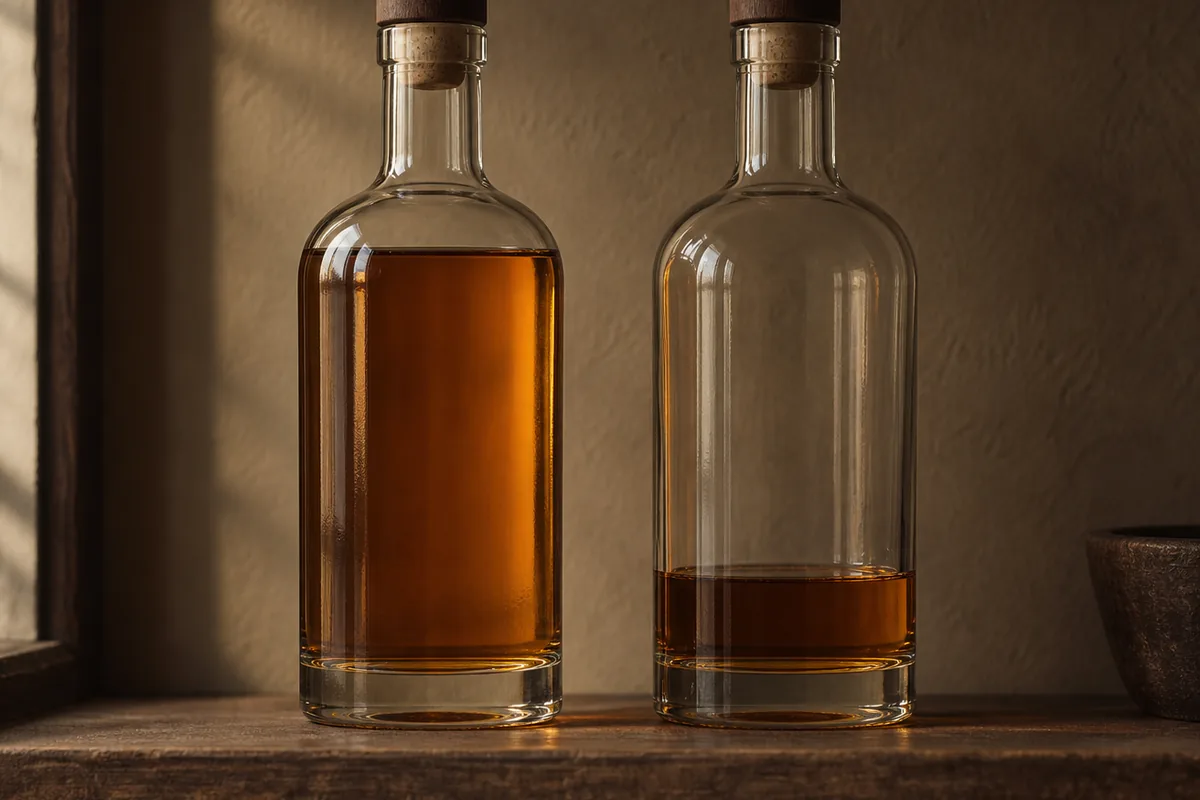
Cloudiness after chilling or adding water can occur in non-chill-filtered Scotch. It does not by itself show spoilage, especially when the haze disappears as temperature rises.
Record the opening date if the bottle will last years. That simple note makes gradual change easier to distinguish from memory and expectation.
The storage decision is modest: upright, sealed, dark and stable. Those conditions protect the bottle without promising permanent sensory sameness.
How does strength change the pour?
Scotch must be bottled at 40% ABV or above, and some island whiskies are released at substantially higher strength.
The glass does not standardise that difference, so a measured serving matters.
In the United States, NIAAA uses 14 grams of pure alcohol as one standard drink. About 45 mL or 1.5 US fluid ounces of 40% distilled spirits is one example, while the same volume at higher ABV contains more alcohol.
Calculate from volume and ABV. Smoothness, smoke, age, colour, food, water or a familiar glass shape cannot show how much alcohol was poured or whether anyone is safe to drive.
A 30 mL pour at 40% contains less alcohol than 30 mL at 60%, even if both look identical. Adding water changes concentration and total liquid volume, but it does not remove the alcohol already present.
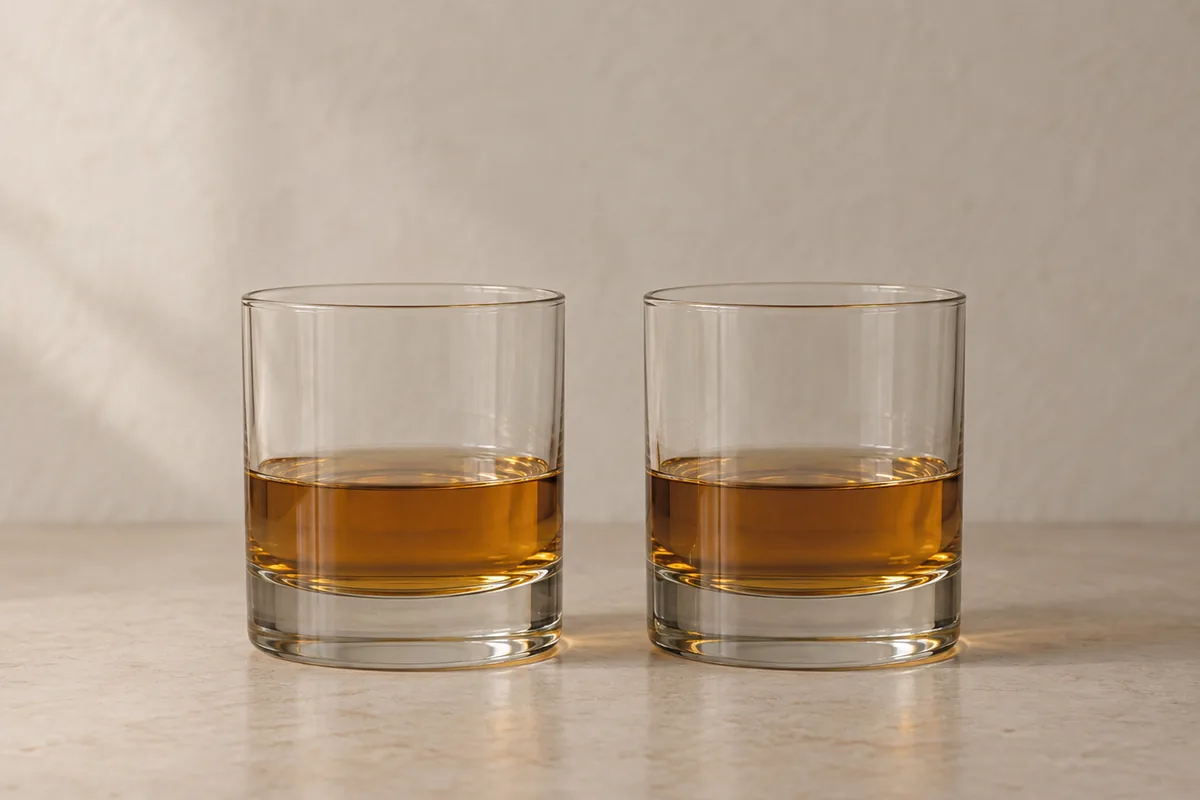
Cask strength also has no single legal number. It generally indicates that alcoholic strength was not adjusted after maturation, so the printed ABV remains the fact to use.
If driving, operating machinery, swimming, supervising children or making another safety-critical decision is involved, the appropriate choice is not to rely on a drink calculation.
Individual impairment varies and a standard-drink reference cannot provide clearance.
Measure first, then choose the serve. That order keeps sensory experimentation separate from the alcohol amount in the glass.
Once strength, category and actual place are clear, Islands whisky becomes easier to understand: a diverse set of Scotch whiskies connected by island geography, not a sixth region or one promised flavour.
Common questions
- Is Islands whisky an official Scotch region?
- No. Islands is an informal grouping. Scotch law protects Highland, Lowland and Speyside as regions, and Campbeltown and Islay as localities.
- Is all Islands whisky peated?
- No. Peat smoke depends on malt drying and later production choices, not simply on an island location.
- Does Islands whisky have one flavour profile?
- No. Fermentation, stills, peat, casks, age, batch construction and bottling strength vary among island distilleries and releases.
Sources
-
NIAAA, What Is a Standard Drink?
Accessed 13 September 2026.
-
Scotch Whisky Association, Scotch Whisky FAQs
Accessed 7 September 2026.
-
Scotch Whisky Technical File, June 2019, the gov.uk product specification for the Scotch Whisky geographical indication, quoting the Scotch Whisky Regulations 2009 regulation 3
Accessed 4 September 2026.
-
The Scotch Whisky Regulations 2009
Published 2009. Accessed 6 September 2026.
More in Spirits
-
 American single malt whisky
01
What is American single malt whisky, and what does it guarantee?
-
 Australian whisky
02
How is Australian whisky defined, and by which law?
-
 Black rum
03
What is black rum, and does the colour mean anything?
-
 Blended American whiskey
04
What is blended American whiskey, and how much of it is whiskey?
-
 Blended Irish whiskey
05
Blended Irish whiskey: which word counts the distilleries?
-
 Blended Scotch
06
Blended Scotch: what is in it, and why does the recipe change?