
Spirits
What Is Lowland Whisky, and Is It Always Light?
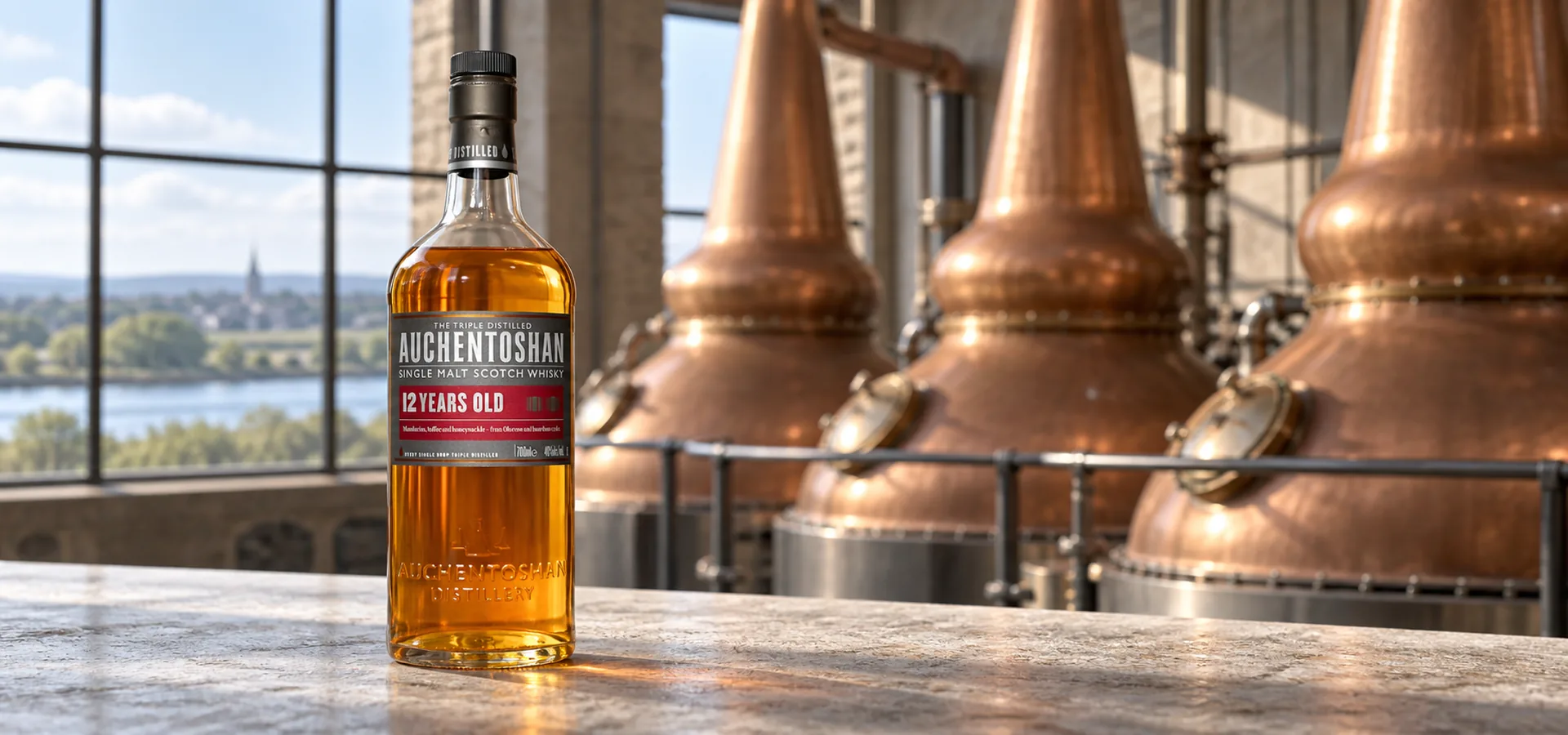
Lowland whisky is Scotch Whisky distilled south of the protected Highland-Lowland dividing line. Light and floral styles are common associations, but flavour, peat and triple distillation are not regional legal requirements.
At a glance
- Legal category
- Lowland, a protected regional geographical indication within the Scotch Whisky geographical indication.
- Minimum strength
- 40 percent ABV
- Also called
- Lowland Scotch whisky, Lowland single malt
- Protected region
- The part of Scotland south of the statutory dividing line
- What it guarantees
- Scotch origin from a qualifying Lowland distillation site
- Flavour rule
- No required light, floral, grassy or unpeated profile
- Distillation rule
- Triple distillation is optional, not regional law
- Minimum maturation
- 3 years in Scotland in oak casks up to 700 litres
What does Lowland whisky mean?
Lowland whisky is Scotch from a protected region south of the dividing line specified in the Scotch Whisky Regulations. The word identifies where the whisky was distilled, not one mandatory flavour or distillation method.
- Protected status
- Scotch Whisky region
- Regional test
- South of the statutory dividing line
- Minimum maturation
- 3 years in Scotland
- Maximum oak cask
- 700 litres
- Minimum strength
- 40% ABV
- Distillation ceiling
- Below 94.8% ABV
The full sales description still matters.
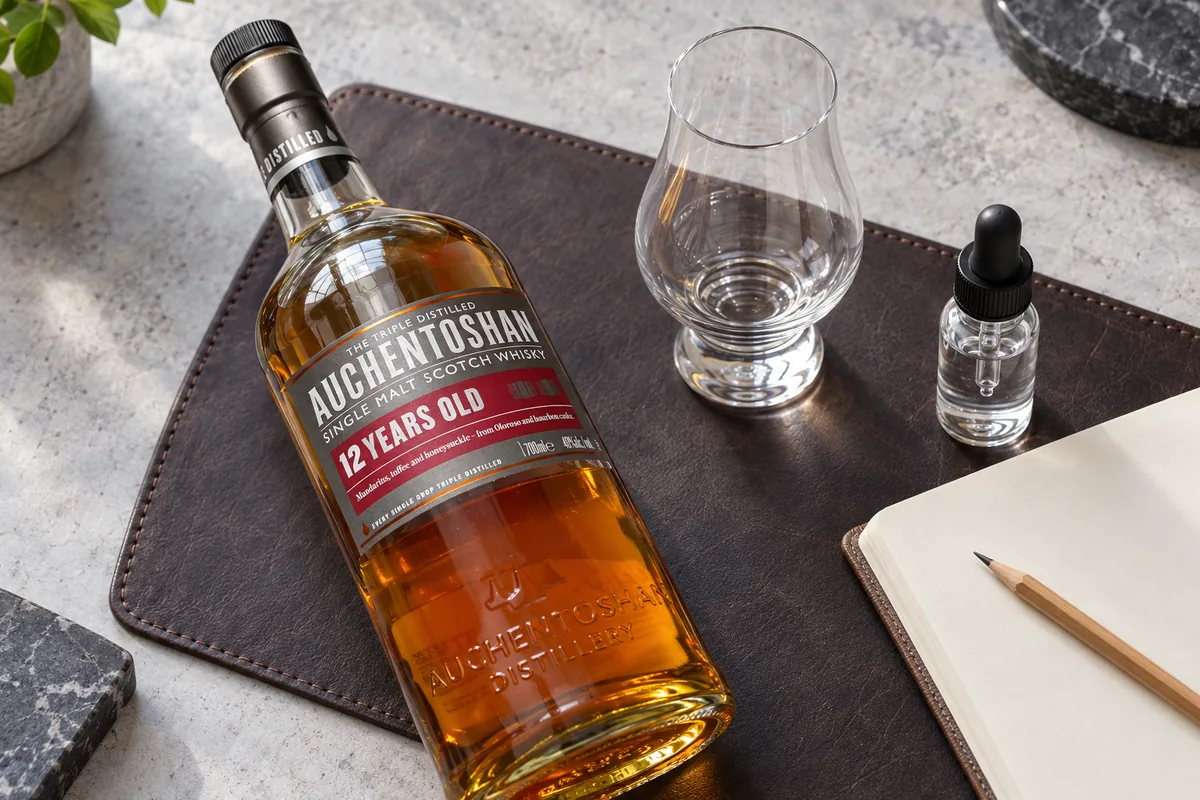
A Lowland bottle may be Single Malt Scotch Whisky, Single Grain Scotch Whisky or part of another permitted construction, and the region name does not replace that category.
Descriptions such as light, grassy, floral and gentle reflect recurring examples and industry shorthand. They are not conditions a producer must satisfy to use the regional name.
The useful reading order: confirm Scotch category and Lowland origin first. Then use peat, fermentation, still regime, cask history, age, filtration and ABV to understand the individual whisky.
This distinction prevents two common errors. A robust or smoky Lowland release does not stop belonging to the region, and a light whisky made elsewhere does not become Lowland through resemblance.
Where does the Lowland boundary run?
The protected Lowland region comprises the part of Scotland south of the line that separates it from the Highland region. The legal definition depends on the specified route, not on a simple latitude, a landscape impression or the everyday meaning of southern Scotland.
The regulations describe the dividing line through named transport routes and places across the country.
That technical route matters when a distillery sits near the boundary, because a few kilometres can change which regional term is available on a label.
- Legal source
- The Scotch Whisky Regulations 2009 define Lowland by reference to the Highland-Lowland dividing line.
- Direction
- Lowland is the part of Scotland south of that specified line.
- Evidence
- A verified distillery location must be checked against the regulatory route.
- What does not decide it
- Altitude, rolling fields, city identity and flavour do not move the legal boundary.
- Neighbouring term
- Highland applies north of the line, subject to the separate protected Speyside region within the wider geography.
The regulatory line should not be confused with the Highland Boundary Fault. Geology can help explain Scottish landscapes, but the protected spirits boundary is the one expressed in the whisky regulations.
A producer can discuss local water, climate and farming when evidence supports those claims.
None of those details substitutes for the distillation location required by the regional name.
The practical test is documentary. When you verify a near-boundary claim, use the complete distillery address and the current official specification rather than guessing from a map thumbnail or a brand's visual style.
Which Scotch rules apply before the region matters?
Every Lowland whisky first has to qualify as Scotch Whisky.
The national baseline controls materials, location, distillation strength, maturation, additions and minimum bottling strength before the regional word adds a narrower origin.
| Stage | Scotch requirement | What Lowland adds |
|---|---|---|
| Mash and fermentation | Water and malted barley, with whole grains of other cereals permitted, processed and fermented at a Scottish distillery | The qualifying distillation site lies in the protected region |
| Distillation | Below 94.8% ABV so material and production character remains | No separate Lowland still type or pass count |
| Maturation | At least three years in Scotland in oak casks no larger than 700 litres | No separate Lowland age or cask rule |
| Additions | Only water and plain caramel colouring under the basic definition | No regional flavouring permission |
| Bottling | At least 40% ABV | The region does not set a different minimum |
Malt Scotch Whisky is made from malted barley, water and yeast, while grain categories may include other whole cereals. The category wording on the bottle therefore tells you more about composition than the Lowland name alone.
Maturation changes spirit through extraction, oxidation and evaporation.
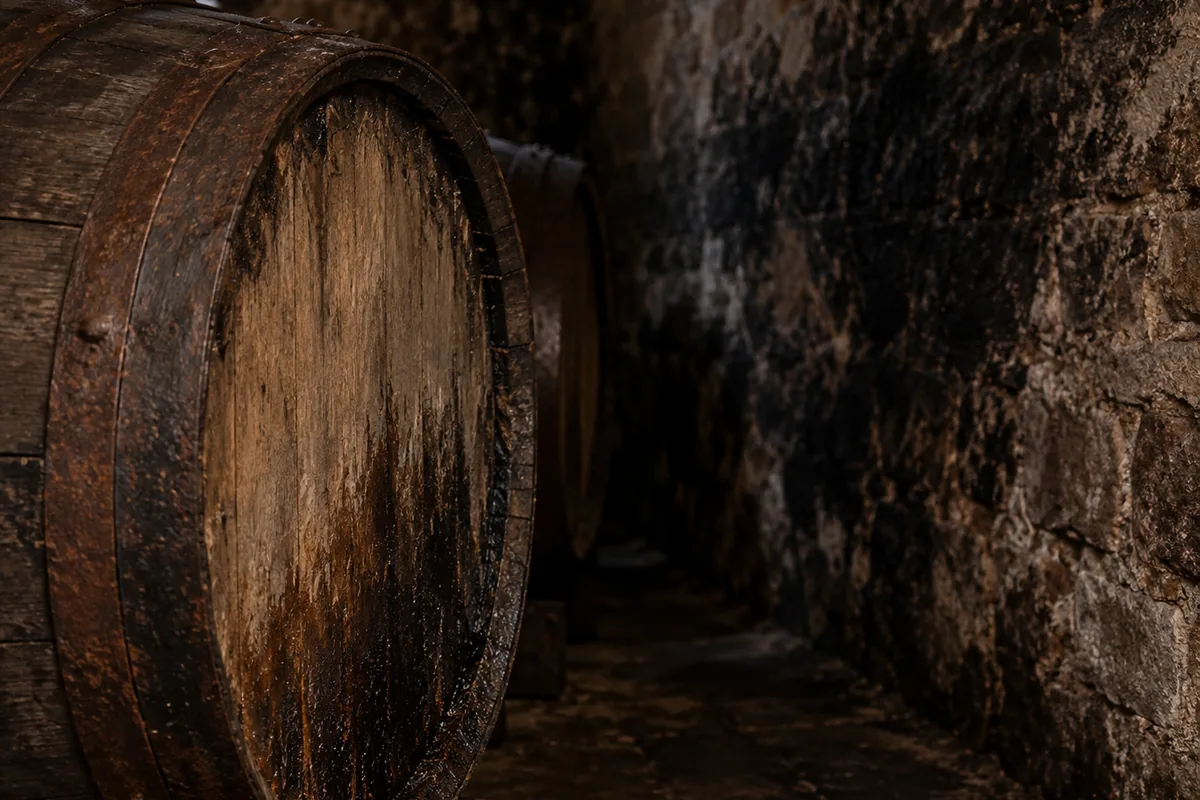
It must occur in Scotland, but the cask does not have to remain inside the Lowland region after distillation for the regional distillate claim to be meaningful.
The distillation ceiling is also an identity control rather than a typical bottle strength. New make comes off the still below 94.8% ABV, later enters cask at a chosen filling strength, and reaches the consumer at 40% ABV or above.
Plain caramel colouring can adjust appearance.
For that reason, dark amber cannot prove long age, active wood or richer flavour.
Lowland adds place, not a second Scotch recipe. Shared national rules explain what the liquid must be; producer choices explain most differences between bottles.
Is Lowland whisky always light and floral?
No.
Light cereal, fresh grass, flowers, citrus and orchard fruit are useful descriptions of some Lowland whiskies, but they remain tendencies rather than regulated sensory standards.
| Observed direction | Questions that may explain it | Do not assume |
|---|---|---|
| Light, grassy or floral | Was the fermentation fruit-led, the still regime highly refluxing and the cask relatively quiet? | Every Lowland whisky must taste this way |
| Cereal, creamy or oily | How clear was the wort, how did fermentation run and what spirit cut was collected? | Texture identifies a region by itself |
| Smoky or earthy | Was peated malt used, and how did distillation and cask time reshape it? | Peat automatically means Islay |
| Rich fruit, spice or tannin | Did active wine-seasoned wood or a finish dominate the vatting? | Colour alone establishes age or quality |
| Hot or concentrated | What is the printed ABV, and has water been added? | Intensity establishes maturity |
Regional reputations often begin with real production histories. They become unreliable when an average is turned into a rule and then applied to every current distillery and release.
New distilleries can choose different yeasts, fermentation schedules, still designs, peat specifications and cask programs while remaining inside the same legal geography.
Even one distillery can produce several styles. A change in cut points, spirit run, malt treatment or cask recipe can move the bottle farther than the regional name predicts.
You can use the description as a tasting hypothesis, then test it under controlled conditions. Origin identifies place; the glass shows flavour.
Does Lowland whisky have to be triple-distilled?
No legal Lowland rule requires triple distillation.
The method is strongly associated with particular distilleries, especially Auchentoshan, but it is a producer decision rather than a regional qualification.
Malt Scotch Whisky is usually distilled twice according to the Scotch technical file. Usually is not always, and the regulations define the spirit through materials, place, character and strength rather than prescribing exactly two passes.
| Process question | Two-pass route | Three-pass route |
|---|---|---|
| Typical sequence | Wash still, then spirit still | Wash still, intermediate still, then spirit still |
| What changes | Two major separation stages | An additional charge and separation stage |
| Possible effect | Can retain or select many spirit weights depending on equipment and cuts | Can increase rectification and create a lighter new make when operated for that goal |
| What neither proves | Quality, final flavour, region or smoothness without the rest of the production and cask evidence | |
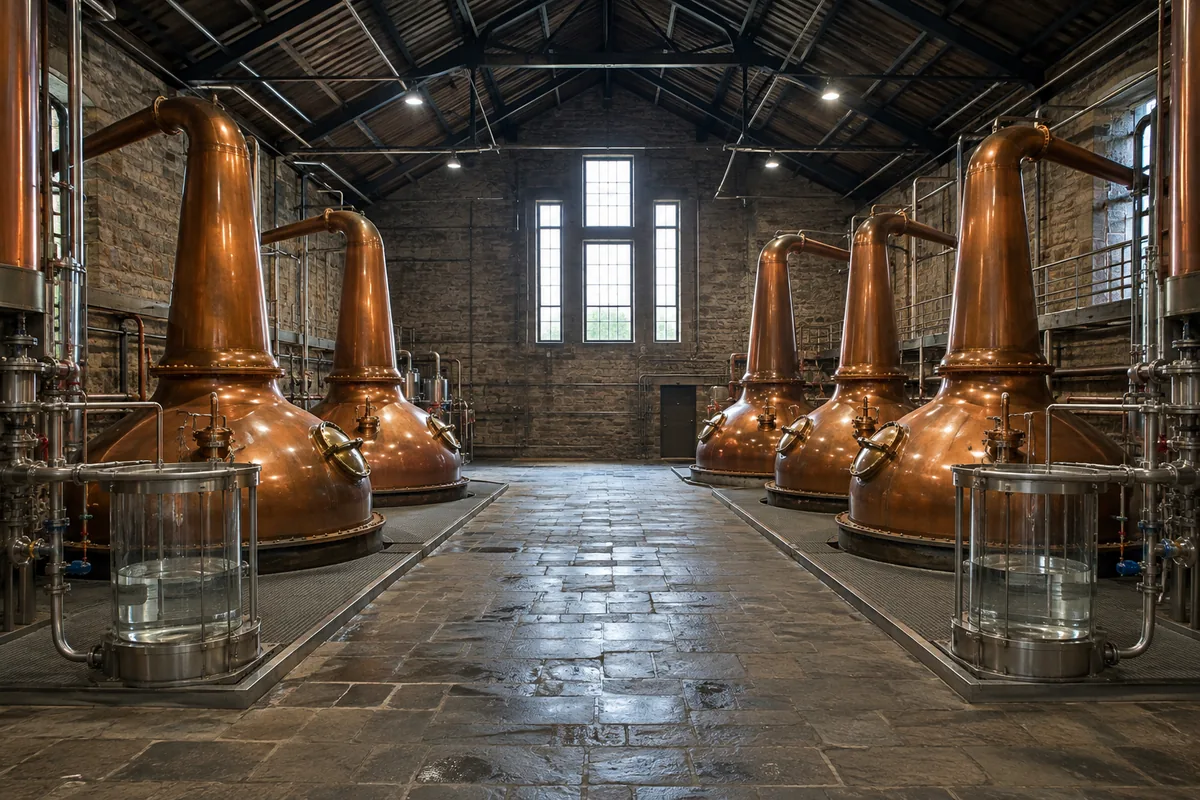
An extra pass does not act in isolation.
Still shape, charge size, heating rate, reflux, copper contact, condenser design and cut points all influence which volatile compounds reach the new make.
A triple-distilled spirit may be lighter in a given system, yet later maturation can add substantial fruit, spice, tannin and weight. A double-distilled Lowland malt can also be delicate when its entire process is designed that way.
When you verify a pass count, label and producer technical material are the right evidence. Never infer three distillations from the regional word alone.
How do fermentation and stills shape Lowland spirit?
Fermentation creates the field that distillation later selects. Malted barley is milled and mashed with water, producing a sugary wort that yeast converts into alcohol and a broad set of aroma-active compounds.
- Prepare the wort. Milling, water additions, temperature and separation affect fermentable sugar and the solids reaching fermentation.
- Ferment the wash. Yeast, time, temperature and vessel conditions influence fruit, floral, cereal, acid and sulphur precursors.
- Separate the vapour. Still geometry, charge, heat and reflux affect which compounds travel through the copper system.
- Select the spirit. The cut between early, middle and late fractions defines the new make that enters cask.
Clearer wort can support a different fermentation environment from cloudy wort carrying more solids.
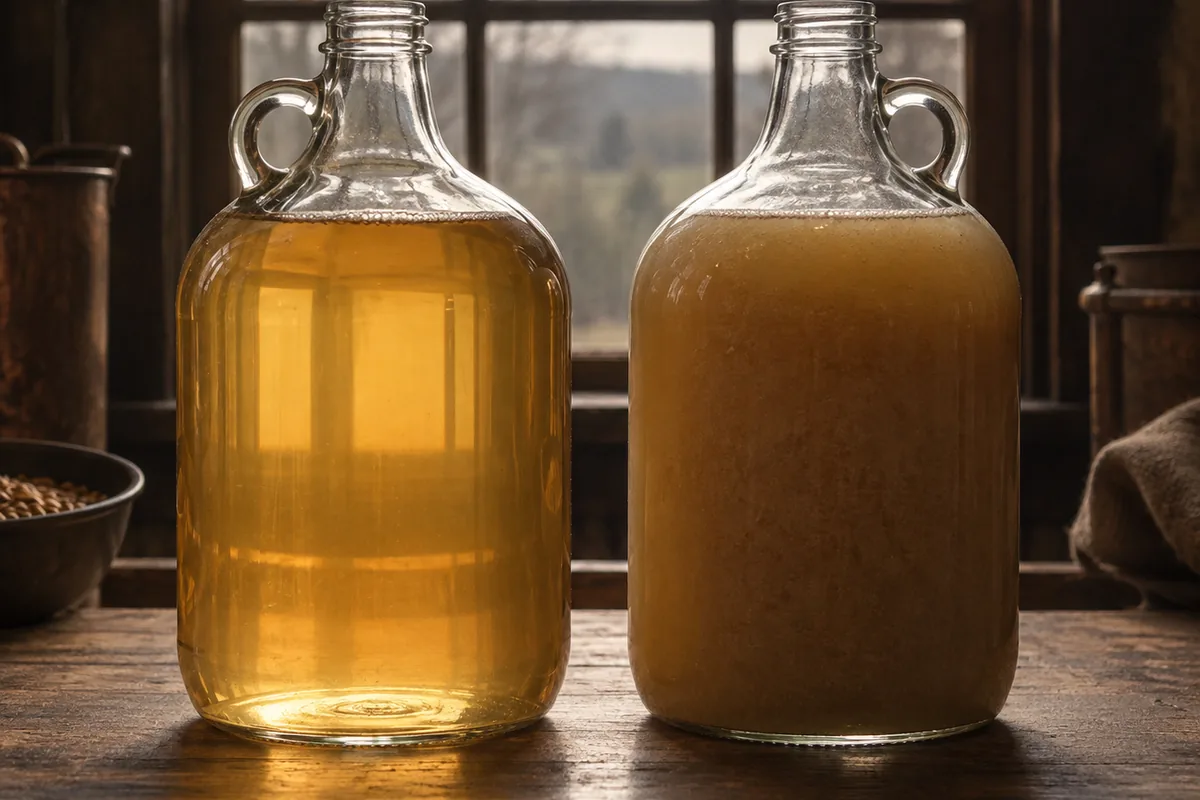
Fermentation duration may favour different ester and acid development, but no single duration guarantees fruitiness or quality.
Copper contact can reduce some sulphur compounds, while reflux sends heavier vapours back for another cycle inside the still. Tall stills are often associated with lighter spirit because they can encourage reflux, although operating conditions can override a photograph's apparent logic.
Condensers matter too.
Shell-and-tube and worm-tub systems create different cooling and copper-contact conditions, but neither can be evaluated without the rest of the distillery setup.
The cut point is an editorially important distinction because the distiller decides which part of the flow goes forward. Early, middle and late fractions contain different proportions of volatile compounds, so shifting the collection window changes spirit character.
These variables help explain why Lowland whiskies differ. The production guidance covers operating methods, sanitation and process hazards in more detail.
How do casks and age change Lowland whisky?
Oak can preserve a delicate spirit, build on it or overwhelm it. The result depends on wood species, previous contents, cask size, fill history, warehouse conditions, time and how several casks are combined.
- Ex-bourbon
- Often contributes vanilla, coconut-like aroma, toast and sweetness, with intensity depending on fill and duration.
- Wine-seasoned
- May bring dried fruit, nut, spice, acidity, tannin and colour from the specific wine and oak history.
- Refill wood
- Quieter extraction can leave fermentation, distillation and malt character more visible.
- Finishing
- A later cask period overlays an existing maturation rather than replacing the first years.
- Warehouse
- Temperature, airflow, humidity and cask position affect the pace and balance of change.
- Vatting
- One bottle may combine many casks, so a named wood can describe only part of the liquid.
An age statement refers to the youngest whisky represented by the number. It is not an average, and older components cannot be promoted as though the whole bottle had their age.
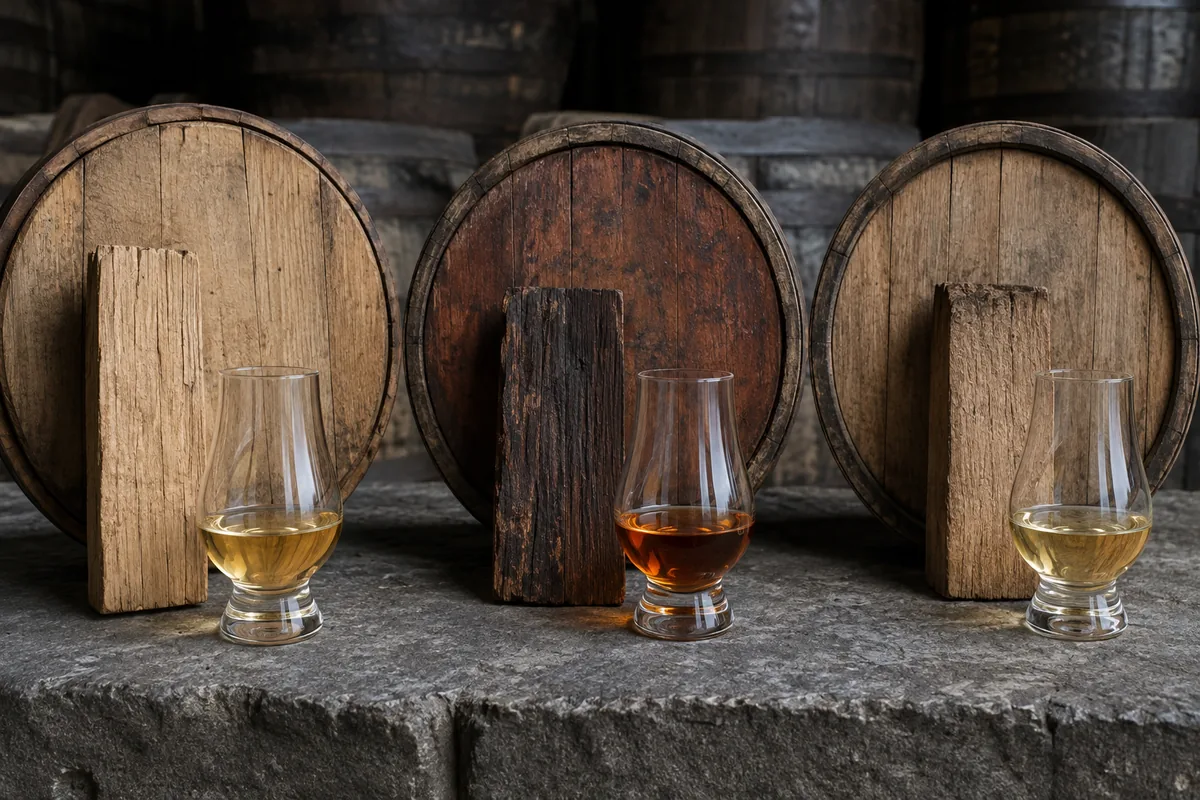
Longer maturation is not automatically better.
Extraction, oxidation and evaporation continue together, so a cask can reach balance, remain quiet or become excessively woody on different schedules.
Colour needs especially careful reading because cask history, spirit-to-wood ratio and time all affect it. Permitted plain caramel can make appearance more consistent without making the whisky older or sweeter.
When you assess maturation, treat cask wording as a claim to parse, not a score. Look for previous contents, full maturation versus finish, duration, fill number and the share of the final vatting.
Which label clues matter more than the stereotype?
Your first label check is the full legal Scotch description. Single Malt Scotch Whisky, Single Grain Scotch Whisky, Blended Malt Scotch Whisky, Blended Grain Scotch Whisky and Blended Scotch Whisky describe different constructions that Lowland alone cannot reveal.
- Read the category. It establishes materials, distillery count and permitted construction.
- Confirm the distillery and region. Use the actual production location rather than flavour or scenery.
- Interpret age literally. The number covers the youngest whisky represented.
- Parse cask wording. Separate full maturation, finishing, previous contents and vague flavour suggestions.
- Check peat and processing claims. Peated malt, natural colour and filtration statements describe choices, not regional rank.
- Read the printed ABV. Strength changes concentration and alcohol per measured pour.
Lowland cannot prove triple distillation, and triple distillation cannot prove Lowland origin. Both claims need their own evidence.
A bottle with no printed age leaves the exact age undisclosed. It does not say that the liquid only met the three-year minimum, just as the absence of a filtration claim does not establish which process occurred.
Specificity helps only when it answers the question at hand.
A cask number, distillation date or bottle yield can improve traceability without turning the release into a universal quality benchmark.
The strongest reading moves from regulated category to producer choices. This order prevents the familiar regional story from overruling the bottle's actual disclosures.
How should you taste and serve Lowland whisky?
If you are comparing samples, use a clean tulip-shaped glass, a measured pour and a neutral room temperature. The narrow opening helps collect aroma while leaving enough room to nose above the liquid.
- Set a baseline. Record appearance without converting colour into age or flavour.
- Nose gently. Look for cereal, fruit, flowers, smoke, oak and sulphur in short passes.
- Taste a small amount. Note sweetness, acidity, bitterness, texture, development and finish.
- Add measured water. Compare the same sample after a recorded addition rather than pouring at random.
- Choose the final serve. Neat, diluted or chilled can suit different bottles and occasions.
Water changes concentration and volatility.
It may reveal aromas that were difficult to separate, soften alcohol heat or make a balanced whisky feel thin if too much is added.
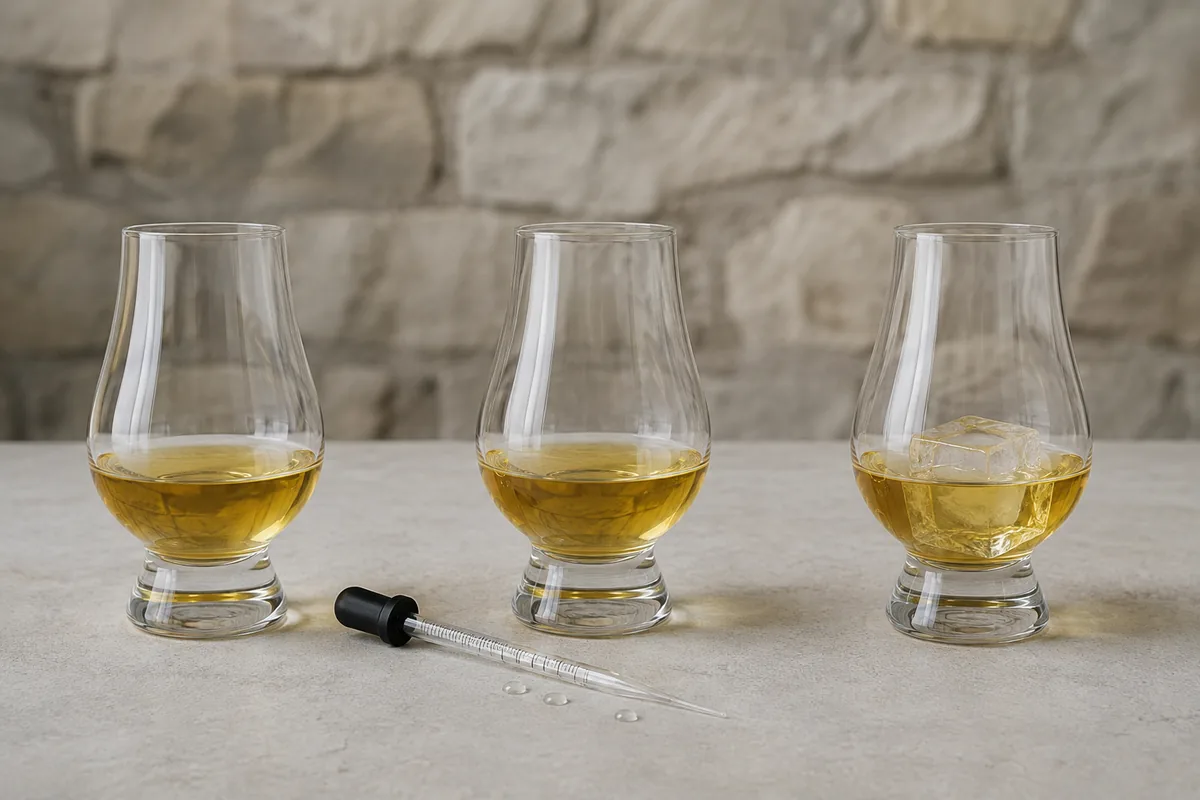
Ice lowers temperature and adds dilution over time. Delicate floral aroma may become quieter, while a stronger or more cask-led whisky may feel easier to approach.
You can follow a consistent whisky tasting method when comparing regions or bottles. Start lighter and lower in smoke before moving to more persistent flavours.
Smooth is not a safety measure. Light flavour, water, ice, food and familiarity cannot show that a person is unimpaired or safe to drive.
Which foods suit different Lowland whisky styles?
Pair the whisky you tasted rather than the regional stereotype. Body, sweetness, acidity, smoke, tannin and alcohol strength determine whether food and whisky remain clear beside each other.
| Whisky direction | Food direction | Balance to watch |
|---|---|---|
| Light, floral and citrus | Mild seafood, fresh cheese, roast poultry or oat biscuits | Heavy smoke and sugar can erase delicate aroma |
| Cereal, apple and vanilla | Pork, mushrooms, nuts or a restrained fruit dessert | Excess sweetness can flatten malt detail |
| Smoky or peppery | Grilled vegetables, smoked fish or aged cheese | Shared smoke can feel dull without acidity or freshness |
| Rich wine-cask style | Braised meat, hard cheese, nuts or dark chocolate | Tannin and bitterness can stack into harshness |
| Higher strength | Fatty savoury food with measured water alongside | Chilli may magnify alcohol heat |
A light label description does not guarantee that a delicate dish will work.
Active oak, higher ABV or a smoky batch can dominate subtle food even when the distillery is firmly Lowland.
When you test a pairing, take one bite and one measured sip, then observe whether either becomes harsher, duller or more bitter. Adjust intensity or serving format when the match fails.
How do storage and strength affect the decision?
A light Lowland flavour does not mean the bottle needs refrigeration or a different preservation routine. Use the whisky storage guidance for light, closure and temperature questions, while keeping the label so the identity and strength remain clear.
Haze can appear when some Scotch Whisky becomes cold or is mixed with water or ice.
Cloudiness by itself does not prove spoilage, especially when the whisky is not chill-filtered.
Foreign matter, active pressure, an unknown refill, closure failure or a clearly abnormal odour deserves more concern.
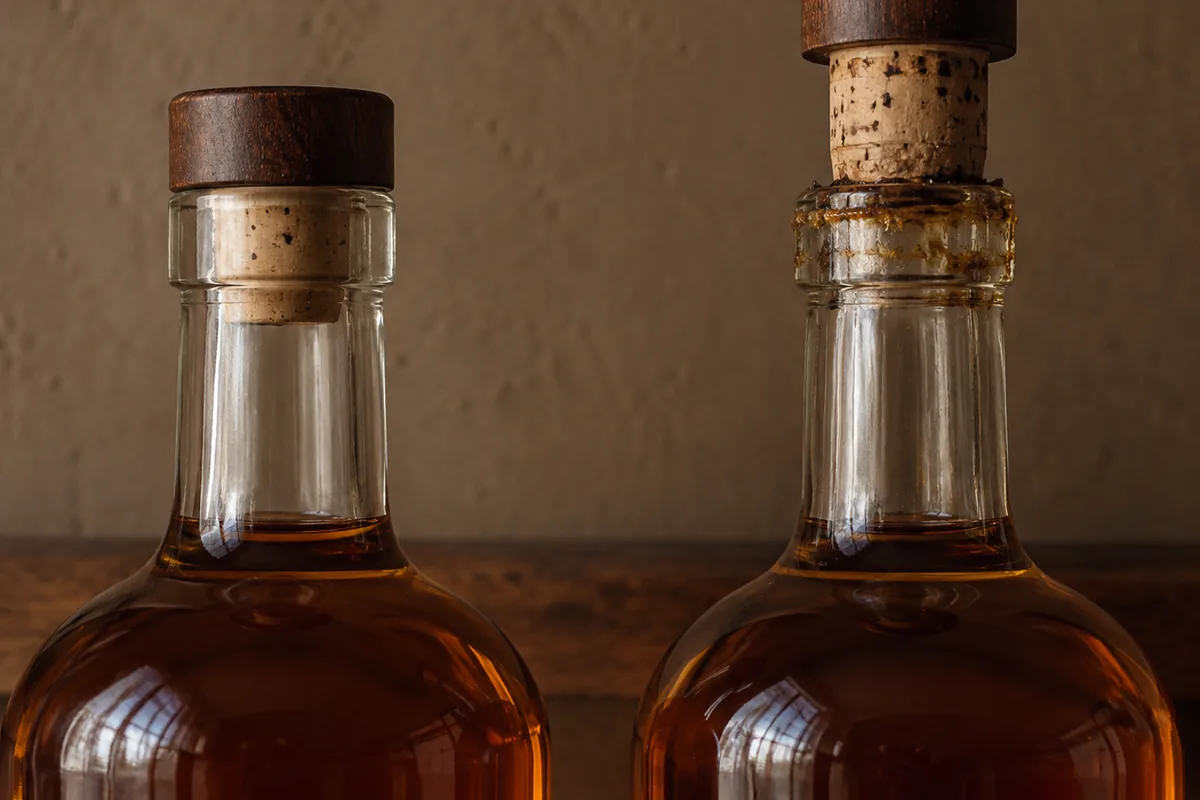
Gentle aroma can make alcohol strength less obvious. Check volume and ABV against the relevant standard-drink definition; the Lowland name supplies neither a serving size nor an impairment estimate.
The same 30 mL pour contains more alcohol at 55% ABV than at 40% ABV. Water and ice reduce concentration in the glass but do not remove the alcohol already measured.
The complete decision remains evidence-led: Lowland guarantees a protected Scotch origin south of a defined line, while process, cask, flavour and strength must be read from the individual whisky.
Common questions
- Is all Lowland whisky light and floral?
- No. Light, grassy and floral are common descriptions, not legal requirements. Peat, fermentation, still design, casks and strength can create much broader styles.
- Does Lowland whisky have to be triple-distilled?
- No. Some Lowland distilleries use triple distillation, but the regional definition does not require a particular number of still passes.
- What is the minimum age for Lowland whisky?
- Like all Scotch Whisky, it must mature in Scotland in oak casks no larger than 700 litres for at least three years.
Sources
-
The Scotch Whisky Regulations 2009
Published 2009. Accessed 6 September 2026.
-
Scotch Whisky Technical File, June 2019, the gov.uk product specification for the Scotch Whisky geographical indication, quoting the Scotch Whisky Regulations 2009 regulation 3
Accessed 4 September 2026.
-
UK Geographical Indication, Scotch Whisky
Accessed 7 September 2026.
-
NIAAA, What Is a Standard Drink?
Accessed 13 September 2026.
-
Scotch Whisky Association, Scotch Whisky Regions
Accessed 6 September 2026.
-
Auchentoshan, Our Story
Accessed 10 September 2026.
More in Spirits
-
 American single malt whisky
01
What is American single malt whisky, and what does it guarantee?
-
 Australian whisky
02
How is Australian whisky defined, and by which law?
-
 Black rum
03
What is black rum, and does the colour mean anything?
-
 Blended American whiskey
04
What is blended American whiskey, and how much of it is whiskey?
-
 Blended Irish whiskey
05
Blended Irish whiskey: which word counts the distilleries?
-
 Blended Scotch
06
Blended Scotch: what is in it, and why does the recipe change?